
When your dog gets into something they shouldn’t, the panic sets in fast—and you’re probably searching for dog toxicity natural remedies right now because you want to help immediately. It’s a feeling every pet parent knows: that gut-wrenching moment when you realize your pup may have been exposed to something toxic.
Table of Contents
- Understanding Dog Toxicity: Why Natural Support Matters
- 1. Activated Charcoal: Nature’s Toxin Absorber
- 2. Bone Broth: Gentle Digestive Support
- 3. Milk Thistle: Liver Support After Toxicity
- 4. Slippery Elm: Soothing the Digestive Tract
- 5. Probiotics: Restoring Healthy Gut Balance
- 6. Pumpkin: Nature’s Digestive Regulator
- 7. Coconut Oil: Anti-Inflammatory Support
- What to Do Now: Your Action Plan
- Important Safety Considerations for Natural Remedies
- When Natural Remedies Aren’t Enough
- Frequently Asked Questions
- Summary: Supporting Your Dog’s Recovery Journey
This article is for informational purposes only and is not a substitute for professional veterinary advice. Always consult a licensed veterinarian for diagnosis and treatment.
The good news? There are gentle, evidence-based approaches that can support your dog’s recovery while you work with your vet. While no home remedy replaces professional care, certain natural solutions can help ease symptoms and support your dog’s body during the healing process.
Understanding Dog Toxicity: Why Natural Support Matters
Dog toxicity happens when your pet ingests something harmful—whether it’s chocolate, xylitol, certain plants, medications, or household chemicals. The severity depends on what they ate, how much, and their individual health status.
Many pet parents want to combine veterinary care with supportive natural remedies. This integrative approach can help your dog feel more comfortable while their body processes and recovers from the toxic exposure. Think of natural remedies as a safety net that works alongside professional treatment, not instead of it.
Catching toxicity early puts you in a great position to help your dog recover smoothly.
1. Activated Charcoal: Nature’s Toxin Absorber
Activated charcoal is one of the most researched natural remedies for toxin exposure. It works by binding to toxins in the digestive tract, preventing absorption into the bloodstream. This is especially helpful in the first few hours after ingestion.
The key is timing—activated charcoal works best within 1-2 hours of exposure. Your vet may recommend this as part of your dog’s immediate care plan. Always check with your veterinarian before giving any supplement, as some toxins require different approaches.
2. Bone Broth: Gentle Digestive Support
Bone broth has been used for centuries to support digestive health, and it’s particularly soothing for dogs recovering from toxin exposure. The gelatin and amino acids help heal the gut lining, which can be irritated after toxic ingestion.
Offer small amounts of low-sodium, pet-safe bone broth to encourage hydration and provide easily digestible nutrition. Make sure it contains no onions, garlic, or added salt—these can complicate your dog’s recovery. This gentle approach keeps your dog nourished without stressing their system.
3. Milk Thistle: Liver Support After Toxicity
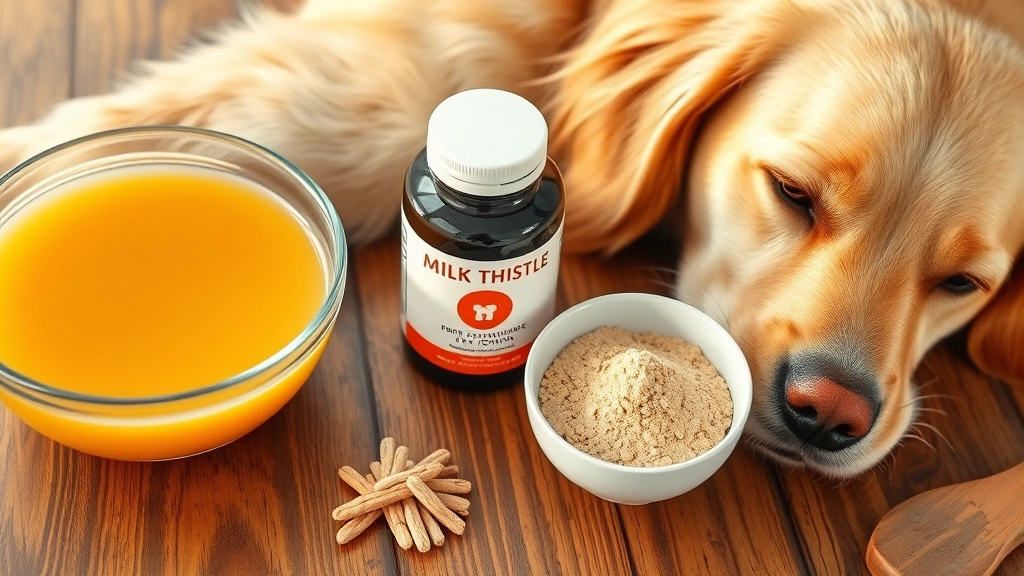
The liver is often the first organ affected by toxin exposure. Milk thistle contains silymarin, a compound that may help protect liver cells and support their regeneration. Many holistic vets recommend it for dogs recovering from toxic ingestion.
This herb works best as a longer-term support during recovery rather than an immediate fix. Your vet can advise on whether milk thistle is appropriate for your dog’s specific situation and recovery timeline.
4. Slippery Elm: Soothing the Digestive Tract
Slippery elm bark creates a protective coating along your dog’s digestive tract, reducing irritation and inflammation caused by toxin exposure. Dogs experiencing nausea, vomiting, or diarrhea often respond well to this gentle remedy.
Mix slippery elm powder with a small amount of water to create a paste, then add it to your dog’s food or offer it directly. The mucilage in slippery elm is soothing without being harsh, making it ideal for sensitive post-toxicity digestive systems.
5. Probiotics: Restoring Healthy Gut Balance
Toxin exposure and the treatments that follow can disrupt your dog’s beneficial gut bacteria. Probiotics help restore this crucial balance, supporting digestion and immune function during recovery.
Look for pet-specific probiotic formulas rather than human supplements. These contain strains that are beneficial for dogs and come in appropriate dosages. A healthy microbiome helps your dog’s body process and eliminate remaining toxins more effectively.
6. Pumpkin: Nature’s Digestive Regulator
Plain pumpkin (not pie filling) is rich in fiber and has been shown to help regulate digestion in dogs recovering from toxin exposure. It can help firm up loose stools or ease constipation, both common after toxic ingestion.
A tablespoon or two mixed into your dog’s regular food can make a real difference in their comfort level. This simple, whole-food remedy is gentle enough for sensitive systems yet effective enough to support healthy digestion.
7. Coconut Oil: Anti-Inflammatory Support
Coconut oil contains lauric acid and other compounds with anti-inflammatory properties. A small amount mixed into food may help reduce inflammation throughout your dog’s digestive system during recovery.
Start with tiny amounts—a teaspoon for small dogs, up to a tablespoon for larger breeds—to avoid digestive upset. The key is gradual introduction and moderation, especially when your dog’s system is already compromised.
What to Do Now: Your Action Plan
- Contact your vet immediately: Even if your dog seems fine, toxin exposure requires professional evaluation. Immediate vet consultation can prevent serious complications. If you are unsure whether your pet needs urgent care, a quick telehealth check-in can give you peace of mind—no appointment needed.
- Identify the toxin: Write down exactly what your dog ate, when, and how much (if possible). This information helps your vet determine the best treatment approach and whether natural remedies are appropriate.
- Monitor closely: Watch for signs like vomiting, diarrhea, lethargy, or unusual behavior. Document any changes to share with your vet during follow-up consultations.
- Start supportive care: Once your vet gives the green light, introduce one natural remedy at a time to see how your dog responds. This prevents overwhelming their system and helps you identify what helps most.
- Follow the recovery timeline: Different toxins require different recovery periods. Ask your vet for a specific timeline and what to expect, so you can track progress accurately.
Important Safety Considerations for Natural Remedies
While natural remedies are gentler than many pharmaceuticals, they’re not without risks. Some supplements can interact with medications your vet may prescribe, so always disclose everything you’re giving your dog.
Quality matters tremendously. Choose products specifically formulated for pets from reputable manufacturers. Human-grade supplements may contain additives or dosages inappropriate for dogs.
Never delay professional veterinary care in hopes that natural remedies alone will solve the problem. The best approach combines professional diagnosis and treatment with supportive natural remedies. Learn more about dog toxicity causes to help prevent future incidents.

When Natural Remedies Aren’t Enough
Some toxins require immediate medical intervention—activated charcoal alone won’t help. Severe cases may need IV fluids, medications, or hospitalization. Your vet will determine what your dog actually needs based on the specific toxin and your dog’s condition.
Natural remedies shine during recovery, not emergency response. They’re your supporting cast, not the main actor. Think of them as comfort measures that help your dog feel better while their body heals under professional supervision.
If your dog shows signs of organ damage—like dog liver disease symptoms or persistent vomiting—aggressive veterinary treatment takes priority. Long-term natural support can follow once the acute crisis is managed.
Frequently Asked Questions
Can natural remedies replace veterinary treatment for dog toxicity?
No. Natural remedies support recovery but cannot replace professional diagnosis and treatment. Always consult your vet first, as some toxins require specific medical interventions that only a veterinarian can provide.
How quickly do natural remedies work for toxin exposure?
Most natural remedies work best for ongoing support rather than immediate emergency response. Activated charcoal works fastest (within 1-2 hours), while others like milk thistle provide benefit over days or weeks of recovery.
Are all natural remedies safe for every dog?
No. Some dogs have sensitivities or medical conditions that make certain remedies inappropriate. Always get your vet’s approval before starting any supplement, especially if your dog is on medications.
What’s the most important thing to do if my dog is poisoned?
Call your vet or pet poison control immediately. The first few hours are critical, and professional guidance on whether to induce vomiting or use activated charcoal can be lifesaving.
Can I use human supplements for my dog?
Not safely. Human supplements often contain additives, different dosages, or ingredients harmful to dogs. Always use products specifically formulated for pets under veterinary guidance.
Summary: Supporting Your Dog’s Recovery Journey
Dog toxicity natural remedies can play a meaningful role in your pet’s recovery when used alongside professional veterinary care. From activated charcoal’s immediate toxin-binding action to milk thistle’s liver support, these seven solutions offer gentle, evidence-based options for supporting your dog’s healing.
The most important thing you can do right now is contact your veterinarian. Whether you choose to explore dog toxicity home treatment options or need immediate professional intervention, professional guidance keeps your dog safe.
Your dog is lucky to have a pet parent who cares enough to research recovery options. That level of attention and care—combined with professional veterinary support—gives your pup the best chance at a full, healthy recovery.
This article is for general education and is not a substitute for care from your own veterinarian. Learn about The Pet Vet and our editorial policy.