
Noticing your dog’s eye infection early signs can make all the difference in preventing serious complications and getting your furry friend relief fast. If you’ve caught yourself staring at your pup’s eyes wondering whether that redness or discharge is something to worry about, you’re not alone—and your instinct to investigate is exactly right.
Table of Contents
- Why Early Detection Matters for Your Dog’s Eyes
- Sign #1: Excessive Tearing and Watery Discharge
- Sign #2: Thick, Colored Discharge or Crusting
- Sign #3: Redness and Swelling of the Eye or Eyelid
- Sign #4: Squinting or Keeping the Eye Closed
- Sign #5: Pawing, Rubbing, or Scratching at the Eye
- Sign #6: Cloudiness or Changes in Eye Appearance
- Sign #7: Light Sensitivity and Behavioral Changes
- Common Causes of Eye Infections in Dogs
- What You Should Do Right Now
- When to Seek Urgent Care
- Prevention Tips for Healthy Dog Eyes
- The Role of Breed and Age in Eye Health
- Frequently Asked Questions
- Summary: Taking Action on Dog Eye Infection Early Signs
This article is for informational purposes only and is not a substitute for professional veterinary advice. Always consult a licensed veterinarian for diagnosis and treatment.
Eye problems in dogs can escalate quickly, but the good news is that catching them early puts you in a great position to help. Let’s walk through what you need to know to spot trouble before it becomes serious.
Why Early Detection Matters for Your Dog’s Eyes
Your dog’s eyes are delicate, and infections can progress rapidly if left untreated. What starts as mild irritation can develop into more severe conditions affecting vision and comfort. Early recognition means faster intervention and better outcomes.
Dogs can’t tell us when their eyes hurt, so we need to be their advocates. By learning the warning signs, you’re taking an active role in protecting one of their most important senses.
Sign #1: Excessive Tearing and Watery Discharge
One of the first dog eye infection early signs is unusual tearing or a watery discharge from the eye. You might notice your dog’s face looks wet around the eyes, or there’s a clear liquid pooling in the corner.
This discharge could indicate irritation, an infection beginning to develop, or even a blocked tear duct. While some tearing is normal, excessive amounts warrant attention. Catching this early puts you in a great position to prevent further complications.
Sign #2: Thick, Colored Discharge or Crusting
If you’re seeing yellowish, greenish, or thick mucus-like discharge around your dog’s eye, this is a more serious warning sign. This type of discharge often suggests a bacterial or viral infection may be developing.
You might also notice crusty buildup in the corner of the eye or along the eyelid, especially after sleep. Gently wiping away discharge with a clean, damp cloth can help you assess what you’re seeing more clearly.
Sign #3: Redness and Swelling of the Eye or Eyelid
Inflammation is your body’s (and your dog’s) way of fighting infection. If the white part of your dog’s eye appears pink or red, or if the eyelid looks puffy or swollen, this could indicate an active infection or significant irritation.
Redness around the eye area might also extend to the skin surrounding the eye. This visible inflammation is your cue to get professional guidance soon. Your vet can determine what’s causing it and recommend the right approach.
Sign #4: Squinting or Keeping the Eye Closed
Dogs often squint or hold their eyes partially closed when experiencing discomfort. If your dog is keeping one eye shut more than usual or squinting frequently, they’re likely experiencing pain or irritation.
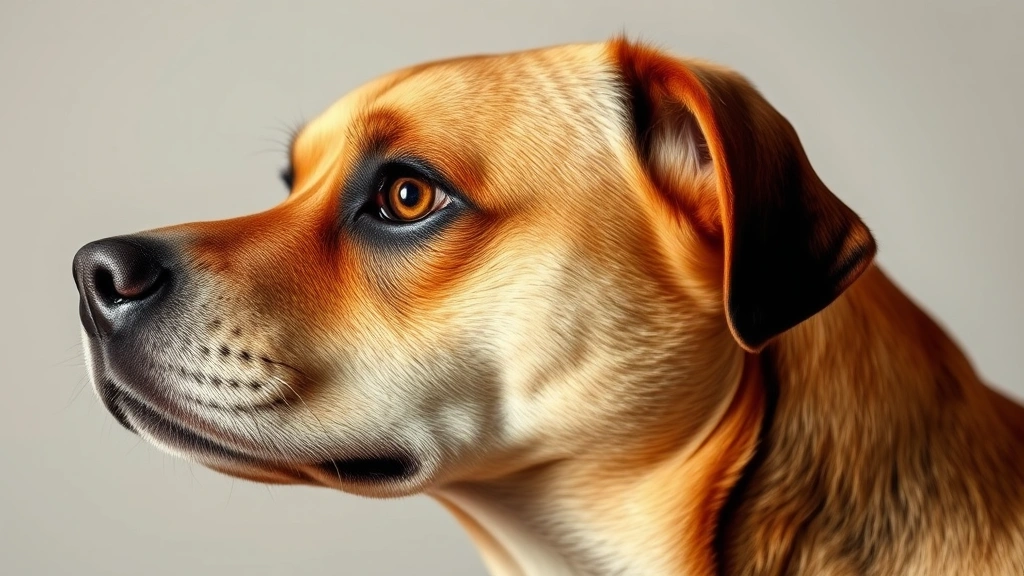
This behavior is sometimes called blepharospasm, and it’s a protective response. Your pup is trying to shield their eye from further irritation. Catching this sign early means addressing the underlying problem before it worsens.
Sign #5: Pawing, Rubbing, or Scratching at the Eye
When dogs feel itchy or uncomfortable, they instinctively paw at their eyes—but this can make infections worse. If you notice your dog frequently rubbing their face on the ground, scratching at their eye with their paw, or rubbing against furniture, something is bothering them.
Excessive rubbing can damage the delicate eye surface and introduce more bacteria. Try to gently discourage this behavior and get a vet evaluation. The sooner you address the underlying cause, the sooner the scratching stops.
Sign #6: Cloudiness or Changes in Eye Appearance
A healthy dog eye should be clear and bright. If you notice cloudiness, a hazy film, or any change in the eye’s transparency, this could signal infection, inflammation, or other serious conditions.
Sometimes the pupil might appear different in size or the eye might look dull. These visual changes are important clues that something needs professional evaluation. Don’t wait on this one—cloudiness can indicate conditions that need prompt attention.
Sign #7: Light Sensitivity and Behavioral Changes
Dogs with eye infections often become light-sensitive, a condition called photophobia. You might notice your dog avoiding bright areas, squinting in sunlight, or seeming more withdrawn than usual.
Behavioral changes like increased irritability, reluctance to play, or hiding more than normal can also accompany eye discomfort. Pain changes how dogs act, so personality shifts paired with any eye symptoms deserve attention.
Common Causes of Eye Infections in Dogs
Understanding what causes eye infections can help you prevent them. Bacterial infections are common, as are viral infections and fungal conditions. Allergies, foreign objects, dry eye syndrome, and even trauma can all lead to infection.
Some breeds with flatter faces or prominent eyes are more prone to eye issues. Environmental factors like dust, smoke, or chlorine can irritate eyes and create conditions where infections develop. Knowing your dog’s risk factors helps you stay vigilant.
What You Should Do Right Now
- Assess your dog’s symptoms: Take a moment to observe which signs your dog is showing. Note when you first noticed them and whether they’re getting worse.
- Keep the area clean: Gently wipe away any discharge with a clean, damp cloth. Avoid touching the eye itself unless necessary.
- Prevent further irritation: Keep your dog from rubbing or scratching the eye. You might consider a soft cone collar if they’re being rough with it.
- Schedule a veterinary evaluation: Contact your regular vet or ask a dog vet online for guidance. If you are unsure whether your pet needs urgent care, a quick telehealth check-in can give you peace of mind—no appointment needed.
- Gather information: Note any recent changes in your dog’s environment, diet, or activities that might have triggered the issue.
When to Seek Urgent Care
Some eye situations need immediate attention. If your dog’s eye appears severely swollen, they’re in obvious pain, or you suspect a foreign object is lodged in the eye, contact an emergency vet right away.
Sudden vision changes, discharge so heavy the eye won’t open, or any sign of trauma also warrant urgent evaluation. Don’t delay on these—eye complications can escalate quickly. Getting instant vet advice online can help you determine if your situation is urgent.
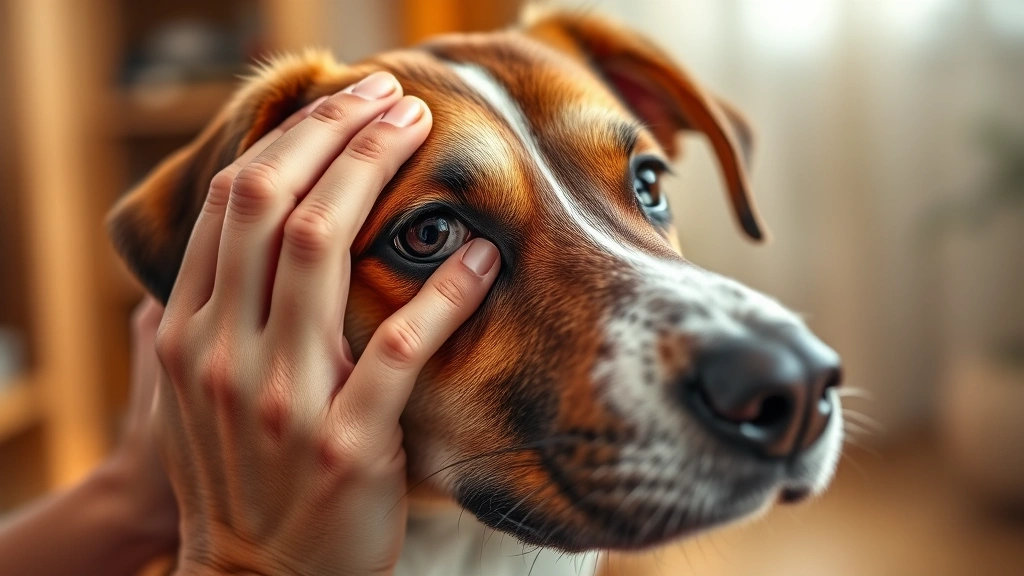
Prevention Tips for Healthy Dog Eyes
While you can’t prevent every infection, several habits reduce risk:
- Keep your dog’s face and eye area clean, especially for breeds with long hair around the eyes
- Trim hair that falls into the eyes to reduce irritation
- Avoid exposing your dog to smoke, strong chemicals, or excessive dust
- Protect eyes during swimming or bathing
- Schedule regular wellness exams where vets check eye health
- Address allergies promptly, as they often lead to eye problems
- Use protective eyewear during outdoor activities if your dog is prone to eye issues
The Role of Breed and Age in Eye Health
Certain breeds are genetically predisposed to eye infections. Bulldogs, Pugs, and other brachycephalic breeds often struggle with eye issues due to their facial structure. Cocker Spaniels and other breeds with droopy eyelids also face higher risk.
Puppies and senior dogs may be more vulnerable too. Puppies are exploring the world and getting into things, while older dogs’ immune systems work less efficiently. Knowing your dog’s risk profile helps you stay extra alert.
Frequently Asked Questions
How long does a dog eye infection typically last?
With proper treatment from a veterinarian, most dog eye infections improve within 7-14 days. However, the timeline depends on the cause and severity—some infections clear faster, while others need extended care.
Can I use human eye drops on my dog?
No, human eye drops are not safe for dogs and can cause harm. Always use products specifically formulated for dogs, and only under veterinary guidance.
Is my dog’s eye infection contagious to other pets?
Some eye infections can spread between animals, especially bacterial infections. Keep your infected dog separated from other pets until a vet confirms it’s safe.
What’s the difference between a minor irritation and an infection?
Irritation usually causes mild redness and tearing, while infections typically involve discharge, more significant swelling, and behavioral changes. A vet can determine which you’re dealing with.
Should I be worried if my dog’s eye infection doesn’t improve in a week?
If symptoms aren’t improving after a week of treatment, contact your vet. Some infections need different approaches or stronger intervention than initially prescribed.
Summary: Taking Action on Dog Eye Infection Early Signs
Spotting dog eye infection early signs gives your pup the best chance for a quick recovery. Watch for discharge, redness, swelling, squinting, pawing, cloudiness, and light sensitivity. These seven critical symptoms are your early warning system.
Remember, your dog depends on you to notice when something’s wrong. If you see any of these signs, don’t hesitate to reach out to a veterinarian. Whether you call your regular vet or schedule a pet telehealth consultation, getting professional eyes on the situation brings you peace of mind and gets your dog relief.
Eye health is vision health, and vision is precious. By staying alert and acting quickly, you’re protecting one of your dog’s most important senses and ensuring they stay comfortable and happy.
This article is for general education and is not a substitute for care from your own veterinarian. Learn about The Pet Vet and our editorial policy.