
Discovering that your beloved dog has an eye infection can be worrying, especially when you start wondering about dog eye infection life expectancy and what this means for your pet’s future. The good news? Most eye infections in dogs are highly treatable, and catching them early gives your pup an excellent chance at a full recovery without any long-term impact on their lifespan.
Table of Contents
- Understanding Dog Eye Infections and Their Impact
- Common Signs Your Dog May Be Experiencing an Eye Infection
- How Eye Infections Develop in Dogs
- Treatment Options and Recovery Timeline
- Why Early Detection Matters for Long-Term Health
- Complications to Watch For
- Preventing Future Eye Infections
- When to Seek Immediate Veterinary Care
- Life Expectancy: The Bottom Line
- Frequently Asked Questions
- What To Do Now
- Summary
This article is for informational purposes only and is not a substitute for professional veterinary advice. Always consult a licensed veterinarian for diagnosis and treatment.
Eye infections are one of the most common health concerns veterinarians see in their canine patients. Whether your dog is dealing with bacterial conjunctivitis, fungal infections, or viral issues, understanding what you’re facing helps you take action quickly. Most dogs bounce back beautifully when treated promptly, and their life expectancy remains completely unaffected.
Understanding Dog Eye Infections and Their Impact
A dog eye infection occurs when bacteria, viruses, fungi, or parasites invade the eye or surrounding tissues. These infections can affect the conjunctiva (the pink membrane covering the white of the eye), the cornea, or the eyelids themselves. While they’re uncomfortable for your pup, they rarely shorten a dog’s lifespan when caught and treated appropriately.
The severity of an eye infection depends on several factors: the type of pathogen involved, how quickly you seek treatment, your dog’s overall health, and whether any underlying conditions are present. A simple bacterial infection might resolve in days with proper medication, while more complex cases may take weeks.
Common Signs Your Dog May Be Experiencing an Eye Infection
Recognizing the early warning signs of a dog eye infection puts you in a great position to help your furry friend. Watch for these telltale symptoms:
- Excessive tearing or discharge (clear, yellow, or greenish)
- Redness or swelling around the eye or eyelid
- Squinting or keeping the eye partially closed
- Pawing or rubbing at the eye frequently
- Light sensitivity (avoiding bright areas)
- Cloudiness or haziness in the eye
- Crusty buildup around the eyelids
- Behavioral changes like irritability or withdrawn behavior
If you notice any combination of these signs, don’t panic—early intervention is your best friend here. Many infections respond beautifully to prompt treatment.
How Eye Infections Develop in Dogs
Understanding what causes eye infections helps you prevent them in the future. Dogs can develop eye infections through direct contact with contaminated surfaces, other animals, or environmental irritants. Swimming in dirty water, playing in dusty environments, or having debris in the eye can all trigger infections.
Some dogs are more prone to eye issues due to their breed characteristics. Breeds with flat faces (like Bulldogs or Pugs) or those with hair falling over their eyes (like Shih Tzus) face higher risks. Additionally, dogs with compromised immune systems, diabetes, or allergies may be more susceptible to infections.
Trauma to the eye—even minor scratches from playing—can create an entry point for bacteria. This is why monitoring your dog’s playtime and checking their eyes regularly matters.
Treatment Options and Recovery Timeline
The treatment your vet recommends depends entirely on the infection type. Bacterial infections typically respond to antibiotic eye drops or ointments, often showing improvement within 3-7 days. Viral infections may require supportive care and time, as antibiotics won’t help, but your dog’s immune system usually clears them within 1-3 weeks.
Fungal infections are less common but may require antifungal medications and longer treatment periods. Parasitic infections need specific antiparasitic treatments. Your veterinarian will determine the exact cause through examination and possibly cultures or staining tests.
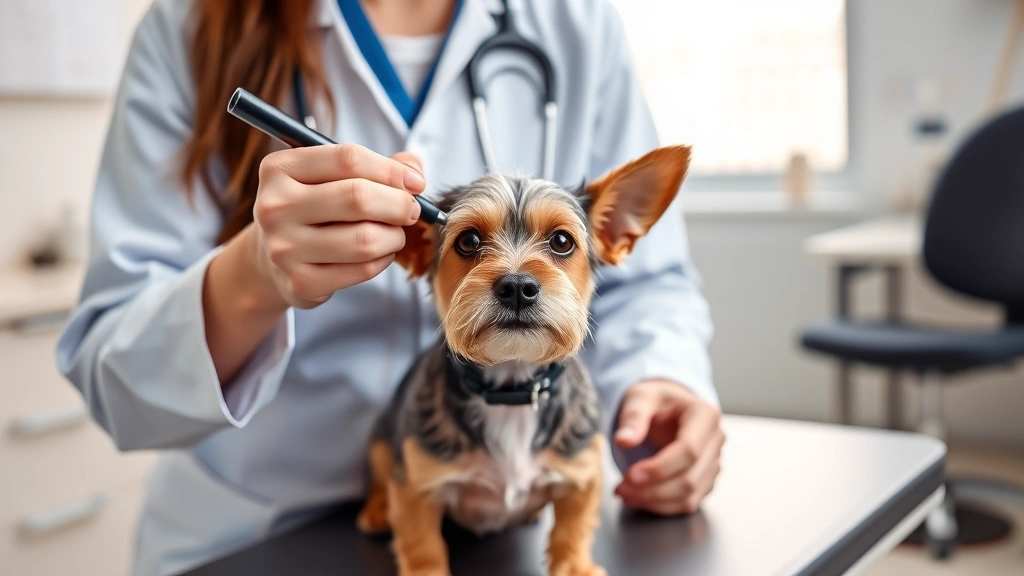
Most dogs show noticeable improvement within the first week of appropriate treatment. Complete healing typically occurs within 2-4 weeks, depending on severity. The key is consistency—using medications exactly as prescribed, even when your dog seems better.
Why Early Detection Matters for Long-Term Health
Catching a dog eye infection early prevents complications that could affect your pet’s vision or quality of life. Untreated infections can spread deeper into the eye, potentially damaging the cornea or leading to more serious conditions. Some severe cases, if left untreated for extended periods, could theoretically impact vision permanently.
However, when you catch and treat infections promptly, the prognosis is excellent. Your dog’s eye function returns to normal, and there’s typically no lasting damage. This is why your dog’s life expectancy remains completely unaffected by a treated eye infection.
Regular eye checks during your dog’s routine vet visits help catch problems early. If you notice anything unusual between visits, don’t wait—contact your vet or reach out for online vet help to get peace of mind quickly.
Complications to Watch For
While most eye infections resolve without complications, knowing what to watch for helps you stay vigilant. Corneal ulcers can develop if infections damage the eye’s surface, causing pain and potential vision changes. These require urgent attention but respond well to treatment when caught early.
Secondary infections can occur if your dog scratches the infected eye too much. This is why preventing your pup from rubbing their eyes is important—your vet might recommend an Elizabethan collar temporarily. Chronic infections that recur repeatedly might indicate an underlying issue like allergies or immune problems that need separate attention.
If your dog seems to be getting worse despite treatment, or if new symptoms develop, contact your veterinarian immediately. If you’re unsure whether your pet needs urgent care, a quick telehealth check-in can give you peace of mind—no appointment needed.
Preventing Future Eye Infections
Prevention is always easier than treatment. Here are practical steps to keep your dog’s eyes healthy:
- Keep the eye area clean—gently wipe away any discharge with a clean, damp cloth daily
- Trim hair around the eyes if your dog has longer fur that falls over their face
- Avoid exposing your dog to dirty water—rinse their eyes with clean water after swimming
- Protect eyes during playtime—supervise interactions with other dogs and rough play
- Schedule regular vet checkups—early detection catches problems before they worsen
- Address allergies promptly—allergic reactions can lead to eye infections
- Use protective eyewear if your dog is prone to eye issues and spends time in dusty or windy environments
These simple steps significantly reduce your dog’s risk of developing eye infections in the future.
When to Seek Immediate Veterinary Care
Most eye infections can wait for a regular vet appointment, but some situations need urgent attention. Seek immediate care if your dog has severe pain, sudden vision loss, discharge that’s thick and purulent, swelling that’s rapidly worsening, or any sign of trauma to the eye.
If your dog has a history of eye problems or if you’re simply uncertain about severity, emergency vet consultation online can help you determine next steps quickly. There’s no judgment in asking—it’s better to check and feel reassured than to worry at home.
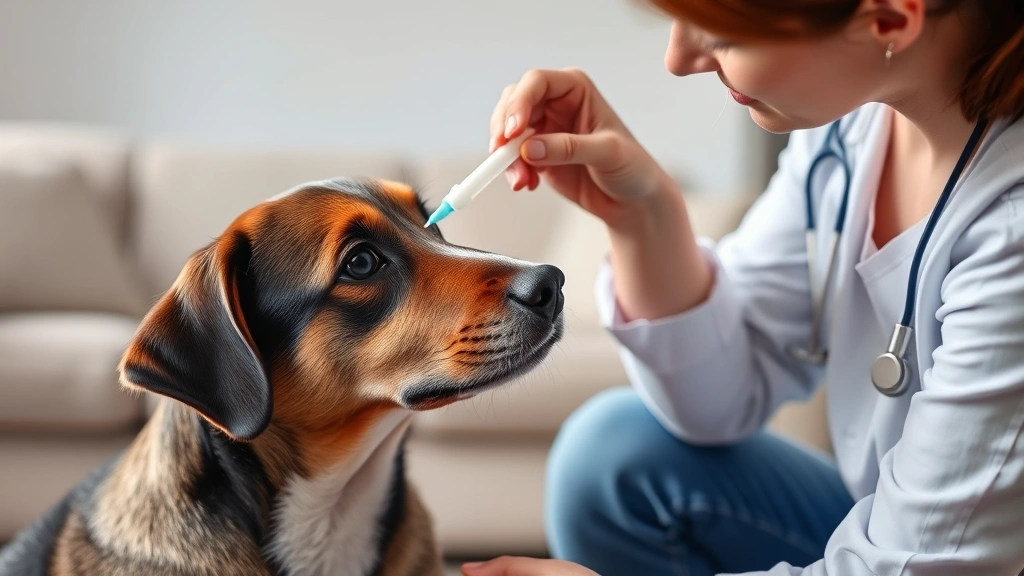
Life Expectancy: The Bottom Line
Here’s what matters most: a dog eye infection does not shorten your dog’s lifespan. With proper treatment, your pup will recover fully and enjoy the same healthy life they would have without ever experiencing an infection. Dogs treated for eye infections go on to live their normal, full lifespans with no lasting effects.
Your dog’s life expectancy is determined by genetics, overall health, nutrition, exercise, and preventive care—not by a treatable infection. The fact that you’re seeking information and taking your dog’s health seriously puts your furry friend in excellent hands.
Frequently Asked Questions
Can a dog eye infection cause blindness?
Untreated severe infections could potentially damage vision permanently, but treated infections almost never lead to blindness. Early intervention prevents this outcome entirely.
How long does it take for a dog eye infection to go away?
Most eye infections show improvement within 3-7 days of treatment and resolve completely within 2-4 weeks, depending on the type and severity.
Is a dog eye infection contagious to other dogs?
Some bacterial and viral eye infections can spread between dogs through direct contact, so it’s wise to keep an infected dog separate from other pets during treatment.
Can I treat my dog’s eye infection at home?
Home care like gentle cleaning can support treatment, but you need a veterinary diagnosis and prescribed medication to actually treat the infection effectively.
Will my dog’s eye infection come back?
If the underlying cause is treated and prevented (like allergies or environmental irritants), recurrence is unlikely. Addressing root causes prevents future infections.
What To Do Now
- Schedule a vet appointment today—if your dog shows any signs of eye infection, contact your veterinarian or use telehealth to talk to a vet about your concerns
- Document symptoms—note when the infection started, what discharge looks like, and any triggers you’ve noticed to share with your vet
- Prevent further irritation—gently clean any discharge with a clean cloth and discourage your dog from rubbing their eyes
- Follow treatment instructions precisely—use all prescribed medications exactly as directed, even if your dog improves quickly
- Schedule a follow-up exam—your vet will want to confirm the infection is completely cleared before stopping treatment
Summary
A dog eye infection is a treatable condition that doesn’t affect your pet’s life expectancy. Most infections respond beautifully to prompt veterinary care, with dogs recovering fully within weeks. By recognizing early signs, seeking prompt treatment, and taking preventive steps, you’re giving your dog the best chance at healthy, comfortable eyes for years to come.
Your vigilance and care matter tremendously. The fact that you’re learning about this topic shows you’re a devoted pet parent committed to your dog’s wellbeing. Trust in modern veterinary medicine—eye infections are among the most successfully treated canine health issues.
This article is for general education and is not a substitute for care from your own veterinarian. Learn about The Pet Vet and our editorial policy.