
When your cat needs antibiotics, understanding cat antibiotic dosage is one of the most important things you can do to support their recovery and keep them safe. If your vet has prescribed antibiotics for your feline friend, you probably have questions about how much they’re getting, how often, and whether it’s the right amount for their size and condition.
Table of Contents
- Why Proper Cat Antibiotic Dosage Matters
- How Vets Determine the Right Dose for Your Cat
- Common Antibiotic Types and How They’re Given
- Understanding Your Prescription Label
- How to Safely Administer Antibiotics at Home
- Signs Your Cat May Have an Infection Requiring Antibiotics
- Potential Side Effects and What to Watch For
- Antibiotic Resistance and Why Dosage Matters
- When to Call Your Vet About Dosage Concerns
- Supporting Your Cat’s Recovery Beyond Antibiotics
- Frequently Asked Questions
- What To Do Now
- Summary
This article is for informational purposes only and is not a substitute for professional veterinary advice. Always consult a licensed veterinarian for diagnosis and treatment.
The truth is, getting the dosage right matters—a lot. Too little and the infection won’t clear. Too much and you risk side effects. But here’s the good news: your vet has already done the math for you. Let’s walk through what you need to know to feel confident about your cat’s antibiotic treatment.
Why Proper Cat Antibiotic Dosage Matters
Your cat’s body is different from yours, and it’s definitely different from a dog’s. Cats metabolize medications differently, which is why dosing isn’t one-size-fits-all. A dose that’s perfect for a 10-pound cat could be dangerous for a 4-pound kitten—or ineffective for a 15-pound Maine Coon.
When your vet prescribes antibiotics, they’re calculating the dose based on your cat’s weight, age, kidney and liver function, and the specific infection being treated. This personalized approach is what keeps antibiotics both effective and safe.
Getting the dosage right also helps prevent antibiotic resistance, a growing concern in veterinary medicine. When doses are too low, bacteria can survive and develop resistance, making future infections harder to treat.
How Vets Determine the Right Dose for Your Cat
Your veterinarian uses a formula based on your cat’s weight in kilograms. Most antibiotics are dosed in milligrams per kilogram of body weight (mg/kg). This ensures your cat gets enough medication to fight the infection without overdosing.
Beyond weight, your vet also considers:
- The type of infection: Skin infections, urinary tract infections, and respiratory infections may require different dosing strategies.
- The specific antibiotic: Different drugs have different potencies and absorption rates.
- Your cat’s age: Kittens and senior cats may need adjusted doses.
- Kidney and liver health: These organs process medications, so any compromise affects dosing.
- Other medications: Some drugs interact with antibiotics and require dosage adjustments.
If your cat has underlying health conditions, your vet may run blood work before prescribing antibiotics to ensure the dose will be safe.
Common Antibiotic Types and How They’re Given
Cats receive antibiotics in several forms, and the delivery method affects how the dose is calculated and administered.
Oral antibiotics (tablets or liquids) are the most common. These are given by mouth and absorbed through the digestive system. Liquid formulations are often easier for cats since many are resistant to swallowing pills.
Injectable antibiotics are given under the skin or into the muscle. These bypass the digestive system entirely, which can be helpful if your cat has vomiting, diarrhea, or acid reflux.
Topical antibiotics are applied directly to the skin for localized infections. These are often used alongside oral medications for conditions like pet wound infections.
Understanding Your Prescription Label
When you pick up your cat’s antibiotics, the label tells you everything you need to know about dosing. Let’s decode it together.
The label will show the dose (e.g., “250 mg”), the frequency (e.g., “twice daily”), and the duration (e.g., “10 days”). It might also include special instructions like “give with food” or “shake well before use.”
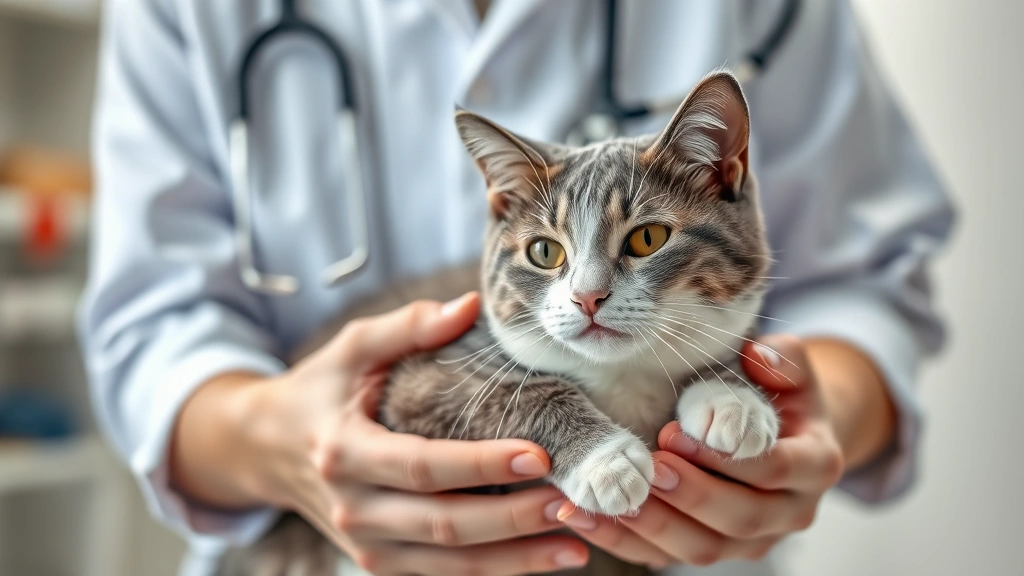
If anything on the label seems unclear or doesn’t match what your vet discussed, ask before you leave the clinic. Don’t guess—a quick question now prevents mistakes at home.
How to Safely Administer Antibiotics at Home
Once you’re home, your job is to give the medication exactly as prescribed. This sounds simple, but consistency is crucial for the antibiotic to work.
Set reminders: Use your phone to alert you at the same times each day. Consistency helps maintain steady antibiotic levels in your cat’s bloodstream.
Use a pill dispenser or syringe: For liquid antibiotics, use the syringe provided by your pharmacy—never use a kitchen spoon, which varies in size.
Give the full course: Even if your cat seems better after a few days, finish all the antibiotics. Stopping early allows bacteria to bounce back stronger.
Watch for side effects: Most cats tolerate antibiotics well, but some experience mild nausea or diarrhea. If side effects are severe or your cat refuses to eat, contact your vet immediately.
Store correctly: Keep antibiotics at room temperature unless the label says otherwise. Some liquid antibiotics need refrigeration—check the label.
Signs Your Cat May Have an Infection Requiring Antibiotics
Infections can develop from abscesses, bite wounds, dental disease, or urinary tract problems. Catching an infection early puts you in a great position to help your cat recover quickly.
Watch for these warning signs:
- Lethargy or unusual tiredness
- Loss of appetite or refusing favorite foods
- Discharge from eyes, nose, or ears
- Limping or favoring a paw
- Swelling, redness, or warmth around a wound
- Fever (normal cat temperature is 100-102.5°F)
- Frequent urination or straining in the litter box
- Bad breath or drooling (possible gum disease in cats)
If you notice any of these signs, schedule a vet visit. If you’re unsure whether your pet needs urgent care, a quick telehealth check-in can give you peace of mind—no appointment needed.
Potential Side Effects and What to Watch For
Most cats handle antibiotics without problems, but like all medications, they can cause side effects. Being aware helps you catch issues early.
Mild side effects include upset stomach, mild diarrhea, or decreased appetite. These often improve as your cat’s body adjusts.
More serious side effects are rare but include severe vomiting, inability to keep food down, or allergic reactions (swelling of the face, difficulty breathing, or hives). If you see these, contact your vet or emergency clinic immediately.
Some cats are allergic to certain antibiotics, particularly penicillin-based drugs. Always tell your vet if your cat has had reactions to medications in the past.
Antibiotic Resistance and Why Dosage Matters
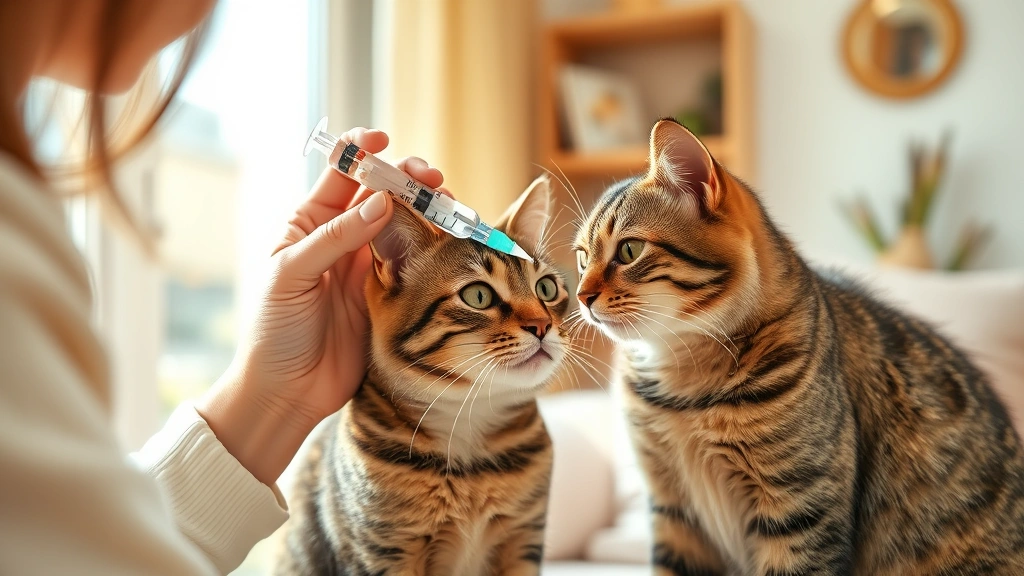
Antibiotic resistance happens when bacteria evolve to survive medication. Incorrect dosing—especially underdosing—speeds up this process. This is a major public health and animal health concern.
When you give your cat the full dose for the complete duration, you’re not just helping your cat—you’re helping protect all animals and people from resistant infections. It’s one of the most important ways pet owners can contribute to responsible antibiotic use.
When to Call Your Vet About Dosage Concerns
Contact your vet if:
- You’re unsure about how to give the medication
- Your cat is refusing the antibiotic
- You notice severe side effects
- Your cat’s condition isn’t improving after several days
- You accidentally missed a dose and aren’t sure what to do
- Your cat vomits immediately after taking the medication
Don’t adjust the dose on your own, even if you think your cat needs more or less. Your vet has calculated the right amount, and changes should only be made by a professional.
Supporting Your Cat’s Recovery Beyond Antibiotics
Antibiotics do the heavy lifting, but you can support your cat’s healing in other ways. Make sure your cat is eating well, staying hydrated, and resting. Stress can slow recovery, so keep your home calm and predictable.
If your cat had a wound or difficulty swallowing, follow any additional care instructions your vet provided. Some infections require follow-up visits to confirm the infection has cleared.
Keep your cat indoors during treatment to prevent reinfection and to monitor them closely for any changes.
Frequently Asked Questions
What should I do if I miss a dose of my cat’s antibiotic?
If you remember within a few hours, give the missed dose. If it’s almost time for the next dose, skip the missed one and continue the regular schedule. Never double up to make up for a missed dose.
Can I stop antibiotics early if my cat seems better?
No. Always complete the full course even if symptoms improve. Stopping early allows bacteria to survive and become resistant, making future infections harder to treat.
Are there natural alternatives to antibiotics for cats?
Some supplements may support immune health, but they cannot replace antibiotics for bacterial infections. Always follow your vet’s recommendations for treating active infections.
How long does it usually take for antibiotics to work in cats?
Most cats show improvement within 3-5 days, though the full course typically lasts 7-14 days depending on the infection type and antibiotic used.
Can I give my cat a different antibiotic if the first one causes side effects?
Only your vet can prescribe a different antibiotic. Contact them immediately if side effects are severe—they may switch medications or adjust the dose.
What To Do Now
- Review the prescription label with your vet before leaving the clinic. Ask about timing, food requirements, and what to do if you miss a dose.
- Set phone reminders for each dose time to ensure consistency and prevent missed doses.
- Watch your cat closely during the first few days of treatment for any signs of side effects or improvement.
- Complete the full course even if your cat seems better—this is non-negotiable for safety and effectiveness.
- Schedule a follow-up appointment if your vet recommends one to confirm the infection has cleared.
Summary
Understanding cat antibiotic dosage empowers you to be an active partner in your cat’s care. Your vet has calculated the right dose for your cat’s specific situation, taking into account weight, age, health status, and the infection type. Your job is to give it exactly as prescribed, complete the full course, and watch for any concerning changes.
Remember: antibiotics are powerful tools that work best when used responsibly. By following dosing instructions carefully, you’re protecting your cat’s health and contributing to the fight against antibiotic resistance. If you ever have questions or concerns, don’t hesitate to reach out to your vet—they’re your partner in keeping your cat healthy and thriving.