
Discovering that your dog has mast cell tumors in dogs can feel overwhelming, but understanding your treatment options puts you in a position to make informed decisions alongside your veterinarian. Mast cell tumors are among the most common skin cancers in dogs, and the good news is that many dogs live happy, quality lives with proper management.
Table of Contents
- What Are Mast Cell Tumors?
- Early Signs Your Dog Might Have Mast Cell Tumors
- Surgical Removal: The Gold Standard Treatment
- Chemotherapy Options for Advanced Cases
- Radiation Therapy as a Supportive Treatment
- Managing Symptoms and Side Effects
- Nutrition and Lifestyle During Treatment
- Prognosis and Long-Term Outlook
- When to Seek Urgent Care
- Frequently Asked Questions
- What To Do Now
- Summary: Taking Action Against Mast Cell Tumors
This article is for informational purposes only and is not a substitute for professional veterinary advice. Always consult a licensed veterinarian for diagnosis and treatment.
What Are Mast Cell Tumors?
Mast cell tumors develop from mast cells, which are immune cells found throughout your dog’s body. When these cells multiply abnormally, they form tumors—usually on the skin, but sometimes in the liver, spleen, or intestines. Think of mast cells as your dog’s internal alarm system; when they become cancerous, they can trigger unwanted reactions in the body.
These tumors are graded on a scale from 1 to 3, with Grade 1 being the least aggressive and Grade 3 being the most serious. Your vet will perform a biopsy to determine the grade, which directly influences your treatment plan and your dog’s prognosis.
Early Signs Your Dog Might Have Mast Cell Tumors
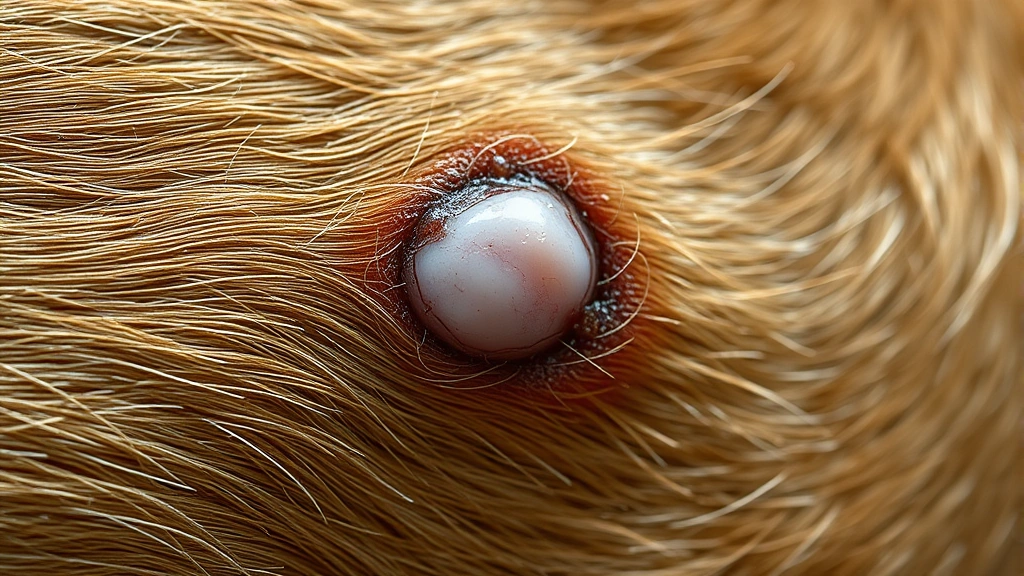
Catching mast cell tumors early gives you the best shot at successful management. Watch for any lumps or bumps on your dog’s skin, especially ones that appear suddenly or change in size.
Common signs include:
- A visible lump or nodule on the skin
- Itching or excessive licking at one spot
- Swelling that comes and goes
- Hair loss in a localized area
- Redness or inflammation around a bump
- Vomiting or diarrhea (if tumors affect the GI tract)
If you notice any of these signs, schedule a vet appointment soon. Catching this early puts you in a great position to help your dog get the care they need.
Surgical Removal: The Gold Standard Treatment
Surgery is often the first-line treatment for mast cell tumors in dogs, especially for Grade 1 and Grade 2 tumors. Your veterinarian will remove the tumor along with a margin of healthy tissue around it to reduce the chance of recurrence.
The success rate depends on several factors, including the tumor grade, location, and how much healthy tissue can be safely removed. Many dogs recover well from surgery and experience no further issues. After surgery, your vet may recommend follow-up care or additional treatments depending on the pathology report.
Chemotherapy Options for Advanced Cases
For higher-grade tumors or cases where surgery alone isn’t enough, chemotherapy may be recommended. Unlike in humans, chemotherapy in dogs is often better tolerated and typically causes fewer side effects.
Common chemotherapy drugs for mast cell tumors include:
- Vinblastine – Often used as a first-line chemotherapy agent
- Lomustine – Another option for managing aggressive tumors
- Tyrosine kinase inhibitors – Newer targeted therapies that may help certain dogs
Your oncologist will discuss the potential benefits and side effects with you. Many dogs maintain their quality of life during treatment, though regular monitoring is essential.
Radiation Therapy as a Supportive Treatment
Radiation therapy may be used alongside surgery or chemotherapy, particularly for tumors in difficult-to-reach locations or when complete surgical removal isn’t possible. This targeted approach delivers high-energy beams directly to the tumor site while minimizing damage to surrounding tissue.
Radiation is typically given over several weeks in multiple sessions. It’s a painless procedure, though your dog will need to be sedated during each treatment. Many veterinary cancer centers now offer this option, making it more accessible than it once was.
Managing Symptoms and Side Effects
Mast cells release histamine and other chemicals that can cause inflammation, itching, and gastrointestinal upset. Managing these symptoms improves your dog’s comfort during treatment.
Your vet may recommend:
- Antihistamines – To reduce itching and allergic reactions
- Corticosteroids – To control inflammation
- Gastroprotectants – If your dog is experiencing digestive issues (learn more about vomiting in dogs for additional support)
- Anti-nausea medication – If chemotherapy causes nausea (see our guide on dog anti-nausea medication for more details)
These supportive treatments help your dog feel better while the primary therapy does its work. Always follow your vet’s dosing recommendations, and report any new symptoms right away.
Nutrition and Lifestyle During Treatment
A balanced diet supports your dog’s immune system and overall health during cancer treatment. Some dogs benefit from anti-inflammatory diets or foods rich in omega-3 fatty acids.
Consider these nutrition tips:
- Feed high-quality, complete dog food as recommended by your vet
- Keep your dog at a healthy weight to reduce stress on the body
- Offer safe human foods for dogs as occasional treats (always check with your vet first)
- Ensure fresh water is always available
- Avoid foods that trigger allergies or sensitivities
Gentle exercise and mental stimulation also matter. Short, low-impact walks and quiet playtime help maintain muscle tone without exhausting your dog. Your vet can advise on activity levels based on your dog’s condition and treatment stage.
Prognosis and Long-Term Outlook
The outlook for dogs with mast cell tumors varies widely depending on the grade and how aggressively the tumor behaves. Grade 1 tumors often have excellent prognoses, with many dogs living years after treatment with no recurrence.
Grade 2 and Grade 3 tumors require more aggressive treatment, but many dogs still respond well to a combination approach. Your veterinary oncologist can give you a more specific prognosis based on your individual dog’s pathology report and overall health.
Regular follow-up appointments and skin checks are crucial. Some dogs develop new tumors over time, so staying vigilant helps catch any changes early.

When to Seek Urgent Care
Certain situations call for immediate veterinary attention. If your dog experiences severe swelling, difficulty breathing, collapse, or signs of anaphylaxis (rapid swelling of the face or throat), seek emergency care right away.
These reactions can happen because mast cells release potent chemicals when stressed or damaged. If you are unsure whether your pet needs urgent care, a quick telehealth check-in with The Pet Vet can give you peace of mind — no appointment needed.
Frequently Asked Questions
Are mast cell tumors in dogs always cancer?
Mast cell tumors are technically cancerous growths, but Grade 1 tumors are often slow-growing and may not spread. Your vet will determine the grade and discuss the specific behavior of your dog’s tumor.
Can mast cell tumors be prevented?
There’s no guaranteed way to prevent mast cell tumors, as they can develop in any dog. Regular skin checks and early detection offer the best advantage.
How long can a dog live with a mast cell tumor?
Many dogs live months to years after diagnosis, especially with early treatment. Grade 1 tumors often have the best prognosis, while Grade 3 requires more aggressive care.
Will my dog lose hair during treatment?
Hair loss is possible with some chemotherapy drugs and radiation, but it’s not guaranteed. Your vet can discuss this side effect based on the specific treatment plan.
Can I treat mast cell tumors without surgery?
Surgery is often the most effective option, but chemotherapy, radiation, or targeted therapies may be used alone or in combination depending on the tumor grade and location.
What To Do Now
If you suspect your dog has a mast cell tumor or have recently received a diagnosis, here are the next steps:
- Schedule a veterinary appointment – If you haven’t already, get a professional evaluation and biopsy to confirm the diagnosis and determine the tumor grade.
- Gather your dog’s medical history – Bring all previous vet records and any photos of the tumor’s development to your appointment.
- Discuss treatment options with your vet – Ask about surgery, chemotherapy, radiation, and supportive care tailored to your dog’s specific situation and your family’s needs.
- Consider a second opinion – For higher-grade tumors, consulting with a veterinary oncologist can provide additional insight and treatment options.
- Plan follow-up care – Establish a schedule for rechecks, skin monitoring, and any ongoing treatment to catch changes early.
Summary: Taking Action Against Mast Cell Tumors
Mast cell tumors in dogs are serious but manageable. Surgery remains the gold standard treatment, especially for early-stage tumors, while chemotherapy, radiation, and supportive care offer additional options for more advanced cases. The key to the best outcome is early detection, accurate grading, and a comprehensive treatment plan tailored to your dog’s needs.
Your veterinarian is your partner in this journey. Don’t hesitate to ask questions, seek second opinions, and explore all available treatment options. With proper care and monitoring, many dogs with mast cell tumors continue to enjoy happy, comfortable lives alongside their families.
Remember: you’re not alone in this. Reach out to your vet, connect with other pet parents facing similar challenges, and take things one step at a time. Your dog is lucky to have an owner who cares enough to learn and act.