
Discovering that your pet’s urine contains bilirubin can feel alarming, but understanding what this means puts you in control of your pet’s health. Pet urine bilirubin is a sign that something in your pet’s body chemistry needs attention—and the good news is that early detection often leads to better outcomes.
Table of Contents
- What Is Bilirubin and Why Does It Matter?
- How Does Bilirubin End Up in Your Pet’s Urine?
- Common Causes of Bilirubin in Pet Urine
- Recognizing Symptoms Beyond Abnormal Urine
- Diagnostic Steps Your Veterinarian Will Take
- Treatment Options Depend on the Underlying Cause
- Managing Bilirubin Issues at Home
- When to Seek Urgent Care
- Long-Term Outlook and Prevention
- Understanding Your Pet’s Lab Results
- Summary: Taking Action for Your Pet’s Health
- Frequently Asked Questions
- What To Do Now
This article is for informational purposes only and is not a substitute for professional veterinary advice. Always consult a licensed veterinarian for diagnosis and treatment.
What Is Bilirubin and Why Does It Matter?
Bilirubin is a yellowish pigment created when your pet’s body breaks down old red blood cells. Normally, the liver processes this bilirubin and excretes it through bile into the digestive system. When bilirubin appears in urine, it signals that something has disrupted this normal process.
Think of it like a warning light on your car’s dashboard. The light itself isn’t the problem—it’s telling you that something under the hood needs checking. Similarly, pet urine bilirubin is your pet’s body sending a signal that warrants veterinary investigation.
How Does Bilirubin End Up in Your Pet’s Urine?
In healthy pets, bilirubin is filtered by the kidneys but reabsorbed back into the bloodstream before it reaches the urine. When bilirubin appears in urine (a condition called bilirubinuria), it usually means one of two things: either there’s too much bilirubin in the bloodstream, or the kidneys aren’t functioning properly.
Several underlying conditions can trigger this, ranging from mild to serious. Understanding the potential causes helps you recognize why your veterinarian may recommend specific tests or monitoring.
Common Causes of Bilirubin in Pet Urine
Bilirubin in urine typically stems from liver disease, hemolytic anemia, or biliary obstruction. Let’s break down each category:
Liver-Related Causes
The liver is your pet’s detoxification powerhouse. When liver function declines—whether from disease, infection, or toxin exposure—bilirubin can accumulate in the blood and spill into the urine. Conditions like hepatitis, cirrhosis, or fatty liver disease may be experiencing this issue.
Older pets and certain breeds are more susceptible to liver problems. Cats, in particular, can develop hepatic lipidosis (fatty liver) when they stop eating, making regular monitoring crucial for senior felines.
Hemolytic Anemia
When red blood cells break down faster than normal—a process called hemolysis—the body produces excess bilirubin. This could be a sign of anemia in cats, autoimmune hemolytic anemia, or parasitic infections like babesiosis.
Hemolytic anemia is serious and catching it early puts you in a great position to help your pet recover. Your veterinarian can run specific blood tests to confirm this diagnosis.
Biliary Obstruction
Sometimes the bile ducts become blocked by gallstones, tumors, or inflammation. This prevents bilirubin from flowing into the intestines, causing it to back up into the bloodstream and eventually the urine.
Biliary obstruction is painful and requires prompt veterinary attention. If your pet shows signs of abdominal discomfort along with dark urine or yellowing of the eyes and gums, contact your vet immediately.

Recognizing Symptoms Beyond Abnormal Urine
Bilirubin in urine rarely appears alone. Pet owners often notice other signs that prompt them to seek veterinary care:
- Yellowing of the skin, gums, and whites of the eyes (jaundice) — This is the most visible sign of elevated bilirubin.
- Dark or tea-colored urine — Often the first clue that something is off.
- Pale gums — May indicate anemia or blood loss.
- Lethargy and loss of appetite — Common with liver disease and hemolytic conditions.
- Vomiting or diarrhea — Can accompany various liver and biliary issues.
- Abdominal pain or swelling — Suggests inflammation or obstruction.
If you notice any combination of these symptoms, don’t wait. Early intervention can make a significant difference in your pet’s recovery.
Diagnostic Steps Your Veterinarian Will Take
Your vet will start with a urinalysis to confirm the presence of bilirubin, then move on to more detailed testing. A complete blood count (CBC) helps identify anemia or infection. Blood chemistry panels reveal liver function and bilirubin levels in the bloodstream.
Ultrasound imaging is often the next step, allowing your vet to visualize the liver, bile ducts, and gallbladder. In some cases, additional testing like abdominal X-rays or specialized liver function tests may be recommended.
This multi-layered approach ensures your veterinarian identifies the root cause rather than just treating the symptom. Catching conditions like swollen lymph nodes in dogs or other systemic issues early makes treatment far more effective.
Treatment Options Depend on the Underlying Cause
Once your veterinarian identifies what’s causing the bilirubin in your pet’s urine, treatment becomes targeted and specific. Liver disease may require dietary changes, supplements, and monitoring. Hemolytic anemia might involve immunosuppressive therapy or treatment for the underlying cause.
Biliary obstruction sometimes requires surgical intervention, while infections may respond to antibiotics or antifungal medications. Your vet will discuss the best approach for your pet’s specific situation.
Supporting your pet’s nutrition during recovery is equally important. Discuss dietary adjustments with your vet, and consider resources like feeding for immune support to help your pet bounce back stronger.
Managing Bilirubin Issues at Home
While professional veterinary care is essential, there’s plenty you can do at home to support your pet’s recovery:
- Follow medication schedules precisely — Even if your pet seems better, completing the full course is critical.
- Monitor urine color and appetite daily — Keep notes to share with your vet at follow-up visits.
- Provide fresh water at all times — Hydration supports kidney and liver function.
- Stick to the prescribed diet — Your vet may recommend liver-supportive or easily digestible foods.
- Limit stress and maintain routine — A calm environment aids recovery.
For pets with chronic liver disease or recurrent issues, regular check-ups become your best defense. Catching changes early prevents complications and keeps your pet comfortable.
When to Seek Urgent Care
Some situations demand immediate veterinary attention. If your pet shows signs of severe jaundice, vomits repeatedly, becomes unable to eat, or shows extreme lethargy, don’t delay—contact an emergency clinic.
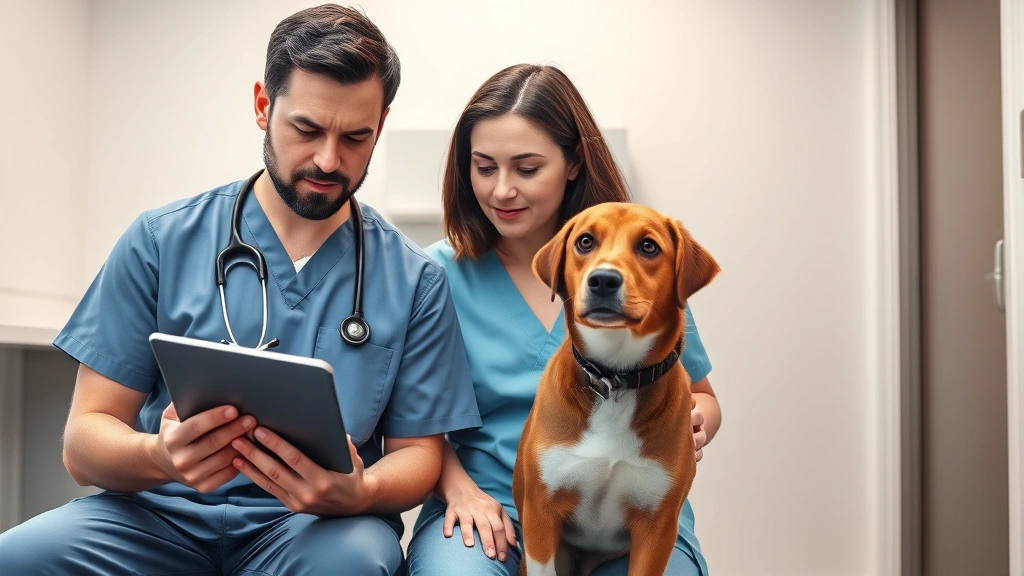
If you’re unsure whether your pet needs urgent care, a quick telehealth check-in can give you peace of mind—no appointment needed. The Pet Vet’s telehealth service connects you with licensed veterinarians who can assess your pet’s symptoms and advise whether in-person evaluation is necessary.
Long-Term Outlook and Prevention
The prognosis for pets with bilirubin in their urine depends entirely on the underlying cause and how quickly it’s addressed. Some conditions are fully reversible with prompt treatment, while others require ongoing management.
Prevention starts with routine wellness exams, especially for senior pets. Annual or bi-annual blood work can catch liver disease before symptoms appear. Keeping your pet at a healthy weight, providing balanced nutrition, and protecting them from toxins all reduce the risk of liver and biliary problems.
For cats, maintaining regular feeding patterns and preventing obesity is particularly important. Explore resources like senior cat kidney diet to understand how nutrition impacts long-term health.
Understanding Your Pet’s Lab Results
When your vet shares lab results, ask for clarification on specific numbers. Bilirubin is measured in milligrams per deciliter (mg/dL), and your vet can explain what your pet’s levels mean. Normal ranges vary slightly between labs, so context matters.
Don’t hesitate to ask your veterinarian to explain the results in plain language. Understanding your pet’s health metrics empowers you to make informed decisions about their care and recognize when follow-up testing is needed.
Summary: Taking Action for Your Pet’s Health
Finding bilirubin in your pet’s urine is concerning, but it’s also actionable information. This finding prompts investigation into your pet’s liver, blood cells, and biliary system—all critical for overall health.
The presence of bilirubin is your pet’s body asking for help. By working closely with your veterinarian, following diagnostic recommendations, and supporting your pet at home, you’re giving them the best chance at recovery and improved quality of life.
Frequently Asked Questions
Can bilirubin in pet urine go away on its own?
It depends on the cause. Mild cases related to temporary stress or dehydration might resolve independently, but most cases require veterinary treatment to address the underlying issue.
Is bilirubin in urine always serious?
Not always, but it’s never normal and warrants investigation. Some causes are easily managed, while others require ongoing care. Early diagnosis improves outcomes significantly.
How often should my pet be tested for bilirubin?
If your pet has been diagnosed with a condition causing bilirubinuria, your vet will recommend follow-up testing. For healthy pets, routine urinalysis is part of annual wellness exams.
Can diet help with bilirubin in urine?
Yes, dietary adjustments often play a key role in managing liver disease and supporting recovery. Your veterinarian will recommend specific foods suited to your pet’s condition.
What’s the difference between bilirubin in blood and bilirubin in urine?
Bilirubin in the blood indicates elevated levels, while bilirubin in urine suggests the kidneys are filtering excess amounts. Both require investigation but indicate different aspects of your pet’s health status.
What To Do Now
- Schedule a veterinary appointment — If you haven’t already, get your pet evaluated. If you’re unsure about urgency, a telehealth consultation can provide immediate guidance.
- Gather health information — Compile your pet’s medical history, current medications, and recent behavioral or appetite changes to share with your vet.
- Ask about diagnostic testing — Discuss what tests your vet recommends and what timeline to expect for results.
- Prepare for home care — Ask your veterinarian about dietary changes, medication administration, and monitoring steps you’ll need to follow.
- Set up follow-up appointments — Establish a schedule for rechecks and repeat testing to track your pet’s progress and adjust treatment as needed.