
If your dog is showing signs of canine stomach ulcers, you’re probably worried and searching for answers. Watching your furry companion struggle with digestive issues can be heartbreaking, but the good news is that with proper treatment and care, many dogs recover well from stomach ulcers.
Table of Contents
- What Are Canine Stomach Ulcers?
- Common Symptoms to Watch For
- What Causes Stomach Ulcers in Dogs?
- How Vets Diagnose Canine Stomach Ulcers
- The Role of Medications in Treatment
- Seven Key Medication Classes for Canine Stomach Ulcers
- Dietary Management Alongside Medication
- Timeline for Recovery and Healing
- Important Safety Considerations
- When to Seek Emergency Care
- Frequently Asked Questions
- What To Do Now
- Summary: Managing Canine Stomach Ulcers Successfully
This article is for informational purposes only and is not a substitute for professional veterinary advice. Always consult a licensed veterinarian for diagnosis and treatment.
What Are Canine Stomach Ulcers?
Canine stomach ulcers are erosions in the lining of your dog’s stomach or small intestine. Think of them as sores that develop when the protective mucus layer breaks down, exposing the sensitive tissue underneath. This condition can range from mild to severe, and early detection makes a real difference in your dog’s recovery.
The stomach normally produces acid to help with digestion, but when ulcers form, that acid irritates the raw tissue. Your dog’s body struggles to heal itself without intervention, which is why veterinary treatment is so important.
Common Symptoms to Watch For
Recognizing the signs of canine stomach ulcers early can help you get your pup the care they need faster. Here are the most common symptoms pet owners notice:
- Vomiting (sometimes with blood or a coffee-ground appearance)
- Loss of appetite or reduced interest in food
- Abdominal pain or sensitivity when touched
- Black or tarry stools (indicating internal bleeding)
- Weight loss over time
- Lethargy and decreased activity
- Excessive drooling
If you notice any of these signs, don’t panic—catching this early puts you in a great position to help your dog heal. Schedule a vet visit as soon as possible for proper diagnosis.
What Causes Stomach Ulcers in Dogs?
Understanding what triggered your dog’s ulcers can help prevent them from returning. Several factors may be experiencing an underlying issue:
- NSAIDs: Long-term use of pain medications can damage the stomach lining
- Stress: Anxiety, major life changes, or trauma can contribute to ulcer formation
- Infections: Certain bacteria or parasites may play a role
- Dietary issues: Sudden food changes or eating inappropriate items
- Underlying diseases: Kidney disease, liver disease, or pancreatitis in dogs can increase ulcer risk
- Severe gastritis: Chronic inflammation that progresses without treatment
Your veterinarian will work to identify the root cause so treatment addresses not just the ulcers themselves, but what created them in the first place.
How Vets Diagnose Canine Stomach Ulcers
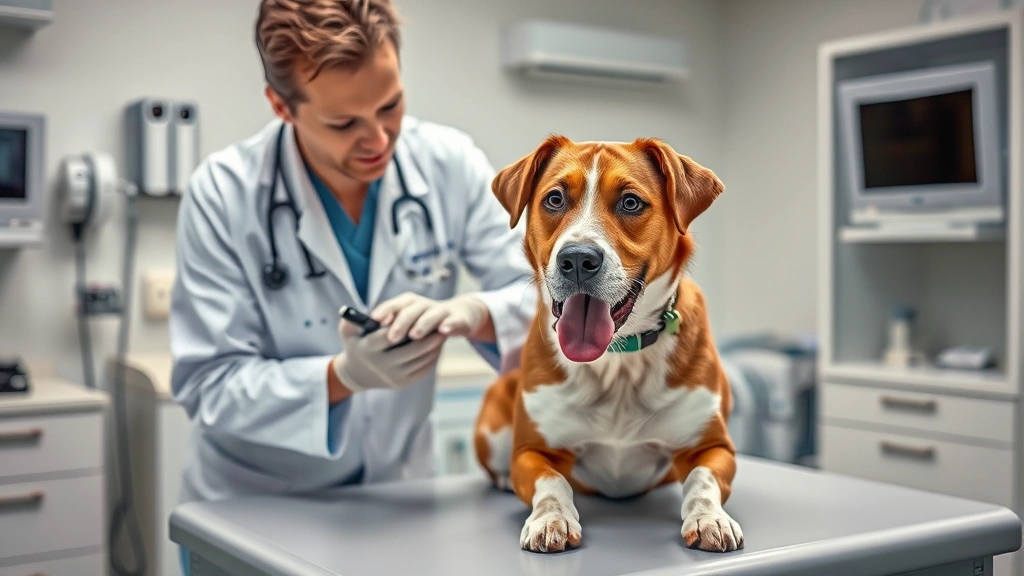
Diagnosis typically involves a combination of physical examination, blood work, and imaging. Your vet may recommend an endoscopy, which allows them to visualize the ulcers directly and take tissue samples if needed.
Ultrasound and X-rays can also reveal complications like perforation or severe inflammation. Don’t worry—these diagnostic tools are standard and help your vet create the most effective treatment plan for your specific dog.
The Role of Medications in Treatment
Medications are the cornerstone of canine stomach ulcer treatment. They work by reducing acid production, protecting the stomach lining, and allowing healing to occur. Most dogs show improvement within 2-4 weeks of starting treatment, though some cases take longer.
Your vet will likely recommend a combination approach—using multiple medications together often works better than a single drug alone. The goal is to create an environment where your dog’s stomach can heal naturally.
Seven Key Medication Classes for Canine Stomach Ulcers
While we won’t list specific dosages (your vet will determine the right amount for your dog), here are the main medication types used to treat canine stomach ulcers:
1. Proton Pump Inhibitors (PPIs)
These medications dramatically reduce stomach acid production by blocking the pumps that create acid. PPIs are often considered the gold standard for ulcer treatment because they’re highly effective at creating a healing environment. Your dog may need to take these for several weeks or longer depending on severity.
2. H2 Receptor Antagonists
Similar to PPIs but working through a different mechanism, these drugs reduce acid secretion and are sometimes used as an alternative or alongside other medications. They’re generally well-tolerated and have been used safely in dogs for many years.
3. Gastroprotectants
These medications create a protective coating over the ulcerated areas, shielding them from acid while healing occurs. Think of them as a bandage for the inside of your dog’s stomach. They work best when combined with acid-reducing medications.
4. Antacids
Over-the-counter antacids can provide temporary relief by neutralizing stomach acid. However, they typically don’t address the underlying problem and work best as a short-term support alongside prescription medications. Learn more about pet antacids and their proper use.
5. Antibiotics (When Infection Is Present)
If bacterial infection contributed to ulcer formation, your vet may prescribe antibiotics. These eliminate the infection and prevent complications. Treatment duration depends on the specific bacteria identified.
6. Sucralfate
This compound binds to ulcerated tissue and forms a protective barrier. It’s particularly useful for dogs with severe ulceration and works synergistically with acid-reducing medications to speed healing.
7. Medications for Underlying Conditions
If your dog has pancreatitis in dogs or another underlying disease causing ulcers, treating that condition is essential. Your vet will create a comprehensive plan addressing all health issues simultaneously.
Dietary Management Alongside Medication
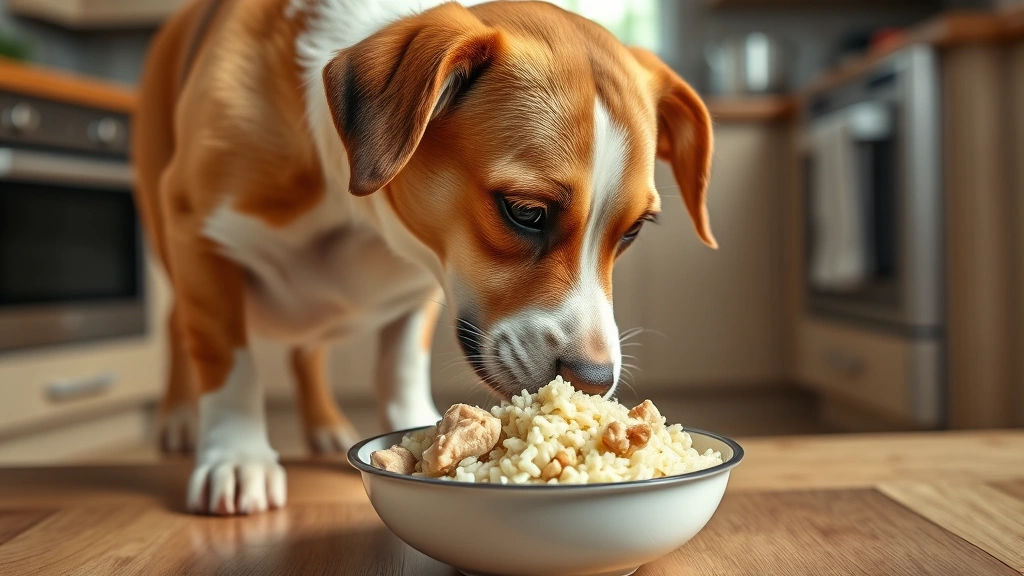
Medication works best when paired with dietary changes. Your vet may recommend feeding smaller, more frequent meals to reduce stomach acid stimulation. Switching to a bland, easily digestible diet temporarily helps prevent further irritation.
Some dogs benefit from an elimination diet feeding plan to identify any food triggers. Avoid safe human foods for dogs that are high in fat or spices during recovery, as these can aggravate ulcers.
Timeline for Recovery and Healing
Most dogs show noticeable improvement within 2-4 weeks of starting treatment. However, complete healing of the stomach lining typically takes 4-8 weeks or longer, depending on ulcer severity and your dog’s overall health.
Your vet will likely schedule follow-up appointments to monitor progress. Some dogs may need repeat endoscopy to confirm ulcers have healed completely before discontinuing medications.
Consistency with medication and dietary management is crucial—don’t stop treatment early even if your dog seems better. Premature discontinuation can allow ulcers to return.
Important Safety Considerations
Always follow your veterinarian’s instructions exactly. Never adjust dosages or stop medications without professional guidance. Some medications can interact with other drugs your dog may be taking, so inform your vet about any supplements or over-the-counter products.
Watch for any adverse reactions and report them immediately. Most dogs tolerate ulcer medications well, but side effects are possible. If you’re concerned about pet medication overdose or accidental ingestion, contact your vet or poison control right away.
When to Seek Emergency Care
While most canine stomach ulcers respond well to treatment, some situations require immediate veterinary attention. Seek emergency care if your dog shows signs of severe internal bleeding, such as large amounts of blood in vomit or stools, collapse, or extreme lethargy.
Severe abdominal pain, inability to keep food or water down, or signs of peritonitis (infection from a perforated ulcer) also warrant emergency evaluation. Don’t wait—these situations can become life-threatening quickly.
Frequently Asked Questions
Can canine stomach ulcers go away on their own?
Without treatment, most ulcers won’t heal and may worsen over time. Veterinary care is essential for proper healing and preventing serious complications.
How long will my dog need to take medication?
Treatment duration varies by case, but typically ranges from 4-12 weeks. Your vet will determine when it’s safe to gradually discontinue medications.
Are there natural remedies for canine stomach ulcers?
While some supplements may support healing, they cannot replace prescription medications. Always discuss any natural remedies with your vet before using them.
Will my dog have stomach ulcers again?
Addressing the underlying cause significantly reduces recurrence risk. Proper medication management and dietary care help prevent future episodes.
Is it expensive to treat canine stomach ulcers?
Costs vary depending on severity and required diagnostics, but early treatment is often more affordable than managing complications. If you’re unsure whether your pet needs urgent care, a quick telehealth check-in can give you peace of mind—no appointment needed.
What To Do Now
If you suspect your dog may be experiencing canine stomach ulcers, here are your next steps:
- Schedule a veterinary appointment: Contact your vet as soon as possible for evaluation and diagnosis. If your regular vet isn’t available, seek care at an emergency clinic if symptoms are severe.
- Document symptoms: Write down when symptoms started, what they look like, and any potential triggers you’ve noticed. This information helps your vet make an accurate diagnosis.
- Prepare for diagnostics: Be ready to discuss your dog’s medical history, current medications, diet, and any recent stressful events that might have contributed to ulcer formation.
- Follow treatment recommendations exactly: Once your vet prescribes medications and dietary changes, commit to the full treatment plan even if your dog improves quickly.
- Schedule follow-up care: Attend all recommended follow-up appointments to ensure healing is progressing and adjust treatment if needed.
Summary: Managing Canine Stomach Ulcers Successfully
Canine stomach ulcers are serious but highly treatable when caught early. The combination of appropriate medications, dietary management, and veterinary oversight gives your dog the best chance at full recovery.
Remember that your dog’s symptoms reflect real discomfort, but treatment works. Most dogs show significant improvement within weeks of starting therapy. Stay patient, follow your vet’s guidance, and don’t hesitate to ask questions about your dog’s care.
Your dedication to your dog’s health during this challenging time truly matters. With proper treatment and your loving support, your pup will be back to their happy, healthy self soon.