
If your senior dog is experiencing senior dog anxiety, you’re not alone—and the good news is that effective treatment options exist. Watching your aging companion pace at night, tremble during storms, or struggle with separation can break your heart, but modern veterinary medicine offers real solutions that can dramatically improve their quality of life.
Table of Contents
- Understanding Senior Dog Anxiety: Why It Happens
- Common Signs Your Senior Dog May Be Experiencing Anxiety
- How Anxiety Medications Work in Senior Dogs
- Seven Medication Categories That Help Senior Dog Anxiety
- Choosing the Right Medication: What Your Vet Considers
- Combining Medication With Non-Drug Strategies
- Potential Side Effects and Monitoring Your Senior Dog
- How Long Will Your Senior Dog Need Anxiety Medication?
- Creating a Senior Dog Anxiety Management Plan
- Frequently Asked Questions
- What To Do Now
- The Bottom Line: Your Senior Dog Deserves Comfort
This article is for informational purposes only and is not a substitute for professional veterinary advice. Always consult a licensed veterinarian for diagnosis and treatment.
Understanding Senior Dog Anxiety: Why It Happens
Anxiety in senior dogs isn’t just “old age behavior”—it’s a real medical condition rooted in changes happening in their brains and bodies. As dogs age, they may experience cognitive decline, pain from arthritis, hearing loss, or vision problems that make the world feel unpredictable and scary.
Many older dogs also develop what veterinarians call canine cognitive dysfunction, similar to dementia in humans. This affects their ability to process information and feel secure in familiar environments. The combination of physical discomfort and mental confusion can trigger significant anxiety.
Recognizing these changes early puts you in a great position to help your senior companion feel safer and more comfortable during their golden years.
Common Signs Your Senior Dog May Be Experiencing Anxiety
Before exploring medication options, it helps to recognize what anxiety looks like in older dogs. Symptoms can be subtle or dramatic, depending on your dog’s personality and the underlying cause.
- Excessive panting or restlessness at night or during quiet times
- Destructive behavior like chewing, scratching, or house-soiling (even in previously housetrained dogs)
- Vocalization—whining, barking, or howling without obvious triggers
- Clinginess or shadowing—following you from room to room constantly
- Trembling or shaking during normal situations (not just storms)
- Decreased appetite or eating too quickly out of stress
- Avoidance behaviors—hiding, reluctance to go outside, or fear of familiar spaces
- Aggression or irritability—snapping when touched or approached
If you’re noticing several of these signs, a conversation with your veterinarian is the next step. Catching this early means your dog can start feeling better sooner.
How Anxiety Medications Work in Senior Dogs
Anxiety medications for dogs work by balancing neurotransmitters—chemical messengers in the brain that regulate mood, fear responses, and stress. Different medication classes target these systems in different ways, which is why your vet might recommend one option over another based on your dog’s specific situation.
Some medications provide immediate relief during acute anxiety (like during a thunderstorm), while others work best as long-term solutions that build up in your dog’s system over weeks. Many senior dogs benefit from a combination approach—short-acting medication for crisis moments plus a steady daily medication for baseline calm.
The goal is finding the right medication, dose, and timing that allows your senior dog to feel safe without excessive sedation or side effects.
Seven Medication Categories That Help Senior Dog Anxiety
Your veterinarian may recommend one or more of these medication classes, depending on your dog’s specific anxiety triggers and health status. Each has different benefits and considerations for aging dogs.
1. SSRIs (Selective Serotonin Reuptake Inhibitors)
SSRIs are among the most commonly prescribed anxiety medications for senior dogs because they’re generally well-tolerated and work steadily over time. These medications increase available serotonin in the brain, promoting a calmer, more stable mood.
These typically take 4-6 weeks to reach full effectiveness, making them ideal for chronic, ongoing anxiety rather than emergency situations. Many senior dogs do well on these long-term with minimal side effects.
2. Tricyclic Antidepressants (TCAs)
TCAs work similarly to SSRIs but through a slightly different mechanism. They’re particularly useful for senior dogs with both anxiety and pain-related issues, since they can provide mild pain relief alongside anxiety reduction.
These also require several weeks to work fully, and your vet will monitor your dog’s response carefully, especially in older dogs with heart or liver concerns.
3. Benzodiazepines
If your senior dog needs immediate relief during a thunderstorm, fireworks, or separation situation, benzodiazepines work within 30-60 minutes. They’re fast-acting anti-anxiety medications that calm the nervous system quickly.
These are typically used as-needed rather than daily, since long-term use in older dogs can increase risks of dependency and cognitive side effects. Your vet will recommend specific timing based on predictable anxiety triggers.

4. Alpha-2 Agonists
Alpha-2 agonists calm anxiety by reducing the release of stress hormones. They’re particularly helpful for senior dogs with situational anxiety (like vet visits or storms) and work relatively quickly—within 30-60 minutes.
These medications can affect heart rate and blood pressure, so your vet will evaluate your senior dog’s cardiovascular health before recommending this class. They’re often used as short-term solutions rather than daily medications.
5. Buspirone
Buspirone is an azapirone anxiolytic that works differently from other anxiety medications. It’s gentler and doesn’t cause sedation, making it a good choice for senior dogs who need to stay alert.
This medication is particularly useful for mild to moderate anxiety and takes 2-4 weeks to reach full effectiveness. It pairs well with other medications and has a favorable safety profile in older dogs.
6. Gabapentin
While gabapentin is technically an anticonvulsant and pain medication, it has significant anxiety-reducing properties—especially valuable for senior dogs with both pain and anxiety. Many older dogs experience joint pain that worsens anxiety, making this dual-action medication ideal.
Gabapentin is gentle on the system and rarely causes serious side effects in senior dogs. It can be given as-needed or daily, providing flexibility in your treatment approach.
7. Trazodone
Trazodone is an antidepressant with mild sedative properties, making it useful for senior dogs with nighttime anxiety or insomnia. It works within 1-2 hours, offering a middle ground between immediate-relief and long-term medications.
This medication is particularly helpful for senior dogs who also struggle with sleep disruption from anxiety or pain. Many vets recommend it for evening dosing to support restful sleep.
Choosing the Right Medication: What Your Vet Considers
Your veterinarian won’t simply prescribe the first anxiety medication on the list. Instead, they’ll evaluate several important factors specific to your senior dog:
- Your dog’s age and overall health status—kidney, liver, and heart function matter significantly in older dogs
- Existing medications—some anxiety meds interact with common senior dog treatments like pain relievers or heart medications
- Type of anxiety—is it constant, situational, or triggered by specific events?
- Other symptoms—does your dog also have pain, cognitive dysfunction, or sleep issues?
- Your dog’s temperament—some dogs tolerate sedation well, while others need to stay alert
- Cost and practicality—can you give medication once daily or does your schedule require flexibility?
This personalized approach is why telehealth consultations can be so valuable. If you are unsure whether your pet needs urgent care, a quick telehealth check-in can give you peace of mind—no appointment needed. Your vet can discuss your senior dog’s specific situation and help narrow down the best options.
Combining Medication With Non-Drug Strategies
Medication works best when paired with environmental and behavioral changes. Think of it as a complete anxiety-management plan rather than a single solution.
Environmental modifications that support anxious senior dogs include:
- Creating a safe, quiet space away from triggers (like a bedroom or den)
- Using white noise machines to mask triggering sounds like thunderstorms or traffic
- Maintaining consistent daily routines so your dog knows what to expect
- Keeping nightlights on if your dog has vision loss or cognitive decline
- Using pheromone diffusers (like Adaptil) to create a calming environment
Behavioral support matters too. Gentle exercise, mental stimulation through puzzle toys, and positive reinforcement with calming treats can reduce baseline anxiety. Many senior dogs benefit from a consistent bedtime routine that signals safety and rest.
Nutrition also plays a role—some research suggests that balanced nutrition supporting brain health can support anxiety management in aging dogs. Your vet can recommend senior-specific diets that support cognitive function.
Potential Side Effects and Monitoring Your Senior Dog
All medications carry potential side effects, but most senior dogs tolerate anxiety medications well when properly dosed. Common mild side effects include drowsiness, dry mouth, or temporary appetite changes—usually minimal and temporary.
More serious side effects are rare but possible, especially in dogs with pre-existing health conditions. Your vet will likely recommend baseline bloodwork before starting medication and periodic check-ins to monitor how your dog responds.
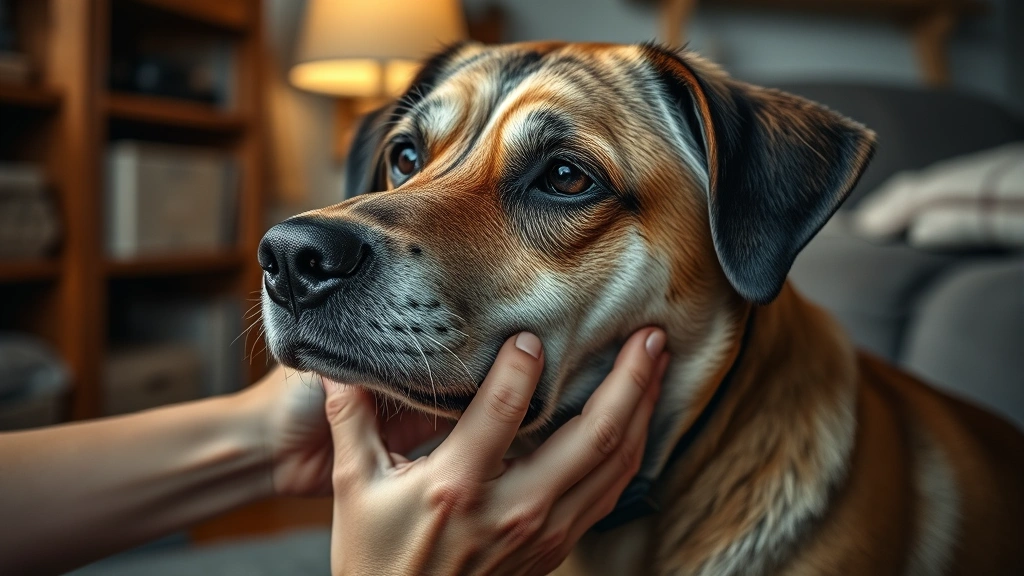
Watch for signs like excessive lethargy, loss of appetite, vomiting, or behavioral changes that seem unrelated to anxiety relief. These warrant an immediate call to your vet. Most side effects resolve quickly once medication is adjusted or discontinued.
How Long Will Your Senior Dog Need Anxiety Medication?
This varies widely depending on the underlying cause and your dog’s individual situation. Some senior dogs need medication for just a few months during a stressful life transition, while others benefit from long-term management throughout their senior years.
Your vet may recommend periodic “medication holidays” to assess whether your dog still needs the same dose or if adjustments are needed as they age. The goal is always using the lowest effective dose for the shortest necessary duration while maintaining your dog’s quality of life.
Regular check-ins—whether in-person or through telehealth consultations—help ensure your treatment plan stays aligned with your senior dog’s changing needs.
Creating a Senior Dog Anxiety Management Plan
The most successful anxiety management plans combine medication, environmental changes, and behavioral support. Working with your vet to create a written plan helps you stay consistent and track what works.
Your plan might include:
- Specific medication names, doses, and timing
- Trigger identification and avoidance strategies
- Environmental modifications to create safe spaces
- Exercise and enrichment routines appropriate for your senior dog’s mobility
- Signs to watch for that indicate the plan needs adjustment
- Schedule for follow-up check-ins with your vet
This structured approach helps you feel confident you’re doing everything possible to support your aging companion’s emotional well-being.
Frequently Asked Questions
Can senior dogs become dependent on anxiety medication?
Some medications (particularly benzodiazepines) may cause physical dependence with long-term use, which is why vets typically use them as-needed rather than daily. Your vet will monitor this and adjust medications periodically to prevent dependence while maintaining anxiety relief.
How much does senior dog anxiety medication cost?
Costs vary widely depending on the medication type and your dog’s dose, ranging from $10-100+ monthly. Generic options are usually more affordable, and your vet can discuss cost-effective choices that fit your budget.
Will medication change my senior dog’s personality?
Properly dosed anxiety medication should reduce fear and worry without making your dog “dopey” or unresponsive. Most owners report their senior dogs seem more like themselves—playful, engaged, and comfortable—once anxiety is managed.
Can I give my senior dog anxiety medication without a vet prescription?
No—anxiety medications require veterinary oversight because they affect the nervous system and interact with other medications. Your vet’s guidance ensures safety and effectiveness based on your individual dog’s health status.
What if the first medication doesn’t work for my senior dog?
It’s common to try multiple medications before finding the best fit. Your vet may adjust doses, switch medication classes, or combine medications. Patience is important—some take 4-6 weeks to reach full effectiveness.
What To Do Now
Ready to help your senior dog feel calmer and more secure? Here are your next steps:
- Schedule a veterinary consultation (in-person or telehealth) to discuss your senior dog’s specific anxiety symptoms and health history. Bring notes about when anxiety occurs and what triggers it.
- Request baseline bloodwork to ensure your senior dog’s organs can safely process anxiety medication. This is especially important for dogs over 10 years old.
- Ask your vet about a trial period with the recommended medication, including what improvements to expect and what side effects to watch for over the first 2-4 weeks.
- Implement environmental changes immediately—create a safe space, establish routines, and reduce triggers while you wait for medication to take effect.
- Schedule a follow-up check-in 2-4 weeks after starting medication to assess how your senior dog is responding and make adjustments if needed.
The Bottom Line: Your Senior Dog Deserves Comfort
Senior dog anxiety is treatable, and your willingness to explore medication options shows how much you care about your companion’s quality of life. Modern veterinary medicine offers multiple safe, effective solutions that can transform anxious, restless senior dogs into calm, comfortable companions again.
The key is working closely with your veterinarian to find the right medication or combination of treatments for your individual dog’s needs. With proper management—medication, environmental support, and consistent care—your senior dog can enjoy their golden years feeling safe, secure, and loved.
Your senior dog has given you years of companionship. They deserve to spend their final years feeling peaceful and at ease.