
If you’ve noticed your dog’s breath smells like a fish market or their gums look red and swollen, you might be dealing with gum disease in dogs—one of the most common health issues veterinarians see, yet one many pet owners overlook until it becomes serious. The good news? Catching this early puts you in a great position to help your furry friend feel better and avoid painful complications down the road.
Table of Contents
- What Is Gum Disease in Dogs?
- Signs Your Dog May Be Experiencing Gum Disease
- How Veterinarians Diagnose Gum Disease
- 7 Common Medications Used to Treat Gum Disease in Dogs
- Beyond Medications: Professional Dental Cleaning
- At-Home Care to Support Gum Disease Treatment
- When to Seek Urgent Care for Gum Disease
- Prevention: The Best Medicine for Gum Disease
- Frequently Asked Questions
- What To Do Now
- Summary
This article is for informational purposes only and is not a substitute for professional veterinary advice. Always consult a licensed veterinarian for diagnosis and treatment.
What Is Gum Disease in Dogs?
Gum disease, also called periodontal disease, happens when bacteria build up on your dog’s teeth and gums, causing inflammation and infection. It starts as gingivitis (early-stage gum inflammation) and can progress to periodontitis if left untreated, where the infection damages the tissues supporting the teeth.
Dogs of all ages can develop gum disease, but small breeds and older dogs face higher risk. Without treatment, your pup could lose teeth, experience pain while eating, and even develop infections that spread to the heart, kidneys, or liver.
Signs Your Dog May Be Experiencing Gum Disease
Recognizing the early warning signs helps you act quickly. Watch for these common indicators:
- Bad breath that seems unusually foul or fishy
- Red, swollen, or bleeding gums
- Difficulty chewing or dropping food from their mouth
- Excessive drooling or pawing at the mouth
- Loose or missing teeth
- Yellow or brown buildup on the teeth
- Behavioral changes like reluctance to eat hard food
- Swelling around the face or jaw
If you spot any of these signs, scheduling a vet checkup soon makes a real difference. Catching this early puts you in a great position to help.
How Veterinarians Diagnose Gum Disease
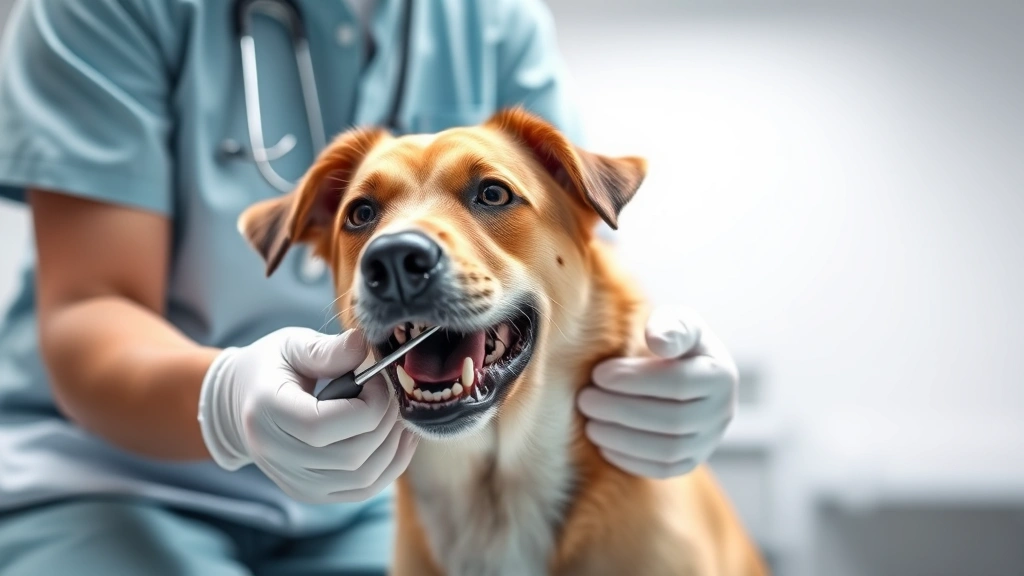
Your veterinarian will perform a thorough oral examination, often under anesthesia to get a complete view of your dog’s mouth, including below the gum line where most damage occurs. They may take dental X-rays to assess bone loss and the severity of the infection.
This comprehensive approach ensures nothing gets missed and helps your vet recommend the right treatment plan tailored to your dog’s specific situation.
7 Common Medications Used to Treat Gum Disease in Dogs
While medications alone won’t cure advanced gum disease, they play an important role in managing symptoms, controlling infection, and supporting your dog’s recovery alongside professional dental cleaning. Here are medications your veterinarian may recommend:
1. Antibiotics (Oral or Injectable)
Antibiotics help eliminate the bacterial infection driving gum disease. Your vet may prescribe oral antibiotics that you give at home, or they might recommend injectable antibiotics for more severe cases. These medications work best when combined with professional dental cleaning to remove the source of infection.
2. Chlorhexidine Rinse or Spray
This antimicrobial rinse reduces bacteria in the mouth and can be applied directly to affected areas. Many vets recommend chlorhexidine as part of a post-cleaning maintenance routine to prevent infection from returning. It’s often used alongside other treatments for better results.
3. Nonsteroidal Anti-Inflammatory Drugs (NSAIDs)
NSAIDs help reduce pain and inflammation in the gums, making it easier for your dog to eat and feel more comfortable. These medications can improve quality of life while other treatments work to resolve the underlying infection.
4. Dental Water Additives
Adding a dental water additive for pets to your dog’s drinking water helps reduce bacteria in the mouth throughout the day. These are preventative tools that work best when combined with brushing and professional care, making them excellent for long-term gum health maintenance.
5. Topical Gum Treatments
Veterinary-prescribed gels or pastes applied directly to the gums can reduce inflammation and promote healing. These topical treatments work locally where the problem is, delivering medication straight to affected tissues.
6. Probiotics for Oral Health
Oral probiotics may help balance the mouth’s bacterial flora and reduce harmful bacteria that cause gum disease. While research is still developing, many veterinarians include them as a complementary treatment alongside other medications.
7. Pain Management Medications
For dogs experiencing significant discomfort from advanced gum disease, pain relief medications ensure your pup can eat, drink, and play without suffering. Your vet will choose options appropriate for your dog’s age and overall health.
Beyond Medications: Professional Dental Cleaning
Here’s the truth: medications alone won’t cure gum disease. Professional dental cleaning under anesthesia is essential to remove tartar and plaque buildup below the gum line where bacteria hide. This is where the real healing begins.
Your veterinarian will assess whether your dog needs extractions (removal of severely damaged teeth) during the cleaning procedure. While tooth loss sounds scary, removing severely infected teeth often relieves pain and prevents the spread of infection throughout your dog’s body.
At-Home Care to Support Gum Disease Treatment
What you do at home matters just as much as what your vet does in the clinic. Here are proven ways to support your dog’s recovery:
- Brush daily. Use a dog-specific toothbrush and toothpaste. Even 3-4 times per week helps, but daily brushing gives the best results.
- Choose dental-friendly foods. Ask your vet about prescription dental diets designed to reduce plaque and tartar buildup. Avoid foods that stick to teeth or encourage inflammation.
- Offer appropriate chew toys. Rubber or textured toys designed for dental health can help mechanically clean teeth, but avoid anything too hard that could crack teeth.
- Use prescribed rinses or gels. Apply any topical treatments your vet recommends exactly as directed.
- Schedule regular checkups. Follow-up visits help your vet monitor healing and catch any new problems early.
When to Seek Urgent Care for Gum Disease
Most gum disease develops gradually, but certain signs warrant immediate veterinary attention. Seek urgent care if your dog shows facial swelling, difficulty swallowing, fever, or sudden refusal to eat. These could indicate a serious infection spreading beyond the gums.
If you’re unsure whether your pet needs urgent care, a quick telehealth check-in with The Pet Vet can give you peace of mind—no appointment needed. Our veterinarians can assess your dog’s symptoms and advise whether an in-person visit is necessary.
Prevention: The Best Medicine for Gum Disease
Preventing gum disease is far easier than treating it. Start these habits early and maintain them throughout your dog’s life:
- Brush teeth regularly (ideally daily)
- Provide dental chews and toys designed for oral health
- Feed a balanced diet and avoid foods that promote plaque buildup
- Schedule annual dental checkups with your veterinarian
- Use dental water additives as a supplementary preventative tool
- Monitor your dog’s breath and gums for early warning signs
Small breed dogs and senior dogs benefit especially from consistent preventative care, as they’re at higher risk for developing gum disease.
Frequently Asked Questions
Can gum disease in dogs be cured with medication alone?
Medications help manage infection and pain, but professional dental cleaning is essential to remove the bacterial buildup causing the disease. Most dogs need both medications and professional treatment for best results.
How often should my dog have dental cleanings?
This depends on your individual dog’s risk factors and current condition. Your veterinarian will recommend a schedule, which may range from annually to every few years based on your dog’s age, breed, and dental health status.
Is anesthesia safe for older dogs with gum disease?
Modern anesthesia is very safe, and veterinarians take extra precautions with senior dogs, including pre-operative bloodwork. The risks of leaving gum disease untreated usually outweigh the small anesthesia risk.
What’s the difference between gingivitis and periodontitis in dogs?
Gingivitis is early-stage inflammation of the gums and is reversible with treatment. Periodontitis involves damage to the tissues supporting teeth and is more serious, though still manageable with proper care.
Can I prevent gum disease by just brushing my dog’s teeth?
Regular brushing is excellent for prevention and early-stage disease, but dogs with established gum disease need professional cleaning. Brushing alone cannot remove tartar buildup below the gum line where most damage occurs.
What To Do Now
- Schedule a veterinary dental exam. If you’ve noticed any signs of gum disease, call your vet or book a telehealth consultation with The Pet Vet to discuss your concerns and get a professional assessment.
- Start a daily tooth-brushing routine. Invest in a dog-specific toothbrush and enzymatic toothpaste. Even starting today can slow disease progression and improve gum health.
- Review your dog’s diet and chew toys. Remove hard treats that could damage teeth and switch to dental-friendly options that support oral health.
- Ask about preventative medications. During your vet visit, ask whether oral probiotics, dental water additives, or other preventative medications might benefit your specific dog.
- Set calendar reminders for follow-up care. After treatment, schedule your next dental checkup and set reminders to maintain at-home care routines consistently.
Summary
Gum disease in dogs is common, but it’s also highly manageable when caught early and treated properly. Medications like antibiotics, NSAIDs, and topical treatments play an important supporting role, but they work best alongside professional dental cleaning and consistent at-home care. By staying alert to warning signs, maintaining a good oral hygiene routine, and working closely with your veterinarian, you can help your dog keep their teeth healthy and avoid the pain and complications of advanced gum disease. Your dog deserves a healthy mouth and the ability to enjoy their meals without discomfort—and you have the power to make that happen.