
Overview
Timing pet medications correctly in relation to meals is crucial because food can either enhance or interfere with drug absorption, directly affecting treatment effectiveness and your pet’s comfort. Some medications require food to improve absorption and prevent stomach upset, while others need an empty stomach to work properly, making it essential to follow proper timing guidelines for your pet’s specific prescriptions.
Table of Contents
- Why Medication Timing Matters for Your Pet
- How Food Affects Your Pet’s Medication
- Medications That Work Best With Food
- Medications That Need an Empty Stomach
- How to Build a Simple Medication Schedule
- Special Considerations for Different Pets
- Safe Foods to Use When Giving Medications
- Mistakes to Avoid
- What to Do Right Now
- Tracking and Monitoring Your Pet
- Conclusion
- Frequently Asked Questions
Why Medication Timing Matters for Your Pet
If you have ever stood in your kitchen holding a pill bottle and wondered whether to give it before or after your pet’s meal, you are not alone. This is one of the most common questions pet owners have — and it is a genuinely important one. Getting the timing right can make a real difference to how well your pet’s treatment works.
This article is for informational purposes only and is not a substitute for professional veterinary advice. Always consult a licensed veterinarian for diagnosis and treatment.
Giving medication at the wrong time in relation to meals may reduce how much of the drug your pet actually absorbs. In some cases, it could also cause unnecessary nausea or stomach upset.
This guide will walk you through everything you need to know about timing pet medications around food. Whether your cat is on antibiotics or your senior dog takes daily heart medication, understanding this can make treatment safer and more comfortable for your pet.
How Food Affects Your Pet’s Medication
When your pet eats, their digestive system produces acids and enzymes to break down food. These same processes directly affect how medications move through their body.
Food can help some medications work better. Fats and proteins in a meal may help certain drugs enter the bloodstream more effectively. Food also slows digestion, giving some medications more time to be absorbed.
However, other medications may need an empty stomach to work properly. Food can interfere with how these drugs are absorbed — sometimes significantly reducing the benefit your pet receives.
Common problems from incorrect timing may include:
- Treatment taking longer to work, or seeming less effective
- Increased side effects such as vomiting or diarrhea
- Stomach irritation that could have been avoided
Following the right food and medication timing helps protect your pet from these issues and gives treatment the best chance of working.
Medications That Work Best With Food
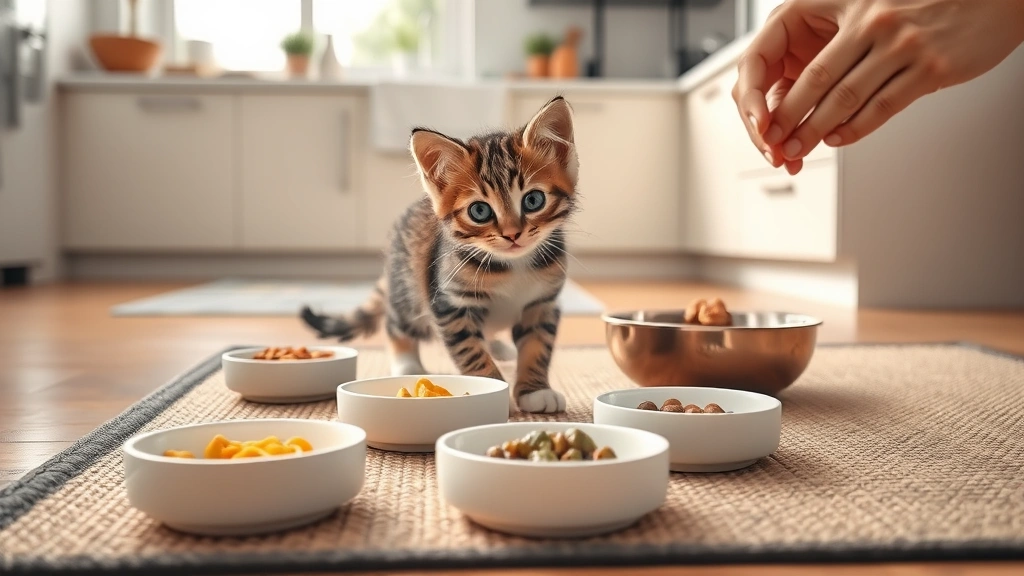
Many common pet medications are best given with food. This is not just about preventing an upset stomach — food can actually help these drugs work as intended.
Pain relievers and anti-inflammatories (NSAIDs) almost always need food. Medications in this category may irritate the stomach lining when given on an empty stomach. Food helps create a protective buffer.
Watch for signs that could suggest stomach irritation, such as loss of appetite, vomiting, or dark, tarry stools. If you notice any of these, contact your veterinarian promptly.
Corticosteroids such as prednisone-type medications also tend to work better with food. These drugs may increase stomach acid production, and food can help reduce the risk of discomfort — especially for pets on longer-term treatment.
Certain antibiotics may cause less nausea when given with food. Your vet will let you know if this applies to your pet’s prescription.
Other medications that may require food include:
- Some anti-seizure medications
- Certain antifungal drugs
- Iron supplements
- Some vitamins and supplements
You do not need to provide a full meal for these medications. A few tablespoons of your pet’s regular food, or a teaspoon of wet food for cats, is usually enough. The key is that your pet eats something right before or alongside the medication.
For more detailed guidance on pet care, check out our comprehensive resources at this helpful collection.
Medications That Need an Empty Stomach
Some medications may need to be given on an empty stomach to reach their full potential. Food can interfere with how these drugs are absorbed — sometimes quite significantly.
Thyroid medications are a common example. Food — especially high-fibre options or anything containing soy — could reduce how well these medications are absorbed. This may leave your pet with ongoing symptoms such as weight changes, low energy, or a dull coat.
Certain antibiotics may also be affected by food. Some can bind to minerals found in meals, which could reduce how much of the medication your pet actually benefits from. Your vet will advise if this applies.
Some gastric and heart medications may also work best without food, as they need direct contact with the stomach to be effective.
What “Empty Stomach” Actually Means
An empty stomach generally means no food for at least two hours. For most pets, this means first thing in the morning before breakfast, or late at night after dinner has had time to digest.
Fresh water is almost always fine and should remain available at all times.
If your pet seems uncomfortable or nauseous when taking medication on an empty stomach, do not push through. Call your vet — there may be alternative options that are easier on your pet while still being effective.
How to Build a Simple Medication Schedule
Building a medication schedule sounds daunting, but it quickly becomes routine. The key is planning around your pet’s natural feeding times and your own daily habits.
Start by listing all medications your pet takes. Note whether each one requires food, an empty stomach, or has flexible timing. Then map this against your pet’s usual feeding schedule.
A Simple Morning Routine Example
If your pet eats breakfast at 7:00 AM:
- Give empty stomach medications at 5:00 AM, or wait until at least 9:00 AM
- Mix food-required medications into breakfast or give immediately after
- Give flexible-timing medications whenever is most convenient for you
The evening routine follows the same logic. If dinner is at 6:00 PM, empty stomach medications can be given around 8:00 PM or just before bedtime.
To stay organised with multiple medications, try these simple strategies:
- Post a visual chart where you prepare your pet’s meals
- Use separate labelled containers for each timing group
- Set phone reminders for each dose
Consistency matters more than perfection. Aiming to stay within a one-hour window of your target times helps maintain stable levels of medication in your pet’s system.
For additional pet health information, visit our helpful resources page.
Special Considerations for Different Pets
Not all pets process medications the same way. Age, species, and health conditions can all influence how medication timing should be managed.
Dogs vs. Cats
Dogs typically adapt well to set meal times, which makes medication timing more straightforward. Most dogs eat enthusiastically and will readily take pills hidden in food.
Cats can be more challenging. Many prefer to graze throughout the day rather than eat at set times. This can make empty stomach timing trickier. Cats may also refuse food that contains medication, so creative solutions like pill pockets or liquid formulations may help.
Senior Pets
Older pets may have reduced kidney and liver function, which can slow how their body processes medications. This sometimes means medications stay in their system longer.
Senior pets often take multiple medications for age-related conditions. This increases scheduling complexity and the potential for interactions. Your vet can help you find a timing plan that works safely for your older pet.
Pets With Chronic Conditions
Diabetic pets need carefully coordinated medication and feeding schedules. Timing must align with meals to help keep blood sugar stable.
Pets with kidney or liver conditions may need medications given at specific intervals. Always follow your vet’s guidance closely for these pets, as their ability to process drugs may be different from a healthy animal.
Puppies and Kittens
Young animals have developing organ function, which affects how they process medications. They also eat more frequently than adults, which can complicate timing.
Puppies and kittens are dosed by weight and grow quickly, so their needs may change over time. Always use precise measuring tools and check in with your vet regularly about whether adjustments are needed.
For breed-specific health concerns and medication considerations, explore our comprehensive category guides.
Safe Foods to Use When Giving Medications
How you store, prepare, and select foods for giving medication matters just as much as timing. Here is what to know.
Storage and Preparation
If you prepare medication treats in advance, store them in an airtight container in the refrigerator. Use them within three to five days. Never use food that has been sitting at room temperature for an extended period.
Freezing portions and thawing as needed is a great way to keep things fresh — this works especially well for homemade pill pockets.
Good Foods for Hiding Pills
- Peanut butter — always check it does not contain xylitol, which is toxic to dogs
- Cream cheese or soft cheese
- Canned pet food, particularly pâté style
- Small pieces of cooked plain chicken or turkey
- Commercial pill pockets
- For cats: a small amount of butter, tuna, or plain meat-flavour baby food (check for no onion or garlic)
Foods to Always Avoid
- Chocolate — toxic to pets
- Grapes and raisins — can cause serious kidney problems
- Onions and garlic — harmful to red blood cells
- Macadamia nuts — toxic to dogs
- Anything containing xylitol — extremely dangerous
- Very high-fat foods — may interfere with absorption or trigger pancreatitis
Hygiene When Handling Medications
Always wash your hands before and after giving medications. Use clean utensils when preparing food for medication. Store pet medications separately from human medications to avoid dangerous mix-ups.
Try not to handle pills more than necessary, as oils from your hands can affect coatings designed for timed release. Only crush pills if your vet has specifically confirmed it is safe to do so.
According to the FDA’s Center for Veterinary Medicine, proper medication handling is important for both your pet’s safety and your own.
Mistakes to Avoid
Even the most caring pet owners can make timing mistakes. Knowing what to watch for makes it easier to stay on track.
Giving Medication Too Soon After Feeding
Some owners feed their pet and immediately give medication, not realising certain drugs need more time. Take a moment to check the specific timing for each medication your pet takes.
Inconsistent Timing
Giving medications at very different times each day can cause fluctuating levels in your pet’s system. This may reduce effectiveness or cause breakthrough symptoms. Aim to stay within a one-hour window of your target times each day.
Modifying Veterinary Instructions Without Asking
When your vet specifies food or empty stomach timing, there is a medical reason behind it. If the instructions feel impractical for your lifestyle, talk to your vet openly. There may be alternative options that work just as well.
Splitting or Crushing Pills Without Approval
Many medications have special coatings that control how and where the drug is released. Breaking these pills without guidance could affect how the medication works. Only split or crush tablets when your vet has explicitly said it is safe.
Stopping Medications Early
It can be tempting to stop a course of antibiotics once your pet seems better. Completing the full course is important to help clear the infection fully and reduce the risk of resistance developing.
What to Do Right Now
If you are feeling unsure about your pet’s medication routine, here are five clear steps you can take today.
- Write down every medication your pet is currently taking, including the name, how often it is given, and whether it should be given with food or on an empty stomach.
- Check the label or information sheet for each medication and highlight any food-related instructions. If anything is unclear, note it down to ask your vet.
- Map your pet’s current feeding times onto a simple chart and work out where each medication fits — before meals, with meals, or well after meals.
- Set phone reminders for each dose, labelled clearly with the medication name and whether food is needed at that time.
- Call or message your vet with any questions before your next dose if you are unsure about timing — it is always better to check than to guess.
It is completely normal to feel a little overwhelmed when managing a pet’s medications. Taking these steps now puts you in a great position to get it right going forward.
If you are unsure whether your pet needs urgent care, a quick telehealth check-in can give you peace of mind — no appointment needed.
Tracking and Monitoring Your Pet
Keeping track of your pet’s medications helps ensure doses are not missed and makes it easier to spot any problems early.
Creating a Simple Medication Log
Your log does not need to be complicated. The most useful information to record includes:
- Date and time of each dose
- Medication name
- Whether it was given with food or on an empty stomach
- Any observations about how your pet responded
This record can be genuinely helpful during vet visits, giving your vet a clear picture of how treatment has been going.
Apps and Digital Tools
Smartphone apps designed for pet medication management can send reminders for each dose and log your pet’s history automatically. Some also allow you to track symptoms, weight, and other health changes over time.
Signs That Timing May Need Adjusting
Watch for these signs that the current schedule may not be working well:
- Symptoms that do not seem to be improving as expected
- New or worsening side effects
- Changes in appetite around medication times
- Vomiting consistently after a dose
- Refusal to eat meals that contain medication
When to Contact Your Veterinarian
Reach out to your vet promptly if your pet experiences severe vomiting or diarrhea after medication, shows signs of an allergic reaction, or seems unusually lethargic or unresponsive.
Also contact your vet if you have missed several doses, if you are consistently unable to follow the prescribed timing, or if your pet’s condition does not seem to be improving.
Vets would much rather help you find a workable solution than have you struggle in silence. Do not hesitate to ask.
Conclusion
Managing your pet’s medication timing does not have to feel overwhelming. With a little planning and consistency, it can become a natural part of your daily routine.
Whether a medication needs food, an empty stomach, or has flexible timing directly affects how well it works. Following your vet’s instructions — and reaching out when you are unsure — gives your pet the best chance of a successful recovery.
Use a simple log or app to stay on track. Watch for any signs that timing may need adjusting. And remember, you do not have to figure this out alone.
Your pet is lucky to have someone who cares enough to get this right.
Frequently Asked Questions
How long should I wait to give medication after my pet eats?
For medications that require food, give them immediately with or right after the meal. For medications that need an empty stomach, waiting at least two hours after eating is generally recommended — but always follow your vet’s specific guidance.
Can I give all my pet’s medications at the same time?
Not always. Some medications need food while others need an empty stomach, which may mean staggering them. Check with your veterinarian about the best timing plan for each medication your pet takes.
What happens if I accidentally give medication at the wrong time?
One mistimed dose is unlikely to cause serious harm, but it may reduce effectiveness. Return to the correct schedule for the next dose and contact your veterinarian if you are concerned or if it happens repeatedly.
How do I remember when to give multiple medications?
A visual chart, phone reminders, or a pet medication tracking app can all help. Consistency is key — your pet’s body responds well to routine.
Can I crush my pet’s pills and mix them with food?
Only if your veterinarian has specifically confirmed it is safe to do so. Many medications have coatings that should not be broken, as this could affect how the drug is absorbed. Always check before crushing any tablet.
This article is for general education and is not a substitute for care from your own veterinarian. Learn about The Pet Vet and our editorial policy.