
If your cat is experiencing neuropathy in cats, you’re likely watching their movements with extra concern—limping, weakness, or sensitivity to touch can be deeply worrying for any pet parent. Neuropathy refers to disease or dysfunction of one or more peripheral nerves, and while it’s less commonly discussed than other feline conditions, it absolutely deserves your attention because early recognition can make a real difference in your cat’s comfort and quality of life.
Table of Contents
- What Is Neuropathy in Cats?
- Common Signs Your Cat May Be Experiencing Neuropathy
- Underlying Causes of Feline Neuropathy
- How Vets Diagnose Neuropathy in Cats
- Treatment Approaches for Neuropathy in Cats
- Medications That May Help Manage Neuropathy Symptoms
- Nutritional Support and Dietary Adjustments
- When to Seek Emergency Care
- Supporting Your Cat’s Comfort at Home
- Monitoring Progress and Adjusting Treatment
- Long-Term Outlook for Cats with Neuropathy
- Frequently Asked Questions
- What To Do Now
- Summary: Taking Action for Your Cat’s Nerve Health
This article is for informational purposes only and is not a substitute for professional veterinary advice. Always consult a licensed veterinarian for diagnosis and treatment.
What Is Neuropathy in Cats?
Neuropathy is a condition affecting the peripheral nerves—the ones that carry signals between your cat’s brain, spinal cord, and the rest of their body. When these nerves are damaged or inflamed, your cat may experience weakness, pain, tingling, or loss of sensation in their paws, legs, or tail.
Unlike acute injuries, neuropathy often develops gradually. Your cat might seem a bit off for weeks before you realize something’s truly wrong. The condition can be caused by infections, metabolic issues, toxins, or even underlying diseases like diabetes or cancer.
Common Signs Your Cat May Be Experiencing Neuropathy
Recognizing the early warning signs is crucial. Here’s what to watch for:
- Limping or reluctance to bear weight on one or more legs
- Dragging the hind legs or appearing uncoordinated
- Weakness that worsens with activity
- Pain response when you touch certain areas
- Loss of sensation in the paws or tail
- Difficulty jumping or climbing stairs
- Muscle wasting over time in affected limbs
If you’re noticing any of these signs, catching this early puts you in a great position to help your cat feel better. A veterinary evaluation is your next best step.
Underlying Causes of Feline Neuropathy
Understanding what triggered your cat’s neuropathy helps guide treatment. Several conditions can lead to nerve damage in cats, and your vet will work to identify the root cause.
Infectious causes include feline leukemia virus (FeLV) and feline infectious peritonitis (FIP), both of which can damage nerve tissue. Metabolic issues like diabetes and kidney disease are also common culprits—in fact, diabetic neuropathy is one of the most frequent types seen in older cats.
Toxin exposure, nutritional deficiencies (particularly B vitamins), and even certain cancers can trigger neuropathic symptoms. This is why a thorough diagnostic workup is so important. Your vet may recommend blood work, imaging, or nerve conduction studies to pinpoint the cause.
How Vets Diagnose Neuropathy in Cats
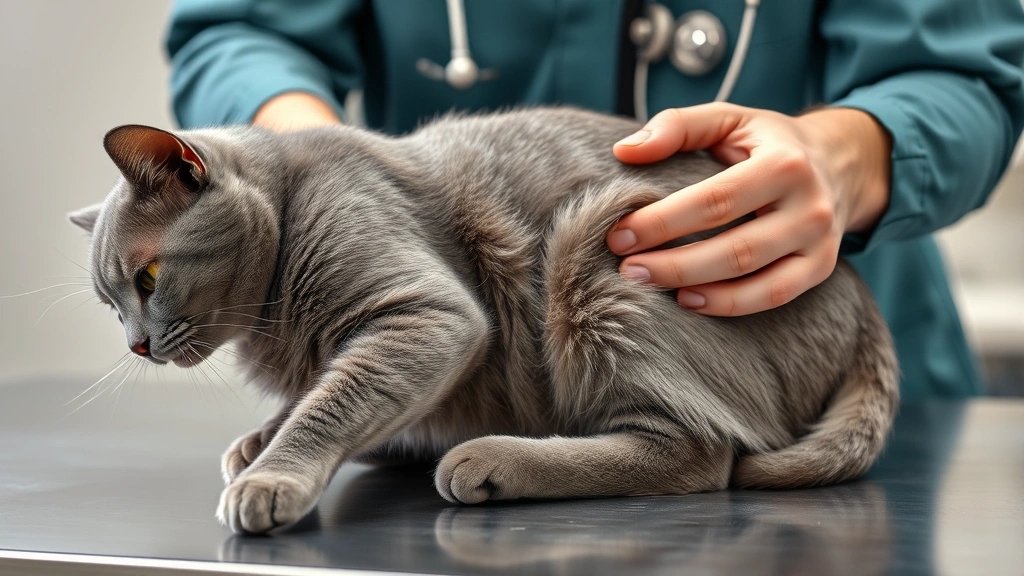
Diagnosis involves more than just observing symptoms. Your veterinarian will perform a physical examination, checking your cat’s reflexes, muscle tone, and pain response in different areas.
Blood work and urinalysis help rule out metabolic causes like diabetes or kidney disease. If those come back normal, your vet might recommend more specialized testing such as nerve conduction velocity studies or electromyography, which measure how well your cat’s nerves are functioning.
In some cases, imaging like X-rays or ultrasound may be needed to check for tumors or other structural issues. This thorough approach ensures your cat receives the right treatment from the start.
Treatment Approaches for Neuropathy in Cats
Treatment depends heavily on the underlying cause. If your cat has diabetic neuropathy, managing blood sugar becomes the priority. If an infection is responsible, treating that infection may resolve the nerve symptoms over time.
Beyond addressing the root cause, your vet will focus on pain management and supporting nerve health. This often involves a combination of medications, dietary adjustments, and supportive care—and sometimes, multiple approaches work better together than any single treatment alone.
The good news? Many cats show meaningful improvement when neuropathy is caught and treated early. Your cat’s prognosis depends on the cause and how quickly treatment begins.
Medications That May Help Manage Neuropathy Symptoms
Several medication classes have shown promise in helping cats with neuropathy feel more comfortable. Your veterinarian will choose based on your cat’s specific situation, underlying health, and response to treatment.
1. Gabapentin is one of the most commonly prescribed medications for neuropathic pain in cats. It works by calming overactive nerve signals and is often well-tolerated. Many cats show noticeable improvement in comfort within days to weeks of starting this medication.
2. Pregabalin works similarly to gabapentin but may be used when gabapentin alone isn’t providing enough relief. It’s particularly helpful for cats experiencing nerve-related pain or tingling sensations.
3. Amitriptyline is a tricyclic antidepressant that also has strong pain-relieving properties for neuropathic conditions. It can be especially useful when anxiety or stress is worsening your cat’s symptoms, as it addresses both the pain and emotional component.
4. NSAIDs (Non-Steroidal Anti-Inflammatory Drugs) may be recommended if inflammation is contributing to nerve damage. Your vet will monitor kidney and liver function, as some cats are more sensitive to these medications than others.
5. Supplements and nutraceuticals like B-complex vitamins, omega-3 fatty acids, and alpha-lipoic acid support nerve health from within. While not medications in the traditional sense, these can be valuable additions to your cat’s treatment plan.
Your veterinarian will determine which medications are appropriate and monitor your cat’s response over time. Adjustments are common as you find the best combination for your individual cat.
Nutritional Support and Dietary Adjustments
What your cat eats plays a bigger role in nerve health than many pet parents realize. A high-quality diet rich in B vitamins, antioxidants, and omega-3 fatty acids supports nerve function and may slow neuropathy progression.
If your cat has underlying kidney disease, your vet may recommend a specialized diet that manages both conditions. For diabetic cats, precise nutrition is essential to blood sugar control, which directly impacts nerve health.
Consider discussing feeding for immune support with your vet, especially if infection triggered your cat’s neuropathy. Some cats also benefit from adding fish oil or other supplements that reduce inflammation and support nerve repair.
When to Seek Emergency Care
Most neuropathy cases develop gradually, but certain situations warrant urgent attention. If your cat suddenly loses the ability to walk, experiences severe pain, or shows signs of paralysis, don’t wait for a regular appointment.
Similarly, if your cat stops eating, becomes lethargic, or shows signs of distress, these could indicate a more serious underlying condition requiring immediate evaluation. If you are unsure whether your pet needs urgent care, a quick telehealth check-in with The Pet Vet can give you peace of mind — no appointment needed.
Supporting Your Cat’s Comfort at Home
While medications and veterinary care form the foundation of treatment, your home environment matters tremendously. Here are practical ways to support your cat:
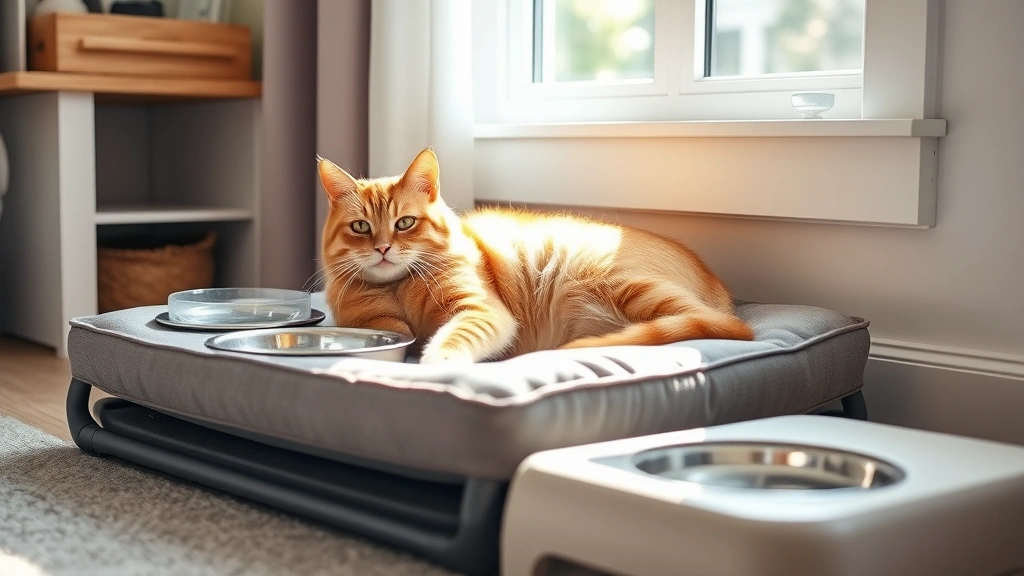
- Provide easy access to food, water, and litter boxes—consider low-sided boxes if climbing is difficult
- Use soft, cushioned bedding to reduce pressure on sensitive areas
- Maintain a consistent routine to minimize stress, which can worsen pain
- Limit jumping and climbing until your vet gives the okay for normal activity
- Keep your home warm—nerve pain often feels worse in cold environments
- Gentle handling and avoiding areas that cause pain during petting
These small adjustments can significantly improve your cat’s daily comfort while medications and treatment take effect.
Monitoring Progress and Adjusting Treatment
Neuropathy treatment isn’t typically a one-and-done situation. Your vet will want to see your cat regularly to assess how well medications are working and whether adjustments are needed.
Keep notes on your cat’s symptoms between visits. Does she seem more active? Is she climbing stairs again? Does she respond differently to touch? These observations help your vet fine-tune the treatment plan.
If your cat isn’t improving after 2-3 weeks on medication, or if new symptoms develop, contact your vet right away. Sometimes it takes a bit of trial and adjustment to find the perfect combination that works for your individual cat.
Long-Term Outlook for Cats with Neuropathy
The long-term prognosis depends on what caused the neuropathy and how quickly it was treated. Some cats recover substantially, while others manage the condition long-term with ongoing medication and supportive care.
Cats with diabetic neuropathy often improve significantly when blood sugar is well-controlled. Those whose neuropathy stems from infection may recover as the infection clears. Even cats with progressive conditions can maintain good quality of life with proper management.
The key is consistency—regular vet visits, medication adherence, and ongoing monitoring help ensure your cat gets the best possible outcome.
Frequently Asked Questions
Can neuropathy in cats be cured?
It depends on the underlying cause. If neuropathy stems from a treatable condition like diabetes or infection, addressing that may resolve nerve symptoms. In other cases, it’s managed long-term with medication and supportive care.
Is neuropathy painful for cats?
Yes, neuropathy can be quite painful, causing burning, tingling, or sharp sensations. However, medications like gabapentin are very effective at reducing neuropathic pain and improving comfort.
How long does it take for neuropathy treatment to work?
Many cats show improvement within 1-2 weeks of starting medication, though some take longer. Your vet will monitor progress and adjust treatment as needed.
Can I prevent neuropathy in my cat?
While you can’t prevent all cases, maintaining a healthy weight, feeding a quality diet, and keeping up with regular vet checkups help catch underlying conditions early—before they cause nerve damage.
What should I do if my cat shows signs of neuropathy?
Schedule a veterinary appointment promptly. Early diagnosis and treatment significantly improve outcomes. If symptoms are severe or your cat is in obvious distress, seek urgent care.
What To Do Now
If you suspect your cat may be experiencing neuropathy, here are your next steps:
- Schedule a veterinary appointment as soon as possible. Bring notes about when symptoms started and what behaviors you’ve observed.
- Prepare your cat’s medical history for your vet, including any recent illnesses, dietary changes, or medications your cat is currently taking.
- Make your home more comfortable while you wait for your appointment—lower litter boxes, soft bedding, and easy access to essentials can help.
- Document symptoms daily with photos or notes about your cat’s movement, pain responses, and activity level to share with your vet.
- Ask your vet about underlying causes like diabetes or kidney disease, and discuss whether blood work or other diagnostics might be helpful in your cat’s case.
Summary: Taking Action for Your Cat’s Nerve Health
Neuropathy in cats is a serious condition, but it’s far from hopeless. With proper diagnosis, targeted medication, dietary support, and consistent home care, many cats experience significant improvement in comfort and mobility.
The most important thing you can do right now is reach out to your veterinarian. Early intervention makes a tremendous difference in outcomes. If you notice limping, weakness, or pain responses in your cat, trust your instincts—those observations matter.
Your cat is counting on you to advocate for their health. By taking action today, you’re giving your feline friend the best chance at a comfortable, happy life. You’ve got this, and your vet is here to help every step of the way.
If you’d like a quick second opinion or have questions about whether your cat needs urgent care, The Pet Vet’s telehealth service is available whenever you need it. Sometimes peace of mind is just a click away.
This article is for general education and is not a substitute for care from your own veterinarian. Learn about The Pet Vet and our editorial policy.