
If you’ve noticed your cat’s belly looking swollen or distended, you might be dealing with ascites in cats—a condition where fluid accumulates in the abdominal cavity. This can be scary to discover, but understanding what’s happening and knowing your treatment options can help you feel more in control and better support your feline friend.
Table of Contents
- What Is Ascites in Cats?
- Common Causes of Abdominal Fluid Buildup in Felines
- Recognizing Symptoms Your Cat May Be Experiencing Ascites
- How Vets Diagnose Ascites
- Medication Options for Managing Ascites
- Dietary Management and Nutritional Support
- Supportive Care and Home Management
- When to Seek Emergency Veterinary Care
- Comparing Ascites in Cats vs. Dogs
- Long-Term Outlook and Prognosis
- Frequently Asked Questions
- What To Do Now
- Summary
This article is for informational purposes only and is not a substitute for professional veterinary advice. Always consult a licensed veterinarian for diagnosis and treatment.
What Is Ascites in Cats?
Ascites is the medical term for fluid buildup inside your cat’s abdomen. Think of it as an imbalance where fluid is collecting faster than the body can reabsorb it. This isn’t a disease itself—it’s usually a sign that something else is going on, like liver disease, heart problems, kidney issues, or even cancer.
The fluid can make your cat uncomfortable and interfere with normal organ function. Early detection makes a real difference in how well your cat responds to treatment.
Common Causes of Abdominal Fluid Buildup in Felines
Several underlying conditions can trigger ascites in cats. Understanding the root cause is essential because treatment depends on what’s actually causing the fluid accumulation.
Liver disease is one of the most common culprits. When the liver isn’t functioning properly, it can’t maintain the right protein balance, which leads to fluid leaking into the abdomen. Heart disease can also cause ascites because the heart isn’t pumping blood efficiently, creating pressure backups.
Other causes include:
- Kidney disease or failure
- Cancer or tumors in the abdomen
- Infections like feline peritonitis (FIP)
- Pancreatitis
- Severe malnutrition or low protein levels
- Blood clots or vascular problems
Your vet will run diagnostic tests to pinpoint the exact cause so treatment can be targeted effectively.
Recognizing Symptoms Your Cat May Be Experiencing Ascites
Catching ascites early gives your cat the best chance at managing the condition well. Watch for these warning signs:
- Visibly swollen or bloated belly
- Difficulty breathing or rapid breathing
- Lethargy or reduced activity
- Loss of appetite or eating less than usual
- Vomiting or nausea
- Reluctance to jump or move around
- Weight gain that seems sudden (from fluid, not fat)
If you notice any of these signs, don’t panic—many cats with ascites respond well to early intervention. Getting your cat to a vet quickly puts you in a great position to help.
How Vets Diagnose Ascites
Your veterinarian will use several tools to confirm ascites and identify the underlying cause. The process usually starts with a physical exam and your cat’s medical history.
Ultrasound is often the gold standard for detecting fluid in the abdomen. It’s non-invasive and gives your vet a clear picture of what’s happening inside. Blood work can reveal clues about liver, kidney, or heart function. Your vet might also perform an abdominal tap (paracentesis), where a small needle draws out some fluid for analysis to rule out infection or cancer.
These diagnostic steps help your vet create a personalized treatment plan rather than guessing at what might help.
Medication Options for Managing Ascites
Treatment focuses on managing the underlying cause while reducing fluid buildup. Your vet may recommend several medications working together.
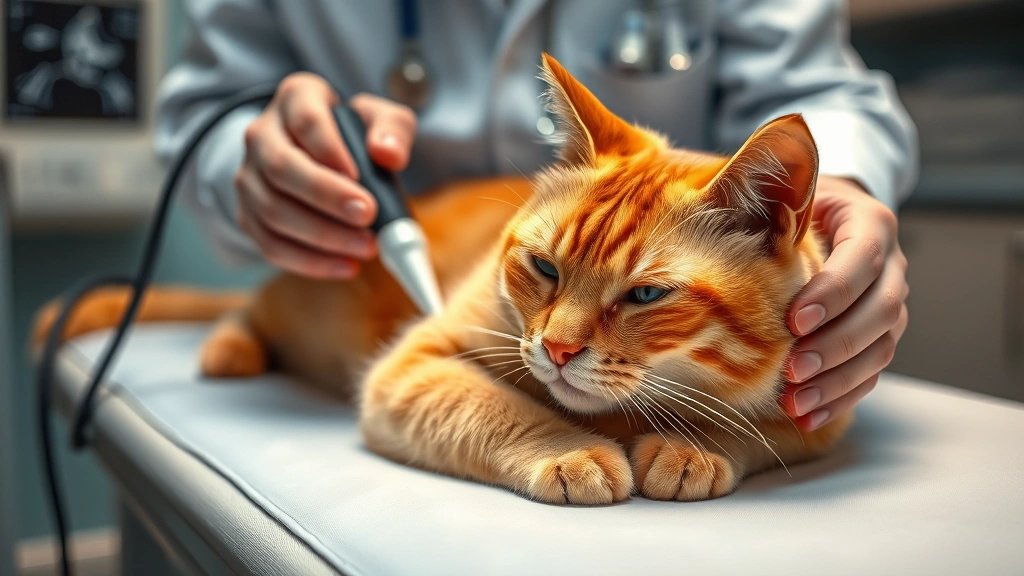
Diuretics are often prescribed to help your cat’s body eliminate excess fluid through urine. These medications encourage the kidneys to work more efficiently. Your vet will monitor your cat closely because diuretics need careful dosing—too much can stress the kidneys.
Medications for the underlying condition are equally important. If your cat has heart disease, heart medications may improve circulation. For liver disease, supportive medications can help protect remaining liver function. If kidney disease is the culprit, kidney-supportive treatments become the focus.
Your veterinarian will determine the right medication approach based on what’s causing the ascites. Some cats may need multiple medications working together for the best results.
Dietary Management and Nutritional Support
What your cat eats plays a significant role in managing ascites. Proper nutrition can support organ function and reduce fluid accumulation.
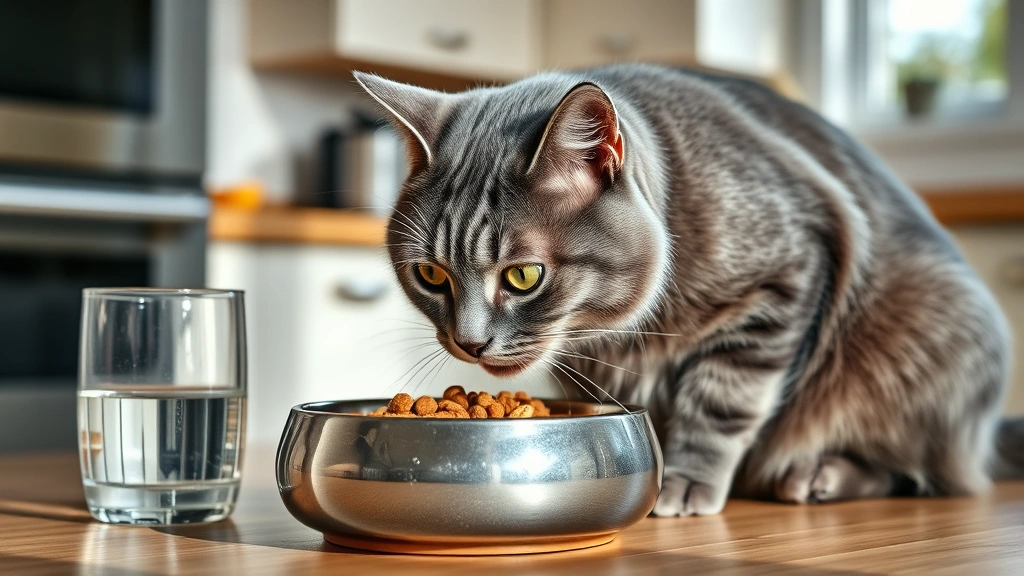
Many vets recommend low-sodium diets to help reduce fluid retention. Sodium causes the body to hold onto water, so limiting it helps prevent fluid buildup. Your cat may also benefit from high-quality protein to maintain muscle mass and support immune function—but your vet will guide the right amount based on kidney or liver status.
If your cat has kidney disease contributing to ascites, low phosphorus cat food may be recommended. For cats with liver involvement, cat kidney supplements and specialized diets can provide extra support. Always transition to new foods gradually and follow your vet’s specific dietary recommendations.
Proper portion control matters too. Weight appropriate portion timing helps prevent obesity, which can worsen ascites and stress the organs already struggling.
Supportive Care and Home Management
Beyond medications and diet, several at-home strategies help your cat feel more comfortable and support recovery.
Monitor fluid intake and output. Keep track of how much your cat drinks and urinates. Changes can signal how well treatment is working. Provide easy access to resources. Place food, water, and litter boxes on the same level to minimize jumping and strain on the abdomen.
Create a calm environment. Stress can worsen symptoms, so maintain a quiet, comfortable space for your cat to rest. Regular weigh-ins help you and your vet track whether the fluid is decreasing. Avoid toxic foods. Some human foods can stress organs already compromised by disease—check our guide on toxic human foods for cats to keep your pet safe.
These simple steps make a real difference in your cat’s comfort and treatment success.
When to Seek Emergency Veterinary Care
Most ascites cases need prompt attention, but some situations require immediate emergency care. Don’t wait if you notice:
- Severe difficulty breathing or gasping for air
- Sudden collapse or extreme lethargy
- Vomiting blood or dark material
- Inability to urinate or defecate
- Signs of severe pain or distress
If you’re unsure whether your pet needs urgent care, a quick telehealth check-in with a vet can give you peace of mind—no appointment needed. The Pet Vet offers convenient virtual consultations to help you make the right decision fast.
Comparing Ascites in Cats vs. Dogs
While ascites can occur in both cats and dogs, the causes and progression sometimes differ. Dogs may develop ascites from different heart conditions or cancers more commonly than cats. The diagnostic approach is similar, but treatment plans vary based on species-specific physiology.
If you have a dog with similar symptoms, check out our guide on ascites in dogs for species-specific information.
Long-Term Outlook and Prognosis
The long-term outlook depends heavily on what’s causing the ascites. Cats with treatable underlying conditions—like certain infections or early-stage heart disease—may have a good prognosis with proper management.
Conditions like advanced liver disease or cancer may require focus on comfort and quality of life rather than cure. Your vet will be honest about what to expect and help you set realistic goals for your cat’s care.
Regular check-ups and staying consistent with medications and diet give your cat the best chance at a good quality of life, regardless of the underlying cause.
Frequently Asked Questions
Can ascites in cats go away on its own?
Ascites rarely resolves without treatment because it’s a symptom of an underlying condition that needs attention. However, with proper medical care addressing the root cause, many cats see significant improvement or resolution of fluid buildup.
Is ascites painful for cats?
The fluid itself isn’t painful, but the pressure and discomfort from a swollen abdomen can make your cat uncomfortable, especially when moving or breathing. Treatment that reduces fluid buildup typically improves comfort quickly.
How much does ascites treatment cost?
Costs vary widely depending on diagnostics needed, underlying conditions, and medications required. Initial diagnosis might range from a few hundred to over a thousand dollars, with ongoing treatment costs depending on your cat’s specific needs.
Can I drain fluid from my cat’s abdomen at home?
No—abdominal fluid drainage must be performed by a licensed veterinarian in a sterile environment. Attempting this at home risks serious infection and harm to your cat’s organs.
How often will my cat need vet visits if diagnosed with ascites?
Initially, your vet may want to see your cat every 1–2 weeks to monitor progress and adjust medications. As your cat stabilizes, visits might become monthly or less frequent, depending on the underlying condition and treatment response.
What To Do Now
- Schedule a veterinary appointment immediately. If your cat shows signs of abdominal swelling or any symptoms mentioned above, don’t delay. Early diagnosis and treatment make a significant difference in outcomes.
- Gather your cat’s medical history. Write down any recent changes in appetite, behavior, weight, or litter box habits. This information helps your vet diagnose faster and more accurately.
- Prepare your home for recovery. Set up comfortable resting areas with easy access to food, water, and litter boxes on the same level to reduce strain during treatment.
- Ask your vet about dietary changes. Request specific recommendations for your cat’s diet, including any specialized foods or supplements that might support treatment.
- Consider a telehealth consultation if urgent care is unclear. If it’s after hours or you’re unsure about the urgency, The Pet Vet’s telehealth service can help you decide next steps quickly and conveniently.
Summary
Ascites in cats is a manageable condition when caught early and treated properly. While discovering fluid in your cat’s abdomen is concerning, remember that your vet has effective tools and medications to help. The key is identifying the underlying cause—whether it’s liver disease, heart problems, kidney issues, or something else—and addressing it directly.
Combine medications, dietary adjustments, and supportive home care for the best results. Stay consistent with treatment, attend regular vet appointments, and don’t hesitate to reach out if something changes. Your attentiveness and quick action give your beloved cat the best chance at feeling better and enjoying a good quality of life.