
If you’ve noticed your cat licking paws more than usual, it’s natural to wonder what’s going on and whether you should ask vet about cat licking paws during your next visit. Excessive paw licking in cats can stem from many different causes—some minor, others more serious—and understanding what’s behind this behavior is the first step toward helping your furry friend feel better.
Table of Contents
- Why Is My Cat Licking Their Paws So Much?
- Allergies: A Common Culprit Behind Paw Licking
- Skin Infections and Fungal Issues
- Parasites and External Irritants
- Pain and Injury as Hidden Causes
- Stress, Anxiety, and Behavioral Factors
- When to Ask Your Vet: Red Flags and Warning Signs
- 7 Essential Solutions to Help Your Cat
- The Role of Professional Veterinary Diagnosis
- How The Pet Vet Can Help
- Frequently Asked Questions
- What To Do Now
- Summary: Taking Action for Your Cat’s Health
This article is for informational purposes only and is not a substitute for professional veterinary advice. Always consult a licensed veterinarian for diagnosis and treatment.
Cats are naturally fastidious groomers, spending a significant portion of their day cleaning themselves. However, when paw licking becomes obsessive or focused, it often signals that something needs attention. Whether it’s an itch, an infection, stress, or pain, your veterinarian can help pinpoint the cause and recommend the right approach.
Why Is My Cat Licking Their Paws So Much?
Excessive paw licking usually falls into a few broad categories: physical discomfort, allergies, infections, or behavioral issues. The key is noticing whether the behavior is new, how often it happens, and whether other symptoms are present.
Your cat may be experiencing anything from a simple itch to a more complex condition. Catching this early puts you in a great position to help your cat feel comfortable again. The sooner you bring it up with your vet, the sooner you can rule out serious causes and move toward relief.
Allergies: A Common Culprit Behind Paw Licking
Just like humans, cats can develop allergies to food, environmental factors, or contact irritants. When a cat has an allergy, their skin may become inflamed, leading to itching and excessive licking of the paws.
Food allergies in cats often involve chicken, beef, dairy, or grains. Environmental allergies might be triggered by pollen, dust mites, or mold. Contact allergies can occur from litter, cleaning products, or certain fabrics.
Your vet can help identify potential allergens through history, observation, and sometimes elimination diets or allergy testing. Managing allergies often involves removing the trigger or using supportive care to reduce itching.
Skin Infections and Fungal Issues
Fungal infections like ringworm are surprisingly common in cats and can cause localized itching, hair loss, and excessive licking. Bacterial skin infections can also develop, especially if your cat has been scratching at their paws.
These infections are contagious and can spread to other pets or even people, so it’s important to have them diagnosed and treated promptly. Your veterinarian can take a sample or culture to confirm the type of infection and recommend appropriate treatment.
The good news is that skin infections respond well to treatment when caught early. Don’t delay reaching out to your vet if you suspect an infection.
Parasites and External Irritants
Fleas, mites, and lice are parasites that can cause intense itching and paw licking in cats. Even indoor cats can pick up parasites, and it only takes one flea to trigger a reaction in sensitive cats.
Mites, in particular, can cause a condition called feline scabies or mange, which leads to severe itching and crusting of the skin. Your vet can examine your cat’s skin under a microscope or with a special light to detect parasites.
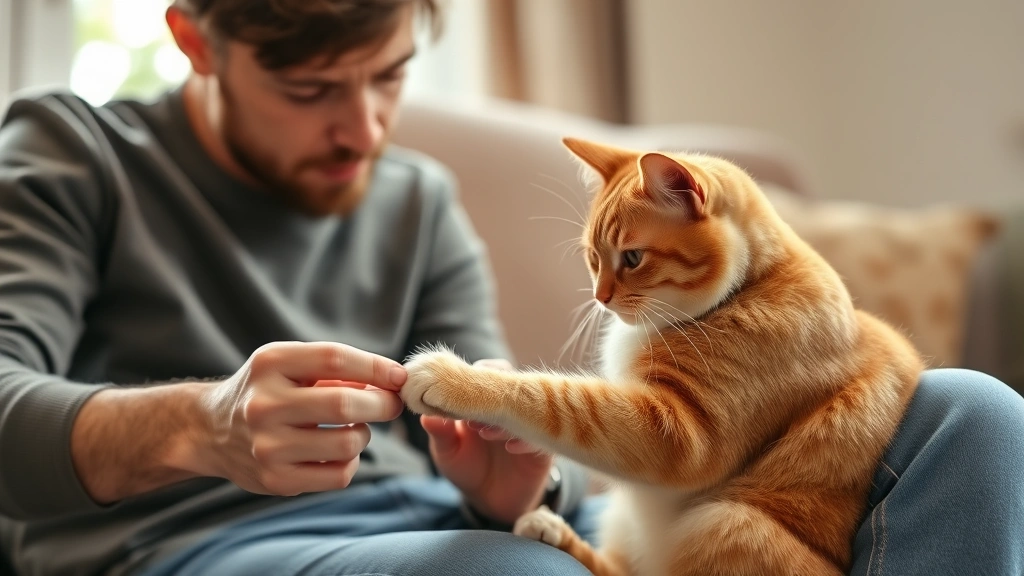
Prevention is easier than treatment, so ask your vet about year-round parasite prevention options suited to your cat’s lifestyle and health status.
Pain and Injury as Hidden Causes
Sometimes excessive paw licking is a sign that your cat is experiencing pain or discomfort in that area. Injuries, arthritis, or even a thorn or splinter lodged in the paw pad can trigger licking behavior.
Cats also lick painful areas as a self-soothing mechanism, much like humans rub a sore spot. If your cat is limping, reluctant to walk, or showing swelling in the paw, pain is likely involved.
Your veterinarian will perform a thorough physical examination to rule out injuries, joint problems, or other sources of pain. Early intervention can prevent secondary infections from developing due to excessive licking.
Stress, Anxiety, and Behavioral Factors
Cats are sensitive creatures, and stress or anxiety can manifest as repetitive behaviors like paw licking. Changes in the home environment, new pets, loud noises, or even changes in routine can trigger stress-related licking.
This type of licking is sometimes called psychogenic alopecia when it leads to hair loss. It’s not a sign of a medical emergency, but it does indicate your cat needs support to feel safer and more secure.
Your vet can help distinguish between stress-related licking and medical causes, and may suggest environmental enrichment, pheromone products, or other calming strategies. You can also talk to a vet about cat anxiety online for convenient guidance on managing stress in your cat.
When to Ask Your Vet: Red Flags and Warning Signs
Certain signs warrant prompt veterinary attention. If your cat is licking so much that they’re losing hair, developing sores, or showing signs of infection, don’t wait for a routine appointment.
Other red flags include:
- Limping or reluctance to bear weight on the affected paw
- Swelling, redness, or discharge from the paw pad
- Sudden onset of excessive licking
- Lethargy or loss of appetite alongside the licking
- Visible wounds or sores on the paws
- Licking that persists despite home care efforts
If you’re unsure whether your pet needs urgent care, a quick telehealth check-in can give you peace of mind—no appointment needed. The Pet Vet offers online consultations so you can describe what you’re seeing and get professional guidance right away.
7 Essential Solutions to Help Your Cat
Once you’ve identified the underlying cause with your vet, here are evidence-based approaches to address excessive paw licking:
- Address allergies: Work with your vet to identify and eliminate allergens. This may involve dietary changes, environmental modifications, or medication to manage itching.
- Treat infections: If fungal or bacterial infection is present, your vet will recommend topical or systemic treatment. Keep the area clean and follow treatment instructions carefully.
- Prevent parasites: Use a year-round parasite prevention product recommended by your vet, even for indoor cats.
- Manage pain: If pain is the cause, your vet may recommend pain management options, supplements, or physical therapy depending on the underlying issue.
- Reduce stress: Provide enrichment, maintain routine, and consider calming products like pheromone diffusers or supplements. Ask your vet about behavioral support strategies tailored to your cat’s needs.
- Use protective measures: In some cases, an Elizabethan collar may prevent further licking while healing occurs, though this should only be used as directed by your vet.
- Monitor and follow up: Keep detailed notes of when licking occurs, any triggers you notice, and how your cat responds to treatment. Share this information with your vet at follow-up visits.
The Role of Professional Veterinary Diagnosis
While this guide provides helpful context, only a veterinarian can properly diagnose the cause of your cat’s excessive paw licking. Your vet will use physical examination, patient history, and possibly diagnostic tests to determine what’s happening.
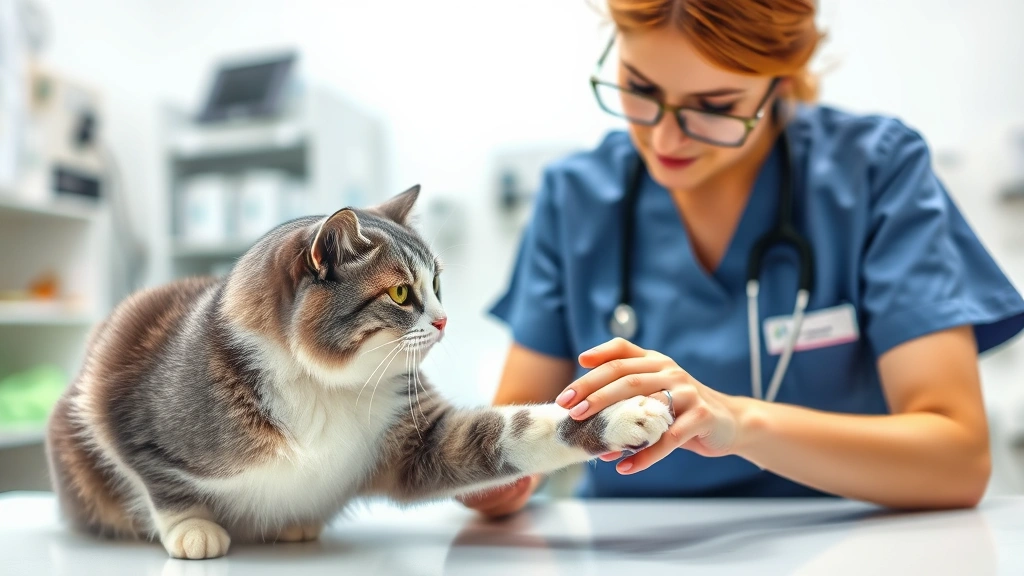
Different causes require different treatments, so an accurate diagnosis is essential. What works for an allergy won’t help a fungal infection, and pain management is different from behavioral intervention.
Don’t hesitate to ask your vet detailed questions about the diagnosis, treatment plan, and what to expect. A good veterinarian welcomes questions and wants you to feel confident in the care plan.
How The Pet Vet Can Help
If you’re concerned about your cat’s paw licking and want professional input without the hassle of scheduling an in-person appointment, telehealth can be a convenient option. The Pet Vet connects you with licensed veterinarians who can evaluate your cat’s symptoms, answer your questions, and provide recommendations.
Telehealth is especially helpful for initial assessments, follow-up questions after an in-person visit, or when you want a second opinion. You can describe what you’re seeing, share photos or videos, and get professional guidance on next steps.
Frequently Asked Questions
Is it normal for cats to lick their paws?
Yes, cats groom their paws as part of normal hygiene. However, frequent, focused, or obsessive licking beyond routine grooming usually indicates an underlying issue that warrants veterinary evaluation.
Can cat paw licking be caused by stress alone?
Stress can cause excessive paw licking, but it’s important to rule out medical causes first. Your vet can help determine whether the behavior is stress-related or has a physical cause.
How long does it take to see improvement after starting treatment?
This depends on the cause and treatment type. Some conditions improve within days, while others may take weeks. Your vet will give you a timeline and schedule follow-up visits to monitor progress.
Can I use home remedies to treat my cat’s paw licking?
While some home care measures like keeping paws clean can support treatment, they shouldn’t replace professional veterinary diagnosis and care. Always consult your vet before trying any home remedies.
Should I be worried if my cat licks their paws more in winter?
Seasonal changes can trigger allergies or dry skin that leads to increased licking. If you notice a pattern, mention it to your vet so they can provide seasonal prevention or care strategies.
What To Do Now
- Observe and document: Note when your cat licks their paws, how often it happens, and any other symptoms you notice. This information helps your vet narrow down the cause.
- Schedule a veterinary appointment: Contact your regular vet or use a telehealth service like The Pet Vet to discuss your concerns. Describe the behavior and any other changes you’ve noticed.
- Check for visible issues: Gently examine your cat’s paws for signs of injury, swelling, redness, or discharge. Don’t force your cat if they’re uncomfortable, but note what you see.
- Avoid home treatments without guidance: Wait for your vet’s diagnosis before starting any treatments, medications, or supplements to ensure you’re addressing the actual cause.
- Follow your vet’s treatment plan: Once diagnosed, follow the recommended treatment consistently and attend follow-up appointments to ensure your cat is improving.
Summary: Taking Action for Your Cat’s Health
Excessive paw licking in cats is a sign that something needs attention, whether it’s an allergy, infection, pain, or stress. Rather than assuming it will resolve on its own, asking your vet about cat licking paws is the best way to identify the cause and get your cat relief.
Your veterinarian has the tools, knowledge, and experience to diagnose the problem accurately and recommend effective solutions. Whether you choose an in-person visit or a convenient telehealth consultation, professional guidance is the key to helping your cat feel comfortable again.
Remember, early intervention often leads to faster recovery and prevents secondary problems like infections from developing. Trust your instincts as a pet owner, document what you’re seeing, and reach out to your vet with confidence. Your cat is counting on you to be their advocate.