
When your cat starts vomiting, it’s natural to feel worried and unsure about what comes next. If you need to ask vet about cat vomiting, you’re taking exactly the right step—because while occasional hairballs are normal, frequent vomiting can signal that your feline friend needs help. The good news? Your vet has several effective treatment options, and understanding them can ease your mind.
Table of Contents
- Why Cat Vomiting Matters and When to Seek Help
- Understanding the Root Causes Before Medication
- Common Medications Vets Recommend for Cat Vomiting
- Dietary Management Works Hand-in-Hand With Medication
- What to Expect During Your Vet Visit
- Telehealth Options for Cat Vomiting Concerns
- Prevention Tips to Reduce Vomiting Episodes
- When Vomiting Signals a More Serious Condition
- Supporting Your Cat Through Treatment
- Frequently Asked Questions
- What To Do Now
- Summary: Taking Action on Cat Vomiting
This article is for informational purposes only and is not a substitute for professional veterinary advice. Always consult a licensed veterinarian for diagnosis and treatment.
Why Cat Vomiting Matters and When to Seek Help
Cat vomiting happens for many reasons—from dietary sensitivity to more serious underlying conditions. What matters most is recognizing when it’s time to reach out to your veterinarian. If your cat is vomiting more than once or twice a week, or if the vomiting is accompanied by lethargy, loss of appetite, or weight loss, those are clear signals that professional guidance is needed.
The sooner you connect with your vet, the sooner they can identify the root cause and recommend the right treatment plan. Catching this early puts you in a great position to help your cat feel better faster.
Understanding the Root Causes Before Medication
Before your vet prescribes any medication, they’ll want to understand what’s triggering the vomiting. Common causes include food sensitivities, hairballs, gastroenteritis, and in some cases, more complex issues like inflammatory bowel disease in cats. Your veterinarian might recommend bloodwork, imaging, or a dietary trial to pinpoint the problem.
This detective work is crucial because the right medication depends entirely on the underlying cause. A medication that works beautifully for one type of vomiting may not help another.
Common Medications Vets Recommend for Cat Vomiting
Once your vet has identified the cause, they may recommend one or more of these medication categories. Each works differently, and your vet will choose based on your cat’s specific situation.
Anti-Nausea Medications
Anti-nausea medications are often the first line of defense. These help calm your cat’s stomach and reduce the urge to vomit, giving their digestive system a chance to settle. Your vet may recommend these if your cat is experiencing nausea from various causes, including motion sickness or post-operative recovery.
Acid Reducers and Gastric Protectants
If your cat’s vomiting is related to stomach acid irritation, your vet might suggest medications that reduce acid production or protect the stomach lining. These can be especially helpful if your cat has gastritis or reflux-like symptoms. These medications work by creating a more comfortable environment in the stomach, reducing irritation and the urge to vomit.
Probiotics and Digestive Aids
A healthy gut microbiome matters tremendously for cats. Probiotic supplements designed for felines can help restore balance to their digestive system. These are particularly useful if antibiotics or dietary changes have disrupted your cat’s normal gut bacteria. Many vets now recommend probiotics as part of a comprehensive approach to digestive health.
Appetite Stimulants
When vomiting causes your cat to lose interest in food, appetite stimulants can help. These medications can gently encourage your cat to eat again, which is important for maintaining nutrition and supporting recovery. Your vet will only recommend these when appetite loss is a real concern.
Dietary Management Works Hand-in-Hand With Medication
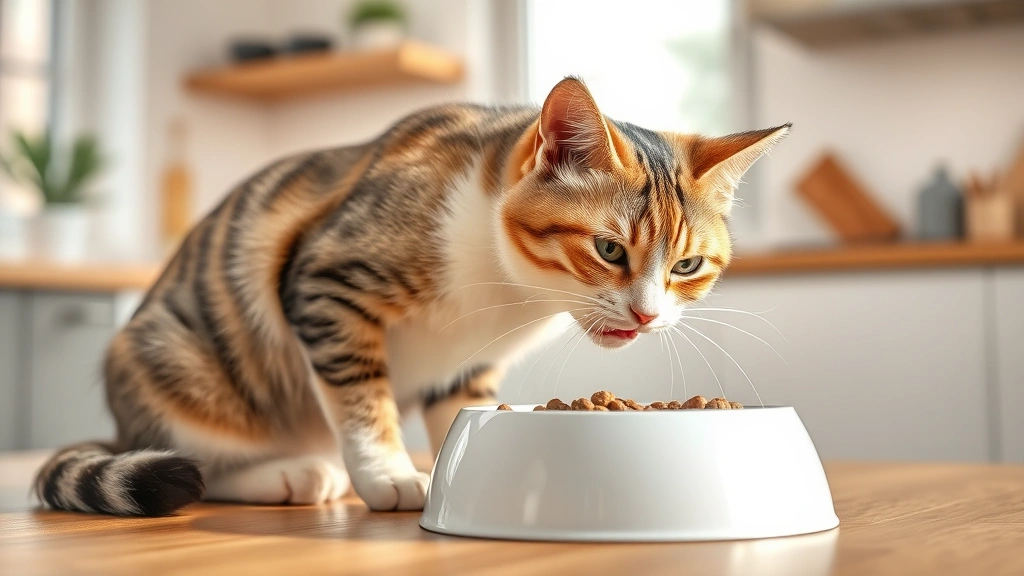
Here’s something many pet owners don’t realize: medication alone often isn’t the complete answer. Your vet will likely recommend dietary changes alongside any medication. This might mean switching to a limited-ingredient diet, a prescription digestive care formula, or feeding smaller, more frequent meals.
Work closely with your vet on the dietary piece—it’s often just as important as the medication itself. Some cats respond beautifully to a simple diet change combined with the right medication.
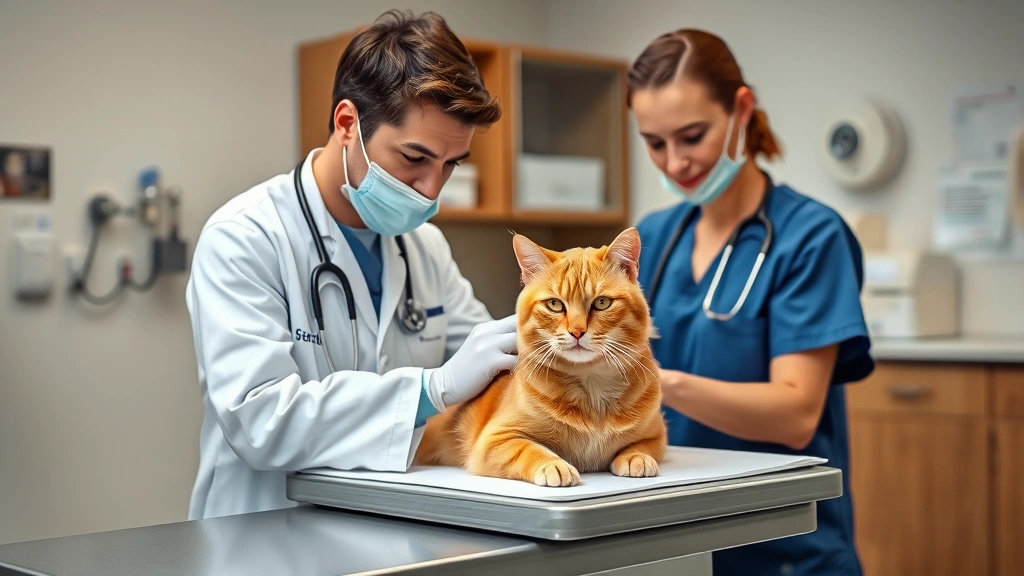
What to Expect During Your Vet Visit
When you visit your veterinarian to discuss your cat’s vomiting, here’s what typically happens:
- Your vet will ask detailed questions about when the vomiting started, how often it occurs, and what the vomit looks like
- They’ll perform a physical examination to check for signs of dehydration or abdominal pain
- They may recommend diagnostic tests like bloodwork or ultrasound to rule out serious conditions
- Based on findings, they’ll discuss medication options and explain how each works
- They’ll provide clear instructions on administration and what to watch for
Don’t hesitate to ask questions during this visit. Your vet wants you to feel confident about the treatment plan.
Telehealth Options for Cat Vomiting Concerns
If you’re unsure whether your pet needs urgent in-person care or want a quick professional opinion before scheduling an appointment, telehealth can be incredibly helpful. You can talk to a vet online about various cat health concerns, including vomiting. A telehealth consultation gives you peace of mind and professional guidance without the wait—no appointment needed. Your vet can often recommend next steps and discuss whether in-person diagnostics are necessary.
Prevention Tips to Reduce Vomiting Episodes
While medication helps, prevention matters too. Here are practical steps to reduce vomiting:
- Feed smaller, more frequent meals rather than one large meal—this is gentler on the digestive system
- Use elevated food and water bowls to reduce strain on the esophagus
- Keep your cat hydrated by ensuring fresh water is always available
- Minimize stress through environmental enrichment and consistent routines
- Avoid sudden diet changes—transition slowly over 7-10 days if switching foods
- Consider hairball prevention with brushing or specialized diets if hairballs are the issue
These simple adjustments often make a significant difference alongside medication.
When Vomiting Signals a More Serious Condition
While many cases of cat vomiting respond well to medication and dietary management, sometimes vomiting is a symptom of something more serious. Conditions like toxin ingestion from toxic human foods for cats, pancreatitis, or kidney disease require more specialized treatment. This is exactly why professional veterinary evaluation is so important—your vet can distinguish between a simple case and something that needs more intensive care.
If your cat seems very ill, is vomiting repeatedly, or shows signs of severe dehydration, seek emergency care immediately. These situations require urgent attention.
Supporting Your Cat Through Treatment
Once your vet prescribes medication, your role as a caring pet owner is crucial. Give medications exactly as directed, even if your cat seems to improve quickly. Keep detailed notes about vomiting episodes, appetite, and any changes you notice—this information helps your vet fine-tune the treatment plan.
Be patient too. Some medications take a few days to show results, and dietary adjustments can take weeks to have full effect. Consistency is key to success.
Frequently Asked Questions
How long does it take for cat vomiting medication to work?
Most anti-nausea medications begin working within hours to a few days, but dietary changes and probiotics may take 1-2 weeks to show full benefit. Your vet will let you know what timeline to expect.
Can I give my cat over-the-counter medication for vomiting?
No—never give your cat over-the-counter medications without explicit veterinary approval. Cats metabolize drugs differently than humans, and some common medications can be harmful. Always consult your vet first.
Is cat vomiting always serious?
Not always. Occasional hairballs or mild dietary upset are common. However, frequent vomiting, vomiting with other symptoms, or vomiting that doesn’t improve warrants professional evaluation to rule out serious conditions.
What if the first medication doesn’t work?
If your cat doesn’t improve after a few weeks, contact your vet. They may adjust the medication, try a different approach, or recommend additional diagnostics. Finding the right solution sometimes takes a bit of trial and adjustment.
Can stress cause cat vomiting?
Yes, stress can contribute to vomiting in sensitive cats. Environmental changes, new pets, or household disruptions can trigger digestive upset. Your vet may recommend stress-reduction strategies alongside medication.
What To Do Now
- Schedule a veterinary appointment if your cat is vomiting more than once weekly or showing other concerning symptoms
- Document your cat’s vomiting pattern—note when it happens, what the vomit looks like, and any other symptoms—to share with your vet
- Review your cat’s current diet and be prepared to discuss any recent food changes or treats with your veterinarian
- Consider a telehealth consultation if you need quick guidance before an in-person visit or want professional reassurance about urgency
- Prepare a list of questions about medication options, side effects, and dietary recommendations to ask during your vet visit
Summary: Taking Action on Cat Vomiting
When you need to ask vet about cat vomiting, you’re taking an important step toward your cat’s wellbeing. Vomiting is your cat’s way of telling you something needs attention, and the right medication combined with dietary management can make a real difference. Your veterinarian has effective tools and experience to help—trust the process, follow their recommendations closely, and don’t hesitate to reach out if things aren’t improving.
Your cat is lucky to have someone who cares enough to seek answers. With professional guidance and consistent care, most cats with vomiting issues show significant improvement. You’ve got this, and your vet is here to support you every step of the way.
External Resources: