
If your dog has been scratching at their ears more than usual, or you’ve noticed a foul smell coming from inside their ear canal, it’s time to ask your vet about dog ear infection right away. Ear infections are one of the most common reasons pet owners seek veterinary care, and catching them early makes a real difference in your dog’s comfort and recovery.
Table of Contents
- Why Your Dog’s Ears Need Attention
- Common Signs Your Dog May Be Experiencing an Ear Infection
- What Causes Dog Ear Infections?
- Questions to Ask Your Vet About Dog Ear Infection
- When to Seek Urgent Care
- How Telehealth Can Help With Ear Infection Concerns
- The Role of Allergies in Ear Infections
- Home Care Tips While Waiting for Your Vet Appointment
- Frequently Asked Questions
- What To Do Now
- Summary
This article is for informational purposes only and is not a substitute for professional veterinary advice. Always consult a licensed veterinarian for diagnosis and treatment.
Why Your Dog’s Ears Need Attention
Dog ears are surprisingly vulnerable. Unlike human ears, a dog’s ear canal is L-shaped, which means moisture, debris, and bacteria can get trapped more easily. When conditions are right—warmth, humidity, and the right microbes—an infection can develop quickly.
The good news? Most ear infections respond really well to treatment when caught early. Catching this early puts you in a great position to help your pup feel better fast.
Common Signs Your Dog May Be Experiencing an Ear Infection
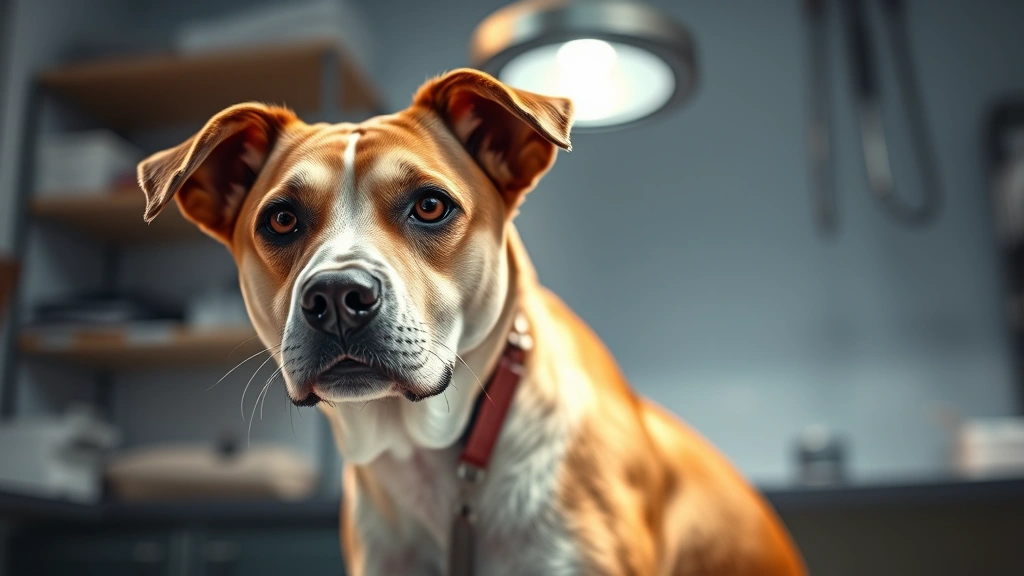
Before you ask your vet about a dog ear infection, it helps to know what to look for. Here are the telltale signs:
- Excessive scratching or head shaking – Your dog may paw at their ears or rub their head on furniture.
- Odor – A yeasty or foul smell coming from the ear is a classic red flag.
- Redness or swelling – The inner ear flap or canal may look inflamed.
- Discharge – You might see waxy, brown, yellow, or bloody discharge.
- Behavioral changes – Pain can make dogs irritable, withdrawn, or less interested in play.
- Tilting their head – A persistent head tilt can indicate discomfort or balance issues.
If you’re seeing one or more of these signs, reaching out to your veterinarian is the right move.
What Causes Dog Ear Infections?
Understanding the root cause helps explain why your vet will ask certain questions. Ear infections in dogs usually fall into three categories: bacterial, yeast-based, or parasitic.
Bacterial infections often develop when moisture gets trapped in the ear or after an injury to the ear canal. Yeast infections are especially common in dogs with floppy ears or allergies, since yeast thrives in warm, moist environments. Parasitic infections like ear mites are less common in adult dogs but can happen, particularly in puppies or dogs with weakened immune systems.
Underlying allergies—whether food-related or environmental—are a huge contributing factor. If your dog has recurring ear infections, your vet will likely investigate whether allergies are playing a role.
Questions to Ask Your Vet About Dog Ear Infection
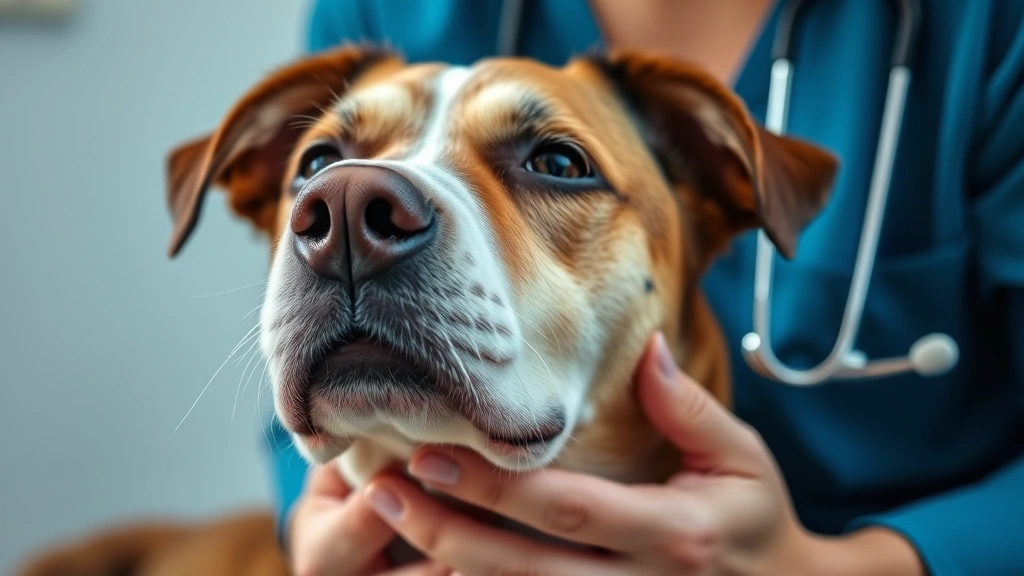
Walking into a vet visit prepared helps you get the most out of your appointment. Here are seven essential questions to ask your vet about dog ear infection:
1. What Type of Infection Does My Dog Have?
Your vet can often identify whether it’s bacterial, yeast, or parasitic by examining a sample under a microscope. Knowing the type guides treatment and helps prevent future infections.
2. Is This a One-Time Issue or Part of a Pattern?
If your dog has had multiple ear infections, your vet will want to dig deeper. Recurring infections suggest an underlying cause like allergies or a structural issue that needs addressing.
3. What’s Causing This Infection?
Ask your vet to explain the root cause. Is it moisture buildup? Allergies? A foreign object? Understanding the “why” helps you prevent it from happening again.
4. What’s the Best Treatment Plan?
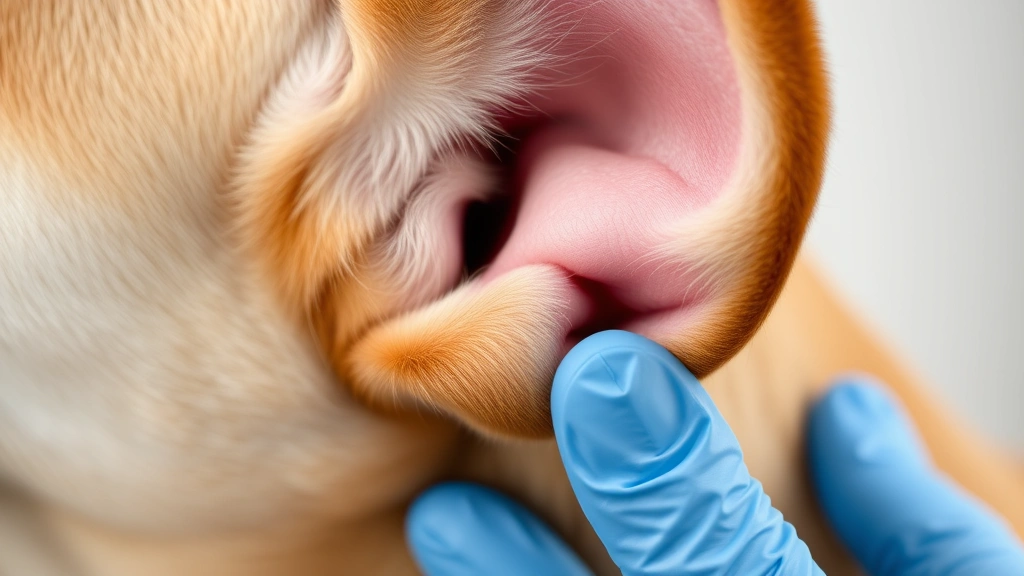
Your vet will recommend a cleaning protocol and may suggest ear drops or other supportive care. Make sure you understand exactly how to apply any medications and for how long.
5. How Long Until My Dog Feels Better?
Most dogs show improvement within a few days of starting treatment, though complete healing takes longer. Knowing the timeline helps you stay patient and monitor progress.
6. Are There Any At-Home Care Steps I Should Take?
Your vet may recommend gentle ear cleaning, keeping the ears dry after baths, or dietary adjustments. Ask for specific instructions so you can support the healing process.
7. How Can We Prevent This From Happening Again?
This is crucial, especially for dogs prone to infections. Your vet might suggest regular ear checks, dietary changes, or allergy management strategies.

When to Seek Urgent Care
Most ear infections aren’t emergencies, but some situations warrant faster action. If your dog has severe pain, signs of a ruptured eardrum, or if they suddenly lose balance or tilt their head severely, contact your vet or an emergency clinic right away.
Your dog’s comfort matters, and prompt attention prevents complications. Don’t wait if you’re concerned—reach out to your vet.
How Telehealth Can Help With Ear Infection Concerns
If you’re unsure whether your pet needs urgent care, a quick telehealth check-in can give you peace of mind—no appointment needed. You can talk to a vet about dog ear infection online from home, show your vet photos or videos of the discharge or redness, and get guidance on next steps. Many ear infections can be evaluated and treated with a telehealth visit, saving you time and stress.
For more detailed information about ear infections, check out our comprehensive guide on ear infections in dogs.

The Role of Allergies in Ear Infections
Here’s something many pet owners don’t realize: if your dog keeps getting ear infections, allergies might be the real culprit. Dogs with allergies—whether to food, pollen, or other environmental triggers—are much more prone to ear problems.
When you ask your vet about dog ear infection prevention, definitely bring up allergies. Your vet may recommend allergy testing, dietary changes, or other management strategies. Treating the underlying allergy often stops the cycle of recurring infections.
If your dog also has itching in other areas, that’s another clue that allergies might be involved.
Home Care Tips While Waiting for Your Vet Appointment
Until you can see your vet, there are gentle steps you can take to help your dog feel more comfortable:

- Keep ears dry – After baths or swimming, gently dry the outer ear with a soft cloth.
- Avoid inserting anything into the ear canal – Let your vet handle any deep cleaning.
- Minimize scratching – If your dog is scratching intensely, an Elizabethan collar can prevent further irritation.
- Stay calm – Dogs pick up on our anxiety, so staying relaxed helps them feel safer.
These simple steps support your dog’s comfort without interfering with proper treatment.
Frequently Asked Questions
How long does it take to treat a dog ear infection?
Most dogs show improvement within 3–5 days of starting treatment. However, complete healing typically takes 2–4 weeks depending on the severity and type of infection.
Can I clean my dog’s ears at home to prevent infections?
Yes, gentle weekly ear cleaning with a vet-approved solution can help prevent infections, especially for dogs with floppy ears. Always ask your vet for the right technique and products.
Are dog ear infections contagious to other pets?
Bacterial and yeast infections aren’t typically contagious. However, ear mites can spread to other animals, so your vet may recommend checking other pets in the household.

What should I do if my dog’s ear infection keeps coming back?
Recurring infections usually point to an underlying cause like allergies, a structural issue, or moisture buildup. Ask your vet to investigate root causes rather than just treating each infection as it appears.
Can I use over-the-counter ear drops without seeing a vet first?
It’s best to have your vet diagnose the infection first. Using the wrong type of drops can sometimes make things worse, especially if the eardrum is damaged.
What To Do Now
Here’s your action plan for getting your dog the help they need:
- Schedule a vet appointment – Call your veterinarian today or use telehealth to get a same-day evaluation if your dog is in discomfort.
- Document symptoms – Note when the scratching started, what the discharge looks like, and any other changes in behavior. This info helps your vet make a faster diagnosis.
- Prepare your questions – Write down the seven questions from this article so you don’t forget anything during your visit.
- Ask about prevention – Once the infection is treated, discuss long-term strategies with your vet to keep it from happening again.
- Follow treatment instructions carefully – Stick to the exact protocol your vet recommends, even if your dog seems better after a few days.
Summary
Ear infections are uncomfortable and frustrating for dogs, but they’re also highly treatable when you catch them early and work with your vet. The key is to ask your vet about dog ear infection as soon as you notice signs like scratching, odor, or discharge.

Your vet will identify the type of infection, uncover the root cause, and create a treatment plan tailored to your dog. Whether you visit in person or connect with a vet online, getting professional guidance is the best way to help your pup feel better fast.
Remember: you know your dog best. Trust your instincts, ask the questions that matter to you, and don’t hesitate to reach out to your vet. Your dog’s comfort is worth it.