
If you’ve noticed your dog scratching more than usual, it’s time to ask vet about dog itching and get to the root of what’s bothering your furry friend. Constant scratching, licking, and biting at the skin can be frustrating to watch, and it’s often a sign that something needs attention. The good news? Most cases of dog itching are manageable once you understand what’s causing it, and your vet can help you find relief fast.
Table of Contents
- Why Your Dog Is Itching More Than Usual
- Common Causes of Dog Itching You Should Know
- When to Ask Your Vet About Dog Itching
- Solution 1: Get a Proper Diagnosis From Your Vet
- Solution 2: Address Parasites With Prevention
- Solution 3: Optimize Your Dog’s Diet for Skin Health
- Solution 4: Use Soothing Baths and Topical Care
- Solution 5: Control Environmental Triggers
- Solution 6: Consider Supplements and Natural Support
- Solution 7: Manage Stress and Anxiety
- What to Do Now: Your Action Plan
- Frequently Asked Questions
- Summary: Taking Action on Dog Itching
This article is for informational purposes only and is not a substitute for professional veterinary advice. Always consult a licensed veterinarian for diagnosis and treatment.
Why Your Dog Is Itching More Than Usual
Dog itching doesn’t happen in a vacuum. There’s always a reason behind it—whether it’s allergies, parasites, dry skin, or something else entirely. Understanding the cause is the first step toward relief.
The most common culprits include environmental allergies (pollen, dust, mold), food sensitivities, parasites like fleas and mites, and dry or inflamed skin. Some dogs are also prone to yeast or bacterial infections that make them itch like crazy. Catching this early puts you in a great position to help your pup feel better faster.
Common Causes of Dog Itching You Should Know
Before you ask vet about dog itching, it helps to have a sense of what might be going on. Here are the most frequent causes:
- Allergies: Just like humans, dogs can develop allergies to environmental triggers or food ingredients. Dog skin allergies often show up as itching, redness, and ear infections.
- Fleas and mites: Even one flea can cause intense itching. Mange mites are another common parasitic culprit.
- Dry skin: Winter air, low humidity, and certain diets can leave your dog’s skin parched and uncomfortable.
- Yeast or bacterial infections: These thrive in warm, moist areas and cause localized or widespread itching.
- Food sensitivities: Chicken, beef, wheat, and corn are common triggers for some dogs.
When to Ask Your Vet About Dog Itching
Not every scratch warrants an emergency vet visit, but certain signs mean you should reach out sooner rather than later. If your dog is itching constantly, losing fur, developing red or inflamed patches, or showing signs of infection (oozing, crusting, bad smell), it’s time to call.
Also pay attention to timing. If the itching appears suddenly or gets worse in specific seasons, mention that to your vet—it can point toward allergies. If you’re unsure whether your pet needs urgent care, a quick telehealth check-in can give you peace of mind and help you decide next steps without waiting for an appointment.
Solution 1: Get a Proper Diagnosis From Your Vet
The foundation of relief is knowing exactly what you’re dealing with. Your vet will likely perform a physical exam, look at your dog’s skin under magnification, and possibly run tests like skin scrapings or fungal cultures.
Don’t skip this step. A correct diagnosis means you can treat the actual problem instead of guessing. Your vet might also ask detailed questions about your dog’s diet, environment, and when the itching started—all clues that point toward the cause.
Solution 2: Address Parasites With Prevention
If fleas or mites are the culprit, your vet will recommend a parasite prevention plan. Modern flea and tick preventatives are highly effective and come in many forms—oral, topical, or collar-based.
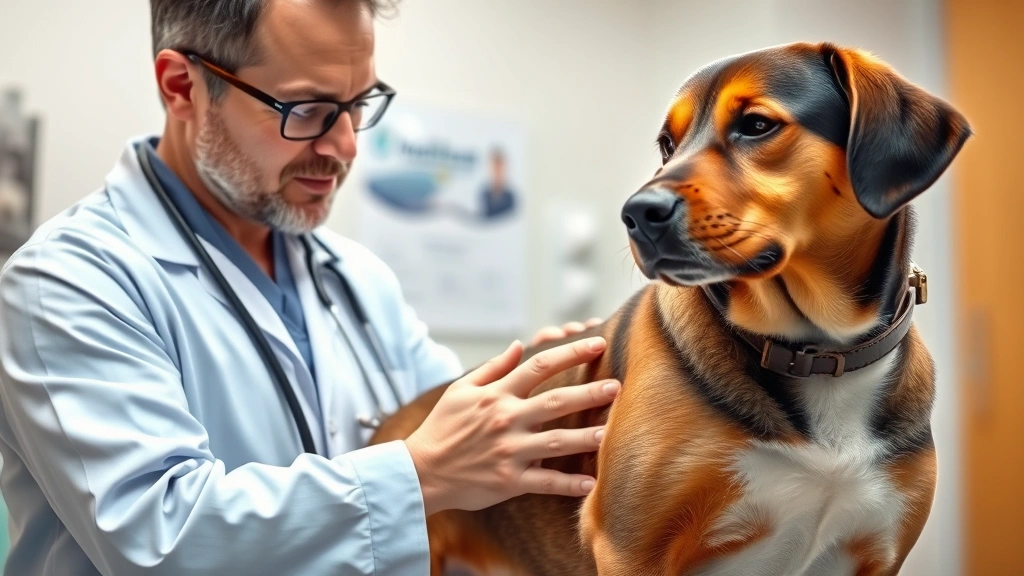
The key is consistency. Your vet can recommend the best option for your dog’s age, weight, and lifestyle. Once parasites are under control, you’ll often see improvement in itching within days or weeks.
Solution 3: Optimize Your Dog’s Diet for Skin Health
What goes in directly affects what shows up on the skin. Feeding for coat health means choosing foods rich in omega fatty acids and quality proteins. These nutrients support skin barrier function and reduce inflammation.
If your dog has food sensitivities, your vet might recommend an elimination diet to pinpoint triggers. Seasonal allergies often respond well to feeding adjustments that support immune function. Ask your vet about high-quality, limited-ingredient diets if allergies are suspected.
Solution 4: Use Soothing Baths and Topical Care
Regular baths with gentle, medicated shampoos can provide immediate relief and help manage skin conditions. Oatmeal-based and hypoallergenic shampoos are especially soothing for irritated skin.
After bathing, pat your dog’s skin dry gently—don’t rub. Your vet might also recommend topical sprays or creams to apply between baths. These can reduce inflammation and itching while you work on addressing the underlying cause.
Solution 5: Control Environmental Triggers
If allergies are the issue, reducing exposure to triggers helps tremendously. For environmental allergies, this might mean wiping your dog’s paws and face after outdoor time, using air filters indoors, and bathing more frequently during high-pollen seasons.
Keep your dog’s bedding clean and wash it regularly. If dust mites are a factor, consider hypoallergenic bedding. Small changes in your home environment can make a real difference in how your dog feels.
Solution 6: Consider Supplements and Natural Support
Many vets recommend omega-3 supplements, probiotics, and antioxidants to support skin health from the inside out. These work best alongside other treatments, not as replacements for veterinary care.
Always ask your vet before starting supplements—some can interact with medications or not be appropriate for your dog’s specific situation. Your vet can recommend quality products and proper dosing for your pup’s needs.

Solution 7: Manage Stress and Anxiety
Believe it or not, stress and anxiety can worsen itching or even cause excessive licking and scratching. Some dogs itch more when they’re anxious, bored, or not getting enough exercise.
Ensure your dog gets adequate physical activity, mental stimulation, and calm time. If anxiety seems to be driving the behavior, your vet can discuss options to help your dog feel more relaxed and comfortable.
What to Do Now: Your Action Plan
- Schedule a vet visit or telehealth consultation: Describe your dog’s itching, when it started, and any patterns you’ve noticed. If it’s not urgent, a telehealth appointment can be a quick first step.
- Keep a symptom log: Note when your dog itches most, what areas are affected, and any other signs (redness, hair loss, odor). This helps your vet narrow down the cause.
- Review your dog’s current diet: Check the ingredient list for common allergens. Be ready to discuss this with your vet.
- Ensure parasite prevention is current: Confirm your dog is on a vet-recommended flea and tick preventative. If not, ask your vet which option is best.
- Start a gentle bathing routine: Use a hypoallergenic or oatmeal-based shampoo 1-2 times per week unless your vet recommends otherwise.
Frequently Asked Questions
How long does it take to see improvement after treating dog itching?
This depends on the cause. Parasite-related itching often improves within days or weeks of starting prevention. Allergies and food sensitivities may take 4-8 weeks to show improvement as you identify and remove triggers.
Can I use human products on my dog’s itchy skin?
No. Human skin products have different pH levels and ingredients that aren’t safe for dogs. Always use vet-approved products designed for canine skin.
Is dog itching ever an emergency?
If your dog is scratching so intensely that they’re bleeding, showing signs of infection, or having trouble breathing or swallowing, seek emergency care. Otherwise, a regular vet appointment is appropriate.
Can diet alone fix my dog’s itching?
Diet is one piece of the puzzle. If food allergies are the cause, changing food can help significantly. However, if the itching stems from environmental allergies or parasites, diet alone won’t solve it—you’ll need a multi-pronged approach.
How often should I bathe my itchy dog?
This varies by cause and skin condition. Your vet will recommend a bathing schedule—typically 1-2 times per week for itchy skin, though some conditions may require more or less frequent bathing.
Summary: Taking Action on Dog Itching
When you ask vet about dog itching, you’re taking the right first step toward relief for your furry friend. Most cases of dog itching are manageable once you identify the cause—whether it’s parasites, allergies, diet, or skin sensitivity.
A combination of professional veterinary care, proper nutrition, environmental management, and consistent topical care usually brings results. Remember, your vet is your best resource. They can run the tests needed to pinpoint what’s bothering your dog and create a treatment plan tailored to their needs.
Don’t wait if your dog is suffering. Reach out to your vet today, and if you want a quick, pressure-free consultation to start, The Pet Vet telehealth option is available whenever you need it. Your dog deserves to feel comfortable in their own skin—and with the right approach, they will.