
When you notice your dog limping, it’s natural to feel worried—and asking your vet about dog limping is absolutely the right move. Limping can range from a minor issue that resolves on its own to something that needs immediate attention, and understanding what questions to ask and what your vet might recommend is the first step toward getting your furry friend back on their feet.
Table of Contents
- Why Your Dog Is Limping: The Common Culprits
- When Should You Ask Your Vet About Dog Limping?
- Questions to Ask Your Vet About Dog Limping
- Understanding Pain Management Options for Limping Dogs
- Medications Your Vet Might Discuss
- Arthritis and Age-Related Limping
- Neurological Issues and Limping
- Injury-Related Limping and Recovery
- When Limping Signals Something Serious
- At-Home Care and Support Strategies
- Frequently Asked Questions
- What To Do Now
- Summary: Taking Action on Dog Limping
This article is for informational purposes only and is not a substitute for professional veterinary advice. Always consult a licensed veterinarian for diagnosis and treatment.
Why Your Dog Is Limping: The Common Culprits
Dog limping happens for many reasons, and not all of them are emergencies. Your pup might have stepped on something sharp, twisted a joint during play, or developed arthritis over time. The key is figuring out what’s causing the limp so you can get the right treatment.
Some limps appear suddenly after an injury, while others develop gradually as your dog ages. Either way, your veterinarian will need to examine your dog and possibly run tests to pinpoint the problem.
When Should You Ask Your Vet About Dog Limping?
Timing matters. If your dog is limping but still eating, drinking, and acting normally, you have a little time to schedule a regular appointment. However, if the limping came on suddenly, your dog is in obvious pain, or they’re not putting any weight on the leg, contact your vet right away.
Catching this early puts you in a great position to help your dog recover faster and prevent complications.
- Immediate vet visit needed: Non-weight-bearing lameness, severe swelling, signs of trauma, or inability to move
- Within 24-48 hours: Mild to moderate limping with normal appetite and behavior
- Routine appointment: Chronic limping that’s been going on for weeks with no sudden change
Questions to Ask Your Vet About Dog Limping
Going into a vet appointment prepared helps you get better answers. Here are the essential questions to ask:
- What’s causing the limp? Ask for a clear explanation of the diagnosis, whether it’s a sprain, arthritis, or something else.
- Do we need X-rays or other diagnostics? Understanding what tests might help clarify the diagnosis shows you’re invested in your dog’s care.
- What pain management options are available? This opens the door to discussing medication, supplements, and other relief strategies.
- Is rest recommended, or should my dog stay active? Rest and activity levels vary depending on the injury.
- Are there any long-term complications I should watch for? Knowing what to monitor helps you catch problems early.
- How long until we expect improvement? A realistic timeline helps you stay patient and track progress.
- What can I do at home to help? Many treatments combine professional care with at-home support.
Understanding Pain Management Options for Limping Dogs
Pain relief is often a big part of treating dog limping. Your vet may discuss several approaches, from medications to physical therapies. The goal is to reduce your dog’s discomfort while addressing the underlying cause.
Some dogs benefit from anti-inflammatory approaches, while others might need different types of support. Your vet will recommend what’s best based on your dog’s specific situation, age, and overall health.
Medications Your Vet Might Discuss
When you ask your vet about dog limping, medication conversations often come up. Common classes of medications for limping dogs include non-steroidal anti-inflammatory drugs (NSAIDs), which reduce inflammation and pain, and pain relievers that work through different mechanisms.
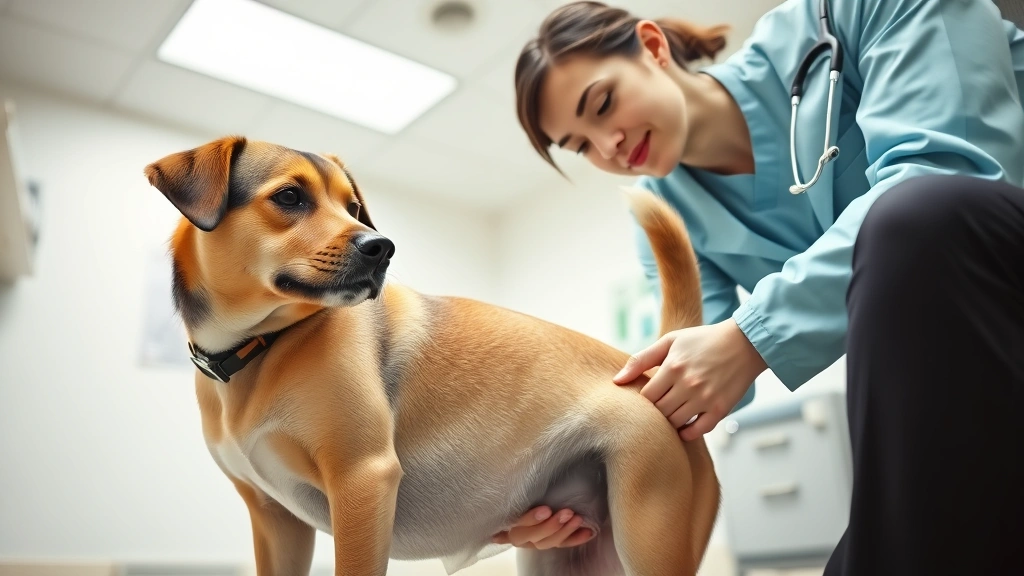
Your vet may also discuss joint supplements, muscle relaxants, or other supportive medications depending on the diagnosis. Never give your dog any medication without explicit veterinary guidance, as dosing and safety vary widely.
If you’re unsure whether your pet needs urgent care or want to discuss initial concerns before an in-person visit, a quick telehealth check-in can give you peace of mind—no appointment needed.
Arthritis and Age-Related Limping
Older dogs often develop arthritis, which causes progressive limping and stiffness. If your senior dog is limping, especially in multiple legs, arthritis could be the culprit. The good news is that there are many management strategies available.
Weight management, gentle exercise, and environmental modifications (like orthopedic beds and ramps) can make a huge difference. Your vet can also discuss supplements and medications that support joint health. Learn more about spinal stenosis in dogs, another condition that affects older dogs and can cause limping.
Neurological Issues and Limping
Sometimes limping is caused by nerve problems rather than joint or muscle issues. Conditions affecting the spine or nervous system can cause uneven gait, weakness, or difficulty coordinating movement. These require careful diagnosis and sometimes different treatment approaches.
If your dog’s limping seems unusual—like a dragging back leg or loss of coordination—mention these specific signs to your vet. Understanding dog neurological disorder stages can help you recognize when professional evaluation is urgent.
Injury-Related Limping and Recovery
If your dog recently had an injury—a fall, a collision, or a misstep—limping is a natural response. Most minor injuries improve with rest, but some require more intervention. Your vet will help determine if your dog needs imaging, medication, or physical therapy.
During recovery, keeping your dog calm and limiting jumping or running helps prevent re-injury. Ask your vet about safe activity levels during healing.
When Limping Signals Something Serious
While many causes of limping are manageable, some conditions require prompt attention. Infections, certain cancers, and neurological emergencies can all present as limping. This is why professional evaluation matters—your vet can rule out serious conditions and give you peace of mind.

If your dog’s limping is accompanied by fever, swelling that worsens quickly, or behavioral changes, seek veterinary care immediately. For information on recognizing other serious signs, explore dog cancer symptoms and dog neurological disorder after vaccination to understand the full picture of what might cause limping.
At-Home Care and Support Strategies
While your vet addresses the medical side, you can support recovery at home. Here are practical steps:
- Provide a comfortable resting area with orthopedic bedding away from stairs and high-traffic areas
- Use ramps or steps to reduce jumping on and off furniture
- Apply warm compresses to affected joints (if your vet approves) to ease stiffness
- Keep your dog at a healthy weight to reduce stress on joints
- Maintain gentle movement as recommended by your vet—complete rest can sometimes worsen stiffness
- Monitor progress daily and note any changes to report back to your vet
Frequently Asked Questions
How long does it take for a limping dog to recover?
Recovery time depends on the cause—minor sprains may improve in days, while arthritis or serious injuries might take weeks or months. Your vet can give you a realistic timeline based on diagnosis.
Can I give my dog over-the-counter pain relief?
Never give your dog human pain medication or over-the-counter drugs without veterinary approval. Some common human medications are toxic to dogs. Always ask your vet first.
Is limping always a sign of pain?
Not always. Sometimes dogs limp due to weakness, neurological issues, or protective mechanisms rather than active pain. Your vet will determine the underlying cause.
Should I exercise my limping dog?
It depends on the diagnosis. Some conditions benefit from gentle movement, while others require rest. Always follow your vet’s specific recommendations for activity.
When should I consider telehealth for a limping dog?
Telehealth is great for initial concerns, questions about recovery, or follow-ups. For first-time severe lameness or emergencies, an in-person exam is usually necessary.
What To Do Now
- Schedule a vet appointment if your dog has been limping for more than a day or if the limp appeared suddenly. If you’re unsure about urgency, contact your vet’s office for guidance.
- Write down your observations before the appointment—when the limping started, which leg is affected, what makes it better or worse, and any other symptoms you’ve noticed.
- Prepare your questions using the list above so you make the most of your vet visit and understand all treatment options discussed.
- Limit your dog’s activity until you’ve had a chance to talk to your vet, especially if the limping followed an injury.
- Take photos or videos of your dog limping to show your vet, especially if the limp is subtle or comes and goes.
Summary: Taking Action on Dog Limping
When you notice your dog limping, asking your vet about dog limping is the best first step. Your veterinarian can diagnose the cause, discuss medication and treatment options, and create a recovery plan tailored to your dog’s needs. Whether the limping is from a minor injury, arthritis, or something more complex, early attention and professional guidance lead to better outcomes.
Remember, you know your dog best. Trust your instincts, ask the questions that matter to you, and work closely with your vet to get your pup back to their happy, active self. Most limping issues are very manageable with the right care and support.