
When your dog suddenly stops eating, it’s natural to feel worried—and that’s exactly why you should ask your vet about dog not eating as soon as you notice the change. Loss of appetite in dogs can signal anything from a minor upset stomach to something more serious, and getting professional guidance quickly makes all the difference.
Table of Contents
- Why Your Dog Might Not Be Eating
- Common Medical Reasons Behind Loss of Appetite
- Behavioral and Environmental Factors
- When to Ask Your Vet About Dog Not Eating
- How to Talk to Your Vet About This Issue
- What Your Vet Will Likely Do
- 7 Essential Solutions to Address Your Dog’s Loss of Appetite
- Understanding Underlying Conditions
- Prevention and Long-Term Wellness
- Frequently Asked Questions
- What To Do Now
- Summary: Taking Action on Your Dog’s Appetite Loss
This article is for informational purposes only and is not a substitute for professional veterinary advice. Always consult a licensed veterinarian for diagnosis and treatment.
Most pet owners have experienced that heart-stopping moment when their furry friend turns away from their food bowl. A dog that normally devours meals with enthusiasm suddenly showing zero interest in eating is enough to send any caring owner into a spiral of worry. The good news? You’re not alone, and there are concrete steps you can take right now.
Why Your Dog Might Not Be Eating
Dogs stop eating for a surprising variety of reasons. Sometimes it’s something simple like a change in food brand or a temporary digestive upset. Other times, loss of appetite could be a sign of underlying health issues that need professional attention.
Understanding the potential causes helps you communicate better with your veterinarian and provide more useful information during your visit. The more details you can share, the faster your vet can narrow down what’s happening.
Common Medical Reasons Behind Loss of Appetite
When dogs aren’t eating, medical issues are often the culprit. Gastrointestinal problems like pancreatitis, inflammatory bowel disease, or food sensitivities may be experiencing upset in your dog’s digestive system. Dental disease is another frequent cause—if your dog’s teeth or gums hurt, eating becomes painful, and they’ll naturally avoid their bowl.
Infections, whether bacterial or viral, commonly cause appetite loss. Kidney disease and liver disease are more serious conditions that often show loss of appetite as an early warning sign. Catching this early puts you in a great position to help your dog recover.
Other possibilities include hormonal imbalances like hypothyroidism, cancer, or medication side effects. This is why asking your vet about your dog not eating is so important—only a professional can properly evaluate which of these might apply to your specific pet.
Behavioral and Environmental Factors
Not all appetite loss stems from illness. Stress, anxiety, and changes in routine can absolutely affect how much your dog eats. Moving to a new home, introducing a new pet, or even schedule changes can trigger temporary loss of appetite.
Some dogs are also pickier eaters than others. If your dog has been getting too many treats or table scraps, they might simply be holding out for something more interesting. However, a sudden change in eating habits—even in a picky eater—warrants veterinary attention.
Age matters too. Senior dogs sometimes experience decreased appetite due to changes in taste and smell. Puppies might be too distracted to eat if they’re in a new environment or overstimulated.
When to Ask Your Vet About Dog Not Eating
Timing is crucial when it comes to veterinary care. If your dog hasn’t eaten for more than 12 hours, or if they’re showing other concerning symptoms alongside appetite loss, you shouldn’t wait. Contact your vet immediately if you notice:
- Vomiting or diarrhea
- Lethargy or unusual tiredness
- Difficulty swallowing or drooling excessively
- Abdominal pain or distension
- Weight loss over a short period
- Fever or signs of illness
Even if your dog seems otherwise fine, a loss of appetite lasting more than a day deserves professional evaluation. Your vet can rule out serious conditions and give you peace of mind.
How to Talk to Your Vet About This Issue
When you contact your veterinarian, being organized and detailed helps them help you faster. Write down when the appetite loss started, whether it was sudden or gradual, and any other symptoms you’ve noticed. Note any recent changes—new food, medications, stress, or travel.
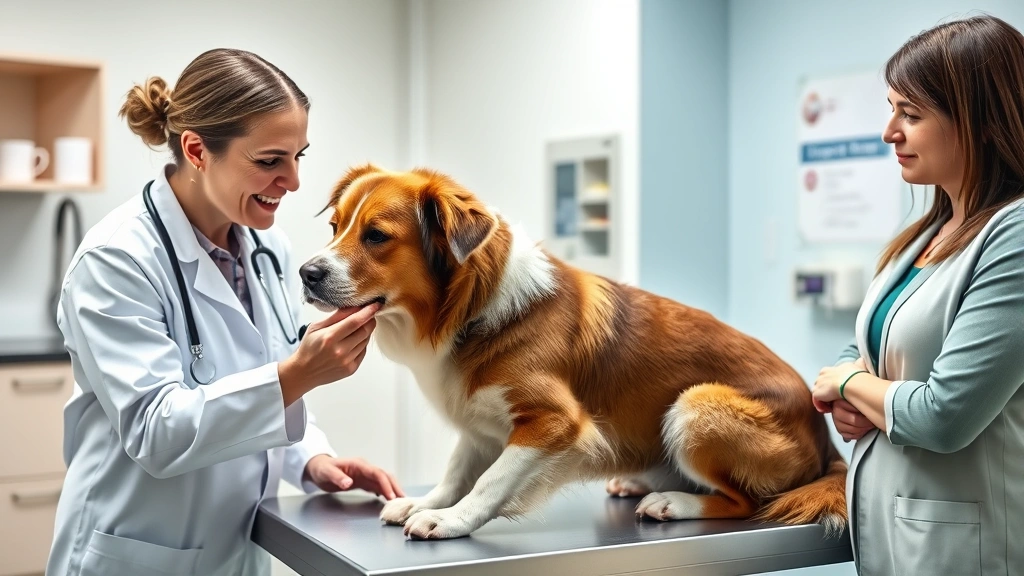
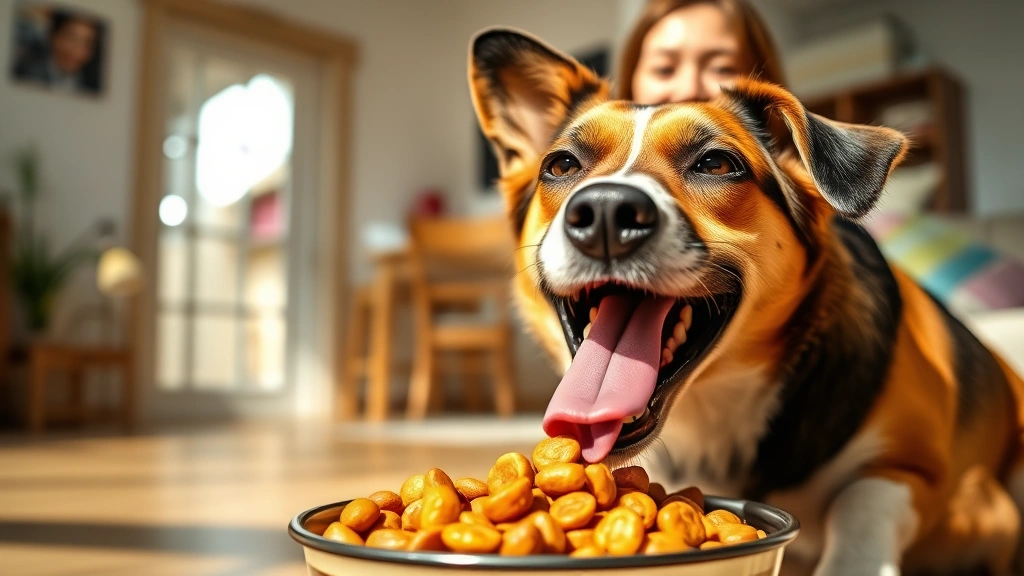
Mention how much your dog normally eats versus how much they’re eating now. Are they refusing all food, or just their regular kibble? Are they drinking water normally? This information gives your vet valuable clues.
If you’re unsure whether your pet needs urgent care, a quick telehealth check-in can give you peace of mind—no appointment needed. You can talk to a vet about dog not eating online through platforms like The Pet Vet, which allows you to describe symptoms and get professional guidance from home.
What Your Vet Will Likely Do
During an examination, your veterinarian will perform a thorough physical assessment. They’ll check your dog’s weight, body condition, temperature, and overall health. They’ll feel the abdomen for any lumps or areas of pain.
Blood work and urinalysis are common next steps, especially if the cause isn’t obvious from the physical exam. These tests can reveal infections, organ dysfunction, hormonal imbalances, or other underlying conditions. Your vet might also recommend imaging like X-rays or ultrasound depending on what they find.
Once your vet identifies the cause, they can recommend appropriate treatment. This might range from dietary changes to medication to more intensive interventions.
7 Essential Solutions to Address Your Dog’s Loss of Appetite
While you’re waiting for your vet appointment, there are thoughtful steps you can take to support your dog:
- Offer small, frequent meals instead of one or two large ones. Sometimes a dog will eat small amounts when they won’t eat a full bowl.
- Warm up the food to release aromas. Warming canned or wet food can make it more appealing and easier to digest.
- Try different food textures—if your dog usually eats kibble, offer wet food or broth. The change in texture sometimes triggers interest.
- Remove food after 15-20 minutes if your dog doesn’t eat. This prevents food from spoiling and keeps mealtimes structured.
- Eliminate treats and table scraps until appetite returns. Your dog should be hungry for their regular meals.
- Reduce stress and maintain routine as much as possible. Consistent schedules help anxious dogs feel secure.
- Stay patient and avoid force-feeding. Pressure around eating can increase anxiety and make the problem worse.
These solutions work best as temporary measures while you’re arranging veterinary care, not as permanent fixes. Your vet’s diagnosis will guide long-term treatment.
Understanding Underlying Conditions
Some of the conditions behind appetite loss require ongoing management. Dog liver disease early signs often include reduced appetite, and catching it early makes treatment more effective. Similarly, dog kidney disease causes frequently present with loss of appetite as one of the first warning signs.
Anxiety-related appetite loss is also common. You can talk to a vet about dog anxiety online if you suspect stress or behavioral issues are contributing to your dog’s eating problems.
Understanding whether your dog’s appetite loss is medical or behavioral helps determine the right treatment path. Your vet will guide you through this process.
Prevention and Long-Term Wellness
Once your dog’s appetite returns and the underlying issue is addressed, focus on prevention. Regular veterinary checkups catch health issues early before they affect eating. Maintain consistent feeding schedules and high-quality nutrition appropriate for your dog’s age and health status.
Keep your dog’s stress levels manageable through exercise, enrichment, and a stable routine. Dental care is often overlooked but crucial—regular brushing and professional cleanings prevent painful dental disease that interferes with eating.
Monitor your dog’s eating habits regularly so you notice changes quickly. The sooner you identify and address appetite loss, the better the outcome for your pet.
Frequently Asked Questions
How long can a dog safely go without eating?
Most healthy adult dogs can go 3-5 days without food, but they shouldn’t. Loss of appetite for more than 12-24 hours warrants veterinary evaluation to rule out serious issues.
Could my dog’s appetite loss be just pickiness?
Possibly, but sudden changes in eating habits—even in picky eaters—often signal something else. It’s worth asking your vet to be sure.
Is it normal for senior dogs to eat less?
Some decrease in appetite is normal with age, but a sudden drop or refusal to eat isn’t. Senior dogs still need professional evaluation when appetite changes occur.
What should I do if my dog refuses all food and water?
This is a medical emergency. Contact your vet immediately or visit an emergency clinic. Refusing both food and water suggests a serious condition requiring urgent care.
Can stress really cause a dog to stop eating?
Absolutely. Stress, anxiety, and major life changes can suppress appetite in dogs. However, medical issues should be ruled out first before assuming it’s behavioral.
What To Do Now
Don’t wait and worry alone. Take these immediate steps:
- Contact your veterinarian today and describe your dog’s symptoms in detail, including when the appetite loss started.
- Note any additional symptoms (vomiting, lethargy, behavior changes) and share this information with your vet.
- If you can’t reach your regular vet quickly, consider a telehealth consultation for professional guidance while you arrange an in-person exam.
- In the meantime, offer small portions of food and monitor your dog’s water intake and overall behavior.
- Keep a brief log of what your dog eats (or doesn’t) to share with your vet—this information is surprisingly helpful.
Summary: Taking Action on Your Dog’s Appetite Loss
Your dog’s sudden loss of appetite is your cue to ask your vet about dog not eating sooner rather than later. Whether the cause turns out to be something simple or requires ongoing management, professional evaluation is the foundation of good care.
Remember that appetite loss is your dog’s way of telling you something isn’t quite right. By responding promptly and gathering detailed information about the symptoms, you’re already giving your pet the best chance at a quick recovery.
Your veterinarian is your partner in keeping your dog healthy and happy. Don’t hesitate to reach out with concerns—that’s exactly what they’re there for. With proper diagnosis and treatment, most dogs return to their normal eating habits and quality of life.
You’ve got this, and your dog is lucky to have an owner who cares enough to seek answers.
External Sources: