
When your dog starts vomiting, it’s natural to feel worried—and asking your vet about dog vomiting is absolutely the right first step. Vomiting can range from a minor hiccup to a sign of something more serious, and understanding what your vet might recommend can help you feel more prepared and less anxious about your pup’s health.
Table of Contents
- Why Your Vet Needs to Know About Your Dog’s Vomiting
- Common Causes of Dog Vomiting Your Vet Will Explore
- Understanding Anti-Nausea and Anti-Vomiting Medications
- Seven Medication Categories Your Vet Might Discuss
- What Happens During Your Vet Consultation About Vomiting
- The Role of Diet in Managing Dog Vomiting
- When to Seek Emergency Care for Dog Vomiting
- Telehealth Options for Discussing Dog Vomiting
- Supporting Your Dog’s Recovery at Home
- Frequently Asked Questions
- What To Do Now
- Final Thoughts: You’re Doing the Right Thing
This article is for informational purposes only and is not a substitute for professional veterinary advice. Always consult a licensed veterinarian for diagnosis and treatment.
Why Your Vet Needs to Know About Your Dog’s Vomiting
When you ask your vet about dog vomiting, you’re giving them crucial information to work with. Your vet will want to know how often your dog is vomiting, what the vomit looks like, and whether there are other symptoms happening at the same time. This detective work helps them narrow down what might be going on.
Vomiting itself isn’t a diagnosis—it’s a symptom that something in your dog’s body needs attention. The cause could be something simple like eating too fast, or it could point to a more complex gastrointestinal issue. That’s why the conversation with your vet is so important.
Common Causes of Dog Vomiting Your Vet Will Explore
Before recommending any medication, your vet will try to understand the root cause. Common culprits include dietary indiscretion (eating something they shouldn’t), food sensitivities, infections, or underlying conditions affecting the digestive system.
Some dogs vomit because they’re stressed or anxious. Others may have gastrointestinal issues that develop over time. Your vet might recommend diagnostic tests like bloodwork or imaging to rule out serious conditions before settling on a treatment plan.
Understanding Anti-Nausea and Anti-Vomiting Medications
When you ask your vet about dog vomiting medications, you’ll likely hear about anti-nausea drugs. These work by calming the vomiting reflex in your dog’s brain or by soothing their stomach lining. Your vet might recommend one of several options depending on what’s causing the vomiting.
These medications don’t treat the underlying cause—they manage the symptom while your vet figures out what’s actually wrong. Think of them as giving your dog relief while the real problem gets solved. Catching this early puts you in a great position to help your pup feel better faster.
Seven Medication Categories Your Vet Might Discuss
Your veterinarian has several medication options in their toolkit for managing dog vomiting. Here are the main categories you might hear about during your conversation:
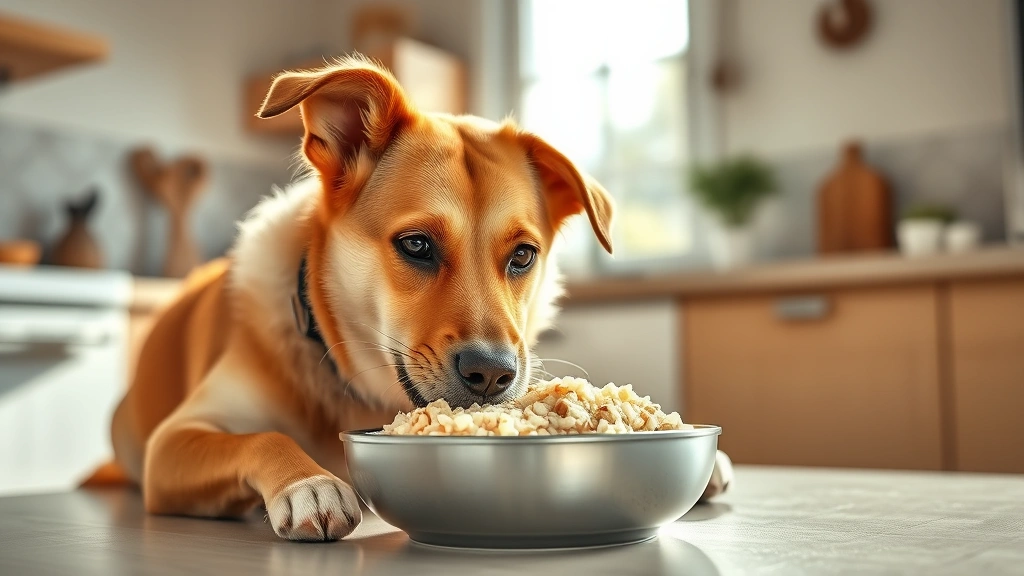
- Antiemetics (Anti-Vomiting Drugs): These directly target the vomiting reflex and are often the first line of defense. Your vet will choose based on your dog’s specific situation.
- Gastric Protectants: These medications coat and protect the stomach lining, reducing irritation and inflammation that might trigger vomiting.
- Probiotics and Digestive Enzymes: These support healthy gut bacteria and digestion, especially helpful if your dog’s vomiting is related to digestive upset.
- Antihistamines: If allergies or inflammatory conditions are contributing to vomiting, antihistamines may help reduce the immune response.
- Antibiotics: When bacterial infection is the culprit, antibiotics can eliminate the infection and stop vomiting as a secondary effect.
- Anti-Inflammatory Medications: These reduce inflammation in the digestive tract, which can calm nausea and vomiting.
- Appetite Stimulants: Sometimes used alongside other medications to help dogs eat and maintain nutrition during recovery.
What Happens During Your Vet Consultation About Vomiting
When you ask your vet about dog vomiting, expect a thorough conversation. Your vet will ask detailed questions: How long has this been happening? Is your dog eating normally otherwise? Any changes in water intake or bathroom habits?
Your vet may perform a physical exam and might recommend bloodwork, urinalysis, or ultrasound imaging. These tests help identify whether the vomiting is caused by something simple or if there’s an underlying condition that needs specific treatment. Don’t hesitate to ask questions about any tests recommended—understanding the why behind diagnostics helps you feel more confident in the treatment plan.
The Role of Diet in Managing Dog Vomiting
Often, medication works best alongside dietary changes. Your vet might recommend a bland diet temporarily or suggest an elimination diet feeding plan to identify food triggers. Some dogs do better on prescription digestive diets designed for sensitive stomachs.
Feeding smaller, more frequent meals instead of one large meal can also help reduce vomiting. Your vet will guide you on what’s best for your individual dog. The combination of the right medication plus dietary management often works better than either approach alone.
When to Seek Emergency Care for Dog Vomiting
While most vomiting episodes can be managed with a routine vet visit, some situations need immediate attention. If your dog is vomiting repeatedly, showing signs of severe dehydration, or vomiting blood or material that looks like coffee grounds, contact your vet or emergency clinic right away.
Check out the emergency signs guide for gastrointestinal issues to know what warrants urgent care. Lethargy, abdominal pain, or inability to keep water down are also red flags. Catching these early puts your dog in the best position for recovery.
Telehealth Options for Discussing Dog Vomiting
If you’re unsure whether your dog’s vomiting needs urgent care or if you want a second opinion, talking to a vet about dog vomiting online can give you peace of mind. A quick telehealth check-in allows you to describe symptoms, show photos if helpful, and get initial guidance without waiting for an in-person appointment. This is especially useful for after-hours concerns or when you need reassurance that your pup will be okay.
Supporting Your Dog’s Recovery at Home
Once your vet prescribes medication, your role at home is just as important. Follow the medication schedule exactly as directed, even if your dog seems to be improving. Continue any dietary recommendations your vet suggested.
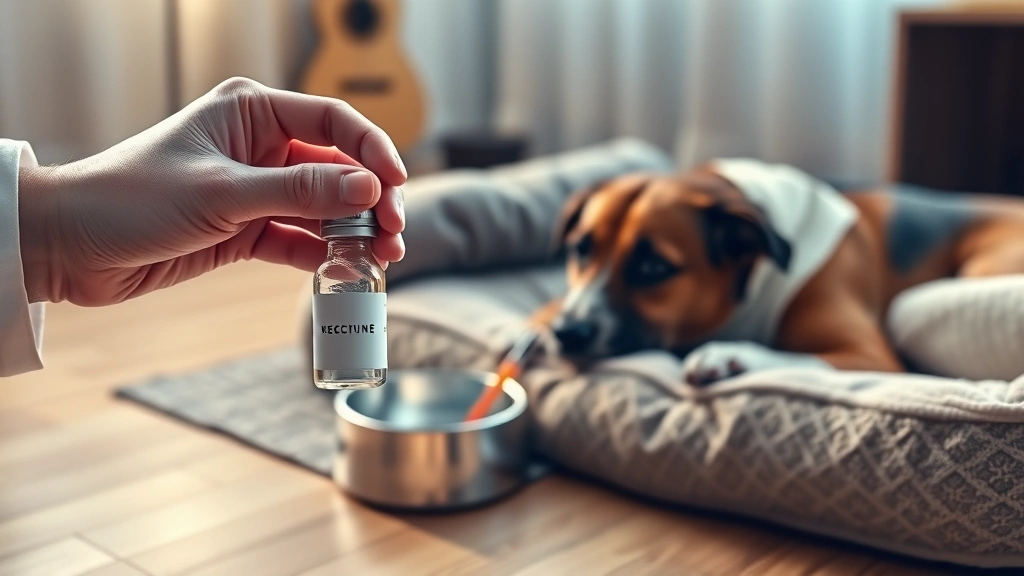
Keep your dog hydrated—offer small amounts of water frequently rather than large bowls. Monitor your dog’s behavior and appetite, and keep notes on any improvements or changes. This information helps your vet know if the current treatment plan is working or needs adjustment.
Frequently Asked Questions
How long does it take for vomiting medication to work?
Most anti-nausea medications begin working within 30 minutes to a few hours. However, the underlying cause still needs to be addressed for long-term improvement. Your vet will monitor progress and adjust treatment if needed.
Can I give my dog over-the-counter medication for vomiting?
No—never give your dog any medication without veterinary approval. Even seemingly harmless over-the-counter products can interact with other conditions or medications your dog may have. Always ask your vet first.
Is vomiting always a sign of something serious?
Not always. Dogs sometimes vomit from eating too fast, stress, or minor dietary upset. However, persistent or severe vomiting always warrants a vet visit to rule out serious conditions.
What should I feed my dog after vomiting?
Your vet will provide specific dietary guidance. Many recommend a bland diet of plain boiled chicken and rice in small portions. Never assume your dog is ready for regular food without veterinary approval.
Can stress cause dog vomiting?
Yes, stress and anxiety can trigger vomiting in some dogs. If stress is identified as a factor, your vet may recommend behavior modification, environmental changes, or calming supplements alongside medication.
What To Do Now
- Schedule a vet appointment: Don’t wait if your dog is vomiting regularly. Contact your veterinarian today to discuss symptoms and get an evaluation.
- Document your dog’s symptoms: Write down when vomiting occurs, what the vomit looks like, and any other symptoms you’ve noticed. This information helps your vet tremendously.
- Prepare your questions: Before your appointment, write down what you want to ask your vet about dog vomiting, including concerns about medications and dietary changes.
- Consider a telehealth visit: If you need immediate guidance or want reassurance before an in-person visit, a quick online consultation can help you feel more confident about next steps.
- Follow the treatment plan: Once your vet recommends medication and dietary changes, stick with it consistently. Recovery takes time, and consistency matters.
Final Thoughts: You’re Doing the Right Thing
When you ask your vet about dog vomiting, you’re taking an active role in your pup’s health and well-being. Vomiting is stressful for both you and your dog, but with the right veterinary guidance and medication, most dogs recover well. Your vet has the tools and experience to figure out what’s happening and create a plan tailored to your dog’s specific needs.
Remember, the conversation with your vet is collaborative. Share your observations, ask questions, and don’t hesitate to follow up if something isn’t working. Your dog is lucky to have someone who cares enough to seek professional help. Most vomiting cases resolve with proper diagnosis and treatment—stay positive and keep your vet in the loop as your dog recovers.