
If you’ve noticed your kitten seems unusually tired, sluggish, or just not acting like their playful self, it’s time to ask vet about kitten lethargy—because what seems like a lazy day could signal something that needs attention.
Table of Contents
- What Exactly Is Kitten Lethargy?
- 7 Essential Warning Signs That Warrant a Vet Visit
- Common Causes of Lethargy in Kittens
- When Should You Contact Your Vet Right Away?
- How Your Vet Will Diagnose the Problem
- What You Can Do Right Now
- Prevention: Keeping Your Kitten Energetic and Healthy
- Understanding Your Kitten’s Personality
- Frequently Asked Questions
- Summary: Taking Action on Kitten Lethargy
This article is for informational purposes only and is not a substitute for professional veterinary advice. Always consult a licensed veterinarian for diagnosis and treatment.
Kittens are bundles of energy. They pounce, they zoom, they climb everything in sight. So when your little furball suddenly seems content to nap for hours on end or shows little interest in their favorite toys, that shift in behavior can feel unsettling. The good news? You’re already thinking like a great pet parent by considering whether something might be wrong.
Lethargy in kittens isn’t always a cause for panic, but it’s definitely worth investigating. Some causes are minor and easily resolved, while others benefit from early intervention. Let’s walk through what you need to know and when it’s time to reach out to your vet.
What Exactly Is Kitten Lethargy?
Lethargy simply means your kitten lacks energy or enthusiasm. Instead of the typical kitten chaos, you might see your pet sleeping more than usual, moving slowly, or showing little interest in play, food, or interaction.
It’s important to distinguish between normal rest and abnormal lethargy. Kittens do need plenty of sleep—up to 18 hours a day is normal for young cats. But there’s a difference between peaceful naps and a kitten that seems genuinely unwell or disengaged.
7 Essential Warning Signs That Warrant a Vet Visit
1. Excessive Sleeping Combined With Disinterest in Play
If your kitten sleeps beyond their normal pattern and doesn’t perk up during typical playtime, this could indicate they’re not feeling well. A healthy kitten should still have moments of alertness and curiosity, even if they’re resting frequently.
2. Loss of Appetite or Reduced Eating
A kitten that suddenly eats less or shows no interest in food is sending a red flag. Changes in appetite often accompany lethargy and could point to digestive issues, infections, or other health concerns. Catching this early puts you in a great position to help.
3. Vomiting or Diarrhea Alongside Tiredness
When lethargy pairs with digestive upset, it suggests your kitten may be dealing with feline diarrhea or another gastrointestinal issue. These symptoms together warrant prompt veterinary evaluation. You can also talk to a vet about kitten diarrhea online if you need quick guidance.
4. Labored Breathing or Wheezing
If your kitten seems to be breathing heavily, wheezing, or having difficulty catching their breath, this is more urgent. Respiratory distress combined with lethargy could indicate a serious condition that needs immediate attention.
5. Fever or Feeling Unusually Warm to the Touch
A kitten that feels hot to the touch or seems feverish may be fighting an infection. Fever often causes lethargy as the body directs energy toward healing. This is definitely worth a vet call.
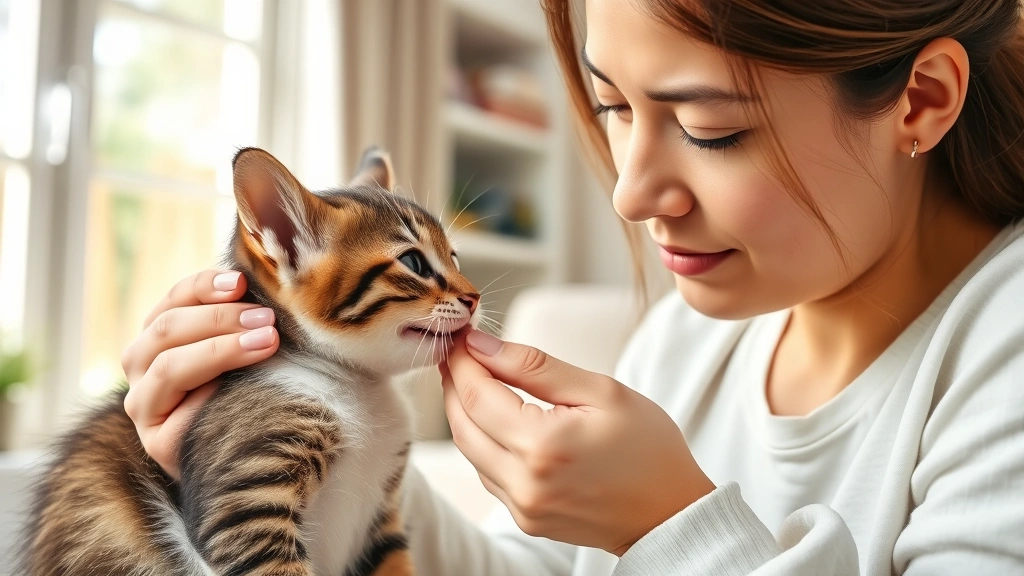
6. Pale or Discolored Gums
Gently lift your kitten’s lip and check their gums. Healthy gums are pink. Pale, white, or yellowish gums combined with lethargy could suggest anemia, liver issues, or poor circulation—all things your vet needs to assess.
7. Behavioral Changes Like Hiding or Aggression
Sick kittens often hide or act unusually irritable. If your normally social kitten is withdrawn, hiding under furniture, or snapping when touched, paired with low energy, something may be off. This behavioral shift is worth investigating.
Common Causes of Lethargy in Kittens
Understanding potential causes can help you provide better context when you talk to your vet. Here are some of the most frequent culprits:
- Parasites: Roundworms in cats and other parasites drain energy and nutrients.
- Infections: Viral, bacterial, or fungal infections can make kittens feel exhausted.
- Digestive Issues: Problems with digestion or nutrient absorption reduce energy levels.
- Overfeeding: Kitten overfeeding prevention is important because excess food can actually make kittens lethargic.
- Pancreatitis: Chronic pancreatitis in cats causes lethargy and digestive distress.
- Nutritional Deficiencies: Improper diet lacking key nutrients affects energy and health.
- Anemia or Blood Disorders: Low red blood cell counts lead to fatigue.
- Organ Issues: Hypoalbuminemia in cats and other metabolic conditions reduce vitality.
When Should You Contact Your Vet Right Away?
Some situations need immediate attention. Contact your vet urgently if your kitten shows:
- Lethargy lasting more than 24 hours
- Complete loss of appetite for more than a few hours
- Difficulty breathing or gasping
- Extreme weakness or inability to stand
- Uncontrollable vomiting or diarrhea
- Signs of pain or distress
- Seizures or collapse
If it’s after hours and your kitten seems seriously ill, seek emergency veterinary care. Your kitten’s safety comes first.
How Your Vet Will Diagnose the Problem
When you ask vet about kitten lethargy, expect a thorough evaluation. Your vet will typically:
- Take a detailed history of your kitten’s behavior, eating, and bathroom habits
- Perform a complete physical examination
- Check vital signs like temperature, heart rate, and breathing
- May recommend blood work or urinalysis to rule out infections or metabolic issues
- Possibly order imaging like X-rays or ultrasound if needed
This information helps pinpoint what’s causing the lethargy so treatment can be targeted and effective.
What You Can Do Right Now
While you’re arranging a vet visit, there are steps you can take to support your kitten:
- Monitor closely: Keep track of eating, drinking, bathroom habits, and energy levels. Write down what you observe to share with your vet.
- Ensure fresh water: Dehydration can worsen lethargy. Make sure clean water is always available.
- Offer appropriate food: Don’t force eating, but have their regular kitten food available. Avoid sudden diet changes.
- Create a calm space: Let your kitten rest in a quiet, comfortable area without stress or excessive handling.
- Get a quick telehealth opinion: If you’re unsure whether your pet needs urgent care, a quick telehealth check-in with The Pet Vet can give you peace of mind—no appointment needed.
Prevention: Keeping Your Kitten Energetic and Healthy
The best way to handle lethargy is to prevent health issues in the first place. Here’s how:
- Feed high-quality kitten food: Proper nutrition supports energy and development.
- Keep up with vaccinations: Vaccines protect against common infections that cause lethargy.
- Regular deworming: Parasites steal nutrients and energy, so preventive treatment matters.
- Provide enrichment: Play, toys, and interaction keep kittens mentally and physically stimulated.
- Schedule wellness checks: Regular vet visits catch problems early.
- Maintain a healthy weight: Avoid kitten overfeeding, which can lead to lethargy and other health issues.
Understanding Your Kitten’s Personality
It’s also worth noting that some kittens are naturally calmer or more laid-back than others. Genetics and personality play a role in energy levels. The key is recognizing changes from your individual kitten’s baseline behavior.
If your kitten has always been a sleepy little soul but is eating well, maintaining healthy bathroom habits, and perking up during playtime, that’s likely just their personality. But if there’s a noticeable shift—less interest in things they loved, reduced appetite, or other symptoms—that’s when investigation is warranted.
Frequently Asked Questions
How much sleep is normal for a kitten?
Kittens typically sleep 15–18 hours per day. This is completely normal and helps them grow and develop. However, they should still have alert, playful periods throughout the day.
Could my kitten just be bored?
Boredom can affect mood, but true lethargy usually involves physical symptoms like reduced appetite or digestive issues. If your kitten seems unwell beyond just seeming uninterested, it’s worth a vet visit.
Is lethargy ever normal in young kittens?
Very young kittens (under 8 weeks) do rest frequently as they grow. However, they should still eat enthusiastically and have alert moments. Sudden changes warrant attention.
Can stress cause lethargy in kittens?
Yes, stress from moving, new pets, or environmental changes can temporarily affect energy. But if lethargy persists beyond a few days or includes other symptoms, rule out medical causes first.
Should I wait to see if lethargy goes away on its own?
While some mild cases resolve quickly, it’s safer to contact your vet if lethargy lasts more than a day or two. Early intervention often leads to faster, better outcomes.
Summary: Taking Action on Kitten Lethargy
Noticing that your kitten seems lethargic is the first step toward getting them help. Lethargy can stem from many causes—some simple, some more complex—but the common thread is that it’s your kitten’s way of telling you something needs attention.
By staying alert to changes in behavior, appetite, and bathroom habits, you’re already being a proactive pet parent. When you ask vet about kitten lethargy, you’re doing exactly what your kitten needs.
Don’t hesitate to reach out to your veterinarian, whether through a traditional appointment or a convenient telehealth consultation. The sooner you get answers, the sooner your kitten can feel like their energetic, playful self again. Your kitten is counting on you, and you’re doing great by taking this seriously.