
If you’ve noticed your kitten constantly licking their paws, it’s natural to wonder what’s going on—and whether you should ask vet about kitten licking paws as soon as possible. This behavior might seem like simple grooming, but persistent paw licking can signal anything from minor irritation to underlying health concerns that deserve attention.
Table of Contents
- Why Is My Kitten Licking Their Paws Excessively?
- 1. Allergies and Environmental Irritants
- 2. Parasites and Skin Infections
- 3. Bacterial Infections and Hot Spots
- 4. Dry Skin and Moisturizing Issues
- 5. Stress and Anxiety-Related Behavior
- 6. Nail and Paw Pad Issues
- 7. Dental Problems and Oral Discomfort
- What Should I Look For When Observing Paw Licking?
- When Should You Ask Vet About Kitten Licking Paws?
- What Can You Do at Home While Waiting for a Vet Visit?
- Prevention: Keeping Your Kitten’s Paws Healthy
- Frequently Asked Questions
- What To Do Now
- Summary: Taking Action on Paw Licking
This article is for informational purposes only and is not a substitute for professional veterinary advice. Always consult a licensed veterinarian for diagnosis and treatment.
The good news? Most causes are manageable once identified. Understanding why your kitten is licking their paws is the first step toward helping them feel better and getting back to their playful, comfortable selves.
Why Is My Kitten Licking Their Paws Excessively?
Kittens groom themselves regularly, but excessive paw licking goes beyond normal self-care. When your kitten spends unusual amounts of time focusing on their paws—sometimes to the point of redness or hair loss—something is likely bothering them.
The causes range from environmental irritants to behavioral stress, and sometimes medical conditions. The key is observing the pattern and noting any other symptoms your kitten might be showing.
1. Allergies and Environmental Irritants
Allergies are among the most common reasons kittens lick their paws excessively. Just like humans, cats can develop allergic reactions to food, pollen, dust, or household chemicals.
Environmental irritants—such as litter dust, cleaning products, or even certain types of flooring—can cause itching that your kitten tries to soothe by licking. If you’ve recently changed litter brands or started using new cleaning supplies, this timing might offer a clue.
Watch for other allergy signs like sneezing, watery eyes, or skin redness. Catching this early puts you in a great position to identify and remove the irritant.
2. Parasites and Skin Infections
Fleas, mites, and lice can cause intense itching that drives kittens to lick their paws repeatedly. Even if you don’t see visible parasites, they may still be present—especially in young kittens not yet on preventive treatments.
Fungal infections like ringworm can also trigger paw licking. These infections often cause circular patches of hair loss and may spread to other areas of the body or even to you.
If your kitten has access to outdoors or other animals, parasite exposure is more likely. A vet can quickly rule this out with a simple examination.
3. Bacterial Infections and Hot Spots
When a kitten licks their paws excessively, they can create small wounds that become infected. This creates a frustrating cycle: itching leads to licking, which causes infection, which causes more itching.
Bacterial skin infections may appear as redness, swelling, or discharge around the paw pads or between the toes. Your kitten might also have a noticeable odor or show signs of pain when walking.
Early intervention prevents these infections from worsening and becoming more painful.
4. Dry Skin and Moisturizing Issues
Kittens with dry skin often lick their paws in an attempt to moisturize them. This is especially common in dry climates or during winter months when indoor heating reduces humidity.
Nutritional deficiencies can also contribute to dry, flaky skin. If your kitten’s diet lacks essential fatty acids, their skin barrier may weaken, leading to discomfort and excessive licking.
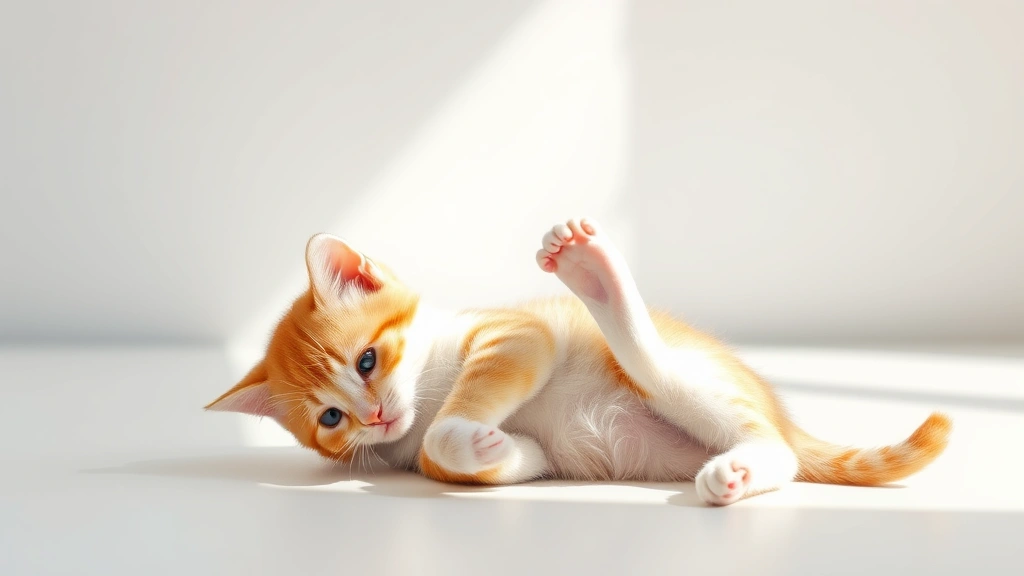
Adding moisture to your kitten’s environment and ensuring balanced nutrition can help significantly.
5. Stress and Anxiety-Related Behavior
Sometimes paw licking becomes a self-soothing behavior when kittens experience stress or anxiety. Changes in their environment—new pets, moving homes, loud noises—can trigger this repetitive grooming habit.
This type of licking, called psychogenic licking, may not indicate a physical problem but rather emotional discomfort. If stress seems like the cause, creating a calm, predictable environment helps tremendously.
You can also talk to a vet about kitten behavior problems online to explore stress-reduction strategies.
6. Nail and Paw Pad Issues
Overgrown nails, ingrown claws, or splinters can cause localized pain that your kitten addresses by licking. Paw pad injuries, cracks, or foreign objects lodged between the toes also trigger this behavior.
Examine your kitten’s paws gently to see if you notice anything unusual. Sometimes a tiny piece of litter or debris gets stuck and causes disproportionate discomfort.
Regular nail trimming and paw inspections are part of good preventive care.
7. Dental Problems and Oral Discomfort
While less common in young kittens, dental issues or oral discomfort can occasionally manifest as paw licking. Kittens may lick their paws as a displacement behavior when experiencing mouth pain.
Gum disease, loose teeth, or mouth ulcers cause systemic discomfort that kittens sometimes express through unusual grooming patterns. Your vet can rule out gum disease in cats during an oral examination.
What Should I Look For When Observing Paw Licking?
Paying attention to the details helps your vet diagnose the issue more quickly. Note how often your kitten licks their paws—is it constant, or does it happen at specific times?
Document which paws are affected (all four or just one or two?), and watch for accompanying symptoms:
- Redness or swelling around the paws or between toes
- Hair loss or bald patches on the paws or legs
- Discharge, odor, or visible wounds
- Limping or reluctance to walk
- Scratching other body parts
- Changes in appetite or energy levels
- Excessive grooming in other areas
Taking photos or a short video showing the behavior can be incredibly helpful during a vet consultation.
When Should You Ask Vet About Kitten Licking Paws?
If paw licking is occasional and your kitten shows no other symptoms, you can schedule a routine vet visit. However, certain situations warrant more urgent attention.
Contact your vet right away if your kitten shows signs of infection (discharge, swelling, odor), limps or seems in pain, has visible wounds or hair loss, or if the licking is so intense that they’re causing self-injury.
If you’re unsure whether your pet needs urgent care, a quick telehealth check-in can give you peace of mind—no appointment needed. Many concerns can be assessed during an online video consultation with a licensed veterinarian.
What Can You Do at Home While Waiting for a Vet Visit?
While you’re arranging a professional evaluation, a few simple steps can help your kitten feel more comfortable.
Keep your kitten’s paws clean by gently wiping them with a damp cloth, especially after litter box use. Make sure their litter box is clean and consider switching to a softer, dust-free litter if you suspect irritation.
Ensure your kitten has access to fresh water and is eating a balanced diet rich in omega fatty acids. You can also consult an online vet for cat skin rash concerns if you notice skin involvement beyond just the paws.
Avoid applying any creams, oils, or treatments without vet approval, as some products can worsen certain conditions.
Prevention: Keeping Your Kitten’s Paws Healthy
The best approach is prevention. Keep your kitten on a regular parasite prevention schedule recommended by your vet, even if they’re exclusively indoors.
Maintain a clean living environment, use kitten-safe cleaning products, and provide a low-stress home with adequate enrichment. Regular nail trims and paw inspections become routine habits that catch problems early.
A high-quality diet supports skin and coat health from the inside out. Ensure your kitten’s food includes essential fatty acids and balanced nutrition appropriate for their age.
Frequently Asked Questions
Is it normal for kittens to lick their paws?
Yes, normal grooming includes some paw licking. However, if it’s excessive, frequent, or accompanied by other symptoms, it warrants veterinary evaluation.
Can stress cause a kitten to lick their paws?
Absolutely. Stress and anxiety can trigger excessive grooming behaviors in kittens as a self-soothing mechanism. Environmental changes are common stressors.
How long should paw licking last before seeing a vet?
If the behavior persists for more than a few days or is intense enough to cause visible irritation, schedule a vet visit. Don’t wait if you see signs of infection or pain.
Could paw licking indicate a serious condition?
While most causes are manageable, persistent paw licking can indicate allergies, infections, or parasites that need professional treatment. Early diagnosis prevents complications.
What’s the difference between normal grooming and excessive licking?
Normal grooming is brief and balanced across the body. Excessive licking is focused, frequent, and often causes visible damage like hair loss or redness.
What To Do Now
- Observe and document your kitten’s paw licking behavior for 2-3 days, noting frequency, which paws are affected, and any other symptoms.
- Inspect your kitten’s paws gently for redness, swelling, discharge, parasites, or foreign objects between the toes.
- Schedule a veterinary appointment or consult with a vet online about kitten health concerns to get a professional diagnosis.
- In the meantime, ensure your kitten’s environment is clean, their litter is dust-free, and they’re eating a balanced diet.
- Avoid applying any home remedies or treatments until your vet has identified the cause.
Summary: Taking Action on Paw Licking
When you notice your kitten licking their paws excessively, asking a vet about kitten licking paws is the smartest next step. The causes range from simple irritants to more complex health issues, but nearly all are manageable once properly identified.
By observing your kitten carefully, documenting symptoms, and seeking professional guidance promptly, you’re setting them up for quick relief and long-term wellness. Your attentiveness to these small behavioral changes shows how much you care about your kitten’s comfort and health.
Remember: early intervention prevents complications and gets your kitten back to their happy, healthy self faster. Whether through a routine appointment or a convenient online consultation, professional veterinary insight is invaluable in solving this puzzle.