
When your puppy suddenly stops eating, it’s natural to feel worried—and that concern is completely justified. If you need to ask vet about puppy not eating, you’re already taking the right step toward understanding what might be going on with your furry friend. A loss of appetite in puppies can signal anything from a minor digestive upset to something that needs immediate attention, which is why getting professional guidance matters so much.
Table of Contents
- Why Your Puppy Might Not Be Eating
- Common Digestive Issues in Puppies
- Stress, Teething, and Environmental Changes
- When to Suspect a More Serious Condition
- What Your Vet Will Ask and Check
- 7 Urgent Solutions to Try Now
- When to Seek Immediate Veterinary Care
- Dietary Management and Prevention
- Supporting Your Puppy Through Recovery
- Frequently Asked Questions
- What To Do Now
- Final Thoughts: You’re Doing the Right Thing
This article is for informational purposes only and is not a substitute for professional veterinary advice. Always consult a licensed veterinarian for diagnosis and treatment.
The good news? Most cases of puppy anorexia are manageable when caught early, and your vet has plenty of tools to help figure out what’s happening. In this guide, we’ll walk through the most common reasons puppies stop eating, what you should watch for, and exactly what steps to take right now.
Why Your Puppy Might Not Be Eating
Puppies are usually little eating machines, so when they suddenly lose interest in food, something has shifted. The reasons vary widely—some are simple fixes, while others need professional intervention. Understanding the potential causes helps you communicate better with your vet and notice important details.
The most common culprits include digestive upset, stress from environmental changes, dental issues, infections, or underlying health conditions. Sometimes it’s as straightforward as a food sensitivity or a change in their routine. Other times, it points to something more serious that requires diagnostic testing.
Common Digestive Issues in Puppies
Young puppies have sensitive digestive systems that are still developing. A sudden switch in food brands, introducing new treats, or even eating something they shouldn’t have can trigger gastrointestinal upset that makes them lose their appetite.
Parasites are another frequent culprit in puppies. Even if your puppy has been dewormed, they can pick up parasites from the environment, other animals, or contaminated food. These parasites interfere with nutrient absorption and often cause loss of appetite along with diarrhea or vomiting.
Catching digestive issues early puts you in a great position to help your puppy feel better quickly. Your vet can run simple tests to rule out parasites and recommend dietary adjustments if needed.
Stress, Teething, and Environmental Changes
Don’t underestimate the power of stress on your puppy’s appetite. Moving to a new home, meeting new people, loud noises, or changes in their routine can make puppies anxious enough to skip meals temporarily.
Teething is another common reason puppies eat less. When their baby teeth are falling out and adult teeth are coming in (typically between 3 and 6 months), their mouth feels sore and tender. They might nibble at soft food or avoid eating altogether until the discomfort passes.
If your puppy seems otherwise happy and playful, stress or teething might be the answer. However, if they’re also lethargic or showing other symptoms, a vet visit is definitely warranted.
When to Suspect a More Serious Condition
Certain warning signs suggest your puppy’s loss of appetite is tied to something more serious. If your puppy isn’t eating AND is also vomiting, has diarrhea, seems lethargic, or has a fever, don’t wait—contact your vet immediately.

Infections like parvovirus or other viral illnesses can cause severe appetite loss along with other symptoms. Kidney disease, liver issues, or metabolic disorders may also present with reduced appetite as an early sign. While these conditions are serious, early detection and treatment make a real difference.
Your puppy’s young immune system is still developing, so viral or bacterial infections can escalate quickly. Getting professional guidance early helps prevent complications and keeps your puppy safe.
What Your Vet Will Ask and Check
When you ask vet about puppy not eating, be prepared to share details about when the appetite loss started, whether your puppy is showing other symptoms, recent food changes, and their overall behavior. Your vet will also want to know about any potential exposures to sick animals or contaminated food.
During the examination, your vet will check your puppy’s temperature, listen to their heart and lungs, feel their abdomen, and look at their mouth and teeth. They might recommend bloodwork, a stool sample test, or imaging if they suspect a more complex issue.
This information helps your vet narrow down the possibilities and create a treatment plan tailored to your puppy’s specific situation.
7 Urgent Solutions to Try Now
- Offer smaller, more frequent meals: Instead of one or two large meals, try feeding your puppy 3-4 smaller portions throughout the day. This can feel less overwhelming and might encourage them to eat.
- Warm up their food slightly: Warming food to room temperature or slightly warmer can make it more appealing and easier to digest. Avoid making it hot.
- Try a bland diet temporarily: Plain boiled chicken, white rice, or a veterinary-prescribed bland diet can be gentler on an upset stomach and more appetizing than regular kibble.
- Check for dental pain: Look inside your puppy’s mouth for swollen gums, loose teeth, or signs of infection. Dental discomfort often makes puppies reluctant to eat.
- Remove food after 15-20 minutes: Don’t leave food sitting out. This encourages picky eating and makes it harder to track whether your puppy is actually consuming anything.
- Reduce treats and table scraps: If your puppy has been snacking on treats or human food, they might be too full for regular meals. Eliminate extras and stick to scheduled feeding times.
- Schedule a vet appointment promptly: If your puppy hasn’t eaten for more than 24 hours or shows any other concerning symptoms, don’t delay—call your vet right away.
When to Seek Immediate Veterinary Care
Some situations require urgent veterinary attention rather than a routine appointment. If your puppy hasn’t eaten for more than 24 hours, is vomiting repeatedly, has bloody diarrhea, seems extremely lethargic, or has difficulty breathing, seek emergency care immediately.
Puppies can deteriorate quickly due to their small size and developing systems. What seems like a minor issue can become serious within hours, so it’s always better to err on the side of caution with young dogs.
If you’re unsure whether your puppy needs urgent care, a quick telehealth check-in can give you peace of mind—no appointment needed. You can describe your puppy’s symptoms to a licensed vet within minutes and get guidance on whether in-person care is necessary.
Dietary Management and Prevention
Once your vet identifies the cause, they might recommend dietary changes to support recovery. This could mean switching to a different food brand, feeding a prescription diet, or making temporary adjustments until your puppy feels better.
For chronic gastrointestinal issues, your vet might suggest a limited-ingredient diet or one formulated for sensitive digestion. Feeding high-quality, age-appropriate food and avoiding sudden diet changes helps prevent appetite loss in the future.
Establishing a consistent feeding schedule also supports healthy eating habits. Puppies thrive on routine, and predictable mealtimes help regulate their appetite and digestion.
Supporting Your Puppy Through Recovery
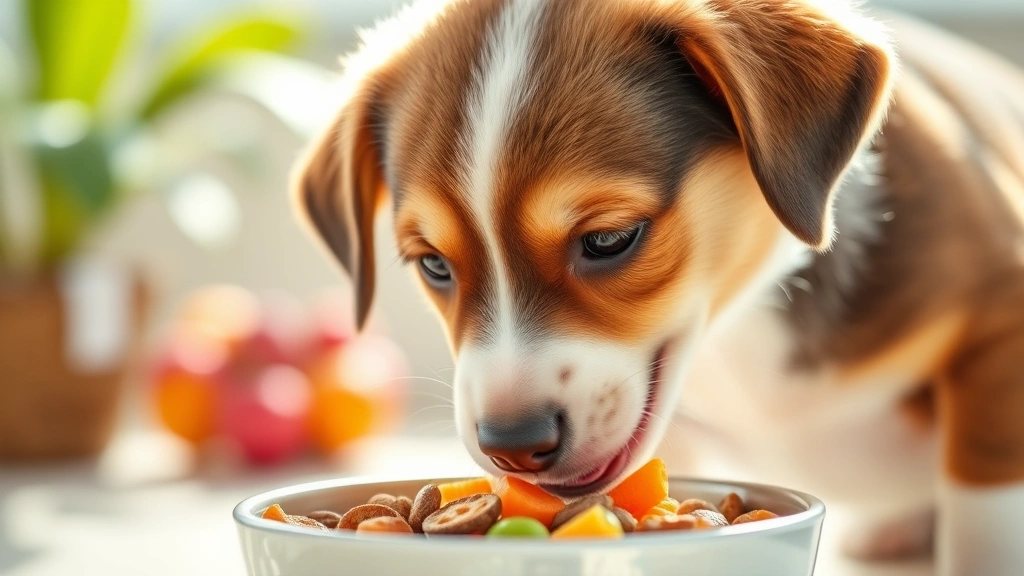
While your puppy recovers from appetite loss, keep their environment calm and stress-free. Provide fresh water at all times, and don’t force them to eat if they’re clearly uninterested—this can create negative associations with food.
Monitor their weight and energy levels closely. Even a few days without adequate nutrition can impact a growing puppy, so documenting what they eat helps your vet track progress.
Once your puppy starts eating again, reintroduce their regular food gradually. Mix small amounts of their normal diet with the bland or prescribed food over several days to avoid triggering another upset stomach.
Frequently Asked Questions
How long can a puppy go without eating?
Puppies shouldn’t go more than 24 hours without eating. After that, they risk hypoglycemia and other complications due to their fast metabolism and small body size.
Could my puppy’s loss of appetite be behavioral?
Yes, stress, anxiety, or pickiness can cause appetite loss, but always rule out medical issues first with your vet. Behavioral causes are usually diagnosed after other conditions are excluded.
What’s the difference between picky eating and a real problem?
Picky eaters often show interest in treats or other foods and maintain normal energy levels. Real appetite loss involves disinterest in all food and usually comes with other symptoms like lethargy or vomiting.
Can I give my puppy supplements to improve appetite?
Always ask your vet before giving supplements. Some can interact with medications or mask underlying conditions, so professional guidance is essential before adding anything to your puppy’s diet.
Is it normal for puppies to eat less as they grow?
Feeding amounts do adjust as puppies grow, but the transition should be gradual and guided by your vet. A sudden drop in appetite is different from a planned dietary adjustment.
What To Do Now
- Document when your puppy’s appetite loss started, what they’ve eaten in the last 48 hours, and any other symptoms you’ve noticed.
- Schedule a veterinary appointment today or tomorrow—don’t wait if your puppy hasn’t eaten for 24 hours or shows other concerning signs.
- Keep fresh water available at all times and try offering smaller, warmed meals while you wait for the appointment.
- If your puppy shows severe symptoms like repeated vomiting, extreme lethargy, or difficulty breathing, seek emergency veterinary care immediately.
- If you’re unable to get a same-day appointment and feel unsure about your puppy’s condition, consider a telehealth consultation for quick guidance.
Final Thoughts: You’re Doing the Right Thing
The fact that you’re looking for answers and considering when to ask vet about puppy not eating shows you’re a caring, attentive pet parent. Appetite loss in puppies can feel scary, but most cases respond well to treatment once the underlying cause is identified.
Your veterinarian is your best resource for getting your puppy back to their happy, hungry self. Whether it’s something simple like a food change or something that needs more investigation, professional guidance ensures your puppy gets the right care at the right time. Trust your instincts, reach out to your vet, and remember that catching issues early makes all the difference in your puppy’s long-term health and happiness.