
If you’ve noticed your puppy panting more than usual, it’s natural to feel concerned—but understanding what’s behind that heavy breathing can help you decide whether a vet visit is truly necessary. Puppies pant for many reasons, some completely normal and others worth investigating with your veterinarian.
Table of Contents
- Why Is My Puppy Panting So Much?
- 1. Heat and Overheating: The Most Common Cause
- 2. Exercise and Play-Related Panting
- 3. Anxiety, Stress, and Fear-Related Panting
- 4. Respiratory Infections and Illness
- 5. Pain or Discomfort
- 6. Heart or Metabolic Conditions
- 7. Medication Side Effects or Allergies
- When to Ask a Vet About Puppy Panting
- Puppy Panting and Respiratory Health
- Breed-Specific Panting Patterns
- When Panting Signals a Bigger Picture
- Frequently Asked Questions
- What To Do Now
- Summary: Taking Action on Puppy Panting
This article is for informational purposes only and is not a substitute for professional veterinary advice. Always consult a licensed veterinarian for diagnosis and treatment.
Why Is My Puppy Panting So Much?
Panting is your puppy’s primary way of cooling down since dogs don’t sweat like humans do. However, excessive panting can signal anything from overheating to anxiety, pain, or an underlying health condition. The key is recognizing what “normal” looks like for your individual pup.
Most healthy puppies pant after play, exercise, or when they’re warm. But if your puppy is panting at rest, during cool weather, or alongside other symptoms like lethargy or loss of appetite, that’s when you should ask a vet about puppy panting patterns.
1. Heat and Overheating: The Most Common Cause
Puppies regulate body temperature through panting, so some level of heavy breathing during warm weather or after playtime is completely expected. If your puppy has been running around, playing fetch, or spending time in the sun, panting is their body’s natural cooling system at work.
However, heat exhaustion is a real risk in puppies, especially brachycephalic (flat-faced) breeds like Bulldogs and Pugs. If your puppy seems unable to cool down even after resting in a shaded, cool area, or if panting is accompanied by drooling, weakness, or glazed eyes, move them to a cool space immediately and contact your vet.
Catching overheating early puts you in a great position to prevent serious complications.
2. Exercise and Play-Related Panting
Young puppies have boundless energy, and their cardiovascular systems are still developing. After a spirited play session or training exercise, expect your puppy to pant heavily for several minutes as their body works to return to a resting state.
This is healthy and normal. Simply provide fresh water, a cool resting spot, and allow 15–30 minutes for their breathing to return to baseline. If panting continues long after activity has stopped, or if your puppy seems exhausted beyond what the exercise warrants, note this and mention it during your next vet check-up.
3. Anxiety, Stress, and Fear-Related Panting
Puppies are sensitive little beings. New environments, loud noises, car rides, or separation from their littermates can trigger anxiety-driven panting. You might notice rapid, shallow breathing paired with whining, pacing, or hiding behavior.
If stress seems to be the culprit, create a safe, quiet space for your puppy and use positive reinforcement to build confidence. Gradual desensitization to stressful situations often helps. If anxiety panting is severe or persistent, ask your vet about behavioral strategies or whether anxiety management might be appropriate for your puppy’s age and temperament.
4. Respiratory Infections and Illness
Puppies are susceptible to respiratory infections, especially if they’ve been recently adopted, exposed to other dogs, or haven’t completed their vaccination series. Panting combined with coughing, sneezing, nasal discharge, or a fever warrants a veterinary evaluation.
Conditions like kennel cough or pneumonia can escalate quickly in young puppies. If you notice your puppy panting alongside respiratory symptoms, don’t delay—reach out to your vet or consider a telehealth consultation for initial guidance. Early intervention can prevent complications and keep your puppy comfortable.
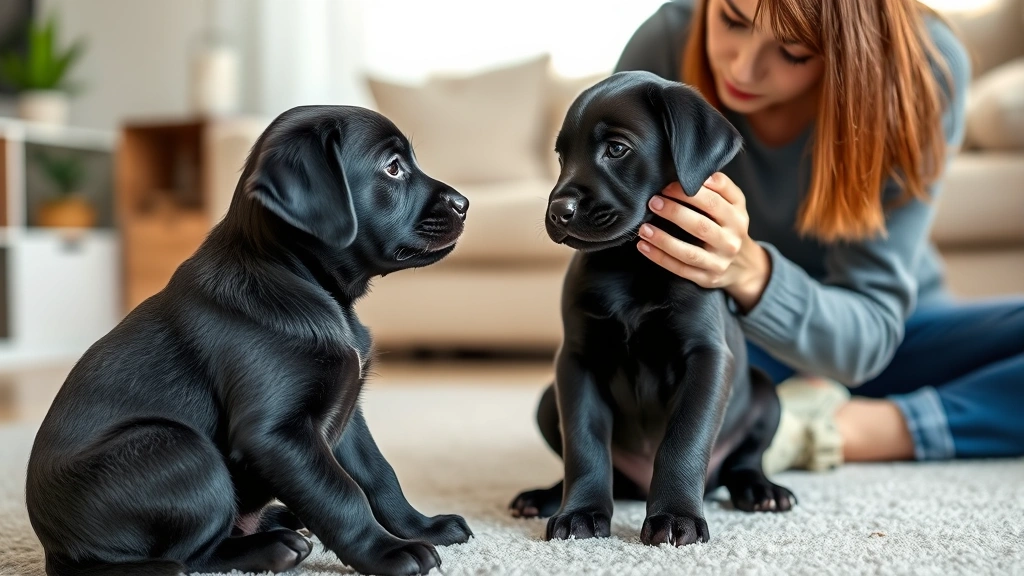
Catching respiratory issues early puts you in a strong position to support your puppy’s recovery.
5. Pain or Discomfort
Sometimes panting is your puppy’s way of signaling pain. Puppies in discomfort may pant, whimper, limp, or show reluctance to move or play. Common sources include ear infections, dental pain, or injuries.
If panting is paired with behavioral changes—like withdrawal, reluctance to eat, or sensitivity to touch—schedule a vet appointment promptly. Your veterinarian can perform a thorough physical exam to identify the source of discomfort and recommend appropriate relief.
6. Heart or Metabolic Conditions
While less common in puppies, congenital heart conditions or metabolic issues can present as excessive panting. Puppies with these conditions may also show stunted growth, lethargy, or difficulty keeping up with littermates during play.
If you have concerns about your puppy’s growth or energy levels, ask your vet about puppy panting during routine wellness visits. Your vet can listen to the heart and perform screening tests if warranted, giving you peace of mind or early detection of treatable conditions.
7. Medication Side Effects or Allergies
If your puppy recently started a new medication or was exposed to a potential allergen, panting could be a side effect or allergic response. Monitor for additional symptoms like itching, swelling, or gastrointestinal upset.
Always inform your vet of any new medications, supplements, or dietary changes. They can determine whether the panting is related and adjust treatment if needed.
When to Ask a Vet About Puppy Panting
Not every instance of panting requires an emergency vet visit, but certain situations warrant prompt professional attention. Here’s a practical guide:
- Normal panting: After play, in warm weather, during excitement—resolves within 15–30 minutes.
- Contact your vet: Panting at rest, during cool weather, paired with lethargy, loss of appetite, or behavioral changes.
- Seek urgent care: Excessive drooling, weakness, inability to stand, pale gums, or signs of heat exhaustion.
If you’re unsure whether your puppy needs urgent care, a quick telehealth check-in with a licensed veterinarian can give you peace of mind—no appointment needed. Many vets, including telehealth services, can assess puppy breathing concerns online and advise on next steps.
Puppy Panting and Respiratory Health
Understanding your puppy’s baseline breathing patterns is one of the best tools you have as a pet parent. Familiarize yourself with what normal looks like—how fast they breathe at rest, how quickly they recover after play, and whether certain triggers consistently cause panting.
Keep an eye on coughing or other respiratory symptoms that might accompany panting. Document patterns in a simple notebook: when panting occurs, how long it lasts, and what seems to trigger it. This information is invaluable during a vet visit and helps your veterinarian make an accurate assessment.
Breed-Specific Panting Patterns
Some breeds are naturally more prone to panting than others. Brachycephalic breeds (Bulldogs, Pugs, Boston Terriers) pant more readily because their shortened airways make breathing less efficient. Conversely, Nordic breeds like Huskies and Malamutes may pant less frequently due to their cold-weather adaptations.
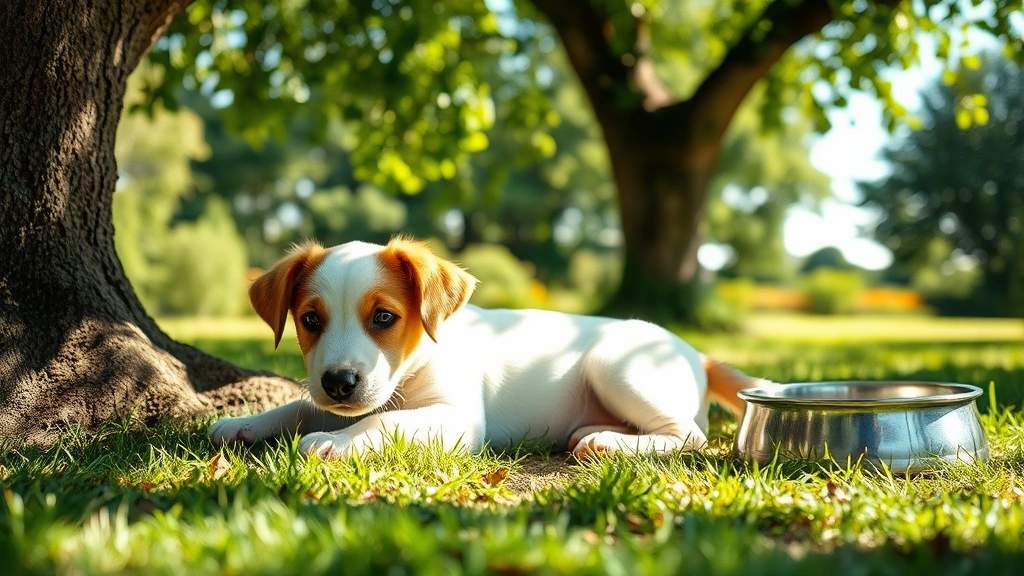
If you have a breed predisposed to panting, work closely with your vet to establish what’s normal for your individual puppy. This prevents unnecessary worry while ensuring you catch genuine health concerns early. Prevention strategies tailored to your breed can also reduce respiratory risks.
When Panting Signals a Bigger Picture
Panting rarely occurs in isolation. Pay attention to the full clinical picture: Is your puppy eating and drinking normally? Are they playful and alert, or lethargic? Do they have diarrhea, vomiting, or discharge from eyes or nose? Is their coat healthy, or are they scratching excessively?
These contextual clues help your vet narrow down the cause. For instance, panting plus diarrhea might suggest a systemic infection, while panting plus excessive scratching could point to allergies. Gastrointestinal symptoms combined with breathing changes warrant veterinary evaluation.
Frequently Asked Questions
Is it normal for puppies to pant a lot?
Yes, puppies pant frequently after play, in warm weather, or when excited. However, panting at rest or during cool weather is not typical and should be evaluated by a vet.
How can I tell if my puppy’s panting is abnormal?
Normal panting resolves within 15–30 minutes of rest and is triggered by heat or activity. Abnormal panting persists at rest, occurs in cool conditions, or accompanies other symptoms like lethargy or coughing.
Can anxiety cause puppy panting?
Absolutely. Stress, fear, and anxiety trigger rapid, shallow panting in puppies. Pairing this with behavioral signs like whining or hiding confirms anxiety as the likely cause.
What should I do if my puppy is panting heavily and won’t cool down?
Move your puppy to a cool, shaded area immediately, offer fresh water, and contact your vet. Heavy panting that doesn’t resolve with rest could signal heat exhaustion or another urgent condition.
Should I ask my vet about puppy panting during a routine wellness visit?
Yes. Even if panting seems mild, mentioning it during wellness checks helps your vet establish baseline patterns and catch early signs of health issues.
What To Do Now
- Observe and document: Note when your puppy pants, how long it lasts, and what triggers it. Include any accompanying symptoms like coughing, lethargy, or behavior changes.
- Assess the context: Determine whether panting follows play, heat exposure, or stressful situations. Compare it to what you consider normal for your puppy.
- Schedule a vet check-in: If panting occurs at rest, during cool weather, or alongside other symptoms, book an appointment or use a telehealth service for peace of mind.
- Provide comfort and hydration: Ensure your puppy has access to fresh water and cool resting areas, especially during warm weather or after activity.
- Monitor for changes: Watch for escalation or new symptoms. If your puppy shows signs of distress, weakness, or heat exhaustion, seek urgent veterinary care immediately.
Summary: Taking Action on Puppy Panting
Puppy panting is usually nothing to worry about, but it’s worth understanding the difference between normal cooling-off breaths and panting that signals a health concern. By staying observant, documenting patterns, and asking your vet about puppy panting during routine visits, you’re taking an active role in your puppy’s health and development.
Remember: your veterinarian is your partner in keeping your puppy healthy and happy. Whether through in-person visits or convenient telehealth consultations, don’t hesitate to reach out with questions. Early attention to potential issues—respiratory, behavioral, or otherwise—sets the foundation for a long, healthy life with your beloved companion.
Trust your instincts, stay informed, and know that seeking professional guidance is always the right call when you’re unsure.