
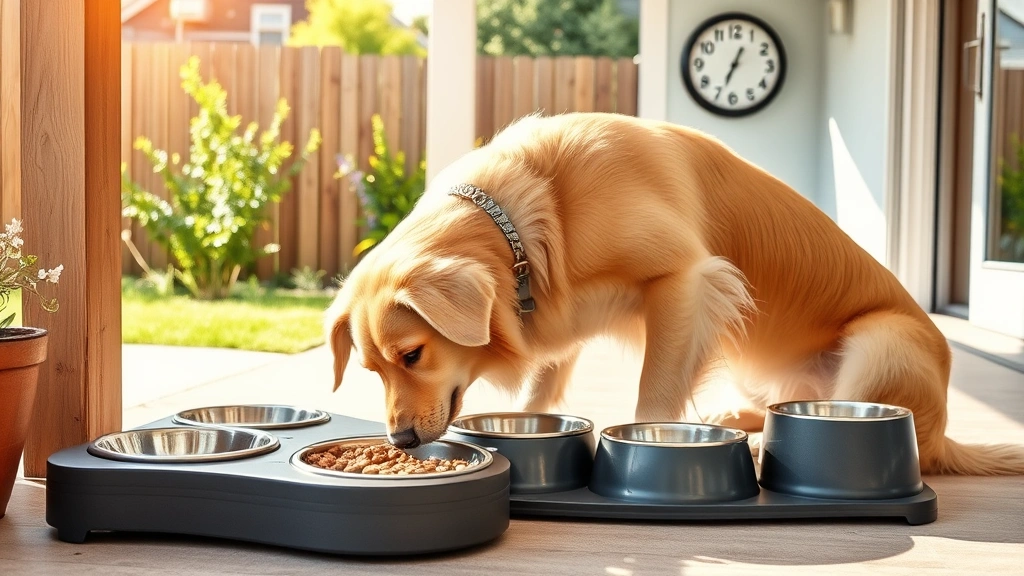
Outdoor Pet Feeding Schedules: Keeping Meals and Medications Safe
Supervising meals and medication for outdoor pets takes more than a fixed feeding time. Learn how to avoid shared doses, spoiled food, and missed medicines.

Supervising meals and medication for outdoor pets takes more than a fixed feeding time. Learn how to avoid shared doses, spoiled food, and missed medicines.
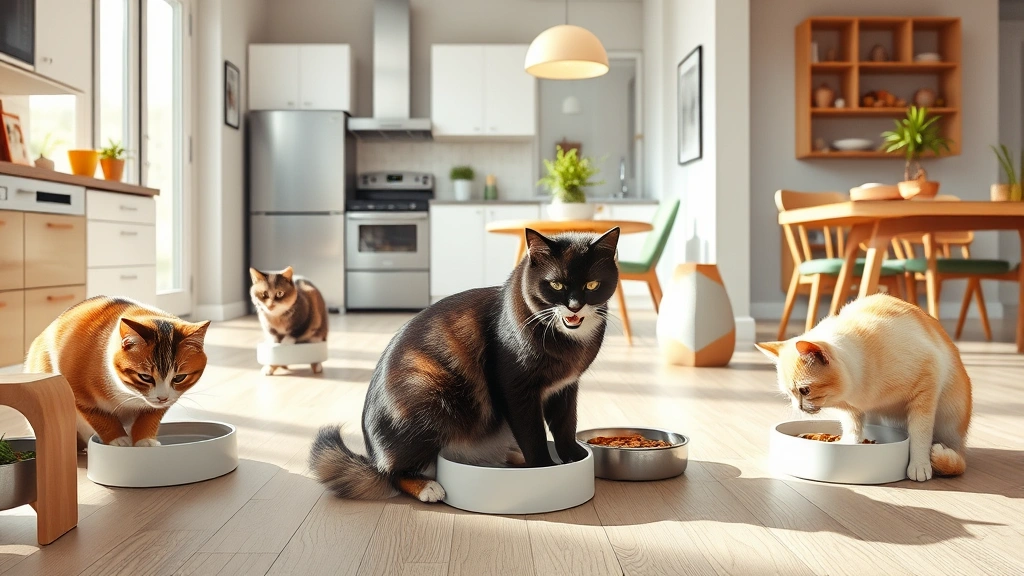
Feeding multiple cats works best with separate, quiet food stations. Learn how to reduce food guarding, monitor portions, and accommodate different diets.
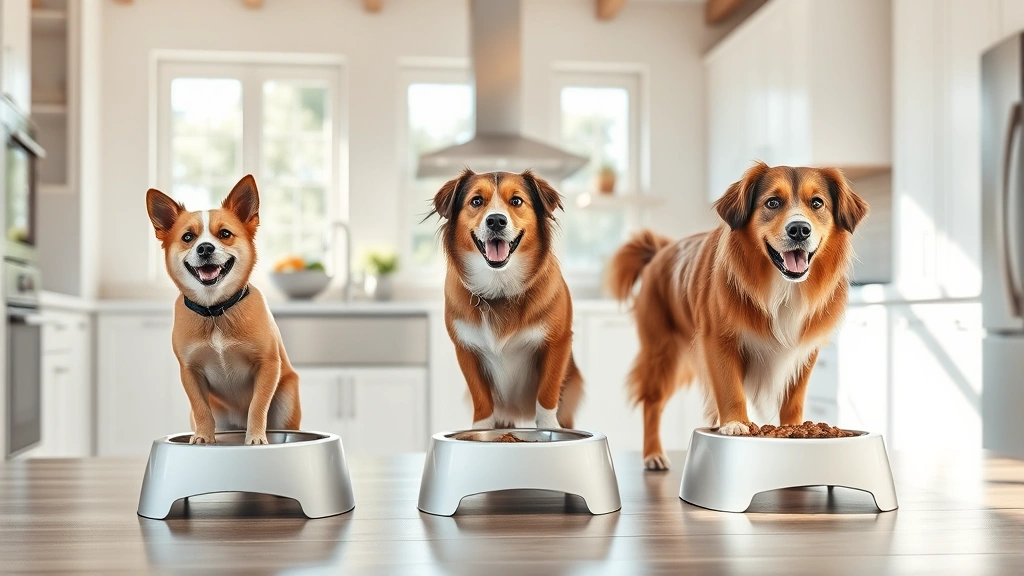
Practical ways to feed several dogs safely, prevent resource guarding, manage different diets, and keep every dog at a healthy weight.

Learn signs of food guarding in dogs, how to make meals safer, what not to do, and when to seek veterinary behavior help.
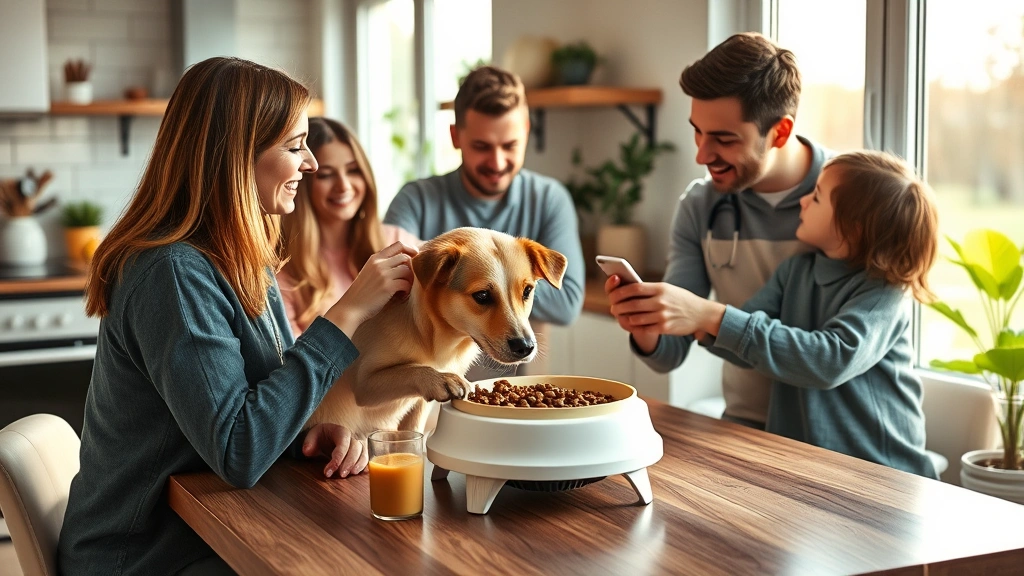
Practical ways to prevent food competition between dogs and cats: separate feeding stations, safer routines, and when to seek behavior help.
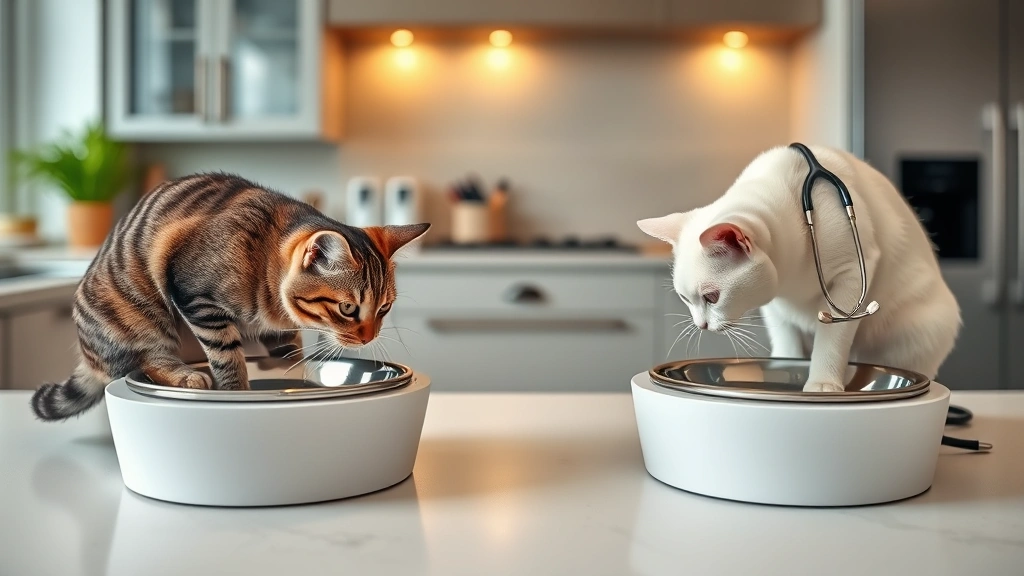
Keep medicated food away from other pets, avoid double doses, store prescriptions safely, and know what to do if the wrong animal eats medicine.
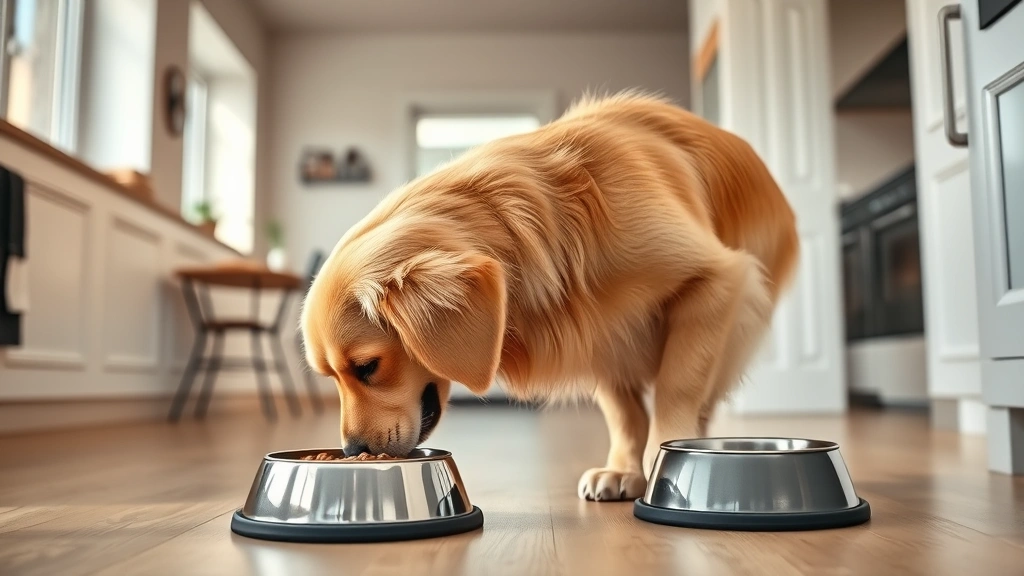
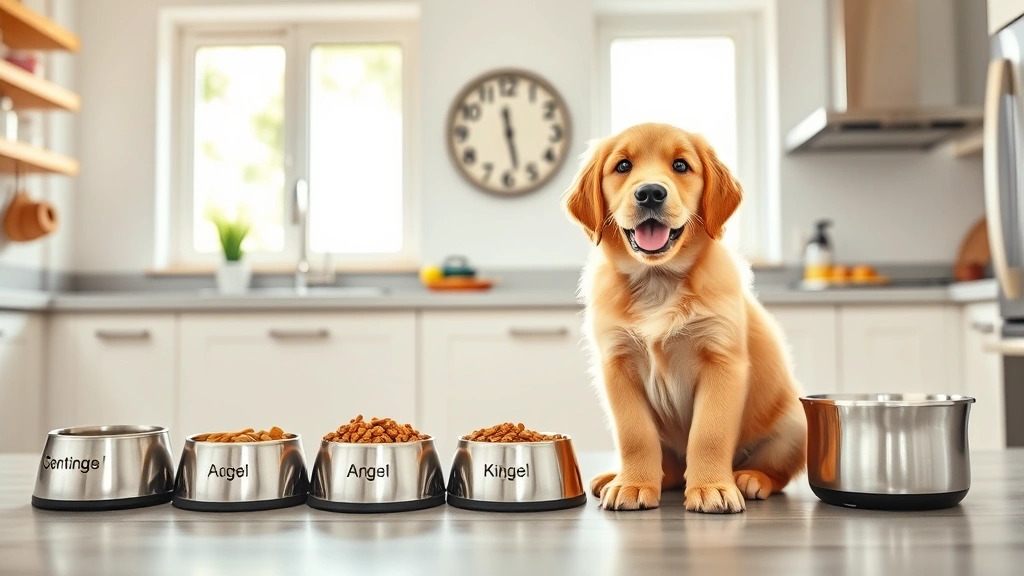
Feeding dogs and cats in separate areas makes it easier to monitor portions, prevent food competition, and accommodate special diets. Here’s a practical setup.
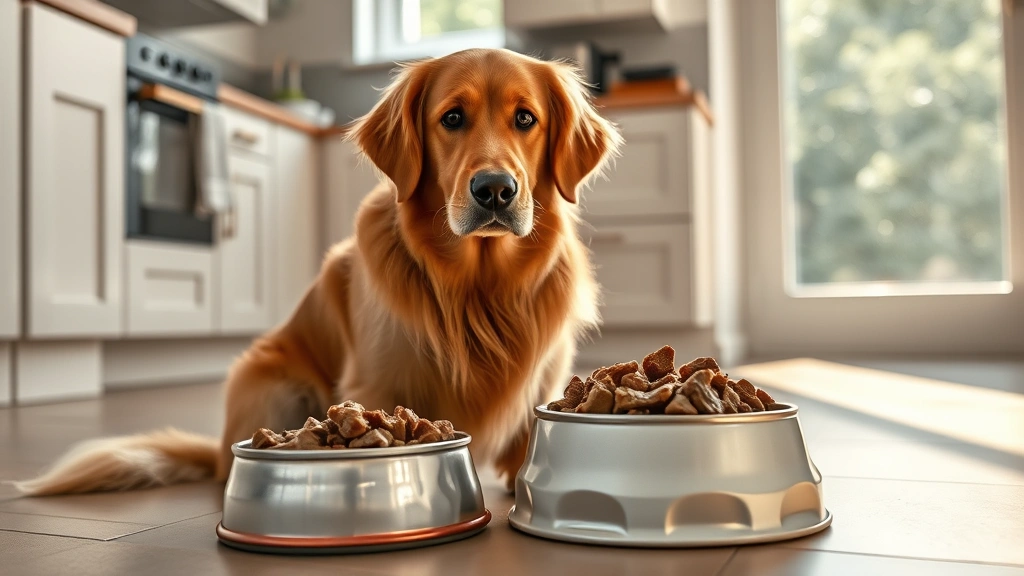
How long canned dog and cat food can safely stay in the bowl, how to store opened cans, bowl cleaning, and signs your pet ate spoiled food.
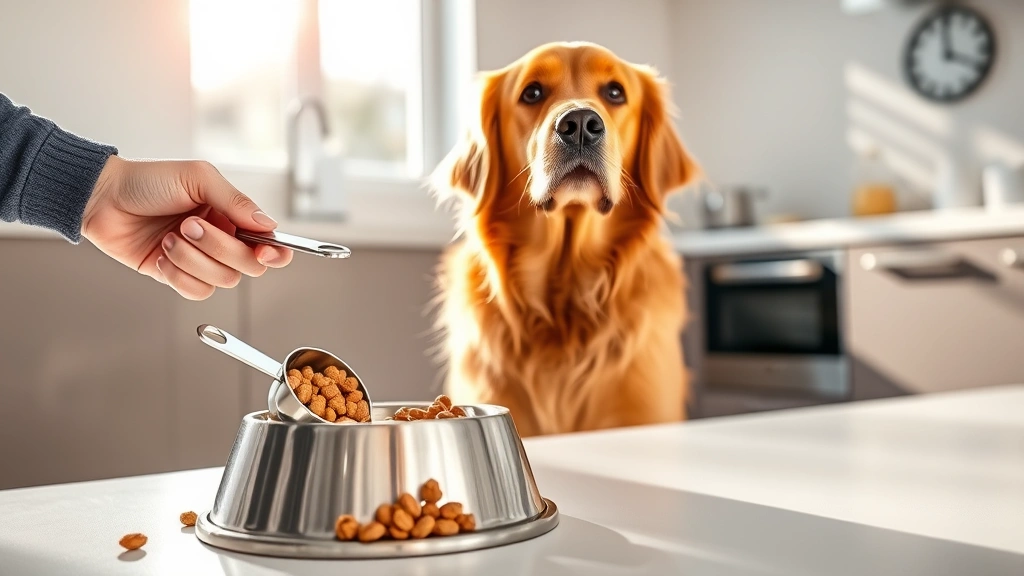
Learn how to store opened kibble, recognize spoiled pet food, choose bag sizes, and keep dry dog and cat food safe using FDA and AVMA guidance.
How long dry food, treats, raw diets, and opened cans stay safe, how to store them, bowl hygiene, and how to stay on top of recalls.