

Nasal Congestion in Dogs: Causes, Safe Home Care, and When to See a Vet
Why dogs get stuffy noses, home care that is safe, human decongestants to avoid, and signs that mean your dog needs a vet.

Why dogs get stuffy noses, home care that is safe, human decongestants to avoid, and signs that mean your dog needs a vet.
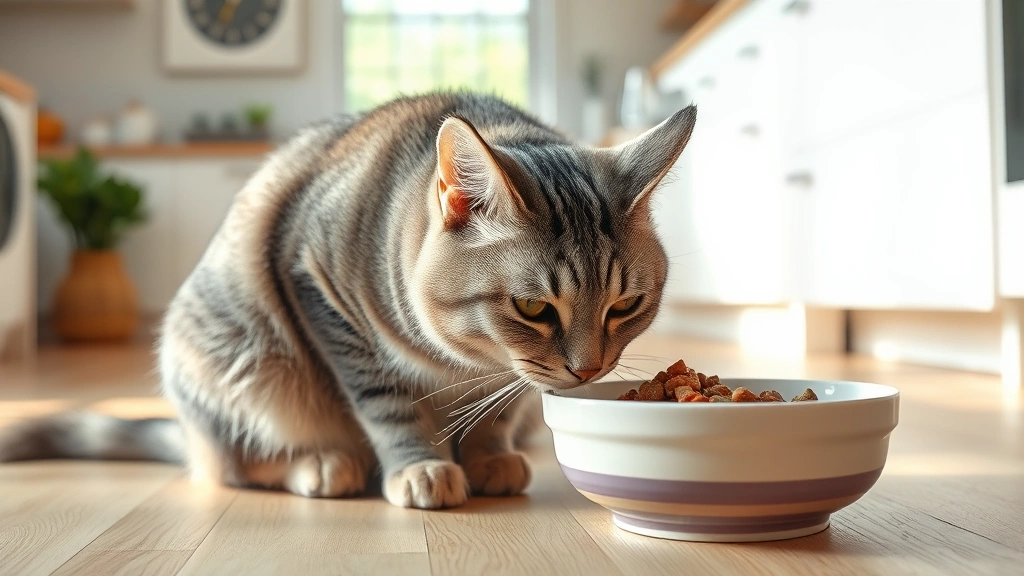
Why low-phosphorus food matters for cats with chronic kidney disease, how kidney diets differ from regular cat food, switching tips, and what to ask your vet.

How stomach-acid medications like famotidine and omeprazole are used in dogs and cats, when they help, and which human products are risky.

The anti-nausea medications vets prescribe for dogs, why human medicines can be risky, safe at-home care for a mild upset stomach, and when vomiting needs a vet.

Thinking about a homemade kidney diet for your dog or cat? What renal diets need to do, why most online recipes fall short, and how to do it safely with a veterinary nutritionist.

Why some cats have long-lasting nasal congestion, the causes vets look for beyond a simple cold, and how chronic rhinitis is managed.

Why cats get congested, vet-backed home care that helps, remedies to avoid (including toxic human medicines and essential oils), and when to see a vet.

Overview Many common household foods can seriously poison cats, but most poisoning cases are preventable with proper awareness and precautions.

Overview Cats have unique metabolisms that make many common human foods dangerous or toxic to them, including chocolate, onions, garlic,
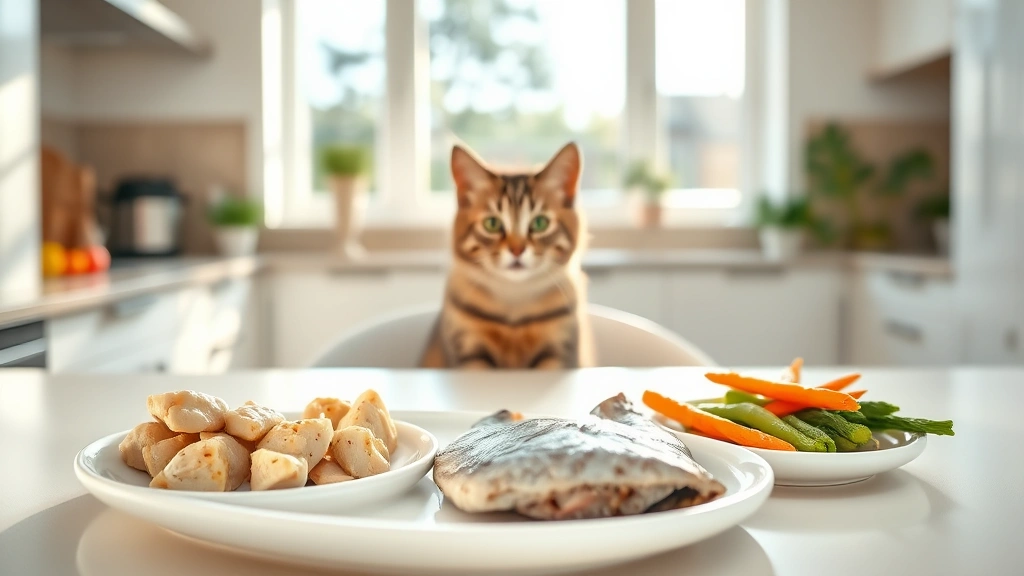
Which people foods are safe for cats in small amounts, how to serve them, how much is too much, and the foods that are toxic to cats.