
Basset Hound skin fold dermatitis happens because those lovable droopy lips, wrinkled brows, and loose neck skin trap moisture, bacteria, and yeast against the skin. What looks like just a bit of redness can turn into a persistent, smelly, uncomfortable problem if it is not managed well. Here is what every Basset Hound owner should know about spotting it early, treating it properly, and keeping those signature wrinkles healthy for the long run.
Table of Contents
- Why Basset Hounds Are So Prone to This Problem
- What Lip Fold Dermatitis Looks Like
- Facial and Forehead Fold Issues
- Neck and Body Fold Involvement
- Why Moisture and Bacteria Build Up So Easily
- The Role of Diet and Allergies
- Daily and Weekly Care Habits
- When to See the Vet
- Treatment Your Vet May Recommend
- Surgical Options for Severe Cases
- Keeping an Eye on Eye and Ear Involvement
- Bathing Tips for Fold-Prone Dogs
- Weight Management as a Prevention Strategy
- Living Well With a Wrinkly, Lovable Breed
Why Basset Hounds Are So Prone to This Problem
Basset Hounds were bred with loose, generous skin and long pendulous ears and lips, traits that make them instantly recognizable but also create the perfect environment for skin fold problems. The deep folds around the lips, the wrinkles on the face and forehead, and the loose skin along the neck all trap moisture from drooling, food, water, and humidity. Once that moisture settles into a fold, it does not evaporate easily the way it would on flat skin, and that warm, damp, low-oxygen environment is exactly what bacteria and yeast need to multiply.
This is not a flaw in how you care for your dog, it is simply a structural reality of the breed. The same features that give Basset Hounds their soulful expression also mean their skin needs a bit more attention than a smooth-coated, tight-skinned breed would. Understanding this upfront helps you stay ahead of problems instead of reacting once they have already become painful or infected.
What Lip Fold Dermatitis Looks Like
Lip fold dermatitis specifically affects the folds at the corners of the mouth where saliva pools constantly. You might notice the skin there looking red, raw, or thickened, sometimes with a grayish or yellowish discharge and a distinctly unpleasant odor that is hard to miss once you know what to look for. The hair around the area may become matted or stained a reddish-brown color from constant licking and moisture.
Dogs with this condition often paw at their face, rub their mouth against furniture or carpet, or seem generally irritated around the muzzle. Left unaddressed, the constant moisture and friction can lead to open sores, which are painful and prone to secondary infection.
- Redness or rawness in the folds at the corners of the mouth
- A foul smell even shortly after a bath
- Brownish or yellowish staining on the hair near the lips
- Pawing at the face or rubbing the mouth on furniture
- Visible discharge or crusting in the fold itself
Facial and Forehead Fold Issues
Beyond the lips, Basset Hounds can develop irritation in the wrinkles across the forehead and around the eyes, especially in dogs with particularly loose, heavy facial skin. These folds trap dirt, tears, and skin oils in the same way the lip folds trap saliva. Over time this buildup can cause redness, odor, and discomfort, and in dogs whose eyelids are affected it can contribute to eye irritation as well.
You may notice your dog squinting, rubbing their face on the ground, or shaking their head more than usual. Because these folds are harder to see without gently lifting the skin, facial fold dermatitis can go unnoticed longer than lip fold issues, which is part of why regular, deliberate checks matter so much for this breed.
Neck and Body Fold Involvement
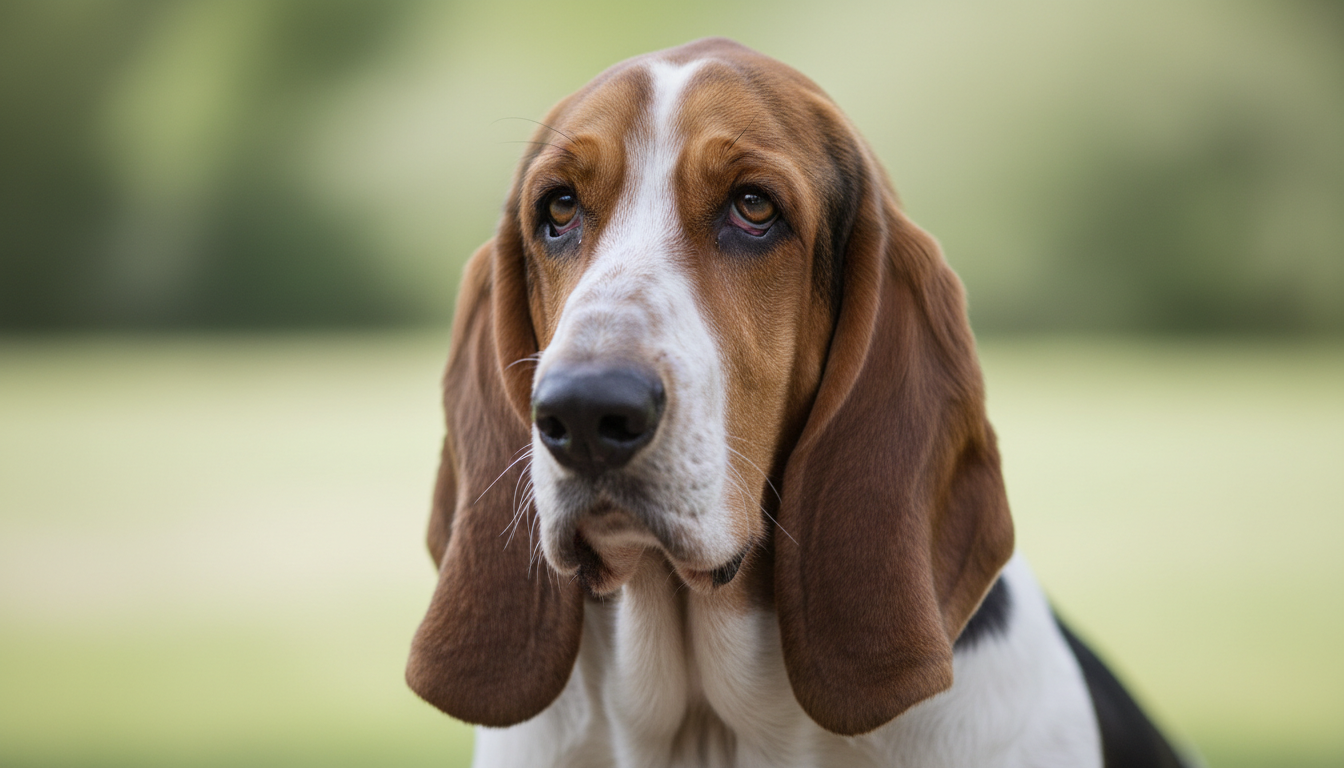
Some Basset Hounds carry enough loose skin along the neck and shoulders that folds form there too, particularly in dogs on the heavier side. These areas can develop the same pattern of redness, odor, and discomfort as facial folds, and because they are covered by fur and often out of sight, they are easy to miss during a quick petting session. A dog that seems unusually sensitive or fidgety when you touch their neck or collar area may be telling you something is bothering them underneath the fur.
Weight plays a real role here. A Basset Hound carrying extra pounds will typically have deeper, tighter folds than a lean dog of the same build, which means more trapped moisture and a higher risk of skin problems developing in multiple places at once.
Why Moisture and Bacteria Build Up So Easily
The basic problem in every fold is the same, skin pressed against skin creates a warm, airless pocket that does not dry out the way exposed skin does. Saliva, tears, sweat from paw pads tracked onto the face during grooming, and normal skin oils all accumulate in these pockets. Bacteria and yeast that normally live on the skin in small, harmless numbers thrive in this damp environment and can multiply rapidly.
Once the population of bacteria or yeast gets large enough, the skin reacts with inflammation, which you see as redness and irritation. This inflamed skin is more fragile and prone to small breaks, which then allow bacteria even deeper access, creating a cycle that tends to worsen without intervention. This is why fold dermatitis so often needs active treatment rather than just a wait-and-see approach.
The Role of Diet and Allergies
While the structural issue of loose skin is the main driver, underlying skin allergies or food sensitivities can make fold dermatitis worse or more frequent in some dogs. A Basset Hound with an underlying allergy may produce more oil or have a slightly different skin pH, both of which can feed bacterial and yeast overgrowth even in a well-cared-for fold. If your dog seems to develop fold problems repeatedly despite good hygiene, it is worth discussing with your vet whether an allergy or sensitivity is contributing to the pattern.
Your vet may suggest looking at diet, environment, or other triggers as part of managing a dog who seems unusually prone to recurring skin fold issues, since treating the folds alone will not solve a problem that has an underlying allergic component.
Daily and Weekly Care Habits
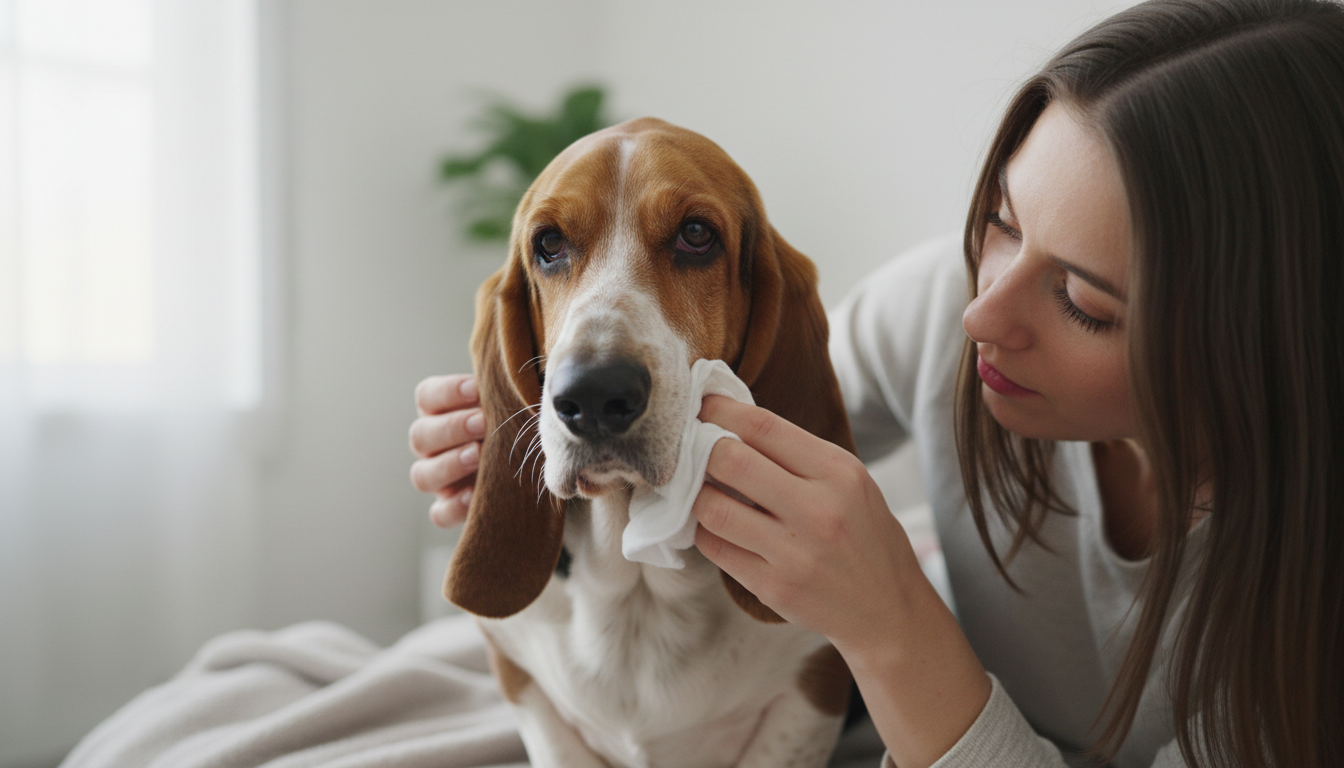
Consistent, gentle cleaning is the single most effective thing you can do to prevent fold dermatitis from developing or returning. The goal is to physically remove the moisture and debris before bacteria and yeast have a chance to build up to problematic levels, which means this needs to be a routine habit rather than an occasional deep clean.
- Gently wipe the lip folds and facial wrinkles daily with a soft, damp cloth
- Dry the folds thoroughly afterward, since leaving them damp defeats the purpose
- Check the folds for redness, odor, or discharge a few times a week
- Keep the hair around the folds trimmed short if your dog has longer fur in these areas
- Avoid harsh soaps or alcohol-based wipes that can further irritate already sensitive skin
When to See the Vet
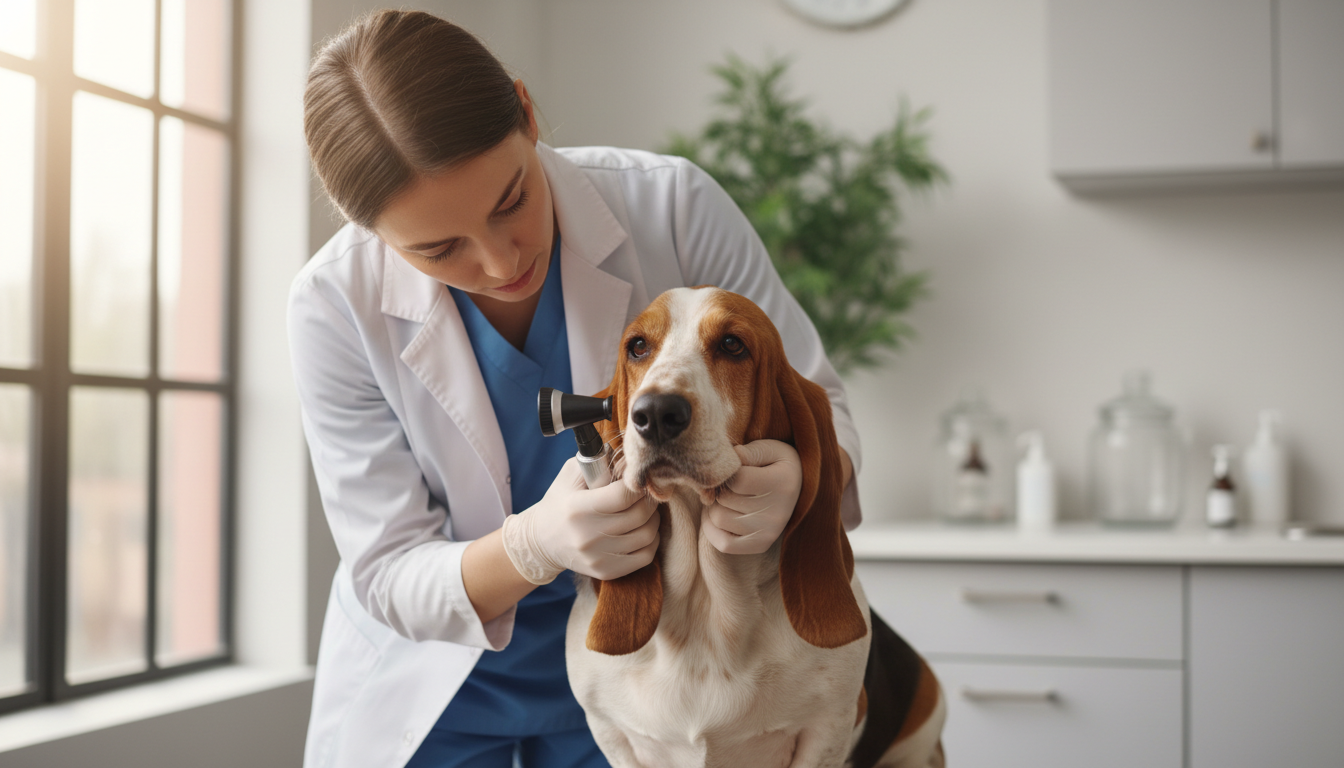
Mild redness that responds to regular cleaning at home is one thing, but certain signs mean it is time for a veterinary visit rather than continued home care. If the skin looks raw or has open sores, if there is thick discharge or a very strong odor that does not improve with cleaning, or if your dog seems painful when you touch the area, these are signs the infection has likely progressed beyond what home cleaning can resolve on its own.
Your vet can determine whether the issue is primarily bacterial, yeast-related, or a combination of both, and can prescribe an appropriate topical or oral treatment based on what they find. Never attempt to diagnose the type of infection yourself or use leftover medications from a previous issue, since treating the wrong type of organism can allow the problem to worsen while appearing to mask the smell temporarily.
- Open sores, raw patches, or bleeding in the fold
- A strong odor that persists despite consistent cleaning
- Thick, colored discharge from the fold
- Visible pain or sensitivity when the area is touched
- Swelling that seems to be getting worse rather than better
Treatment Your Vet May Recommend
Treatment depends on what is actually driving the inflammation, and your vet will typically start by examining the fold closely and sometimes taking a sample to check for the type of bacteria or yeast present. Based on that assessment, they may prescribe a topical treatment made for skin folds, recommend a specific cleaning routine, or in more persistent cases discuss other options to reduce ongoing moisture and friction in the area.
It is important to follow the full course of any treatment your vet prescribes, even if the redness and odor seem to clear up early, since stopping too soon is one of the most common reasons fold dermatitis comes back shortly after it appeared to resolve.

Surgical Options for Severe Cases
In dogs with especially deep or persistent folds that cause repeated infections despite consistent care and treatment, some vets discuss surgical options to reduce the fold itself. This is not a routine recommendation and is generally reserved for dogs whose quality of life is genuinely affected by chronic, hard-to-manage infections rather than occasional mild irritation.
This kind of decision involves weighing the benefits against the risks of any surgery, and it is a conversation to have directly with your vet, who can assess your individual dog’s anatomy, history, and overall health before recommending any surgical path forward.
Keeping an Eye on Eye and Ear Involvement
Because Basset Hounds already carry separate risks for ear infections due to their long, low-hanging ears, it is worth remembering that facial fold dermatitis and ear issues can sometimes occur together or aggravate one another, particularly if your dog is scratching at their face and ears in response to irritation in either area. Similarly, deep facial wrinkles near the eyes can occasionally contribute to tear staining or mild eye irritation if moisture and debris build up close to the eye itself.
Keeping a broader eye on your dog’s whole face during routine checks, rather than focusing narrowly on just the lip folds, helps you catch any related issues early before they compound into something more uncomfortable for your dog.
Bathing Tips for Fold-Prone Dogs
Regular bathing helps keep the skin and coat generally healthy, but it needs to be done thoughtfully for a dog with deep folds. Using a gentle, vet-approved shampoo and making sure to rinse thoroughly inside every fold is important, since leftover soap residue can be just as irritating as trapped moisture.
The drying step afterward matters just as much as the washing itself. Patting folds dry with a clean towel and allowing extra time for air exposure before your dog settles into a crate or bed helps prevent the exact kind of lingering dampness that encourages bacterial growth in the first place.
- Choose a mild, fragrance-free shampoo recommended by your vet
- Rinse folds thoroughly to remove all soap residue
- Pat dry rather than rubbing, which can irritate already sensitive skin
- Allow extra air-drying time for deep folds before crating or bedding down
Weight Management as a Prevention Strategy
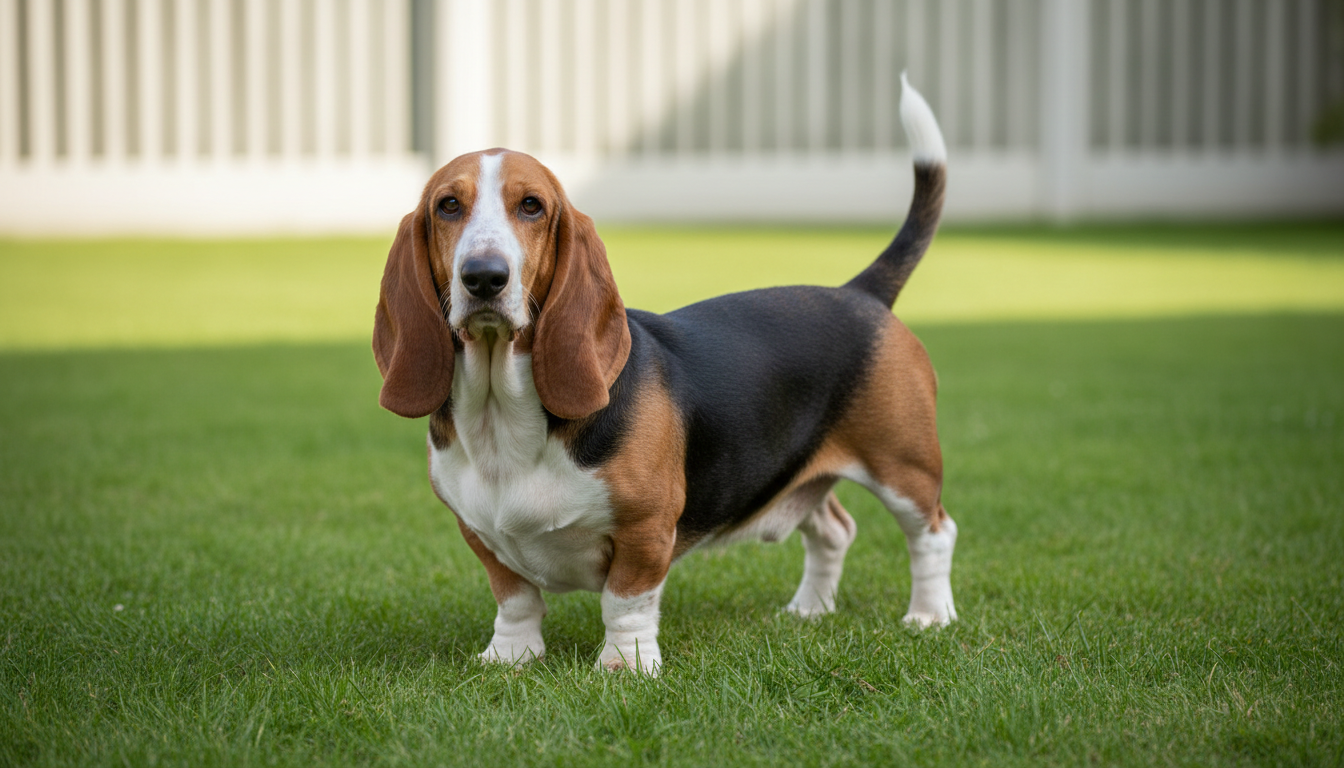
Because excess weight deepens and tightens skin folds, keeping your Basset Hound at a healthy weight is one of the most practical long-term strategies for reducing fold dermatitis risk. A leaner dog naturally has looser, shallower folds that allow more air circulation and are easier to keep clean compared to the deep, tightly pressed folds seen in overweight dogs of the same breed.
Talk to your vet about an appropriate weight and feeding plan for your individual dog, since ideal weight can vary based on age, activity level, and overall build. This is a case where a goal you might already have for your dog’s joints and heart health also pays off directly in fewer skin problems.
Living Well With a Wrinkly, Lovable Breed
None of this means a Basset Hound is destined for constant skin trouble, it simply means their care routine benefits from a few extra minutes of attention that a smooth-coated breed would not need. Most owners find that once fold checks and gentle cleaning become part of the normal routine, alongside regular grooming and vet visits, flare-ups become far less frequent and much easier to catch early when they do happen.
Your vet is your best partner in figuring out what routine works for your specific dog, especially if your Basset Hound seems to run into fold issues more often than typical. With consistent care, those droopy, wrinkled features that make the breed so charming do not have to come with constant discomfort.
This article is for general education and is not a substitute for care from your own veterinarian. Learn about The Pet Vet and our editorial policy.