
Finding the best cat toothbrush might feel overwhelming when your feline friend resists dental care, but the right tool can transform brushing from a battle into a bonding moment. Most cat owners don’t realize that dental disease affects nearly 90% of cats over age four, and prevention starts with choosing equipment your cat will actually tolerate.
Table of Contents
- Why Cat Dental Care Matters More Than You Think
- What Makes a Toothbrush Cat-Friendly?
- The 7 Best Cat Toothbrushes for 2024
- How to Introduce Your Cat to Toothbrushing
- Choosing Toothpaste That Works With Your Brush
- Signs Your Cat Needs More Frequent Brushing
- Combining Brushing With Professional Cleanings
- Budget-Friendly Alternatives and Tips
- Troubleshooting Common Brushing Challenges
- Frequently Asked Questions
- What To Do Now
- Summary
This article is for informational purposes only and is not a substitute for professional veterinary advice. Always consult a licensed veterinarian for diagnosis and treatment.
Why Cat Dental Care Matters More Than You Think
Your cat’s teeth aren’t just for show—they’re essential to her overall health. When plaque builds up on feline teeth, it hardens into tartar, which leads to gum inflammation, tooth loss, and potentially serious infections that spread to the heart and kidneys.
The good news? Regular brushing dramatically reduces these risks. Even three times weekly can make a measurable difference in your cat’s oral health. Starting early and using the right tools sets you up for success.
What Makes a Toothbrush Cat-Friendly?
Not all toothbrushes are created equal when it comes to feline mouths. Cats have sensitive gums and a smaller mouth opening than dogs, so size and bristle softness matter tremendously.
Look for these features in a quality cat toothbrush:
- Soft, fine bristles that won’t irritate delicate gum tissue
- Compact head design that fits comfortably in a cat’s mouth
- Non-slip grip for better control during brushing
- Angled bristles that reach the gum line effectively
- Ergonomic handle that reduces hand fatigue during the process
The bristle texture is especially important—too stiff and you risk causing gum damage, too soft and you won’t remove plaque effectively.
The 7 Best Cat Toothbrushes for 2024
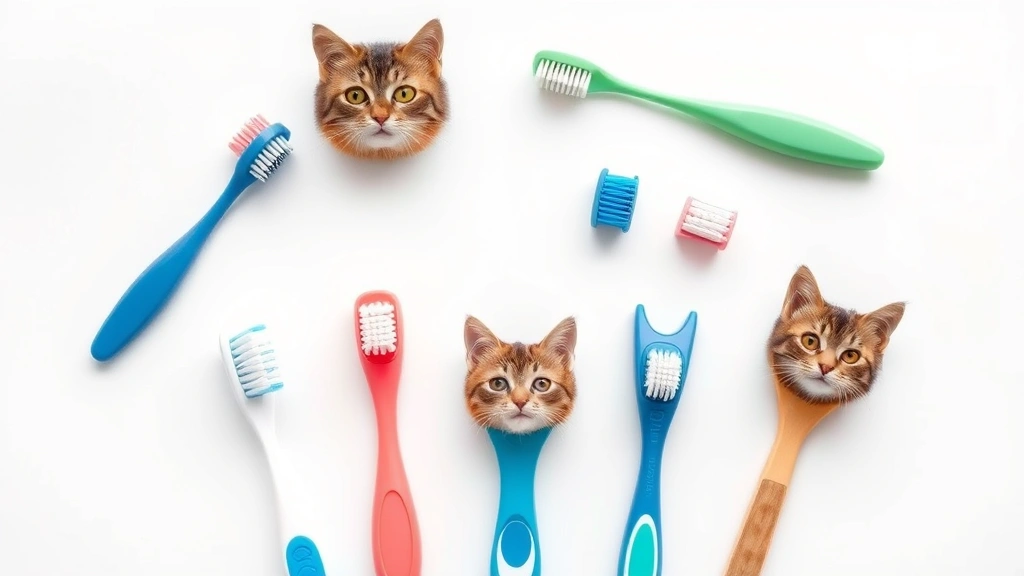
1. Virbac C.E.T. Enzymatic Toothbrush
The Virbac C.E.T. stands out because it combines a specially designed brush head with enzymatic toothpaste compatibility. The ultra-soft bristles are angled at 45 degrees, which vets consistently recommend for reaching the gum line without causing irritation.
This brush works beautifully for cats who are just beginning their dental care journey. The handle provides excellent grip control, and the compact head won’t trigger your cat’s gag reflex.
2. Oxyfresh Pet Toothbrush
If your cat has sensitive gums or early-stage inflammation, the Oxyfresh option deserves consideration. Its patented bristle arrangement creates a gentler brushing experience while still addressing plaque buildup effectively.
Many cat owners report their pets tolerate this brush better than traditional options. The soft nylon bristles flex slightly, reducing pressure on the gums.
3. Petsmile Professional Pet Toothbrush
Petsmile’s professional-grade brush features a dual-bristle design—longer outer bristles for plaque removal and shorter inner bristles for gum stimulation. This combination addresses multiple dental needs in one tool.
The ergonomic handle fits naturally in your hand, making the brushing motion more controlled and less likely to accidentally injure your cat’s mouth.
4. Tropiclean Fresh Breath Toothbrush
The Tropiclean brush is ideal for cats with moderate plaque buildup. Its slightly firmer (but still soft) bristles work well for cats whose gums have already adjusted to regular brushing.
The compact head design makes it one of the smallest options available, perfect for cats with smaller mouths or those who are particularly sensitive about oral handling.
5. Finger Toothbrush by Petrodex
For cats who absolutely resist traditional brushes, the finger toothbrush offers a gentler introduction to dental care. This rubber cap fits over your finger and features soft nubs instead of bristles.
While less aggressive at plaque removal, it’s an excellent stepping stone for anxious cats. You can gradually transition to a traditional brush once your cat becomes comfortable with the sensation.
6. Vetoquadrat Enzymatic Toothbrush
This European-designed brush prioritizes precision and comfort. The bristles are arranged in a specific pattern that mirrors professional dental hygiene techniques used in veterinary clinics.
The handle is slightly longer than average, giving you better reach and control—especially helpful if your cat tends to turn her head away during brushing sessions.
7. Radius Pet Toothbrush
The Radius brush features eco-friendly materials without compromising effectiveness. Its curved bristle pattern adapts to your cat’s tooth contours, ensuring thorough cleaning with minimal pressure.
This option appeals to environmentally conscious pet owners who don’t want to sacrifice quality for sustainability.
How to Introduce Your Cat to Toothbrushing
Jumping straight into full brushing sessions often backfires. Instead, follow this gradual introduction approach:
- Week 1: Let your cat lick cat-safe toothpaste off your finger. Focus on building positive associations.
- Week 2: Gently rub toothpaste on her front teeth with your finger, no brush yet. Keep sessions under 30 seconds.
- Week 3: Introduce the toothbrush without paste. Let her investigate it, chew it slightly, and get comfortable with the texture.
- Week 4: Begin gentle brushing on the outer surfaces of teeth for 10-15 seconds, focusing on the back molars where plaque accumulates most.
- Week 5+: Gradually extend brushing time to 30-60 seconds as your cat becomes more comfortable.
This patient approach respects your cat’s boundaries while building the habit. Most cats adapt within 2-4 weeks when introduced this way.
Choosing Toothpaste That Works With Your Brush
The best cat toothbrush pairs well with feline-specific toothpaste. Never use human toothpaste—fluoride and xylitol are toxic to cats.
Look for enzymatic toothpastes designed for cats, which often contain glucose oxidase or lactoperoxidase. These enzymes help break down plaque and freshen breath without requiring rinsing.
Flavor matters too. Cats respond better to poultry, fish, or meat flavors than mint. Your cat’s preference will influence how willingly she cooperates during brushing.
Signs Your Cat Needs More Frequent Brushing
Some cats are more prone to dental disease than others. Watch for these indicators that your cat might need more aggressive oral care:
- Bad breath that smells worse than typical cat breath
- Visible tartar buildup on teeth (brown or yellow crusty deposits)
- Swollen or red gums
- Drooling more than usual
- Reluctance to eat hard food
- History of dental disease in your cat’s breed
If you notice any of these signs, daily brushing becomes even more important. Catching early dental issues puts you in a great position to prevent costly extractions down the road.
Combining Brushing With Professional Cleanings
Regular home brushing is powerful, but it doesn’t replace professional veterinary cleanings. Most vets recommend annual or biannual cleanings depending on your cat’s individual risk factors.
Professional cleanings remove tartar buildup below the gum line—something home brushing can’t reach. Think of brushing as maintenance and professional cleaning as the deep clean.
If you’re unsure whether your pet needs a professional cleaning or how frequently, a quick telehealth check-in with a vet can give you personalized guidance—no appointment needed.
Budget-Friendly Alternatives and Tips
Quality cat toothbrushes range from $5 to $20, making them affordable for most budgets. Don’t assume the most expensive option is best for your cat—sometimes a simpler, smaller brush works better.
Consider buying two different styles to test which your cat prefers. Some cats cooperate better with finger brushes while others accept traditional brushes more readily.
You can also explore water additives and dental treats as supplementary tools, though they’re not substitutes for brushing. Feeding for immune support also plays a role in overall oral health resilience.
Troubleshooting Common Brushing Challenges
If your cat resists brushing, don’t give up. Most resistance stems from improper technique or rushing the introduction process.
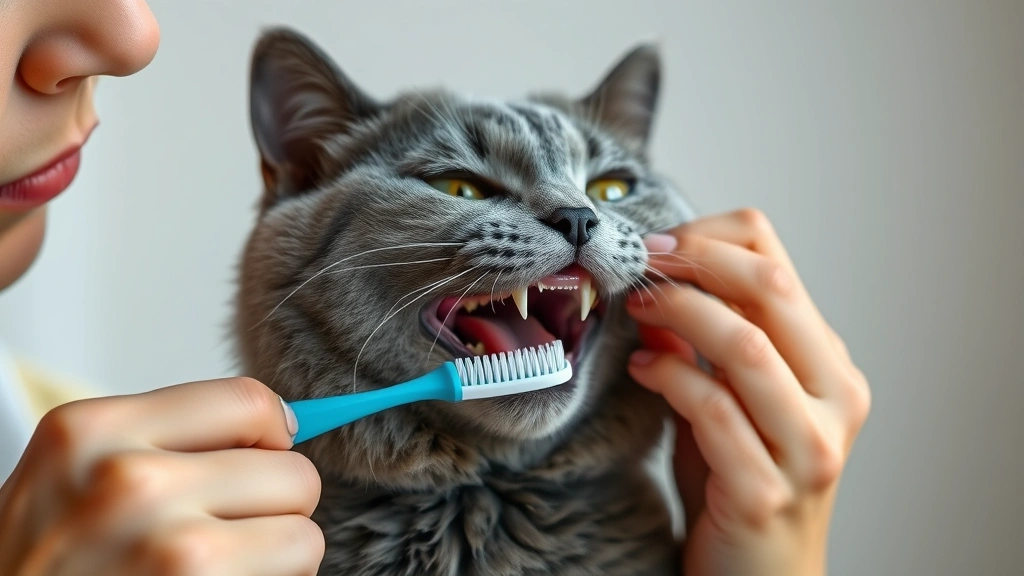
If your cat won’t open her mouth: You don’t need her mouth fully open. Brushing the outer tooth surfaces is where most plaque accumulates anyway. Gently lift her lip and brush at a 45-degree angle.
If she bites the brush: This usually means she’s anxious or the bristles feel uncomfortable. Switch to a softer brush and slow down the introduction process.
If she walks away: Keep sessions short—even 15 seconds counts. Consistency matters more than duration. Daily 15-second sessions beat weekly three-minute marathons.
Remember, your cat isn’t being difficult. She’s communicating her comfort level. Respecting that builds trust for long-term dental care success.
Frequently Asked Questions
How often should I brush my cat’s teeth?
Ideally, daily brushing is best for optimal oral health. However, even three to four times weekly provides significant benefits for most cats. Consistency matters more than frequency.
Can I use a human toothbrush on my cat?
Human toothbrushes are too large and have bristles that are too firm for feline mouths. Always use cat-specific toothbrushes designed for smaller mouths and sensitive gums.
What age should I start brushing my cat’s teeth?
You can begin introducing toothbrushing as early as 6-8 weeks old, though most cats adjust better starting around 6 months. Older cats can learn too—it just may take longer.
Is cat toothpaste safe if my cat swallows it?
Cat-specific enzymatic toothpaste is safe to swallow, which is why it’s formulated differently than human toothpaste. Never use human toothpaste, as it contains harmful ingredients for cats.
What if my cat has never had her teeth brushed?
It’s never too late to start. Older cats can learn new habits with patience and positive reinforcement. Begin with the gradual introduction process outlined above, and consider discussing professional cleaning options with your vet.
What To Do Now
- Assess your cat’s current dental health: Lift her lip and examine her teeth for tartar buildup, gum redness, or bad breath. Note any concerns to discuss with your veterinarian.
- Choose a brush based on your cat’s personality: If she’s anxious, start with a finger brush. If she’s more tolerant, select one of the seven options above that matches her mouth size and your hand comfort.
- Purchase cat-safe, enzymatic toothpaste: Avoid human toothpaste and look for formulas with natural enzymes that break down plaque without requiring rinsing.
- Begin the gradual introduction process this week: Start with flavored toothpaste on your finger to build positive associations. Don’t rush to the brush.
- Schedule a veterinary dental check-in: Ask your vet about your cat’s current dental status and whether professional cleaning is recommended. If you’re unsure about next steps, a telehealth consultation can provide personalized guidance without the wait.
Summary
The best cat toothbrush is one your cat will actually tolerate, paired with consistent daily brushing and cat-safe enzymatic toothpaste. Whether you choose the Virbac C.E.T., Petsmile, or a simpler finger brush depends on your individual cat’s comfort level and mouth sensitivity.
Dental disease affects the vast majority of cats, but it’s also highly preventable. Starting with the right tools and introducing brushing gradually sets your cat up for a lifetime of healthier teeth and gums.
Your patience during the introduction phase pays dividends in your cat’s long-term health and your peace of mind knowing you’re preventing painful dental disease.