
Boxer colitis is a frustratingly common problem for owners of this breed, showing up as recurring bouts of loose stool, straining, and visible discomfort that seem to come and go without warning. Many Boxers also deal with a generally sensitive stomach, reacting to small diet changes, stress, or treats that other dogs tolerate easily. This guide walks through what causes these flare-ups, how to recognize the signs, and when it’s time to get your vet involved.
Table of Contents
- What Colitis Actually Means
- Common Triggers in This Breed
- Recognizing a Flare-Up
- Why It’s Not Something to Self-Diagnose
- When to Seek Emergency Care
- Diet and Long-Term Management
- The Role of Stress and Routine
- Supporting Gut Health Between Flares
- Medication and Vet-Guided Treatment
- Living With a Sensitive-Stomach Boxer
- Working With Your Veterinarian Long-Term
What Colitis Actually Means
Colitis simply refers to inflammation of the large intestine, or colon. In Boxers, this inflammation tends to show up as episodes of soft, mucous-coated stool, sometimes with streaks of fresh blood, along with frequent urges to go and visible straining. These episodes can last a few days and then resolve, only to return weeks or months later, which is why owners often describe it as a cycle rather than a single illness.
It helps to understand that colitis is a description of what’s happening in the gut, not a single disease with one cause. Boxers seem to develop this pattern of large intestinal upset more often than many other breeds, and while nobody can say with certainty why, it’s widely accepted among vets that this breed tends to run a more reactive digestive system overall. That sensitivity can make the colon more prone to inflammation when something disrupts the gut’s normal balance.
Because the symptoms overlap with several other conditions, it’s never safe to assume a Boxer having loose stool simply has “colitis” without a vet confirming that. Parasites, infections, dietary indiscretion, and more serious conditions can all look similar in the early stages, so a proper workup matters.
Common Triggers in This Breed
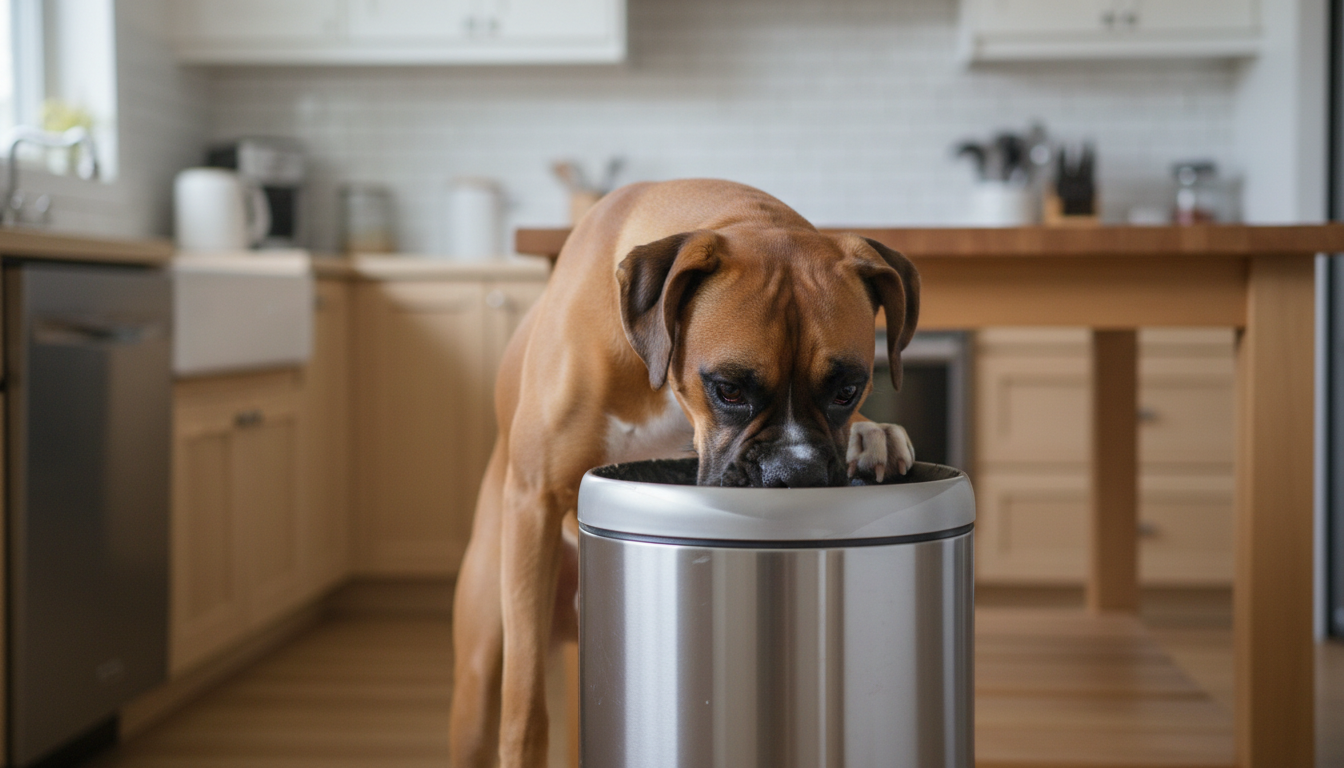
Boxers are known for being food motivated and curious, which means dietary indiscretion is a frequent trigger. Getting into garbage, eating something off a walk, or a sudden switch in food brand or protein source can all set off a flare. Stress is another major factor; boarding, travel, new household members, or even a change in routine can trigger digestive upset in dogs that are prone to it.
Some Boxers also seem to react to specific ingredients, though true food allergies are less common than general sensitivity to rich, fatty, or novel foods. Treats, table scraps, and fatty leftovers are classic flare triggers that owners often don’t connect to the digestive episode because it happened a day or two earlier.
- Sudden food or treat changes
- Getting into trash, compost, or spoiled food
- Stressful events like boarding or travel
- Fatty table scraps or rich treats
- Underlying parasites or infections that irritate the colon

Recognizing a Flare-Up
The hallmark sign of a colitis flare is a change in stool consistency and frequency. Instead of the usual firm stool, you’ll likely see soft, loose, or liquid stool, often with visible mucus coating it. Many dogs also need to go out more frequently than normal, sometimes straining hard with little to show for it, which can look alarming even though it’s a known pattern with this condition.
Other signs include visible discomfort when trying to defecate, a hunched posture, or reluctance to settle. Some Boxers show general low energy or a slightly reduced appetite during a flare, though many continue eating normally and otherwise seem like themselves. Blood in the stool during colitis is usually bright red and limited to the surface of the stool rather than mixed throughout, but any blood should always be mentioned to your vet rather than assumed to be minor.
Why It’s Not Something to Self-Diagnose
It can be tempting to label every loose stool episode as “just colitis” once you’ve been told your Boxer has a sensitive stomach, but that assumption can be risky. Intestinal parasites, bacterial infections, pancreatitis, and even early signs of more serious conditions can present with very similar symptoms, and some of these require specific treatment that a home approach won’t address.
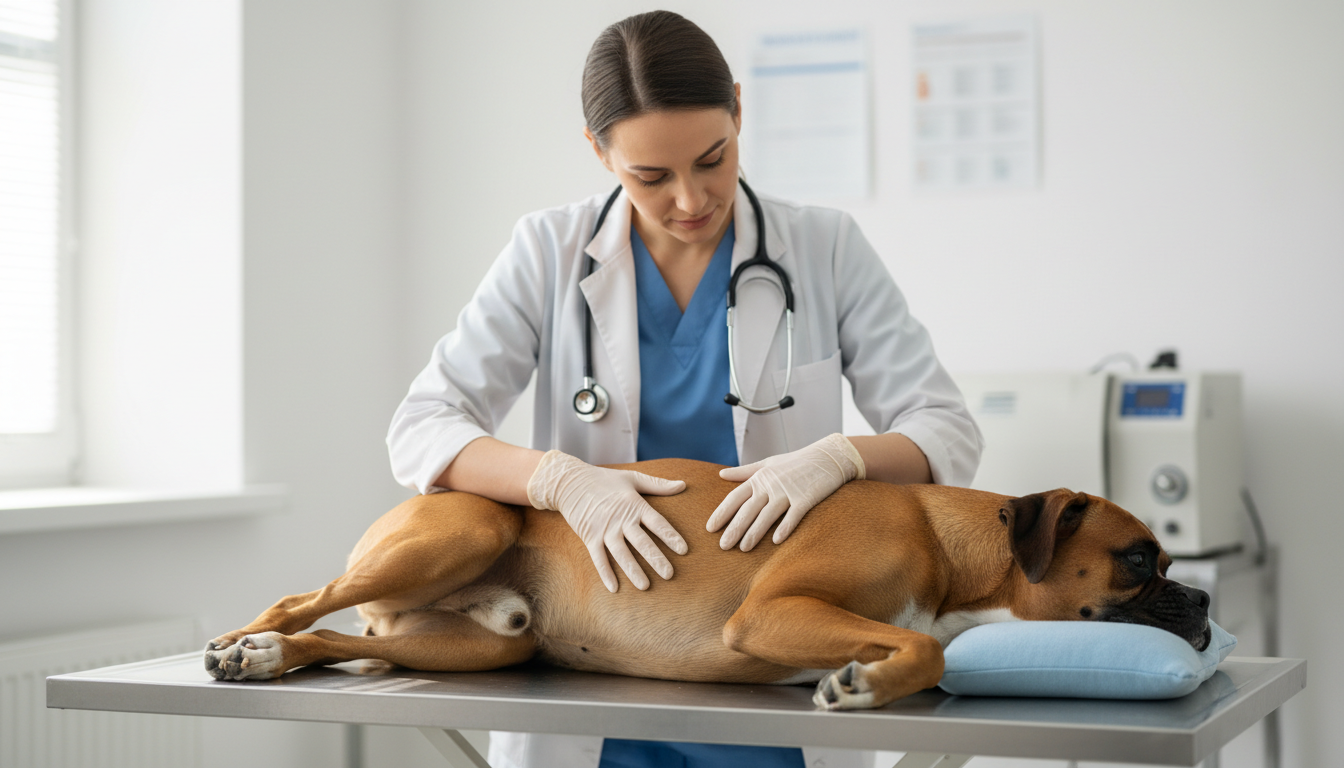
A vet visit, especially for a new or worsening episode, usually involves a physical exam and often a fecal test to rule out parasites. Bloodwork may be recommended if the dog seems unwell beyond the digestive symptoms, or if flares are becoming more frequent and severe. Your vet is really in the best position to tell you whether this is a recurring sensitivity issue or something that needs a different treatment path altogether.
When to Seek Emergency Care
Most colitis flares are uncomfortable rather than dangerous, but there are situations where you shouldn’t wait for a routine appointment. Significant amounts of blood in the stool, repeated vomiting alongside diarrhea, visible lethargy, a swollen or painful abdomen, or any sign of dehydration all warrant prompt veterinary attention. Puppies and senior Boxers are more vulnerable to rapid dehydration during a flare, so err on the side of caution with these age groups.
- Large amounts of blood or very dark, tarry stool
- Vomiting combined with diarrhea
- Noticeable lethargy or weakness
- A painful, bloated, or tense abdomen
- Signs of dehydration like sunken eyes or dry gums

Diet and Long-Term Management
Many Boxers with recurring colitis do well on a consistent, easily digestible diet with minimal ingredient changes. Your vet may recommend a specific prescription gastrointestinal diet during and after a flare, along with a gradual, slow transition if any food change is needed in the future. Sudden switches are one of the most common triggers owners can actually control, so introducing new foods over a week or more rather than overnight is a simple habit that helps.
Fiber content is often part of the conversation, since the right amount and type of fiber can help regulate colon function in some dogs, though this should be guided by your vet rather than adjusted on your own. Treats are worth scrutinizing too; rich, fatty, or novel ingredients are a common hidden trigger, so sticking to a short list of known-safe treats can reduce flare frequency.
- Stick to one consistent, vet-approved diet
- Transition any food change slowly over seven to ten days
- Limit fatty table scraps and unfamiliar treats
- Keep trash and compost secured and inaccessible
- Track flares in a simple log to spot patterns

The Role of Stress and Routine
Because Boxers are an emotionally reactive breed in general, stress-related digestive upset is genuinely common. Boarding stays, loud household events, new pets, or even a change in your work schedule can be enough to trigger a flare in a dog that’s prone to colitis. This doesn’t mean you need to avoid normal life changes, but it does mean paying attention to timing can help you connect the dots when episodes happen.
Keeping a predictable daily routine around feeding times, walks, and rest can reduce overall stress load on a sensitive dog. Some owners find that calming aids or adjustments around high-stress events help, but any supplement or calming product should be discussed with your vet first, especially if your Boxer is already managing a digestive condition.
Supporting Gut Health Between Flares
Probiotics are commonly discussed for dogs with recurring digestive sensitivity, and some vets do recommend them as part of a management plan. The idea is that supporting a healthy balance of gut bacteria may reduce the frequency or severity of flares over time, though results vary from dog to dog. Any probiotic or supplement should be chosen with your vet’s input rather than picked off a shelf at random, since quality and appropriate formulation for dogs matter.
Hydration also plays a quiet but important role in gut health. Making sure fresh water is always available, especially during or after a flare, supports recovery and helps prevent the dehydration that can follow repeated loose stools.
Medication and Vet-Guided Treatment
When flares are frequent or severe, your vet may discuss treatment options ranging from short-term dietary changes to medications that calm intestinal inflammation. These decisions depend on how often episodes occur, how severe they are, and what else is going on with your dog’s health, so there’s no one-size-fits-all plan. It’s worth having an honest conversation with your vet about flare frequency so you can work out a long-term strategy together rather than treating each episode in isolation.
Never give human medications or over-the-counter anti-diarrheal products to your Boxer without veterinary guidance, since some common options are not safe for dogs or can mask a more serious problem. Your vet can recommend what’s appropriate for your dog’s specific situation.
Living With a Sensitive-Stomach Boxer
Many Boxers with a tendency toward colitis live full, active lives once their owners learn the patterns and triggers that set off flares. It often becomes a matter of consistency: predictable food, secured trash, careful treat choices, and attention to stressful periods. Over time, most owners get a good feel for what their individual dog can and can’t tolerate.
That said, every flare that seems different from the usual pattern, or every episode that’s more severe than past ones, deserves a fresh look from your vet rather than being assumed to be “the usual.” Boxers can’t tell you when something feels different, so your attentiveness to changes in frequency, severity, or accompanying symptoms is genuinely part of their care plan.
- Learn your individual dog’s specific triggers over time
- Keep a stable routine around feeding and activity
- Don’t assume every flare is automatically “just colitis”
- Reach out to your vet when patterns worsen or change
- Keep emergency signs in mind even during a “routine” flare
Working With Your Veterinarian Long-Term
Because colitis can be a recurring issue rather than a one-time illness, building a relationship with your vet around this specific concern is valuable. Some Boxers benefit from periodic check-ins even when they’re doing well, so adjustments to diet or management can be made proactively rather than only during a crisis. Bringing a log of flare dates, foods, and any possible triggers to these appointments can make the conversation much more productive.
Ultimately, managing a Boxer prone to colitis is a partnership between your daily observations at home and your vet’s medical guidance. Neither piece works as well alone, and dogs with this tendency generally do best when both sides stay consistently engaged with their care.
This article is for general education and is not a substitute for care from your own veterinarian. Learn about The Pet Vet and our editorial policy.