
If you’ve noticed your cat breathing fast and you’re wondering whether you can talk to a vet about cat breathing fast online, the answer is absolutely yes—and it might be exactly what you need right now. That rapid breathing pattern can feel alarming when you’re watching your beloved feline, especially if you’re not sure whether it’s an emergency or something that can wait.
Table of Contents
- Why Is Your Cat Breathing Fast?
- Common Causes of Rapid Breathing in Cats
- How Online Vet Consultations Work for Cat Breathing Issues
- When to Seek Immediate Help vs. Scheduling Online
- What Information to Have Ready for Your Online Vet Visit
- The Advantages of Talking to a Vet Online About Cat Breathing Issues
- What Happens After Your Online Consultation
- Related Cat Health Concerns You Might Explore
- Understanding Feline Respiratory Health Better
- Frequently Asked Questions
- What To Do Now
- Summary: Getting Answers for Your Cat’s Breathing
This article is for informational purposes only and is not a substitute for professional veterinary advice. Always consult a licensed veterinarian for diagnosis and treatment.
The good news? You don’t have to sit in traffic, wait weeks for an appointment, or stress alone wondering what’s happening. Modern telehealth veterinary services make it possible to get professional guidance from a licensed vet in minutes, right from your living room. Let’s walk through everything you need to know about rapid breathing in cats and how online veterinary consultations can help.
Why Is Your Cat Breathing Fast?
Fast breathing in cats—also called tachypnea—can happen for many different reasons. Sometimes it’s nothing serious. Other times, it warrants prompt attention. The key is understanding what normal looks like and when to reach out for help.
A healthy cat typically takes 20 to 30 breaths per minute at rest. If you count your cat’s breaths and consistently see 40, 50, or more per minute, that’s worth investigating. Catching this early puts you in a great position to help your cat feel better faster.
Common Causes of Rapid Breathing in Cats
Rapid breathing can stem from physical exertion, stress, or heat. Cats who’ve just played hard or are anxious about a car ride might breathe faster temporarily—that’s usually nothing to worry about.
However, fast breathing can also signal underlying health concerns. Here are some possibilities a vet might explore:
- Respiratory infections: Upper or lower respiratory tract infections can cause increased breathing rate and wheezing.
- Asthma: Feline asthma is surprisingly common and may cause labored or rapid breathing, especially during or after activity.
- Heart disease: Cardiac conditions can lead to compensatory rapid breathing as the heart works harder.
- Anemia: Low red blood cell counts force the body to breathe faster to maintain oxygen delivery.
- Fever or infection: Systemic infections can elevate breathing rate as part of the body’s immune response.
- Obesity: Overweight cats may breathe faster due to increased metabolic demand.
- Pain or stress: Discomfort from injury, dental disease, or emotional stress can trigger rapid breathing.
The variety of potential causes is exactly why talking to a vet—whether in person or online—is so valuable. A professional can ask the right questions and help narrow down what’s going on.
How Online Vet Consultations Work for Cat Breathing Issues
Telehealth veterinary services have revolutionized pet care. When you connect with a vet online about your cat’s rapid breathing, here’s what typically happens:
- Initial assessment: The vet asks detailed questions about when you first noticed the fast breathing, whether it’s constant or intermittent, and any other symptoms your cat is showing.
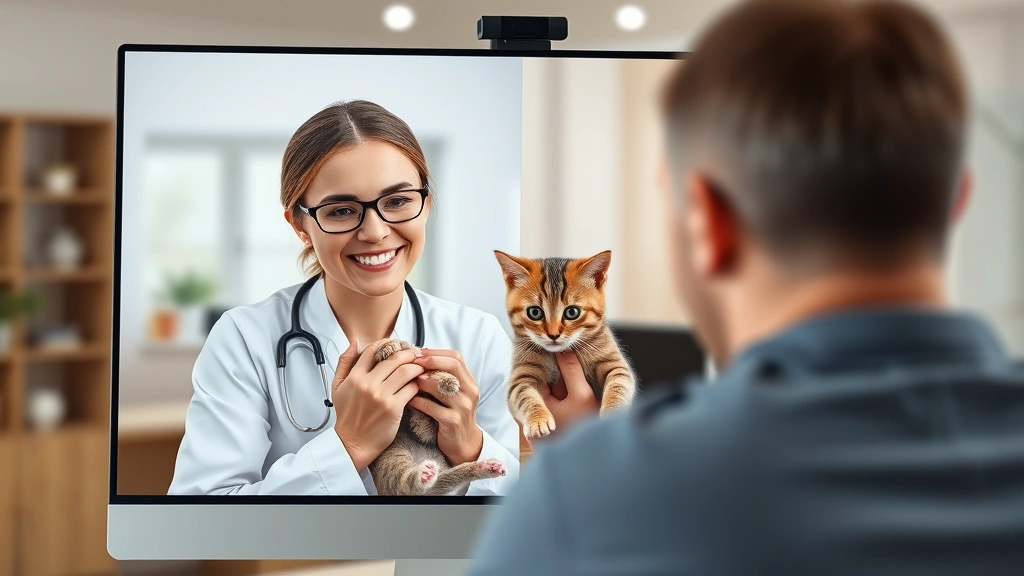
- Visual evaluation: You’ll show the vet your cat on video so they can observe breathing patterns, body condition, and overall demeanor.
- Medical history review: The vet discusses your cat’s age, previous health issues, medications, and lifestyle.
- Recommendations: Based on the consultation, the vet may suggest monitoring at home, recommend an in-person exam, or advise urgent care if needed.
If you are unsure whether your pet needs urgent care, a quick telehealth check-in can give you peace of mind—no appointment needed. Many online vet services offer same-day or next-day availability, which beats waiting weeks for a traditional appointment.
When to Seek Immediate Help vs. Scheduling Online
Not all rapid breathing requires emergency care, but some signs do warrant urgent attention. If your cat is breathing very rapidly at rest, seems confused, has pale gums, or is struggling to breathe, seek emergency veterinary care right away rather than waiting for a telehealth appointment.
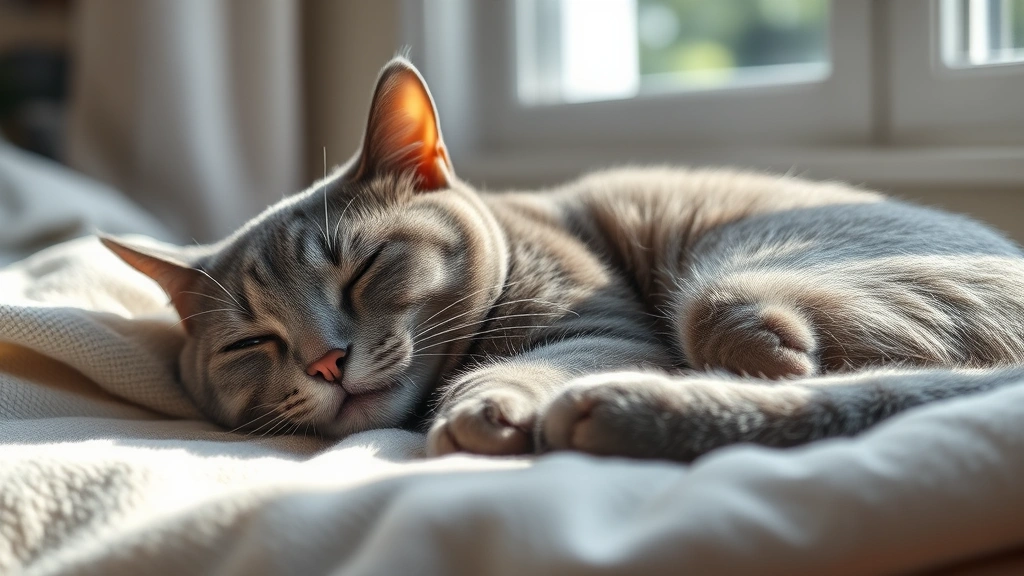
On the other hand, if your cat has been breathing slightly faster than usual for a day or two with no other alarming symptoms, an online consultation is a sensible first step. This gives you professional insight without the stress and expense of an emergency room visit.
What Information to Have Ready for Your Online Vet Visit
To make the most of your telehealth consultation, gather a few details beforehand:
- Your cat’s age, weight, and breed
- When you first noticed the fast breathing
- Whether it’s constant or comes and goes
- Any other symptoms (coughing, sneezing, lethargy, appetite changes, vomiting)
- Current medications or supplements
- Recent changes in environment, diet, or routine
- Your cat’s vaccination and medical history
Having this information at your fingertips helps the vet ask smarter follow-up questions and provide more accurate guidance.
The Advantages of Talking to a Vet Online About Cat Breathing Issues
Online veterinary consultations offer several real benefits for worried cat parents. First, there’s convenience—you can connect from home without wrestling your cat into a carrier or taking time off work. Second, it’s often more affordable than an in-person visit or emergency room trip.
Third, you get fast access to professional expertise. Instead of wondering for days whether something is serious, you have answers within hours. And fourth, the low-pressure nature of a telehealth call can help you describe what you’re seeing more clearly, without the stress of a clinical setting.
Additionally, if the vet determines your cat needs in-person diagnostics like bloodwork or X-rays, they can refer you to a local clinic with context about what to expect. This streamlines the entire care process.
What Happens After Your Online Consultation
Once your telehealth visit is complete, the vet will typically provide a summary of findings and next steps. This might include home monitoring instructions, recommendations for diet or activity adjustments, or a referral for further testing.
Some online vet services can also send prescriptions directly to your pharmacy, saving you another trip. Follow-up consultations are usually available if you have questions or if your cat’s condition changes.
Related Cat Health Concerns You Might Explore
Rapid breathing isn’t the only symptom that prompts worried cat owners to seek online vet advice. If you’re noticing other changes in your cat’s behavior or physical health, similar telehealth consultations can help. For instance, many cat parents ask about cat licking paws, which can indicate allergies, parasites, or stress. Others have concerns about cat itching or notice their kitten is limping.
The beauty of telehealth is that you can address multiple concerns in one visit, building a fuller picture of your cat’s health with professional guidance.
Understanding Feline Respiratory Health Better
Cats are prone to certain respiratory conditions more than many people realize. Feline asthma, for example, affects 1-5% of cats and can cause rapid, labored breathing. Upper respiratory infections are also common, especially in younger cats or those in multi-cat households.
Learning more about these conditions helps you recognize warning signs early. Respiratory issues in cats can escalate quickly, so informed pet owners who catch problems early often see better outcomes. Your online vet consultation is a perfect opportunity to ask questions and educate yourself about your specific cat’s risk factors.
Frequently Asked Questions
Is fast breathing in cats always a sign of illness?
No. Cats breathe faster after exercise, when anxious, or in warm environments. However, persistent rapid breathing at rest warrants a vet check to rule out underlying issues.
Can a vet diagnose the cause of fast breathing through a video call alone?
A vet can often narrow down possibilities and determine if in-person diagnostics are needed, but some conditions require bloodwork, X-rays, or physical exam findings for a definitive diagnosis.
How quickly can I get an online vet appointment for my cat?
Many telehealth services offer same-day or next-day appointments. Some platforms provide consultations within hours, making them ideal for non-emergency concerns.
Will my online vet prescribe medication for rapid breathing?
Yes, if appropriate. Many online vets can prescribe medications and send prescriptions to your pharmacy, though some conditions may require in-person follow-up.
What if the online vet thinks my cat needs emergency care?
The vet will advise you to seek immediate emergency veterinary care and may provide referrals to nearby emergency clinics. They’ll also document their findings for the emergency vet.
What To Do Now
If you’re concerned about your cat’s rapid breathing, here are concrete steps to take today:
- Count your cat’s breaths: Spend a minute observing your cat at rest and count the number of breaths. Write down the number and note the time of day.
- Document other symptoms: Note any coughing, sneezing, lethargy, appetite changes, or behavioral shifts alongside the fast breathing.
- Schedule a telehealth consultation: Contact The Pet Vet or another trusted online veterinary service to book an appointment within 24 hours.
- Gather medical records: Have your cat’s vaccination records and any previous medical history available for the consultation.
- Prepare your environment: Make sure you have good lighting and a quiet space for the video call so the vet can see and hear your cat clearly.
Summary: Getting Answers for Your Cat’s Breathing
Rapid breathing in cats can feel scary, but you have options. Yes, you absolutely can talk to a vet about cat breathing fast online—and it’s often the smartest first step. Telehealth veterinary consultations offer fast, affordable, and convenient access to professional expertise without the stress of a clinic visit.
Whether your cat’s fast breathing is caused by a minor issue or something more serious, an online vet can help you understand what’s happening and chart the best path forward. The peace of mind alone is worth reaching out. Your cat is lucky to have someone paying such close attention to their health.
Don’t wait if you’re worried. Connect with a licensed vet today and get the answers your cat deserves.