
If you’ve noticed your cat breathing fast, you’re probably feeling worried—and rightfully so. The good news is that yes, you can absolutely talk to a vet about cat breathing fast online, and doing so quickly might be exactly what your cat needs right now.
Table of Contents
- Why Your Cat Might Be Breathing Faster Than Normal
- When Fast Breathing Becomes an Emergency
- How Telehealth Works for Respiratory Concerns
- Common Causes of Rapid Breathing in Cats
- What to Observe Before Your Online Vet Appointment
- The Advantages of Online Vet Consultations for Breathing Issues
- What Happens After Your Telehealth Consultation
- Signs Your Cat Needs In-Person Care
- Preparing for Your Online Vet Chat
- Taking Action: Your Next Steps
- Frequently Asked Questions
- Summary: You’re Not Alone in This
This article is for informational purposes only and is not a substitute for professional veterinary advice. Always consult a licensed veterinarian for diagnosis and treatment.
Rapid breathing in cats (also called tachypnea) can stem from many different causes, ranging from minor stress to more serious conditions that need prompt attention. The beauty of telehealth veterinary services is that you don’t have to wait days for an appointment or stress your already-anxious cat with a car ride. You can get expert guidance from your phone or computer within minutes.
Why Your Cat Might Be Breathing Faster Than Normal
Cats typically breathe between 20 and 30 times per minute when they’re at rest. If you’re counting your cat’s breaths and seeing 40, 50, or even more per minute, something has their respiratory system working overtime.
The causes can be surprisingly varied. Your cat could be experiencing stress from a recent change in their environment, or they might be dealing with a respiratory infection. Some cats breathe faster when they’re overheated or have just been playing. However, rapid breathing can also signal more serious issues like heart problems, fluid in the lungs, or thyroid disorders.
Catching this early puts you in a great position to help. That’s why reaching out to a vet—even online—is such a smart first step.
When Fast Breathing Becomes an Emergency
Not all instances of rapid breathing require an emergency room visit, but some absolutely do. If your cat is also showing signs of distress, open-mouth breathing, drooling, or seems unable to catch their breath, those are red flags that need immediate in-person care.
Other emergency warning signs include:
- Gums that look pale or blue-tinged
- Extreme lethargy or collapse
- Wheezing or crackling sounds when breathing
- Refusal to eat or drink for more than a few hours
- Unusual posture (like standing with elbows splayed out)
If you’re unsure whether your pet needs urgent care, a quick telehealth check-in can give you peace of mind—no appointment needed. A vet can assess your cat’s situation and advise you on whether an emergency visit is necessary or if monitoring at home is appropriate.
How Telehealth Works for Respiratory Concerns
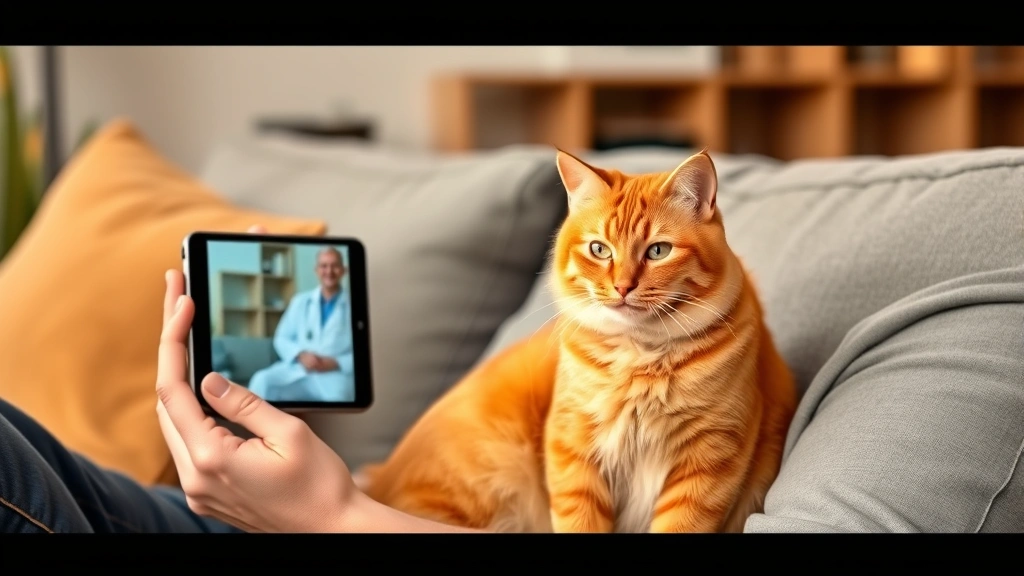
When you connect with a vet online about your cat’s rapid breathing, the process is straightforward and designed with your comfort in mind. You’ll typically start a video call where the vet can see your cat, hear their breathing, and ask detailed questions about what you’ve observed.
The vet will want to know:
- When did you first notice the fast breathing?
- Is it constant or does it come and go?
- Has your cat’s behavior or appetite changed?
- Are there any other symptoms (coughing, sneezing, discharge)?
- Has anything changed in your home recently?
Based on what they observe and learn, the vet can provide guidance on next steps. Sometimes that means monitoring your cat at home and checking in again. Other times, they’ll recommend an in-person visit for blood work, X-rays, or a thorough physical exam.
Common Causes of Rapid Breathing in Cats
Understanding what might be causing your cat’s fast breathing can help you feel more informed during your telehealth consultation. Here are some of the most common culprits:
Stress and Anxiety: Cats are sensitive creatures. A new pet, moving to a new home, or even a change in routine can trigger rapid breathing. If this is the case, your cat will likely return to normal once they adjust.
Respiratory Infections: Upper respiratory infections are common in cats and often cause sneezing, discharge, and faster breathing. These are usually viral and resolve on their own, though supportive care helps.
Heart Problems: Conditions affecting the heart can cause cats to breathe faster as their body tries to get more oxygen. This is more common in older cats or certain breeds.
Fluid in the Lungs: Pulmonary edema in cats means fluid has accumulated in the lung tissue, making breathing harder and faster. This requires veterinary attention.
Asthma: Yes, cats can have asthma! It causes inflammation in the airways and often results in rapid, labored breathing or coughing.
Hyperthyroidism: This condition speeds up a cat’s metabolism, leading to increased breathing rate along with weight loss and increased appetite.
Pain or Discomfort: Cats sometimes breathe faster when they’re in pain from an injury, dental problem, or internal issue.
What to Observe Before Your Online Vet Appointment
Gathering information before you talk to a vet online will make the conversation more productive. Spend a few minutes observing your cat and noting details.
Try to count your cat’s breaths for a full minute while they’re resting (not playing or stressed). Note the time of day and what your cat was doing beforehand. Is the breathing fast all the time, or only at certain moments?
Pay attention to your cat’s overall behavior too. Are they eating and drinking normally? Using the litter box as usual? Playing and interacting with you? Or do they seem withdrawn and tired? These details help your vet build a complete picture.
If possible, take a short video of your cat breathing. Vets can often pick up on subtle signs from video that help with assessment.
The Advantages of Online Vet Consultations for Breathing Issues
There are real benefits to addressing your cat’s rapid breathing through telehealth, especially as a first step. You avoid stressing your cat with a car ride and waiting room experience. For anxious cats, this alone can prevent their breathing from worsening due to fear.
You also get faster access to professional advice. Instead of waiting days for an appointment, you might be speaking with a vet within hours. This speed can be reassuring when you’re worried about your pet.
Additionally, telehealth is often more affordable than an in-person visit, making it easier to get a professional opinion without breaking the bank. And if your vet determines that in-person care is needed, you’ll already have professional guidance on what to expect.
If you have questions about behavioral issues affecting your cat or other health concerns, online vets can address those too.
What Happens After Your Telehealth Consultation
Once you’ve talked to a vet about your cat’s fast breathing online, they’ll provide clear next steps. This might include home monitoring instructions, environmental changes, or a recommendation to visit a clinic for further testing.
If your vet suspects a condition like a respiratory infection or thyroid problem, they may send a prescription to your local pharmacy that you can pick up immediately. Some telehealth platforms also offer direct prescription delivery to your home.
Many vets will ask you to follow up after a few days to report on your cat’s progress. This ongoing communication helps ensure your cat is improving and adjusts the care plan if needed.
Signs Your Cat Needs In-Person Care
While telehealth is wonderful for initial assessment and guidance, some situations absolutely require an in-person veterinary visit. Your online vet will help determine if your cat falls into this category.
Your cat likely needs to be seen in person if they’re showing severe respiratory distress, if they have a fever, if they’re not eating, or if their condition is worsening despite home care. Blood work and imaging (like X-rays) can only be done at a clinic, so if your vet suspects heart disease, lung fluid, or other serious conditions, they’ll refer you for these tests.
Think of telehealth as a smart triage tool. It helps you figure out what your cat truly needs and prevents unnecessary emergency room visits when home monitoring is appropriate.
Preparing for Your Online Vet Chat
To make the most of your telehealth appointment, prepare beforehand. Have your cat’s medical history handy, including any past illnesses, current medications, and vaccination records. Write down your observations about the rapid breathing and any other symptoms.
Make sure you’re in a quiet space where you can hear the vet clearly and where your cat feels safe. Have your cat nearby so the vet can see and listen to them during the call. A calm environment helps your cat stay relaxed, which gives the vet the most accurate assessment.
Have a pen and paper ready to jot down the vet’s recommendations and any follow-up instructions. Don’t hesitate to ask questions—vets expect this and want you to feel confident in caring for your cat.
Taking Action: Your Next Steps
- Observe and document: Count your cat’s breaths at rest, note any other symptoms, and record when the fast breathing started. This information is gold for your vet.
- Schedule a telehealth consultation: Reach out to The Pet Vet or another trusted online veterinary service. Most can connect you within hours, not days.
- Prepare your information: Gather your cat’s medical history, current medications, and a list of questions or concerns to discuss.
- Follow the vet’s guidance: Whether they recommend monitoring at home or an in-person visit, follow their advice closely and report back on your cat’s progress.
- Don’t wait if it’s an emergency: If your cat shows severe distress, open-mouth breathing, or collapse, skip telehealth and go directly to an emergency clinic.
Frequently Asked Questions
Can a vet diagnose my cat’s breathing problem online?
A vet can assess your cat’s situation and provide guidance, but a definitive diagnosis often requires in-person examination and testing like blood work or X-rays. Telehealth is excellent for determining urgency and next steps.
How much does a telehealth vet visit cost?
Telehealth consultations are typically less expensive than in-person visits, often ranging from $30 to $75 depending on the platform and vet. Check with your chosen service for exact pricing.
Is it safe to wait for a telehealth appointment if my cat is breathing fast?
If your cat is in obvious distress—gasping, unable to catch their breath, or showing blue-tinged gums—go to an emergency clinic immediately. For mild rapid breathing, telehealth is a safe and smart first step.
Can I get a prescription from a telehealth vet?
Yes, many telehealth vets can prescribe medications and send them to your pharmacy or directly to your home, depending on your location and the vet’s licensing.
What if my cat’s breathing doesn’t improve after the telehealth visit?
Follow up with your vet immediately. They may recommend an in-person visit for further testing or adjust your cat’s care plan based on new information.
Summary: You’re Not Alone in This
Noticing your cat breathing fast is unsettling, but you’re taking exactly the right approach by seeking professional guidance. The fact that you can talk to a vet about cat breathing fast online means you have access to expert care faster than ever before.
Telehealth veterinary services remove barriers to getting answers. No more waiting for appointments, stressing your anxious cat, or wondering if you should rush to the emergency room. You can get a professional assessment, clear guidance, and peace of mind—all from home.
Your cat is lucky to have someone who cares enough to notice changes and act quickly. Whether it turns out to be something minor or something that needs more attention, you’re giving your cat the best chance at staying healthy. Reach out to a vet today, and let’s get your cat feeling better.
For other concerns about your cat’s health, you might also want to explore resources about cats not eating or kitten itching concerns, which can sometimes accompany respiratory issues.