
Yes, you can absolutely talk to a vet about dog licking paws online, and it’s one of the fastest ways to get answers when your pup won’t stop chewing or licking their feet. If you’ve noticed your dog obsessively licking their paws, you’re probably wondering what’s causing it and whether it needs immediate attention. The good news? A telehealth vet can assess your dog’s behavior, ask targeted questions about what you’re seeing, and help you figure out next steps—all without leaving your home.
Table of Contents
- Why Is My Dog Licking Their Paws So Much?
- Common Causes of Excessive Paw Licking in Dogs
- How Online Vet Consultations Work for Paw Licking Issues
- When Should You Use Online Vet Services for Paw Licking?
- Red Flags: When to Seek In-Person or Emergency Care
- What Information to Have Ready Before Your Online Vet Consultation
- Related Skin and Behavioral Issues You Might Also Discuss
- What to Expect After Your Online Vet Consultation
- Cost and Convenience: Why Online Vet Care Makes Sense
- How to Choose a Reputable Online Vet Service
- Frequently Asked Questions
- What To Do Now
- Summary: Getting Your Dog Help Has Never Been Easier
This article is for informational purposes only and is not a substitute for professional veterinary advice. Always consult a licensed veterinarian for diagnosis and treatment.
Why Is My Dog Licking Their Paws So Much?
Dog paw licking is one of those symptoms that can point to dozens of different causes. Your dog might be dealing with allergies, a skin infection, parasites, anxiety, or even just boredom. The tricky part is figuring out which one without a physical exam.
When you talk to a vet about dog licking paws online, they’ll ask you specific questions to narrow down the possibilities. How long has it been going on? Is it just one paw or all four? Is there any redness, swelling, or odor? These details matter more than you might think.
Catching this early puts you in a great position to help. Many paw-licking issues get worse over time if left untreated, so reaching out to a vet sooner rather than later is smart.
Common Causes of Excessive Paw Licking in Dogs
Understanding what might be behind your dog’s behavior helps you communicate better with your vet. Here are the most common culprits:
- Allergies: Food allergies and environmental allergies are leading causes of paw licking. Your dog’s immune system reacts to something, and their paws become itchy.
- Skin infections: Bacterial or yeast infections thrive in warm, moist areas like between the toes. These often cause redness and a distinctive odor.
- Parasites: Fleas and mites can trigger intense itching, even if you don’t see the parasites themselves.
- Anxiety or stress: Some dogs lick their paws as a self-soothing behavior when they’re nervous or bored.
- Injury or pain: A thorn, splinter, or injury can cause localized licking as your dog tries to heal the area.
- Dry skin: Especially in winter or dry climates, your dog’s skin can become irritated and itchy.
When you describe these signs to a vet online, you’re already halfway to figuring out what’s going on.
How Online Vet Consultations Work for Paw Licking Issues
Wondering how a vet can help without seeing your dog in person? Modern telehealth platforms make it surprisingly straightforward. You’ll typically start a video or chat session with a licensed veterinarian who specializes in your pet’s concern.
During the consultation, the vet will:
- Ask detailed questions about when the licking started and how severe it is
- Request that you show them your dog’s paws on camera so they can look for visible signs
- Discuss your dog’s diet, environment, and recent changes
- Help you determine if your dog needs in-person care or if home management is appropriate
- Provide guidance on next steps, which might include a follow-up in-person visit if needed
The whole process usually takes 15 to 30 minutes, and you’ll have professional insight without the stress of a vet clinic visit.
When Should You Use Online Vet Services for Paw Licking?
Telehealth is perfect for non-emergency paw licking issues. If your dog has been licking their paws for a few days or weeks and there are no signs of severe infection or injury, an online consultation is a smart first step.
Online vet services are ideal when:
- Your dog’s paw licking is mild to moderate and not causing obvious pain
- You want professional guidance before scheduling an in-person appointment
- Your regular vet is booked up and you need answers quickly
- You’re unsure whether the issue warrants an emergency visit
- You prefer the convenience and lower cost of a telehealth consultation
If you are unsure whether your pet needs urgent care, a quick telehealth check-in can give you peace of mind — no appointment needed.

Red Flags: When to Seek In-Person or Emergency Care
While online consultations are helpful, some situations require hands-on evaluation. If your dog shows any of these signs, prioritize an in-person or emergency vet visit:
- Severe swelling, discharge, or bleeding from the paws
- Signs of infection like heat, pus, or a foul smell
- Your dog is limping or unable to bear weight on the affected paw
- The licking is accompanied by difficulty breathing or facial swelling (potential allergic reaction)
- Your dog seems to be in significant pain or distress
- The issue came on suddenly after a known injury or exposure to something toxic
Your vet can help you decide during the telehealth call whether in-person care is necessary. Trust your gut—if something feels urgent, don’t wait.
What Information to Have Ready Before Your Online Vet Consultation
Being prepared makes your telehealth appointment more productive. Gather this information before you connect with the vet:
- Your dog’s age, breed, and weight
- When the paw licking started (days, weeks, or months ago?)
- Whether it’s constant or happens at certain times
- Any recent changes in diet, environment, or routine
- Current medications or supplements your dog is taking
- Whether your dog is up to date on flea and tick prevention
- Photos or video of your dog’s paws showing the affected areas
- Notes on any other symptoms (scratching elsewhere, ear issues, digestive problems)
The more details you provide, the more accurate the vet’s assessment will be.
Related Skin and Behavioral Issues You Might Also Discuss
Paw licking often doesn’t happen in isolation. Your dog might have other related issues worth addressing in the same consultation. For example, if your dog is licking their paws, they might also be scratching their ears or dealing with a dog ear infection.
Other related concerns include dog skin rashes, which often accompany paw licking in allergy cases. Similarly, puppy itching might be part of a broader skin sensitivity issue. If your dog is limping or favoring a paw, that’s another red flag worth mentioning.
Don’t hesitate to bring up these connected symptoms during your online consultation—they help paint the full picture of your dog’s health.
What to Expect After Your Online Vet Consultation
After your telehealth appointment, your vet will typically send you a summary of the consultation, any recommendations, and next steps. This might include home care tips, suggestions for over-the-counter products, or a recommendation to schedule an in-person exam.
Many online vet services allow you to follow up with questions via chat or email if something comes up after the consultation. This continuity of care helps ensure your dog gets the support they need.
If your vet recommends a follow-up, mark it on your calendar. Monitoring your dog’s progress over the next week or two helps determine whether the approach is working or if adjustments are needed.
Cost and Convenience: Why Online Vet Care Makes Sense
One of the biggest advantages of talking to a vet about dog licking paws online is cost and convenience. Telehealth consultations are typically 30 to 50 percent less expensive than in-person vet visits, and you don’t have to take time off work or wrangle your dog into a carrier.
You can have the consultation from your couch, your lunch break, or even while your dog is napping nearby. There’s no waiting room stress, and you get professional veterinary insight on your schedule.
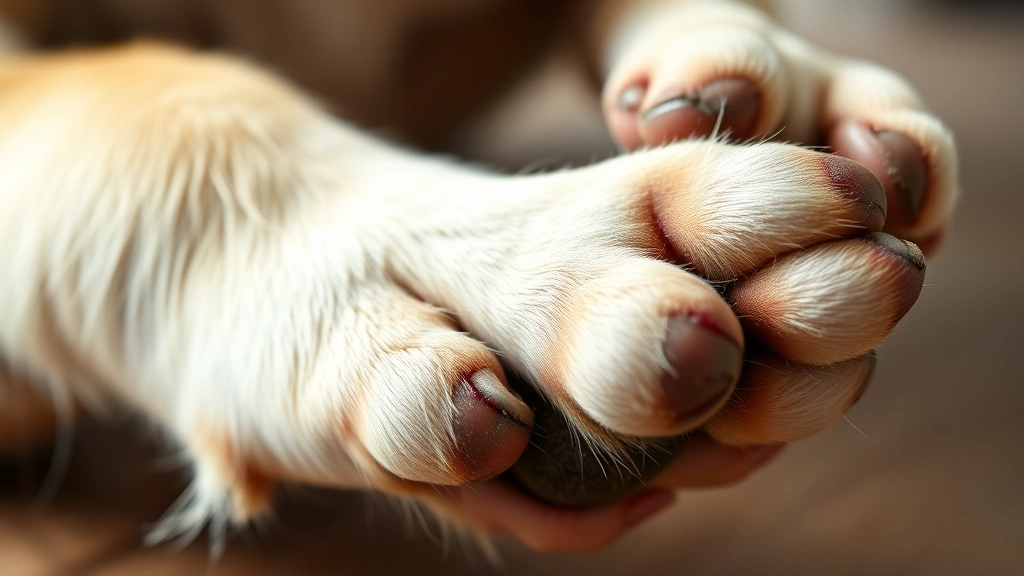
For busy pet parents or those in rural areas with limited vet access, online consultations are a game-changer. They’re also perfect for that 9 p.m. moment when you suddenly notice your dog’s paws look inflamed and you need reassurance that it can wait until morning.
How to Choose a Reputable Online Vet Service
Not all telehealth vet services are created equal. When choosing a platform, look for these qualities:
- Licensed veterinarians: Verify that the vets are licensed in your state and have real credentials.
- Clear policies: Understand what services are covered, how follow-ups work, and what the refund policy is.
- Easy-to-use platform: The technology should be straightforward so you can focus on your dog’s health, not figuring out the app.
- Good reviews: Check what other pet owners say about their experiences.
- Transparency about limitations: Reputable services are honest that they can’t diagnose everything online and will recommend in-person care when needed.
The Pet Vet, for example, connects you with licensed vets who specialize in telehealth consultations and understand the unique challenges of diagnosing pets without a physical exam.
Frequently Asked Questions
Can a vet diagnose the cause of paw licking online?
A vet can often narrow down the likely cause based on your description and visual assessment, but some issues require lab work or a hands-on exam to confirm. Your online vet will let you know if in-person care is needed.
Is it safe to treat my dog’s paw licking at home based on online advice?
Yes, for mild cases. Your vet might recommend home care like paw soaks, dietary changes, or environmental adjustments. Always follow your vet’s specific guidance and monitor your dog’s progress.
How long does it take to get an online vet appointment?
Many telehealth platforms offer same-day or next-day appointments. Some services can connect you with a vet within hours, depending on availability and demand.
Will my online vet prescription work at my local pharmacy?
Yes, if your online vet is licensed and prescribes medication, the prescription can typically be filled at any pharmacy. Check with your chosen service about their prescription process.
What if the online vet thinks my dog needs in-person care?
Your vet will recommend scheduling an appointment with a local veterinarian or emergency clinic. They can often help coordinate this or provide documentation to share with the in-person vet.
What To Do Now
If your dog is licking their paws excessively, here’s your action plan:
- Document the behavior: Note when the licking started, how often it happens, and whether it’s affecting one paw or all four. Take clear photos or a short video to show your vet.
- Schedule an online vet consultation: Book an appointment with a reputable telehealth service like The Pet Vet. Most can fit you in within 24 hours.
- Gather your dog’s health information: Have your dog’s age, breed, medical history, and current medications ready for the consultation.
- Prepare your environment: Make sure you have good lighting and a quiet space for the video call so the vet can see and hear clearly.
- Follow up on recommendations: After the consultation, implement any home care suggestions and monitor your dog’s progress over the next week. Schedule a follow-up if your vet recommends it.
Summary: Getting Your Dog Help Has Never Been Easier
Excessive paw licking in dogs can stem from allergies, infections, parasites, anxiety, or injury—and pinpointing the cause matters. The good news is that you don’t have to wait weeks for a vet appointment or stress about taking your dog to a clinic.
Talking to a vet about dog licking paws online gives you fast, affordable access to professional guidance. Whether it turns out to be a simple fix or something that needs in-person care, a telehealth consultation is your first step toward getting your pup relief.
Your dog is counting on you to help them feel better, and reaching out to a vet—online or otherwise—shows you’re taking their health seriously. Don’t wait. Schedule that consultation today and get answers about what’s bothering your furry friend.
For related concerns, you might also explore our guides on cat paw licking if you have feline friends at home, or check out our resource on skin conditions to understand the broader picture of pet dermatology.