
Yes, you absolutely can talk to a vet about dog licking paws online, and it’s one of the most convenient ways to get answers when your furry friend won’t stop chewing or licking their feet. If you’ve noticed your dog obsessively licking their paws and you’re worried about what it means, you’re not alone—this is one of the most common concerns pet owners bring to veterinarians, and the good news is you don’t have to wait for an in-person appointment to get professional guidance.
Table of Contents
- Why Your Dog Is Licking Their Paws (And When to Worry)
- How Telehealth Works for Paw Licking Issues
- Common Causes of Paw Licking in Dogs
- What Information to Have Ready for Your Online Vet Visit
- Benefits of Talking to a Vet Online About Paw Licking
- When You Might Need an In-Person Exam
- Treatment Options Your Vet Might Recommend
- How to Get Started with Online Vet Consultations
- Preventing Future Paw Licking Issues
- Understanding When Paw Licking Becomes Serious
- Frequently Asked Questions
- What To Do Now
- Summary: You Can Get Help for Your Dog’s Paw Licking Online
This article is for informational purposes only and is not a substitute for professional veterinary advice. Always consult a licensed veterinarian for diagnosis and treatment.
The beauty of telehealth veterinary services is that you can describe what’s happening with your dog, share photos or videos, and get expert feedback within minutes—all from your couch. Whether your pup is dealing with allergies, infections, anxiety, or something else entirely, online vets can help you figure out what’s going on and what steps to take next.
Why Your Dog Is Licking Their Paws (And When to Worry)
Dogs lick their paws for many reasons, and not all of them are serious. Sometimes it’s just normal grooming behavior, like when your dog cleans themselves after a walk. But persistent, excessive licking—where your dog is constantly chewing or licking their feet to the point of redness or hair loss—is usually a sign that something needs attention.
The most common culprits behind paw licking include allergies (food or environmental), ear infections, skin infections like yeast or bacterial issues, parasites, or even anxiety and boredom. Catching this early puts you in a great position to help your dog feel better faster.
One of the advantages of talking to a vet about dog licking paws online is that you can get a quick reality check. Your vet can ask targeted questions about when the licking started, whether it’s seasonal, if your dog has other symptoms, and what your dog’s diet and environment look like. This information helps them narrow down the cause without you having to schedule a weeks-out appointment.
How Telehealth Works for Paw Licking Issues
Online veterinary consultations are straightforward and surprisingly thorough. When you connect with a vet through a telehealth platform like The Pet Vet, you’ll typically describe your dog’s symptoms, answer questions about their history, and share photos or a short video of the licking behavior.
The vet will use this information to assess what might be happening. They’ll ask about the frequency of licking, whether there are visible signs of irritation, redness, or hair loss, and whether your dog seems uncomfortable or in pain. They may also ask about your dog’s diet, recent environmental changes, and whether they’ve been exposed to new allergens.
Here’s what makes online consultations especially helpful: you can show the vet exactly what you’re seeing in real time. A quick video of your dog licking their paws gives the vet visual context that’s hard to describe in words alone.
Common Causes of Paw Licking in Dogs
Understanding what might be causing your dog’s paw licking can help you feel more informed when you talk to your vet. Here are the most frequent reasons dogs lick their paws:
- Allergies: Environmental allergens (pollen, dust mites, mold) or food allergies are the leading cause of excessive paw licking. Allergic dogs often lick their paws seasonally or year-round.
- Yeast or Bacterial Infections: These thrive in the warm, moist environment between a dog’s toes. You might notice a musty smell or see redness and discharge.
- Parasites: Fleas, mites, and lice can cause intense itching that leads to paw licking and chewing.
- Ear Infections: Dogs with ear infections sometimes lick their paws as a referred response to discomfort.
- Anxiety or Boredom: Some dogs lick their paws as a self-soothing behavior when stressed or under-stimulated.
- Injury or Pain: A cut, thorn, or other minor injury can trigger localized licking.
Each of these causes requires a slightly different approach, which is why getting professional input is so valuable. If you’re wondering whether your puppy is licking their paws excessively, the same principles apply—puppies can develop allergies, infections, and anxiety just like adult dogs.
What Information to Have Ready for Your Online Vet Visit
To make the most of your telehealth consultation, gather some key details before you connect with the vet. This helps the appointment move smoothly and gives your vet the context they need to give you the best advice.
- Timeline: When did the licking start? Was it sudden or gradual? Is it constant or does it come and go?
- Frequency and Severity: How often is your dog licking? Are there visible signs like redness, swelling, hair loss, or discharge?
- Other Symptoms: Does your dog have itchy ears, dry skin, digestive issues, or behavioral changes?
- Diet and Treats: What brand of food are you feeding? Have you changed their diet recently?
- Environment: Have there been recent changes at home, new pets, or exposure to new areas?
- Photos or Video: Capture clear images or a short video of the affected paws and the licking behavior.
- Previous Treatments: If you’ve already tried anything to help (medications, supplements, diet changes), note what you tried and whether it helped.
Having this information ready makes your telehealth visit faster and more productive. Your vet can dive straight into problem-solving instead of spending time gathering background details.
Benefits of Talking to a Vet Online About Paw Licking
Online veterinary consultations offer several advantages that make them ideal for addressing paw licking concerns. First, they’re convenient—you can connect from home without wrestling your dog into the car or waiting in a clinic lobby.
Second, they’re often faster. If you’re unsure whether your pet needs urgent care, a quick telehealth check-in can give you peace of mind—no appointment needed. You get answers within hours instead of waiting days or weeks for an in-person slot.
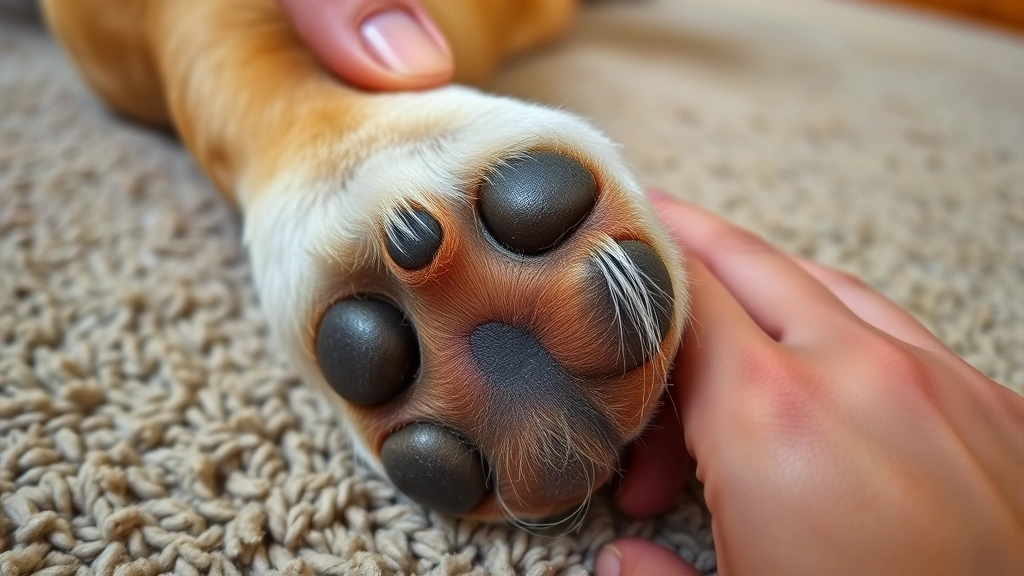
Third, they’re more affordable than traditional vet visits in most cases. You’re paying for expert guidance without the overhead of a physical clinic location.
Finally, online vets can help you decide whether your dog needs to be seen in person. Some cases of paw licking can be managed with at-home care and monitoring, while others require a physical exam and diagnostics like skin scrapings or fungal cultures. Your telehealth vet will be honest about what’s needed.
When You Might Need an In-Person Exam
While telehealth is excellent for initial assessments and guidance, some situations do require a hands-on veterinary exam. If your dog has severe redness, swelling, discharge, or signs of infection, your vet may recommend an in-person visit for proper diagnosis and treatment.
Similarly, if your dog has been licking their paws for weeks despite treatment attempts, or if the problem keeps coming back, your vet might want to perform diagnostic tests like skin scrapings, fungal cultures, or allergy testing. These require physical examination and lab work that can’t be done remotely.
The good news? Your online vet can guide you on whether an in-person visit is necessary and help you schedule one if needed. Many telehealth platforms work alongside local veterinary clinics to ensure continuity of care.
Treatment Options Your Vet Might Recommend
Once your vet identifies the likely cause of your dog’s paw licking, they’ll recommend a treatment plan tailored to the problem. For allergies, this might include dietary changes, supplements, or topical treatments to soothe irritated skin.
For infections, your vet may recommend medicated washes, topical creams, or oral medications to clear the yeast or bacteria. For parasites, they’ll ensure your dog is on appropriate flea and tick prevention.
If anxiety is the culprit, your vet might suggest behavioral strategies, environmental enrichment, or in some cases, anxiety-reducing supplements or medications. The key is matching the treatment to the root cause, which is why accurate diagnosis matters so much.
Your online vet can also provide guidance on at-home care, like paw soaks, dietary supplements, or prevention strategies. Many cases improve significantly with the right combination of professional guidance and consistent home management.
How to Get Started with Online Vet Consultations
Getting connected with a vet online is easier than you might think. Most telehealth platforms have a simple process: you create an account, describe your pet’s issue, and connect with an available vet through video, phone, or chat.
When choosing a telehealth service, look for one with licensed, experienced veterinarians who have access to your dog’s medical history if possible. The Pet Vet makes it simple to describe your dog’s paw licking problem and get expert feedback quickly.
Have your phone or camera ready to share photos or video of your dog’s paws. The more visual information you can provide, the better your vet can assess the situation. Be honest and detailed about your dog’s symptoms—vets appreciate thorough descriptions that help them give you accurate guidance.
Preventing Future Paw Licking Issues
Once you’ve addressed your dog’s current paw licking problem, prevention is the next step. If allergies are the culprit, work with your vet to identify and minimize exposure to triggers. If infections were the issue, keep your dog’s paws clean and dry, especially after walks or playtime in wet environments.
Regular grooming and nail trimming can help prevent secondary issues. Keeping your dog’s paws clean and free of debris reduces the risk of infections taking hold. If your dog is prone to skin allergies, discuss preventive strategies with your vet, such as omega-3 supplements or regular medicated baths.

For anxiety-related paw licking, ensure your dog gets adequate exercise, mental stimulation, and a calm environment. Consistent routines and positive reinforcement can help reduce stress-related behaviors.
Understanding When Paw Licking Becomes Serious
Most cases of paw licking are manageable with proper diagnosis and treatment, but it’s important to recognize warning signs that require prompt attention. If your dog’s paws become severely swollen, show signs of infection (pus, discharge, foul odor), or if your dog seems to be in significant pain, these are red flags.
Similarly, if your dog’s licking is so intense that they’re causing self-injury or hair loss, or if the behavior is spreading to other parts of their body, these suggest a more serious underlying issue. Catching these signs early and getting professional guidance puts you in the best position to help your dog recover.
Your telehealth vet can help you assess the severity of your dog’s condition and advise whether urgent in-person care is needed. Don’t hesitate to reach out if you’re concerned—that’s what your vet is there for.
Frequently Asked Questions
Can a vet diagnose paw licking problems online?
Yes, vets can often make a preliminary diagnosis based on your description, photos, and video. However, some cases may require in-person examination or diagnostic tests for definitive diagnosis.
How quickly can I get a response from an online vet about my dog’s paw licking?
Most telehealth platforms connect you with a vet within 15 minutes to a few hours, depending on demand. This is much faster than traditional vet appointments.
Is telehealth as effective as an in-person vet visit for paw licking issues?
For initial assessment and guidance, telehealth is very effective. For cases requiring physical examination or diagnostics, in-person visits may be necessary.
What if my dog’s paw licking doesn’t improve after online consultation?
Your vet will recommend follow-up care or an in-person exam if at-home treatment isn’t working. Persistent issues often need deeper investigation.
Can telehealth vets prescribe medications for paw licking?
Yes, many licensed telehealth vets can prescribe medications based on their assessment. Prescription availability varies by location and the specific medication.
What To Do Now
- Document Your Dog’s Symptoms: Take clear photos and a short video of your dog’s paws and licking behavior. Note when the licking started, how often it happens, and any other symptoms you’ve noticed.
- Gather Medical History: Compile information about your dog’s diet, recent environmental changes, previous health issues, and any treatments you’ve already tried.
- Schedule a Telehealth Consultation: Connect with an online vet through The Pet Vet or another trusted telehealth platform. Have your documentation ready for the appointment.
- Follow Your Vet’s Recommendations: Implement the treatment plan your vet suggests, whether that’s dietary changes, topical treatments, or at-home care strategies.
- Monitor Progress and Report Back: Keep track of how your dog responds to treatment and share updates with your vet. If improvement is slow, your vet can adjust the plan or recommend in-person follow-up if needed.
Summary: You Can Get Help for Your Dog’s Paw Licking Online
If your dog is licking their paws excessively and you’re wondering what to do, the answer is simple: yes, you can talk to a vet about it online, and it’s often the fastest, most convenient way to get answers. Online veterinarians can assess your dog’s symptoms, help identify the likely cause, and recommend a treatment plan—all without leaving home.
Whether the issue is allergies, infections, parasites, or anxiety, telehealth gives you access to professional expertise when you need it. By gathering the right information before your consultation and being honest about your dog’s symptoms, you’ll get the most helpful guidance possible.
Remember, your dog’s persistent paw licking is their way of telling you something isn’t quite right. The good news? With professional help—whether online or in-person—most paw licking issues are very treatable. Your dog will feel better, and you’ll have peace of mind knowing you’re doing everything you can to help them.
Don’t wait weeks for an appointment when you can get expert guidance today. Reach out to an online vet, describe what’s happening with your dog’s paws, and take the first step toward solving this problem. Your furry friend will thank you.