
Yes, you can talk to a vet about dog limping online, and it’s often a smart first step when your pup starts favoring one leg or moving stiffly. If you’ve noticed your dog limping and you’re worried about what it could mean, you’re not alone—limping is one of the most common reasons pet owners seek veterinary guidance. The good news is that telehealth veterinary services like The Pet Vet make it easier than ever to get professional insight without leaving your home.
Table of Contents
- Why Your Dog Might Be Limping
- What Online Vets Can Do for Dog Limping
- When You Should Choose Telehealth for Limping
- When Your Dog Needs In-Person Care Instead
- How to Prepare for Your Online Vet Consultation
- What to Show Your Vet During the Video Call
- Common Causes of Dog Limping You Might Discuss
- At-Home Care Tips While You Wait for Answers
- The Advantages of Telehealth for Pet Owners
- What Happens After Your Online Consultation
- Frequently Asked Questions
- What To Do Now
- Summary
This article is for informational purposes only and is not a substitute for professional veterinary advice. Always consult a licensed veterinarian for diagnosis and treatment.
Why Your Dog Might Be Limping
Dog limping can stem from dozens of different causes, ranging from minor to serious. Your dog could be experiencing anything from a simple muscle strain after playtime to a more complex orthopedic or neurological issue. The challenge is figuring out which one without a hands-on exam.
Common culprits include muscle strains, arthritis, paw injuries, joint problems, or even something stuck between the paw pads. Less obvious causes might involve nerve issues or spinal concerns. Catching this early puts you in a great position to help your dog feel better faster.
The tricky part? Many of these conditions look similar from the outside, which is why getting professional eyes on your dog matters so much.
What Online Vets Can Do for Dog Limping
Telehealth vets can do far more than you might think when it comes to assessing limping. During a video consultation, a licensed veterinarian will ask detailed questions about when the limping started, whether it’s getting worse, and what your dog was doing before it began.
They’ll also ask you to show them your dog walking or moving in different ways—this visual assessment gives vets valuable clues about which leg is affected and how severely. Many limping cases can be evaluated reasonably well through video, especially in early stages.
Your vet might recommend at-home care, pain management strategies, or rest protocols. They can also determine whether your dog needs an in-person exam, X-rays, or other diagnostics. If you are unsure whether your pet needs urgent care, a quick telehealth check-in can give you peace of mind — no appointment needed.
When You Should Choose Telehealth for Limping
Telehealth works wonderfully for limping when your dog is otherwise acting normal—eating, drinking, and playing as usual. If the limp appeared suddenly after a known incident (like jumping off the couch), or if it’s mild and not worsening, an online consultation can help you avoid an unnecessary emergency room visit.
Telehealth is also ideal if you want a second opinion, need guidance on managing chronic limping, or want to monitor a mild limp before deciding on in-person care. Many pet owners use online vets as a triage tool to figure out their next steps.
Additionally, if your regular vet is booked out for weeks, a telehealth appointment can give you answers in hours or days instead.
When Your Dog Needs In-Person Care Instead
Some situations require hands-on examination. If your dog is limping severely, unable to bear weight, or showing signs of pain like whimpering or reluctance to move, an urgent in-person visit is necessary. If the limping came on suddenly alongside other symptoms—fever, vomiting, lethargy, or swelling—your dog needs immediate evaluation.
After your telehealth consultation, your vet may recommend an in-person follow-up if they suspect something that requires palpation (physical touch), imaging, or laboratory work. Catching this early means your vet can guide you to the right next step without delay.
Trust your gut: if something feels seriously wrong, don’t wait for a video call—go to your local emergency clinic.
How to Prepare for Your Online Vet Consultation
Getting ready for a telehealth visit takes just a few minutes but makes a huge difference in the quality of care your vet can provide. Here’s what to do:
- Write down the timeline: When did you first notice the limping? Was there a specific event that triggered it?
- Note other symptoms: Is your dog eating normally? Acting playful? Any swelling, discharge, or behavior changes?
- Have your phone or tablet ready: You’ll want to show your vet your dog walking or moving on video.
- Gather medical history: Any previous injuries, surgeries, or chronic conditions your vet should know about?
- Ensure good lighting: A well-lit room helps your vet see your dog clearly during the call.
What to Show Your Vet During the Video Call
During your telehealth appointment, your vet will ask you to demonstrate your dog’s movement. Be ready to show your pup walking across a room, trotting, and even playing a little if they’re willing. This visual information helps your vet assess which limb is affected and how significantly.
If your dog is limping on a hind leg, your vet might ask you to show them how your dog sits, stands, or climbs stairs. For front-leg limping, they’ll want to see your dog’s gait from the side and front. Don’t worry about making it perfect—just let your dog move naturally.
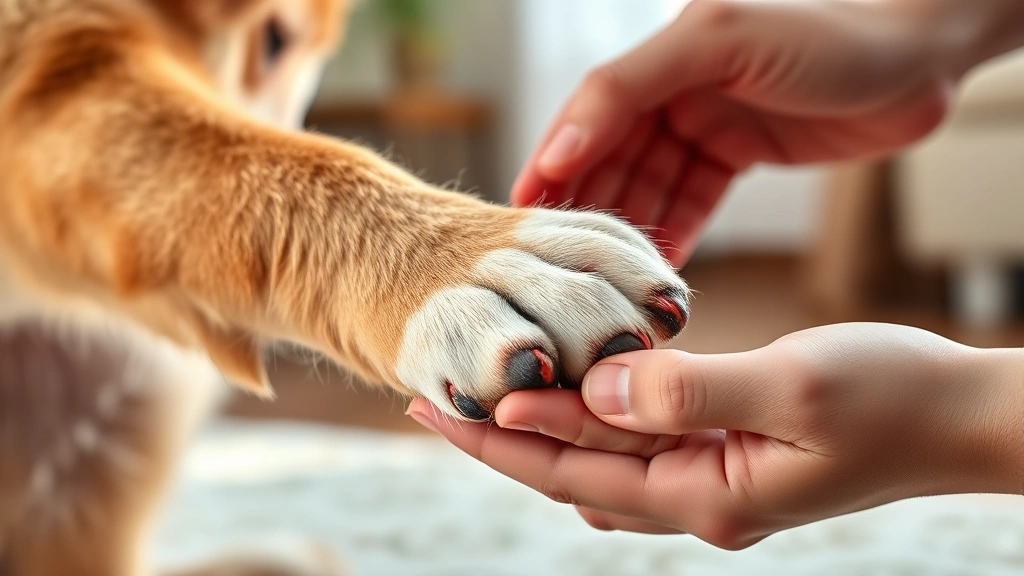
Also be prepared to let your vet examine your dog’s paws on camera. You might need to gently lift each paw so the vet can look for cuts, swelling, or foreign objects wedged between the pads.
Common Causes of Dog Limping You Might Discuss
During your consultation, your vet might explore several potential causes. Intervertebral disc disease in dogs is one serious condition that can cause limping or difficulty walking, though it’s more common in certain breeds. Dog neurological disorder causes might also be discussed if your vet suspects nerve involvement.
Other frequent causes include arthritis (especially in older dogs), ligament sprains, muscle strains, or paw injuries. Your vet will help narrow down the possibilities based on your dog’s age, breed, activity level, and the specific pattern of the limp.
If your dog is also licking their paws excessively, this could point toward an injury or infection in that area—definitely mention it to your vet.
At-Home Care Tips While You Wait for Answers
While you’re arranging your telehealth appointment or waiting for results, there are safe steps you can take to support your limping dog:
- Limit activity: Keep play sessions short and low-impact. Avoid jumping, running, or rough play.
- Provide a comfortable resting space: An orthopedic bed or cushion helps ease pressure on sore joints.
- Check the paws: Gently inspect all four paws for cuts, splinters, or swelling.
- Avoid stairs if possible: Help your dog navigate multi-level homes by carrying them or using ramps.
- Keep weight stable: Extra pounds put stress on joints; discuss nutrition with your vet if needed.
Never give your dog pain medication without vet approval, but your telehealth vet can recommend safe options during your call.
The Advantages of Telehealth for Pet Owners
Online vet consultations offer real benefits beyond convenience. You avoid car trips and waiting rooms, which can stress an already uncomfortable dog. You also get answers faster—many telehealth services offer same-day or next-day appointments.
Telehealth is typically more affordable than an emergency room visit, making it a smart financial choice for initial assessment. Plus, you’re in your own home where your dog feels safe and relaxed, which sometimes leads to better behavior during the consultation.

Most importantly, telehealth removes barriers to getting professional guidance early, before a minor issue becomes a bigger problem.
What Happens After Your Online Consultation
After your telehealth visit, your vet will provide clear next steps. This might be a recommendation to rest at home with follow-up care, a prescription for pain management, or a referral for in-person imaging or specialist evaluation.
Your vet should send you written notes or a summary of the consultation so you have everything documented. If your dog isn’t improving within a few days, or if new symptoms develop, reach out to your vet right away—don’t assume the problem has resolved.
Many vets offer follow-up telehealth check-ins to monitor progress, so you can stay connected without additional in-person visits if not needed.
Frequently Asked Questions
Can a vet diagnose the cause of limping through a video call?
A vet can often narrow down the likely cause and assess severity through video, but some conditions require hands-on examination, X-rays, or bloodwork for a definitive diagnosis. Your telehealth vet will tell you if in-person care is needed.
How quickly can I get a telehealth appointment for my limping dog?
Many telehealth services, including The Pet Vet, offer same-day or next-day availability. Some platforms have vets available within hours, making it faster than traditional vet clinics.
Will my insurance cover an online vet visit for dog limping?
Some pet insurance plans cover telehealth consultations, while others don’t. Check your policy or call your insurance provider to confirm coverage before your appointment.
What if the telehealth vet thinks my dog needs emergency care?
Your vet will advise you to go to an emergency clinic immediately if they suspect a serious condition. They may even contact the emergency clinic directly to brief them on your dog’s situation.
Can I get pain medication prescribed during a telehealth visit?
Yes, licensed vets can prescribe medications during telehealth consultations in most states. Your vet will discuss pain management options and may recommend specific treatments based on your dog’s condition.
What To Do Now
- Schedule a telehealth appointment: Contact The Pet Vet or another licensed telehealth service to book a consultation for your limping dog within the next 24 hours.
- Gather information: Write down when the limping started, what your dog was doing beforehand, and any other symptoms you’ve noticed.
- Limit activity: Keep your dog calm and rested until you’ve spoken with a vet, and avoid strenuous play or long walks.
- Prepare your space: Make sure you have good lighting and enough room to show your vet how your dog walks during the video call.
- Follow your vet’s guidance: After the consultation, implement the recommended care plan and schedule any follow-up appointments your vet suggests.
Summary
Yes, you absolutely can talk to a vet about dog limping online, and it’s often the fastest, most convenient way to get professional insight into what’s going on with your pup. Telehealth vets can assess limping through video, ask the right questions, and guide you toward the best next steps—whether that’s at-home care or in-person evaluation.
The key is acting quickly. Limping that’s caught early is usually easier to manage, and getting a professional opinion within hours rather than days makes a real difference. Your dog is counting on you to advocate for their health, and telehealth makes that easier than ever.
If your dog is limping today, don’t wait. Schedule that online vet appointment and get answers you can trust.