
Yes, you can absolutely talk to a vet about your dog not eating online, and it’s often the fastest way to get answers when your pup is turning their nose up at food. If your dog has suddenly lost interest in eating, it’s natural to feel worried—but the good news is that help is just a few clicks away, and you don’t have to wait days for an appointment.
Table of Contents
- Why Your Dog Might Stop Eating (And Why It Matters)
- The Advantages of Online Vet Consultations for Dog Not Eating
- What to Expect During an Online Vet Visit About Your Dog’s Appetite
- Red Flags: When Your Dog’s Lack of Appetite Needs Urgent Attention
- Common Reasons Dogs Skip Meals (And How Vets Address Them)
- How to Prepare for Your Online Vet Consultation
- Related Digestive and Health Concerns to Discuss
- What Happens After Your Online Vet Visit
- Tips for Encouraging Your Dog to Eat While Waiting for Vet Advice
- Frequently Asked Questions
- What To Do Now
- Final Thoughts: You’re Not Alone in This
This article is for informational purposes only and is not a substitute for professional veterinary advice. Always consult a licensed veterinarian for diagnosis and treatment.
Why Your Dog Might Stop Eating (And Why It Matters)
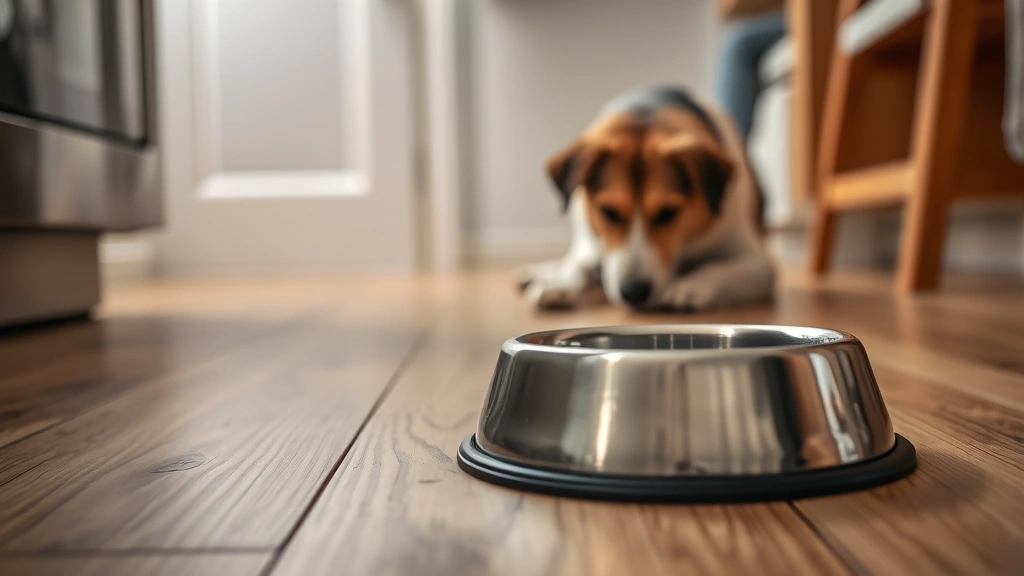
When a dog refuses to eat, it’s their way of telling you something isn’t quite right. Loss of appetite in dogs can range from a minor issue to something that needs immediate attention. The key is understanding what might be causing it and when to seek help.
Dogs typically eat with enthusiasm—it’s one of their favorite parts of the day. So when your furry friend suddenly shows no interest in their bowl, it’s a red flag worth investigating. Catching this early puts you in a great position to help.
Common reasons dogs stop eating include:
- Digestive upset or gastrointestinal issues
- Stress or anxiety from changes in routine
- Dental problems or mouth pain
- Infections or fever
- Food preferences or boredom with their current diet
- Underlying health conditions
- Recent medications or vaccines
The Advantages of Online Vet Consultations for Dog Not Eating
Online veterinary visits have transformed pet care by making professional guidance accessible from your couch. When your dog isn’t eating, waiting weeks for an in-person appointment isn’t always practical—especially if you’re unsure whether it’s urgent.
Here’s what makes telehealth so valuable for appetite issues:
- Speed: Get answers in hours, not days or weeks
- Convenience: No travel time or waiting room stress for you or your dog
- Cost-effective: Often more affordable than traditional vet visits
- Peace of mind: Talk to a licensed vet who can assess your dog’s situation and advise next steps
- Documentation: Receive written notes and recommendations you can reference later
If you are unsure whether your pet needs urgent care, a quick telehealth check-in can give you peace of mind—no appointment needed.
What to Expect During an Online Vet Visit About Your Dog’s Appetite
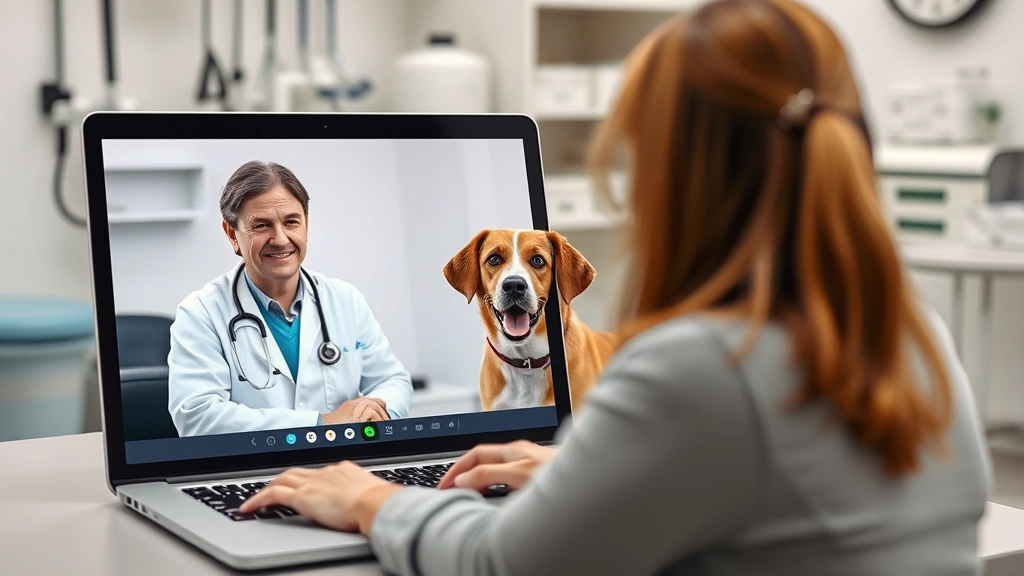
When you schedule a video consultation with a vet about your dog not eating, the process is straightforward and designed to help the veterinarian gather information quickly.
Your vet will typically ask you:
- How long has your dog refused to eat?
- Is your dog drinking water normally?
- Are there any other symptoms (vomiting, diarrhea, lethargy, fever)?
- Has anything changed in your dog’s environment recently?
- Is your dog on any new medications or supplements?
- What does your dog’s normal diet consist of?
During the video call, the vet may ask you to show them your dog’s body condition, gums, and overall appearance. They might also listen to your description of your dog’s behavior and energy levels. This information helps them determine whether your dog may be experiencing a minor issue or something that requires in-person examination or lab work.
Be honest and detailed—the more information you provide, the better guidance the vet can offer.
Red Flags: When Your Dog’s Lack of Appetite Needs Urgent Attention
While many cases of dogs not eating resolve with simple solutions, some situations warrant faster action. Knowing the difference can help you decide whether to schedule a routine telehealth visit or seek emergency care.
Contact an emergency vet or seek immediate care if your dog shows:
- No appetite for more than 24 hours combined with lethargy or weakness
- Repeated vomiting or diarrhea alongside not eating
- Signs of pain (whimpering, reluctance to move, hunched posture)
- Difficulty swallowing or drooling excessively
- Suspected ingestion of toxic substances
- Abdominal distension or bloating
- Pale gums or difficulty breathing
When in doubt, a quick telehealth consultation can help you determine urgency. Your vet can advise whether your dog needs an emergency visit or if waiting for a regular appointment is safe.
Common Reasons Dogs Skip Meals (And How Vets Address Them)
Understanding the underlying cause of your dog’s reduced appetite is essential for finding the right solution. Online vets are skilled at narrowing down possibilities based on your dog’s history and current symptoms.
Digestive Issues: If your dog may be experiencing gastrointestinal issues, the vet might recommend dietary changes, temporary fasting, or probiotics. They can also rule out food sensitivities or intolerances.
Stress and Anxiety: Environmental changes—new pets, moving homes, or schedule disruptions—can suppress appetite. Your vet might suggest calming strategies or, in some cases, behavioral support.
Dental Problems: A dog with tooth pain or gum disease may avoid eating solid food. While a telehealth vet can’t perform a dental exam, they can recommend an in-person dental checkup if needed.
Infections or Illness: Fever, infections, or systemic illnesses often cause appetite loss. Your vet might recommend bloodwork or urinalysis to rule out these conditions.
For puppies specifically, talking to a vet about a puppy not eating is especially important since young dogs have different nutritional needs and can dehydrate quickly.
How to Prepare for Your Online Vet Consultation
Getting the most out of your telehealth visit means being organized and ready to share details. A little preparation ensures the vet has everything they need to help your dog.
Before your appointment, gather:
- Recent photos or videos: Show your dog eating (or refusing to eat) if possible
- Your dog’s food: Have the bag or container visible so the vet can see ingredients and feeding guidelines
- Medical history: List any recent illnesses, medications, or vet visits
- Symptom timeline: Note exactly when the appetite loss started and any other changes you’ve noticed
- Your dog: Have them nearby during the call so the vet can see them and assess their appearance
Taking notes during the call helps you remember recommendations. Ask the vet to send written follow-up instructions—most telehealth platforms do this automatically.
Related Digestive and Health Concerns to Discuss
Sometimes appetite loss occurs alongside other symptoms. If your dog is also vomiting, you might want to learn more about talking to a vet about dog vomiting online to address both issues together.
Abdominal discomfort is another common companion to reduced appetite. Your vet can discuss whether your dog may be experiencing stomach pain and what relief options exist.
If behavioral changes are part of the picture, it’s worth exploring whether behavior problems might be contributing to your dog’s eating habits.
What Happens After Your Online Vet Visit
After your telehealth consultation, your vet will provide a clear action plan. This might include dietary recommendations, monitoring instructions, or a referral for in-person care if needed.
Most vets will ask you to follow up within a few days to report whether your dog’s appetite has improved. This helps them track progress and adjust recommendations if necessary. Keep detailed notes about what your dog eats, how much, and any changes in behavior or symptoms.
If your dog’s appetite doesn’t improve within the timeframe the vet suggests, don’t hesitate to schedule a follow-up consultation. Persistence in getting answers is part of good pet care.
Tips for Encouraging Your Dog to Eat While Waiting for Vet Advice
While you’re working with your vet to solve the problem, you can try gentle strategies to encourage eating—but always follow your vet’s guidance first, especially if they’ve recommended fasting.
- Warm the food: Slightly warming your dog’s meal can make it more aromatic and appealing
- Try different textures: If your dog eats dry kibble, offer wet food or broth—but introduce changes gradually
- Feed in a calm environment: Remove distractions and stress to help your dog focus on eating
- Offer smaller, frequent meals: Sometimes smaller portions feel less overwhelming
- Ensure fresh water: Dehydration can worsen appetite loss, so always provide clean water
- Avoid table scraps: Stick to your dog’s regular diet unless your vet suggests otherwise
These strategies are supportive, not curative—they work best alongside professional guidance.
Frequently Asked Questions
Can a vet diagnose my dog’s appetite loss through a video call alone?
A telehealth vet can assess your dog’s situation and often identify the likely cause based on symptoms and history. However, some conditions require bloodwork, urinalysis, or in-person physical exams, which may mean a follow-up visit to a local vet clinic.
How quickly can I get an online vet appointment for my dog not eating?
Most telehealth platforms offer appointments within hours, sometimes even within 30 minutes. This makes them ideal when you need fast answers but aren’t sure if the situation is an emergency.
Will my insurance cover an online vet visit for appetite loss?
Pet insurance coverage varies by plan. Check your policy or contact your provider directly. Many telehealth visits are also more affordable than traditional vet appointments, even without insurance.
What if the online vet says my dog needs in-person care?
Your telehealth vet will provide a referral and detailed notes for your local veterinarian. This helps the in-person vet understand what’s already been discussed and speeds up the diagnostic process.
Is it safe to wait for an online vet appointment if my dog hasn’t eaten for 12 hours?
Twelve hours without eating is usually not an emergency, but it’s worth addressing quickly. A telehealth consultation can help you determine if urgent care is needed or if monitoring at home is appropriate.
What To Do Now
Don’t wait if your dog’s appetite has changed. Here’s your action plan:
- Schedule a telehealth vet appointment today if your dog hasn’t eaten normally for more than a few hours or if appetite loss is accompanied by other symptoms
- Gather information before your visit: Write down when the appetite loss started, what other symptoms you’ve noticed, and any recent changes in your dog’s routine or diet
- Prepare your dog’s food and medical records so you can reference them during your video call with the vet
- Follow your vet’s recommendations closely and report back on progress within the timeframe they suggest
- Seek emergency care immediately if your dog shows severe symptoms like repeated vomiting, inability to stand, or signs of extreme pain
Final Thoughts: You’re Not Alone in This
A dog refusing to eat is stressful, but you have more support options than ever before. Online veterinary care puts professional guidance within reach instantly, helping you understand what’s happening with your pup and what to do next.
Your dog’s appetite loss is worth taking seriously, but it’s also usually manageable when you get the right advice quickly. Whether it’s a simple dietary adjustment, stress relief, or something requiring more investigation, your vet is there to guide you through it.
Reach out to a telehealth vet today—your peace of mind and your dog’s health are worth it.