
Yes, you absolutely can talk to a vet about kitten limping online, and doing so can give you quick answers without the stress of scheduling an in-person appointment or waiting days for an opening. If you’ve noticed your kitten favoring one paw, walking stiffly, or reluctant to jump, that worried feeling in your chest is completely valid—and getting professional guidance fast is the right instinct.
Table of Contents
- Why Online Vet Consultations Are Perfect for Limping Concerns
- Common Causes of Kitten Limping You Should Know About
- What to Tell Your Online Vet About Your Kitten’s Limp
- When Kitten Limping Requires Urgent In-Person Care
- How Telehealth Vets Diagnose Limping in Kittens
- At-Home Care Tips While You Wait for Your Vet Appointment
- The Pet Vet Advantage: Getting Answers Fast
- Preventing Future Limping in Your Kitten
- Frequently Asked Questions
- What to Do Now
- Summary: Your Kitten’s Limp Doesn’t Have to Mean a Long Wait
This article is for informational purposes only and is not a substitute for professional veterinary advice. Always consult a licensed veterinarian for diagnosis and treatment.
Limping in kittens can stem from dozens of different causes, ranging from something as simple as a splinter to more complex issues that need attention. The good news? A telehealth vet visit lets you describe what you’re seeing, share photos or videos, and get professional reassurance or guidance on next steps—all from your couch.
Why Online Vet Consultations Are Perfect for Limping Concerns
Telehealth veterinary services have transformed how pet owners access care. Instead of wrestling your limping kitten into a carrier and sitting in a waiting room, you can connect with a licensed vet in minutes. This is especially helpful when you’re unsure whether your kitten needs urgent care or if it’s something that can wait.
Online consultations work remarkably well for limping because vets can ask detailed questions about when the limp started, whether it’s getting worse, and what your kitten’s behavior has been like. They can also request videos of your kitten walking, which gives them valuable information about gait and weight distribution.
If you are unsure whether your pet needs urgent care, a quick telehealth check-in can give you peace of mind — no appointment needed. Many kitten owners find that a 15-minute video call with a vet eliminates hours of anxiety.
Common Causes of Kitten Limping You Should Know About
Understanding what might be causing your kitten’s limp helps you communicate better with your vet and know what to watch for. Here are the most frequent culprits:
- Trauma or minor injury: Kittens are curious and clumsy. A fall, collision, or rough play can result in a sprain or bruise.
- Foreign object: Splinters, thorns, or small rocks lodged in paw pads cause sudden, acute limping.
- Infection or abscess: A bite wound or cut that’s become infected may cause swelling and limping.
- Arthritis or joint issues: Less common in young kittens but possible, especially in certain breeds.
- Parasites: Conditions like roundworms in cats can occasionally contribute to weakness or reluctance to bear weight.
- Paw pad issues: Burns, cuts, or infections on the paw pad itself.
- Bone or growth plate problems: Growing kittens occasionally experience temporary lameness related to rapid skeletal development.
Catching this early puts you in a great position to help. Most minor limps resolve quickly with rest and care, especially when you get professional guidance early.
What to Tell Your Online Vet About Your Kitten’s Limp
When you connect with a vet online, being specific and observant makes all the difference. Here’s what information will help them assess your kitten:
- Timeline: When did you first notice the limp? Was it sudden or gradual?
- Which leg: Front right, back left? Is it always the same leg?
- Severity: Is your kitten barely touching the paw to the ground, or just favoring it slightly?
- Behavior changes: Is your kitten eating and playing normally, or withdrawn and quiet?
- Visible signs: Any swelling, redness, discharge, or obvious injury?
- Recent events: Falls, outdoor access, or rough play with other pets?
- Video or photos: If possible, show your kitten walking or the affected paw up close.
The more detail you provide, the more confident your vet can be in their assessment and recommendations.
When Kitten Limping Requires Urgent In-Person Care
While telehealth is fantastic for initial guidance, some situations genuinely need immediate in-person evaluation. Know the red flags:
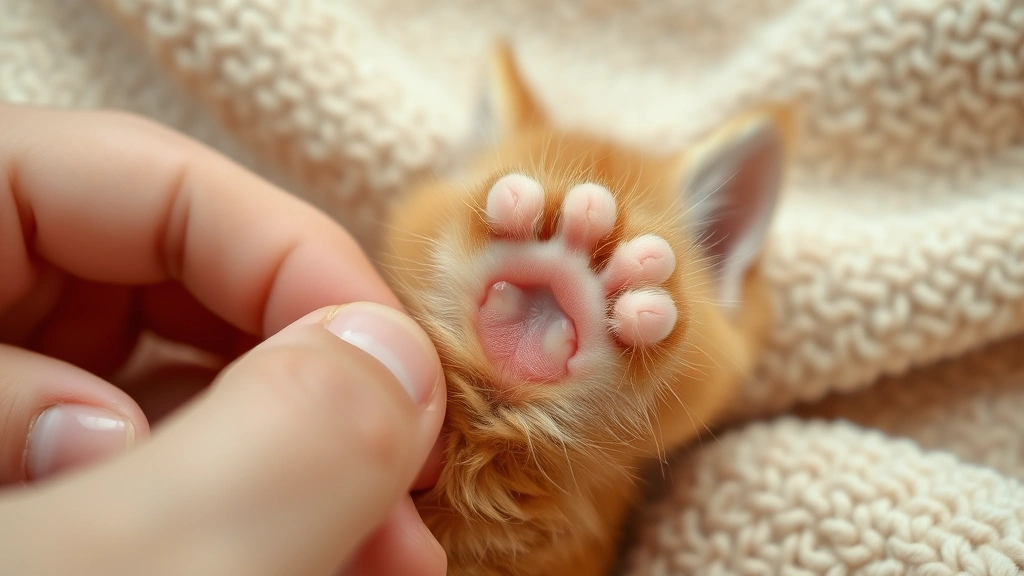
- Severe swelling, heat, or redness in the limb or paw
- Inability to bear any weight on the leg
- Signs of severe pain (crying, aggression when touched)
- Visible wound, bleeding, or discharge
- Fever or lethargy along with the limp
- Limping affecting multiple legs
- Trauma from a fall, car accident, or other major incident
If you see any of these, contact your local emergency vet clinic immediately or ask your telehealth vet to refer you. Your kitten’s safety comes first, and some conditions genuinely require hands-on physical examination and imaging.
How Telehealth Vets Diagnose Limping in Kittens
You might wonder: can a vet really figure out what’s wrong without examining my kitten in person? The answer is often yes, at least initially. Here’s how they do it:
Vets ask targeted questions about your kitten’s history, environment, and behavior. They request videos showing your kitten’s gait and movement. They ask you to gently manipulate the affected leg (if your kitten allows) and describe what you feel—heat, swelling, pain response.
In many cases, this information is enough to suggest a likely cause and recommend next steps. If imaging or hands-on examination is needed, your telehealth vet will refer you to a local clinic. Think of telehealth as an intelligent first step that either solves the puzzle or points you in the right direction.
At-Home Care Tips While You Wait for Your Vet Appointment
If your kitten’s limp doesn’t seem emergency-level but you’re waiting for a vet visit, gentle supportive care can help:
- Rest and quiet: Limit jumping and running. Create a comfortable, low-stress space.
- Warm compress: A warm (not hot) cloth applied gently to the affected area may ease discomfort for 10-15 minutes.
- Keep it clean: If there’s a visible wound, gently clean with warm water and watch for signs of infection.
- Avoid self-trauma: If your kitten is licking or biting at the paw excessively, distract with toys or consider a soft cone if recommended.
- Monitor closely: Watch for worsening, fever, or behavioral changes.
- Nutrition: Keep offering normal food and water to support healing.
These measures support comfort while you get professional guidance. Do not attempt to give any medication without explicit vet approval.
The Pet Vet Advantage: Getting Answers Fast
Platforms like The Pet Vet make it genuinely easy to connect with a licensed veterinarian when your kitten is limping. No appointment scheduling, no waiting weeks, no guessing whether it’s serious enough to warrant a trip to the clinic.
A quick video call can clarify whether your kitten needs urgent in-person care or whether rest and monitoring are appropriate. You get professional peace of mind and clear next steps—exactly what a worried pet owner needs.
Many kitten owners are surprised at how reassuring a brief telehealth consultation can be. Even if the vet recommends an in-person visit, you’ll go into that appointment with professional context and reduced anxiety.
Preventing Future Limping in Your Kitten
Once your kitten’s current limp is resolved, consider these prevention strategies:
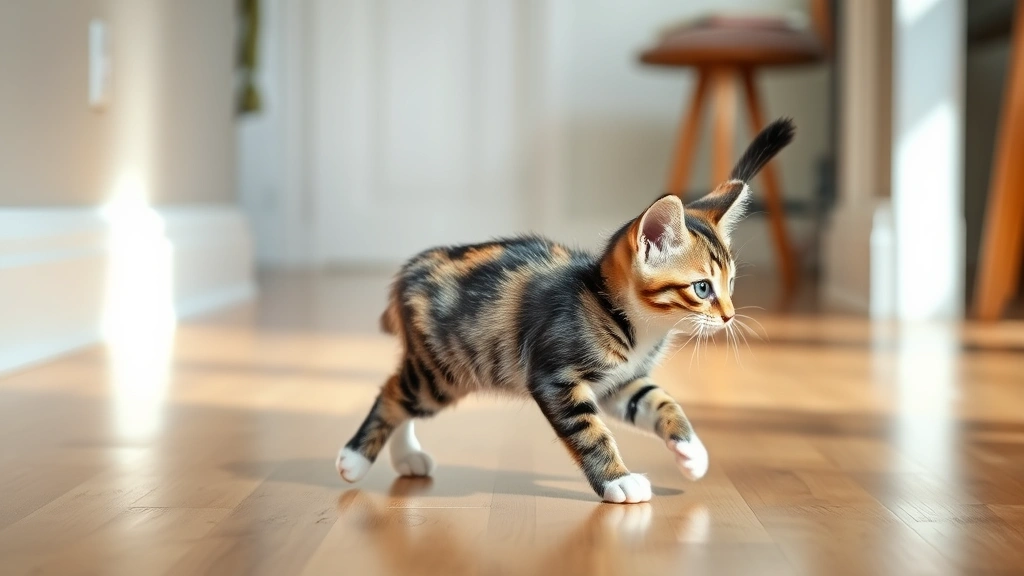
- Safe environment: Remove hazards, secure loose wires, and provide stable perches for jumping.
- Appropriate play: Supervise play with other pets and provide toys that won’t cause injury.
- Regular check-ups: Even healthy kittens benefit from routine vet visits to catch early issues.
- Paw care: Check paws regularly for debris, overgrown nails, or injuries.
- Weight management: Obesity stresses joints, so proper nutrition supports long-term mobility.
- Parasite prevention: Keep your kitten on appropriate preventive care to avoid parasitic infections.
Prevention is always easier than treatment, and your kitten will thank you for a safe, enriching environment.
Frequently Asked Questions
Can a telehealth vet prescribe medication for my kitten’s limp?
Yes, many telehealth vets can prescribe medications if appropriate. However, they may recommend an in-person exam first to rule out conditions requiring hands-on evaluation or imaging before starting treatment.
How much does an online vet consultation for limping cost?
Telehealth vet visits typically cost $30–$100 depending on the platform and consultation length, which is often less than an emergency clinic visit and far more convenient than traditional appointments.
Will my kitten need X-rays if they’re limping?
Not always. Many minor limps resolve without imaging. Your vet will determine whether X-rays are necessary based on the severity, duration, and nature of the limp.
Is it safe to give my kitten pain relief at home?
Never give over-the-counter pain medication without explicit vet approval. Some common pain relievers are toxic to cats. Always consult a vet before administering anything.
How long does a kitten’s limp usually last?
Minor sprains or small injuries often improve within 3–7 days with rest. Longer-lasting limps warrant professional evaluation to rule out more serious issues.
What to Do Now
If your kitten is limping right now, here are your next steps:
- Assess urgency: Review the red flags above. If your kitten shows severe symptoms, contact an emergency vet immediately.
- Schedule a telehealth consultation: If the limp seems mild to moderate, book a quick online vet visit with The Pet Vet or a similar platform to get professional guidance within hours.
- Gather information: Write down when the limp started, which leg is affected, any visible injuries, and your kitten’s overall behavior and appetite.
- Prepare videos: If possible, record your kitten walking normally and limping so your vet can see the gait changes firsthand.
- Follow your vet’s recommendations: Whether that’s rest, monitoring, further testing, or in-person care, trust the guidance you receive and reach out with questions.
Summary: Your Kitten’s Limp Doesn’t Have to Mean a Long Wait
Seeing your kitten limp is stressful, but the good news is you have fast, convenient options. Yes, you can absolutely talk to a vet about kitten limping online, and in many cases, that conversation is exactly what you need to feel confident about next steps.
Telehealth veterinary care removes barriers to professional guidance. You get answers quickly, you avoid unnecessary stress for your kitten, and you can determine whether urgent in-person care is needed—all without the typical appointment delays.
Your kitten’s mobility and comfort matter, and getting professional eyes on the situation fast is always the right call. Whether your kitten’s limp turns out to be minor or requires more involved care, starting with a telehealth consultation puts you in control and your kitten on the path to feeling better.
Don’t wait and worry. Reach out to a vet online today, describe what you’re seeing, and get the reassurance and guidance you deserve.