
Yes, you can absolutely talk to a vet about kitten shaking online, and doing so quickly might be exactly what your worried mind needs right now. Seeing your kitten tremble or shake can feel alarming, especially if you’re not sure what’s causing it or whether it’s serious. The good news? Telehealth veterinary services make it possible to get professional guidance from your couch in minutes—no waiting room, no appointment delays.
Table of Contents
- Why Your Kitten Might Be Shaking
- When Kitten Shaking Needs Immediate Attention
- How Online Vet Consultations Work for Kitten Shaking
- Benefits of Talking to a Vet Online About Your Kitten’s Symptoms
- What to Observe Before Your Online Vet Appointment
- Common Causes of Kitten Shaking Explained
- How to Keep Your Kitten Comfortable While Waiting for Vet Guidance
- Questions to Ask Your Online Vet
- Is Telehealth Right for Your Kitten’s Shaking?
- Related Concerns: Kitten Anxiety and Other Symptoms
- What To Do Now
- Frequently Asked Questions
- Summary: Getting Help for Your Kitten’s Shaking
This article is for informational purposes only and is not a substitute for professional veterinary advice. Always consult a licensed veterinarian for diagnosis and treatment.
Kitten shaking can stem from many different causes, ranging from something as simple as being cold to more complex neurological or metabolic issues. Understanding what might be happening—and knowing when to seek help—puts you in the best position to support your kitten’s health. Let’s walk through what you need to know.
Why Your Kitten Might Be Shaking
Kittens shake for surprisingly varied reasons. Sometimes it’s completely normal; other times, it warrants a closer look. Cold is one of the most common culprits—young kittens haven’t fully developed their temperature regulation, so they tremble when they’re chilly. You might notice this especially if your kitten is in a drafty area or has just woken up.
Fear or stress can also trigger shaking in kittens. New environments, loud noises, or sudden changes in routine can make your kitten’s little body quiver. This is a natural stress response and often resolves once your kitten feels safe again.
Beyond these everyday causes, shaking can sometimes indicate something that needs attention. Low blood sugar, hypoglycemia, is particularly common in very young or small kittens who haven’t eaten enough. Neurological concerns, infections, or metabolic imbalances may also cause tremors. Catching this early puts you in a great position to help your kitten feel better quickly.
When Kitten Shaking Needs Immediate Attention
Not all kitten shaking requires emergency care, but certain signs suggest you should reach out to a vet without delay. If your kitten is shaking and also showing signs like lethargy, loss of appetite, vomiting, diarrhea, or unusual behavior, professional evaluation is important.
Persistent shaking that doesn’t improve after warming your kitten up, or shaking that occurs during or after eating, deserves veterinary attention. If your kitten seems disoriented, has difficulty walking, or shows any signs of pain, don’t wait—contact a vet right away.
Kittens with existing health conditions or those who are very young (under 8 weeks) should be evaluated promptly if shaking develops. Your veterinarian can rule out serious underlying conditions and give you peace of mind.
How Online Vet Consultations Work for Kitten Shaking
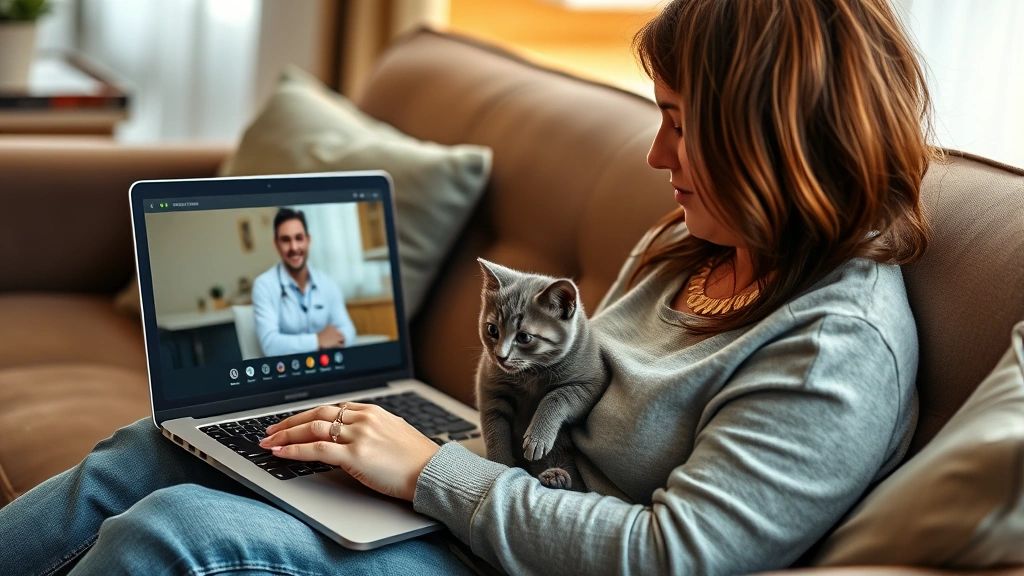
Telehealth veterinary services like The Pet Vet make it simple to get professional guidance about your kitten’s shaking. Here’s what typically happens: you book a consultation, connect with a licensed veterinarian via video call, and describe what you’re observing.
During the call, your vet will ask detailed questions about when the shaking started, how often it occurs, what your kitten was doing beforehand, and whether other symptoms are present. Having this information ready helps your vet assess the situation more accurately.
Your vet may recommend observation at home, suggest dietary changes, advise warming measures, or recommend an in-person exam if they suspect something requiring hands-on evaluation. Many telehealth vets can also send prescriptions directly to your pharmacy if needed.
Benefits of Talking to a Vet Online About Your Kitten’s Symptoms
Convenience is the obvious win—you get expert advice without leaving home or scheduling weeks in advance. For busy pet parents, this alone is transformative.
Cost is often lower with telehealth consultations compared to traditional vet visits. If you are unsure whether your pet needs urgent care, a quick telehealth check-in can give you peace of mind — no appointment needed.
You also avoid exposing your kitten to other potentially sick animals in a waiting room. For young kittens still building their immune systems, this is a real benefit. Plus, you have a record of your conversation and any recommendations sent directly to your account.
What to Observe Before Your Online Vet Appointment
Gather specific details about your kitten’s shaking to share with your vet. Note when it started, how long episodes last, and whether anything triggers it (eating, playing, temperature changes, stress).
Watch for accompanying symptoms:
- Changes in appetite or water intake
- Vomiting or diarrhea
- Lethargy or unusual behavior
- Difficulty walking or coordination issues
- Excessive drooling or difficulty swallowing
- Fever (warm ears, nose, or rectal temperature)
Record a short video of the shaking if possible—this visual information is incredibly helpful for your vet to assess the pattern and severity. Even 15 seconds of footage can tell your veterinarian a lot.
Common Causes of Kitten Shaking Explained
Hypoglycemia (Low Blood Sugar): Young kittens, especially those under 12 weeks or very small breeds, are prone to low blood sugar. Signs include shaking, lethargy, and loss of appetite. This typically responds well to frequent, small meals.
Fever or Infection: Kittens fighting off infections may shake as their body temperature rises. Viral or bacterial infections require veterinary treatment to resolve safely.
Neurological Concerns: Conditions affecting the nervous system may cause tremors. Your vet can evaluate whether imaging or further testing is needed. Early detection helps tremendously.
Metabolic Issues: Thyroid disorders or other metabolic imbalances can cause shaking. Blood work helps identify these conditions, which are often very treatable.
Toxin Exposure: Accidental ingestion of something harmful can trigger shaking. If you suspect poisoning, seek emergency care immediately.
Cold or Environmental Stress: This is the most benign cause and usually resolves with warmth and comfort.
How to Keep Your Kitten Comfortable While Waiting for Vet Guidance
Make sure your kitten has a warm, quiet space to rest. Provide a cozy bed away from drafts, and consider using a heating pad on low (never direct contact) or a warm blanket.
Ensure fresh water is always available, and offer small, frequent meals if your kitten will eat. Avoid stressing your kitten further with excessive handling or loud environments.
Keep your kitten indoors and away from other animals until you’ve spoken with a vet. This prevents complications and protects other pets if an infection is involved.
Questions to Ask Your Online Vet
During your telehealth consultation, don’t hesitate to ask these important questions:
- Is this shaking likely serious, or could it resolve on its own?
- Do you recommend an in-person exam, or can we monitor at home?
- What specific symptoms would mean I need emergency care?
- What changes should I make to my kitten’s diet or environment?
- How soon should I follow up if symptoms don’t improve?
Your vet is there to support you, so ask anything that will help you feel confident caring for your kitten.
Is Telehealth Right for Your Kitten’s Shaking?
Telehealth works wonderfully for initial assessments, especially when you’re unsure if something truly needs urgent attention. Your vet can help you determine whether your kitten needs an in-person visit or whether home care and monitoring are appropriate.
If your kitten is showing severe symptoms—difficulty breathing, collapse, seizures, or extreme distress—go to an emergency vet clinic instead. Telehealth is fantastic for non-emergency concerns and peace-of-mind consultations.
For ongoing conditions or follow-ups, telehealth also works great. You might start with an online consultation, have your kitten examined in person if needed, and then use telehealth for progress updates. Many pet parents find this hybrid approach most convenient.
Related Concerns: Kitten Anxiety and Other Symptoms
If your kitten’s shaking seems tied to anxiety or stress, you might also find it helpful to explore kitten anxiety resources online. Anxiety and stress-related trembling are common in young kittens adjusting to new homes.
Similarly, if your kitten is also showing rapid breathing, check out information on breathing concerns in young pets. While that article focuses on puppies, many principles apply to kittens too.
Other symptoms like fast breathing or loss of appetite sometimes accompany shaking and warrant veterinary evaluation as well.
What To Do Now
- Observe and Document: Note when your kitten shakes, for how long, and what triggers it. Record a short video if possible to show your vet.
- Ensure Comfort: Place your kitten in a warm, quiet space with access to food, water, and a litter box. Minimize stress and handling.
- Schedule a Telehealth Consultation: Book an online vet appointment with The Pet Vet or another trusted telehealth provider to get professional guidance within hours.
- Prepare Your Questions: Write down any questions or concerns before your appointment so you don’t forget anything important.
- Follow Your Vet’s Recommendations: Whether they suggest monitoring at home, dietary changes, or an in-person exam, follow their guidance and report back on any changes.
Frequently Asked Questions
Is it normal for kittens to shake?
Some shaking is normal, especially when kittens are cold or stressed. However, persistent or severe shaking warrants veterinary evaluation to rule out underlying health issues.
Can I treat my kitten’s shaking at home?
Mild shaking from cold or stress often improves with warmth and comfort. For other causes, veterinary guidance is essential to determine the right treatment approach.
How quickly can I get a telehealth vet appointment?
Many telehealth services, including The Pet Vet, offer same-day or next-day appointments. Some even provide urgent consultations within hours, depending on availability.
What if my online vet thinks my kitten needs emergency care?
Your telehealth vet will clearly advise you to seek emergency care if needed. They may recommend specific symptoms to watch for or advise you to head to an emergency clinic immediately.
Can my kitten get a prescription from a telehealth vet?
Yes, licensed telehealth vets can prescribe medications and send them directly to your pharmacy. Always ask about this option during your consultation if your kitten needs treatment.
Summary: Getting Help for Your Kitten’s Shaking
Yes, you can absolutely talk to a vet about kitten shaking online—and it’s often the fastest, most convenient way to get the expert guidance you need. Whether your kitten’s trembling is from cold, stress, or something that needs closer attention, a telehealth consultation can help you understand what’s happening and what to do next.
The beauty of online veterinary care is that you get professional reassurance and direction without the wait. Observe your kitten carefully, gather details about the shaking, and reach out to a licensed vet. Most concerns resolve quickly once you have expert insight, and your kitten will be back to their playful self in no time.
Don’t let worry keep you up at night—book that telehealth appointment today and get the answers you deserve.