
If your cat hasn’t used the litter box in a few days, you’re probably feeling worried—and rightfully so. Cat constipation relief is one of the most common concerns veterinarians hear from cat owners, and it’s something that can escalate quickly if left untreated. The good news? When caught early and managed properly, most cases respond well to straightforward interventions.
Table of Contents
- Why Your Cat May Be Experiencing Constipation
- Signs Your Cat Needs Cat Constipation Relief Right Now
- How Medications Work for Cat Constipation Relief
- Seven Medication Categories Used for Cat Constipation Relief
- Dietary Changes That Support Cat Constipation Relief
- Lifestyle Changes That Make a Real Difference
- When to Seek Emergency Veterinary Care
- Long-Term Management and Prevention
- Frequently Asked Questions
- What To Do Now
- Summary: Getting Your Cat Back on Track
This article is for informational purposes only and is not a substitute for professional veterinary advice. Always consult a licensed veterinarian for diagnosis and treatment.
Constipation in cats happens when stool moves too slowly through the digestive tract, making it harder and drier. Unlike dogs, cats are more prone to this issue because of their lower water intake and more sedentary lifestyle. Understanding what causes it and which relief options work best can help you act quickly and confidently.
Why Your Cat May Be Experiencing Constipation
Constipation develops for several reasons, and identifying the underlying cause is crucial for long-term relief. Dehydration is the most common culprit—cats naturally have a low thirst drive and often don’t drink enough water. A diet lacking in fiber or moisture can also slow things down significantly.
Other contributors include:
- Sedentary behavior or lack of exercise
- Hairballs blocking the digestive tract
- Obesity or excess weight
- Painful conditions like arthritis that make the litter box uncomfortable
- Underlying medical issues such as infections or metabolic disorders
- Certain medications that slow digestion
Catching this early puts you in a great position to help your cat feel better within days.
Signs Your Cat Needs Cat Constipation Relief Right Now
Recognizing the symptoms early makes all the difference. You might notice your cat straining in the litter box, producing very small or hard stools, or visiting the box more frequently without much output. Some cats become less active or lose their appetite when constipated.
More serious signs include vomiting, abdominal distension, or complete lack of bowel movements for more than 48 hours. If your cat shows these symptoms, a veterinary evaluation is essential—this could indicate a blockage or other urgent condition. Don’t wait if you’re unsure; a quick telehealth check-in can give you peace of mind and help you decide on next steps without the stress of an office visit.
How Medications Work for Cat Constipation Relief
Medications for constipation work in different ways. Some increase water content in the stool, others stimulate the muscles of the colon to contract and move things along, and some soften stool to make passage easier. Your veterinarian will recommend the best option based on your cat’s age, health status, and the severity of the constipation.
It’s important to understand that medications are most effective when combined with lifestyle and dietary changes. Think of them as one tool in your toolkit, not the entire solution.
Seven Medication Categories Used for Cat Constipation Relief
While we won’t discuss specific dosages here—that’s something your vet will determine—let’s explore the main types of medications veterinarians recommend:
1. Osmotic Laxatives
These medications draw water into the intestines, softening stool and making it easier to pass. They work gently and are often a first-line choice for mild to moderate constipation. Results typically appear within 24 to 48 hours.
2. Stool Softeners
Stool softeners reduce the surface tension of stool, allowing water to mix in more easily. They’re gentler than some other options and work well for cats who need ongoing relief. Many vets recommend these for long-term management.
3. Prokinetic Agents
These medications enhance the natural muscle contractions of the digestive tract, helping move stool along more efficiently. They’re particularly useful when constipation is caused by decreased intestinal motility rather than dehydration alone.
4. Fiber Supplements
While not a traditional medication, prescription fiber supplements are formulated specifically for cats and can be highly effective. They increase bulk and water retention in stool, promoting more regular bowel movements. Many cats tolerate these well when mixed into food.
5. Lubricants
These help stool pass more smoothly through the colon. They’re safe for short-term use and work particularly well for cats with hard, dry stools. Results are often quick—sometimes within hours.
6. Enemas
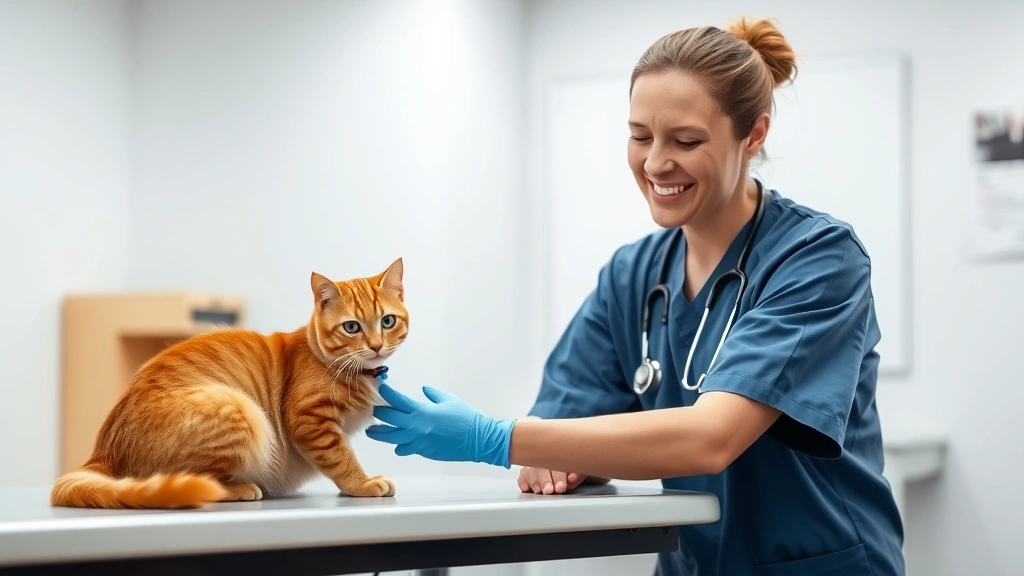
In cases of severe constipation, your veterinarian may recommend an enema to provide immediate relief. These are administered by professionals and should never be attempted at home without guidance. They’re reserved for situations where other methods haven’t worked.
7. Prescription Digestive Aids
Some cats benefit from medications that address underlying digestive issues or improve gut motility. Your vet may recommend these if constipation is recurring or linked to another condition.
Dietary Changes That Support Cat Constipation Relief
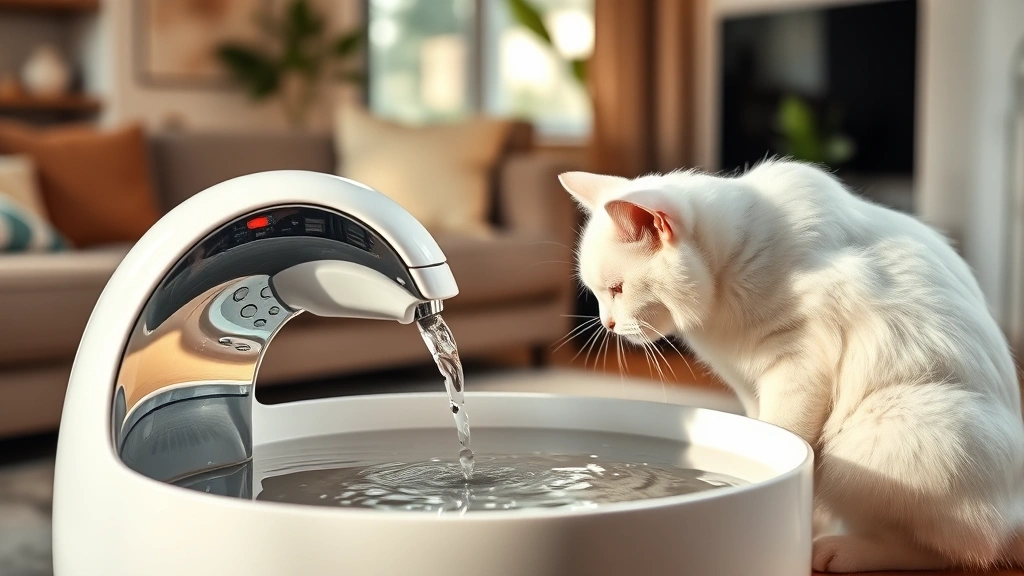
Medication works best when paired with dietary adjustments. Increasing your cat’s water intake is the single most impactful change you can make. Try offering a cat water fountain—many cats prefer running water and drink more from it.
Wet food is another game-changer. It contains significantly more moisture than dry kibble and can make a real difference in stool consistency. Some veterinarians recommend gradually transitioning to a diet higher in fiber, though this should be done under professional guidance.
Be mindful of what you’re feeding. Certain foods can worsen constipation, while others support digestive health. If your cat has food sensitivities, an elimination diet feeding plan might help identify triggers.
Lifestyle Changes That Make a Real Difference
Beyond medication and diet, simple lifestyle adjustments support long-term relief. Encourage play and movement—even 10 minutes of active play daily helps stimulate the digestive system. Cats with arthritis may need pain management to feel comfortable using the litter box, so discuss this with your vet.
Litter box management matters too. Ensure your cat has easy access to clean boxes (the rule is one box per cat plus one extra). Some cats prefer larger boxes or different litter types when they’re constipated. Experiment to see what your cat responds to best.
Weight management is also important. Overweight cats are more prone to constipation, so discuss a healthy weight range with your veterinarian.
When to Seek Emergency Veterinary Care
Most cases of constipation can be managed with medication and lifestyle changes, but some situations require urgent attention. If your cat hasn’t had a bowel movement for more than 48 to 72 hours, is vomiting repeatedly, or shows signs of severe abdominal pain, contact your vet immediately.
Recurrent constipation that doesn’t respond to treatment may indicate an underlying condition like megacolon, a condition where the colon becomes abnormally enlarged and loses its ability to contract properly. Your veterinarian can run diagnostics to rule this out.
If you’re unsure whether your situation is urgent, don’t hesitate to reach out. The Pet Vet’s telehealth service offers quick consultations to help you assess whether your cat needs in-person evaluation or can be managed at home with guidance.
Long-Term Management and Prevention
Once your cat’s constipation improves, the focus shifts to prevention. Continue with dietary changes, ensure adequate hydration, and maintain regular play sessions. Some cats benefit from ongoing fiber supplementation or stool softeners as a preventive measure.
Monitor your cat’s litter box habits regularly. Knowing what’s normal for your individual cat makes it easier to spot problems early. Keep a mental note of frequency and consistency—changes can signal that adjustments are needed.
Regular veterinary check-ups are valuable too. Your vet can assess your cat’s overall digestive health and adjust management strategies as needed.
Frequently Asked Questions
How long does it take for cat constipation relief medications to work?
Most medications show results within 24 to 48 hours, though some work faster. Osmotic laxatives and stool softeners typically take a day or two, while lubricants may work within hours.
Can I give my cat over-the-counter laxatives meant for humans?
No, never give human medications without explicit veterinary approval. Cats metabolize drugs differently, and some human products are toxic to cats. Always use products specifically formulated for cats.
Is wet food really better for constipated cats?
Yes, wet food contains 70-80% moisture compared to 10-12% in dry food. The extra hydration helps soften stool and supports overall digestive function. Many cats with constipation improve significantly when switched to wet food.
What if my cat refuses to drink more water?
Try a cat water fountain, add water to wet food, or offer broth (without onions or garlic). Some cats respond better to moving water or different bowl types. Experiment to find what works for your cat.
Can constipation in cats be prevented entirely?
While you can’t guarantee prevention, proper hydration, regular exercise, appropriate diet, and weight management significantly reduce the risk. Some cats are genetically predisposed to constipation, so ongoing management may be necessary.
What To Do Now
If your cat is experiencing constipation, here are your next steps:
- Contact your veterinarian to rule out serious underlying conditions and get a professional diagnosis. If your cat hasn’t had a bowel movement in 48+ hours, make this your priority.
- Increase water intake by offering a water fountain, adding moisture to food, or providing broth. This is the single most impactful change you can make immediately.
- Switch to wet food if your cat currently eats dry kibble. The increased moisture content supports digestive function and often provides relief within days.
- Encourage movement and play for at least 10 minutes daily. Even gentle activity stimulates the digestive system and supports bowel function.
- Ensure litter box accessibility by providing multiple clean boxes in quiet, accessible locations. Remove barriers that might make your cat uncomfortable using the box.
Summary: Getting Your Cat Back on Track
Cat constipation relief is absolutely achievable with the right combination of medication, diet, and lifestyle changes. Most cases respond quickly when addressed early, and your cat can return to normal within days to weeks. The key is recognizing the signs, consulting your veterinarian promptly, and committing to the lifestyle adjustments that prevent recurrence.
Remember, you’re not alone in this. Constipation is incredibly common in cats, and veterinarians manage it successfully every single day. By taking action now, you’re giving your cat the best chance at long-term digestive health and comfort. Your cat will thank you with renewed energy and a return to their normal bathroom habits.