
If your cat is struggling with urinary issues, cat-urinary-supplements might be the gentle support your feline friend needs to feel better. Watching your cat strain in the litter box or deal with frequent accidents is heartbreaking, and you’re not alone—urinary problems are one of the most common health concerns veterinarians see in cats.
Table of Contents
- Understanding Feline Urinary Issues
- Why Cat-Urinary-Supplements Matter
- Solution 1: L-Theanine and Stress-Relief Supplements
- Solution 2: Cranberry Extract and Urinary Tract Health
- Solution 3: Probiotics for Urinary and Gut Health
- Solution 4: Omega-3 Fatty Acids for Anti-Inflammatory Support
- Solution 5: Magnesium Balance and Dietary Adjustments
- Solution 6: Glucosamine and Chondroitin for Bladder Lining Support
- Solution 7: D-Mannose for Natural Urinary Support
- Choosing the Right Supplement Strategy for Your Cat
- Dietary Support: Beyond Supplements
- Environmental Enrichment and Stress Management
- When to Seek Urgent Veterinary Care
- Frequently Asked Questions
- What To Do Now
- Summary: Supporting Your Cat’s Urinary Health
This article is for informational purposes only and is not a substitute for professional veterinary advice. Always consult a licensed veterinarian for diagnosis and treatment.
The good news? There are several evidence-based supplements and dietary approaches that can help support your cat’s urinary tract health. In this guide, we’ll walk through seven proven solutions, what makes them work, and how to choose the right approach for your cat’s unique needs.
Understanding Feline Urinary Issues
Cats can experience various urinary problems, from idiopathic cystitis (inflammation without an obvious cause) to urinary blockages and infections. The condition affects both male and female cats, though males face higher risk of life-threatening blockages due to their anatomy.
Your cat may be experiencing signs like frequent urination, straining, blood in urine, or inappropriate elimination outside the litter box. Catching this early puts you in a great position to help your cat recover and prevent complications.
Why Cat-Urinary-Supplements Matter
Supplements work by reducing inflammation, supporting the bladder lining, and promoting a healthier urinary environment. They’re not a replacement for veterinary care, but they can be a valuable complement to your cat’s overall health plan.
The urinary tract is delicate, and the right nutritional support can make a real difference in your cat’s comfort and quality of life.
Solution 1: L-Theanine and Stress-Relief Supplements
Stress is a major trigger for feline idiopathic cystitis (FIC), the most common urinary issue in cats. L-theanine is an amino acid that promotes relaxation without sedation, helping to calm your cat’s nervous system.
When your cat feels less stressed, inflammation in the bladder often decreases naturally. Look for supplements that combine L-theanine with other calming ingredients like tryptophan or pheromone support.
- Reduces stress-related bladder inflammation
- Gentle and non-sedating
- Works best when combined with environmental enrichment
- May take 2–4 weeks to show full benefits
Solution 2: Cranberry Extract and Urinary Tract Health
Cranberry has been studied extensively for urinary health in both humans and pets. The active compounds in cranberry, called proanthocyanidins, help prevent bacteria from adhering to the bladder wall, reducing infection risk.
While cranberry alone won’t cure an active infection, it’s an excellent preventative tool. Many veterinarians recommend cranberry supplements as part of a comprehensive urinary support plan.
Always choose supplements made specifically for cats, as the dosage and formulation matter. Human-grade cranberry products may contain added sugars that aren’t appropriate for felines.
Solution 3: Probiotics for Urinary and Gut Health
A healthy gut microbiome supports overall immune function, which directly impacts urinary tract health. Probiotics designed for cats help maintain the right balance of beneficial bacteria throughout your pet’s digestive and urinary systems.
The connection between gut health and urinary health is stronger than many pet owners realize. When your cat’s microbiome is balanced, their body is better equipped to fight inflammation and infection.
- Supports immune response in the urinary tract
- Improves overall digestive health
- May reduce frequency of recurrent infections
- Choose species-specific feline probiotics
Solution 4: Omega-3 Fatty Acids for Anti-Inflammatory Support
Omega-3 fatty acids are powerful natural anti-inflammatories. Fish oil supplements or supplements derived from algae can help reduce inflammation in the bladder and urinary tract.
Unlike some anti-inflammatory medications, omega-3s work gently over time and support multiple body systems simultaneously. Your cat’s skin, coat, joints, and immune system all benefit from this nutritional support.
Look for supplements that provide EPA and DHA, the most bioavailable forms of omega-3s for cats. Many quality supplements include a small amount of vitamin E to prevent oxidation.
Solution 5: Magnesium Balance and Dietary Adjustments
Magnesium levels in your cat’s diet directly influence urinary health. While some magnesium is essential, excess magnesium can contribute to crystal formation and blockages.
This is where working with your veterinarian becomes crucial. They can assess your cat’s current diet and recommend appropriate magnesium levels. You might also explore Royal Canin Veterinary Diet Urinary SO Dry Cat Food RX vs Alternatives or other prescription urinary diets designed to support bladder health through optimal mineral balance.
Solution 6: Glucosamine and Chondroitin for Bladder Lining Support
The bladder lining, called the glycosaminoglycan (GAG) layer, acts as a protective barrier. When this layer is compromised, the bladder becomes more susceptible to inflammation and irritation.
Glucosamine and chondroitin help rebuild and maintain this protective layer. While these supplements are often associated with joint health, they’re equally valuable for supporting urinary tract integrity.
Many cats respond well to these supplements, especially when combined with other supportive measures. Results typically appear after 4–6 weeks of consistent use.
Solution 7: D-Mannose for Natural Urinary Support
D-mannose is a simple sugar that helps prevent bacteria from sticking to the urinary tract walls. Unlike antibiotics, it doesn’t kill bacteria—it simply makes it harder for them to establish infections.
This makes D-mannose particularly valuable for cats prone to recurrent urinary tract infections. It’s gentle, natural, and works through a completely different mechanism than pharmaceutical treatments.
Your cat can use D-mannose long-term without developing resistance, making it an excellent preventative tool for chronic urinary issues.
Choosing the Right Supplement Strategy for Your Cat
Every cat is unique, and what works brilliantly for one feline might not be ideal for another. The best approach combines supplements with environmental modifications, stress reduction, and dietary adjustments.
Consider starting with one supplement and monitoring your cat’s response for 2–4 weeks before adding others. This helps you identify which interventions are most effective for your specific cat.
Your veterinarian can help you create a personalized plan. If you are unsure whether your pet needs urgent care, a quick telehealth check-in can give you peace of mind—no appointment needed.
Dietary Support: Beyond Supplements
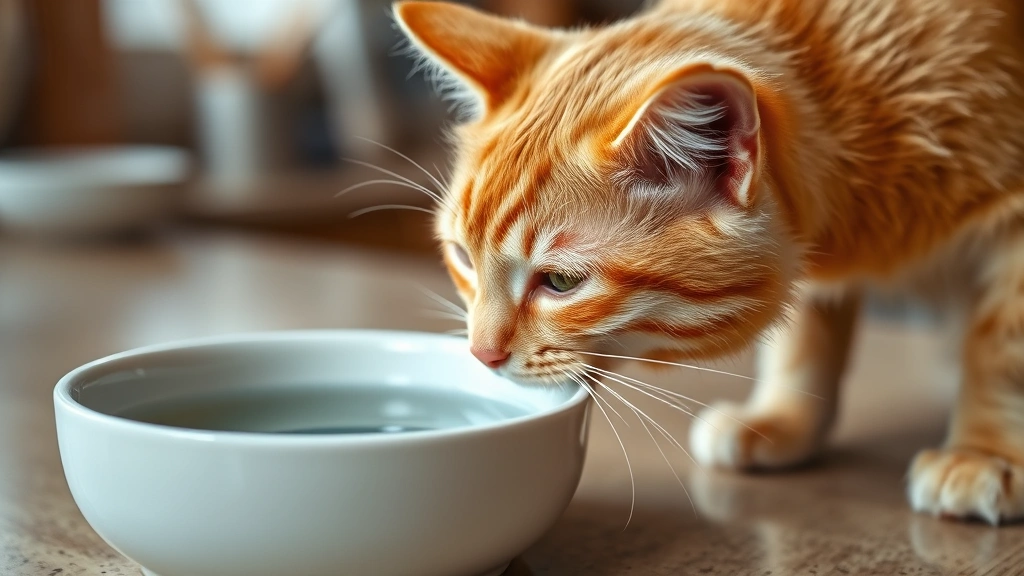
Supplements work best when paired with appropriate nutrition. Increasing your cat’s water intake is one of the most powerful interventions for urinary health. Wet food, water fountains, and multiple water bowls throughout your home all encourage hydration.
Many cats naturally prefer wet food, which provides additional moisture. You might also explore Elimination Diet Feeding Plan options if your cat has food sensitivities contributing to urinary inflammation.
Avoid Foods Cats Should Avoid that might trigger inflammation or irritation in sensitive cats.

Environmental Enrichment and Stress Management
Since stress is such a significant trigger for urinary issues, creating a calm, enriched environment is essential. Provide multiple litter boxes (ideally one per cat plus one extra), placed in quiet, accessible locations away from food and water bowls.
Interactive play, vertical spaces, and hiding spots all reduce stress and support urinary health. When your cat feels safe and engaged, their entire body—including their urinary system—functions better.
Pheromone diffusers, calming supplements, and consistent routines also help create an emotionally balanced environment for your feline friend.
When to Seek Urgent Veterinary Care
Some urinary issues require immediate professional attention. If your cat shows signs of a urinary blockage—straining without producing urine, lethargy, vomiting, or abdominal pain—seek emergency care immediately.
Urinary blockages are life-threatening and require professional intervention. Don’t wait or rely solely on supplements if you suspect a blockage.
Regular urinary issues without blockage still deserve veterinary evaluation to rule out infections or other underlying conditions.
Frequently Asked Questions
How long does it take for cat-urinary-supplements to work?
Most supplements take 2–6 weeks to show noticeable benefits. Stress-relief supplements and probiotics may work faster, while joint-support supplements like glucosamine need more time to rebuild tissue.
Can I give my cat multiple supplements at once?
Yes, many supplements work synergistically. However, introduce them gradually (one at a time, spaced a week apart) so you can monitor your cat’s response and identify any sensitivities.
Are cat-urinary-supplements safe for long-term use?
Most quality supplements are safe for long-term use, but consult your veterinarian about your specific cat’s health status and any medications they’re taking.
Do I need a prescription for cat-urinary-supplements?
Most supplements are available over-the-counter, but your veterinarian can recommend specific brands and formulations tailored to your cat’s needs.
What if supplements alone don’t help my cat?
Supplements work best as part of a comprehensive approach including dietary changes, stress management, and hydration. Your veterinarian may recommend additional interventions or prescription medications if needed.
What To Do Now
- Schedule a veterinary check-up to rule out infections, blockages, or other serious conditions before starting supplements.
- Increase your cat’s water intake by offering wet food, water fountains, and multiple water bowls throughout your home.
- Assess your cat’s stress level and make environmental improvements like adding litter boxes, vertical spaces, and interactive toys.
- Choose one supplement to start based on your cat’s primary issue (stress, infection prevention, inflammation) and monitor for 4 weeks.
- Work with your veterinarian to create a personalized urinary health plan combining supplements, diet, and lifestyle modifications.
Summary: Supporting Your Cat’s Urinary Health
Cat urinary issues are frustrating and uncomfortable for your feline friend, but they’re also highly manageable with the right approach. Cat-urinary-supplements offer gentle, evidence-based support when combined with dietary adjustments, stress management, and professional veterinary guidance.
Whether you choose stress-relief supplements, cranberry extract, probiotics, omega-3s, or other solutions, remember that consistency matters. Give your chosen interventions time to work, and don’t hesitate to reach out to your veterinarian if your cat isn’t improving.
Your cat deserves to feel comfortable and healthy. With dedication and the right support system in place, most cats see significant improvement in their urinary health and overall quality of life. You’ve got this, and your cat is lucky to have someone caring enough to seek out the best solutions.