

Eosinophilic Granuloma in Cats: Best Medications Reviewed
Red lesions on your cat’s lips or skin might be eosinophilic granuloma. Discover what causes it and how vets treat this manageable condition.
Red lesions on your cat’s lips or skin might be eosinophilic granuloma. Discover what causes it and how vets treat this manageable condition.

Senior cats struggle with constipation more than you’d think. Discover seven gentle, proven elderly cat constipation remedies that actually work.

Your cat’s sluggish behavior might be roundworms stealing their nutrients. Here’s why fast treatment matters and which medications vets recommend most.

Your cat’s bad breath might signal gum disease—but early treatment with the right medications can stop it before teeth are lost.

Your constipated cat needs proper care. Learn why cat laxative dosage must never be guessed and how vets determine safe relief for your feline friend.

Your cat’s wrist bending backward? Carpal hyperextension in cats is treatable when caught early. Here’s what vets recommend.

Your cat’s white blood cell disorder might seem scary, but understanding treatment options and home care can help your feline friend thrive despite diagnosis.

Your cat’s frequent litter box trips and loose stools might be colitis—here’s how vets diagnose it and what treatments actually work.
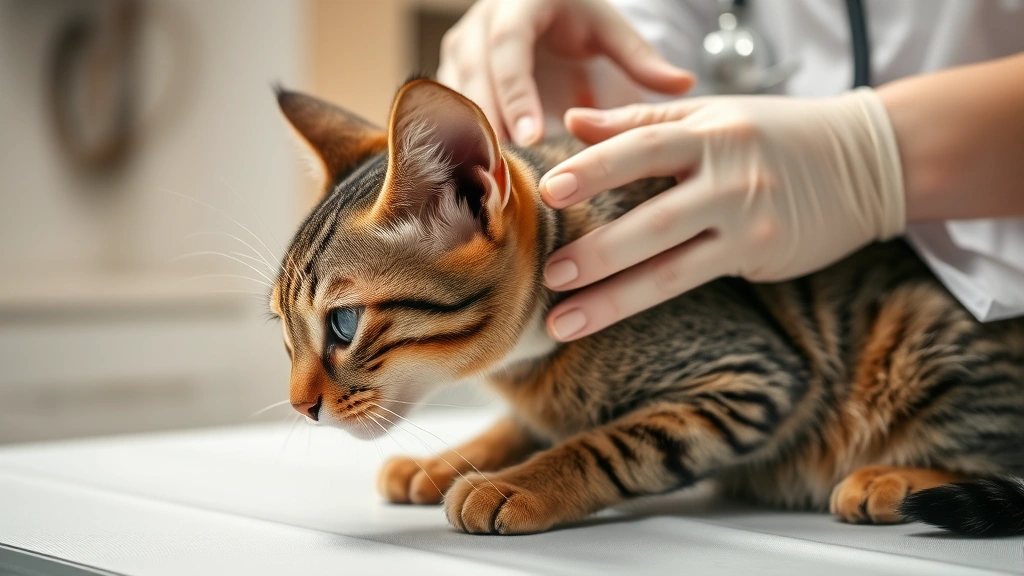
Your itchy cat might have scabies—a treatable parasitic skin condition that needs swift action. Here’s what vets recommend.

Your cat received a vaccine and now seems off. Learn what vaccination reactions in cats look like, when to worry, and how to help them feel better.