
If your veterinarian has mentioned chlorambucil for pets, you’re likely facing a challenging diagnosis and wondering what this medication means for your furry companion’s future. Learning about chlorambucil—a chemotherapy drug used in veterinary medicine—can feel overwhelming, but understanding the basics helps you make informed decisions alongside your vet and feel more confident about your pet’s care plan.
Table of Contents
- What Is Chlorambucil and Why Do Vets Prescribe It?
- Fact #1: Chlorambucil Is an Oral Medication That’s Relatively Easy to Administer
- Fact #2: Your Pet Will Need Regular Monitoring and Blood Work
- Fact #3: Side Effects Are Possible but Often Manageable
- Fact #4: Dosing and Treatment Duration Vary Based on Your Pet’s Condition
- Fact #5: Chlorambucil Works Best as Part of a Comprehensive Treatment Plan
- Understanding the Goals of Chlorambucil Treatment
- Nutrition and Supportive Care During Chlorambucil Treatment
- Managing Your Pet’s Quality of Life During Treatment
- Cost and Practical Considerations for Chlorambucil Therapy
- When to Contact Your Veterinarian
- Frequently Asked Questions
- What To Do Now
- Summary: Moving Forward With Chlorambucil Treatment
This article is for informational purposes only and is not a substitute for professional veterinary advice. Always consult a licensed veterinarian for diagnosis and treatment.
What Is Chlorambucil and Why Do Vets Prescribe It?
Chlorambucil is an oral chemotherapy medication that belongs to a class of drugs called alkylating agents. Unlike some cancer treatments that require IV administration, chlorambucil comes as a tablet, making it more convenient for at-home use. Veterinarians prescribe this medication primarily for lymphoma and certain immune-mediated conditions in dogs and cats.
The drug works by interfering with cancer cell DNA, slowing or stopping abnormal cell growth. Beyond cancer, chlorambucil may be recommended for conditions like inflammatory bowel disease (IBD) or immune-mediated hemolytic anemia when other treatments haven’t provided adequate relief. Your vet chose this medication because they believe the potential benefits outweigh the risks for your pet’s specific situation.
Fact #1: Chlorambucil Is an Oral Medication That’s Relatively Easy to Administer
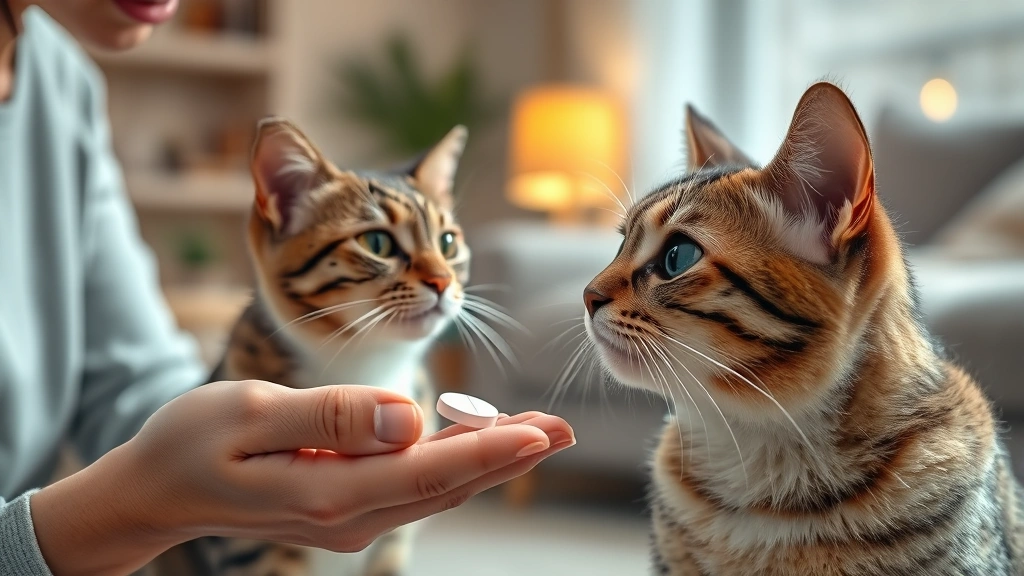
One of the biggest advantages of chlorambucil is that it comes as a tablet you can give at home. This eliminates the need for frequent veterinary clinic visits or IV infusions, which can be stressful for both you and your pet. Many owners find this less intimidating than injectable chemotherapy options.
However, handling chemotherapy drugs safely matters. Your veterinarian will provide specific instructions on how to administer the tablet and what precautions to take. Some vets recommend wearing gloves when handling the medication and washing your hands thoroughly afterward. If you’re uncomfortable giving the tablet directly, ask your vet if it can be hidden in a treat or food—though timing with meals may affect absorption.
Fact #2: Your Pet Will Need Regular Monitoring and Blood Work
Chlorambucil requires consistent veterinary oversight. Your vet will likely recommend blood work at regular intervals—often every 2-4 weeks initially, then every 4-8 weeks once your pet stabilizes. These tests check your pet’s blood cell counts, liver function, and kidney function to ensure the medication is working safely.
This monitoring is crucial because chlorambucil can affect bone marrow, potentially lowering white blood cells, red blood cells, or platelets. Catching any changes early puts you in a great position to adjust the treatment plan before serious complications develop. Think of these check-ins as your safety net—they’re designed to protect your pet while maximizing the medication’s benefits.
Fact #3: Side Effects Are Possible but Often Manageable
Like all medications, chlorambucil can cause side effects. The most common include nausea, vomiting, loss of appetite, and diarrhea. Some pets experience mild lethargy or decreased activity levels. These side effects don’t occur in every pet, and many are manageable with supportive care or dietary adjustments.
More serious side effects are less common but possible, including bone marrow suppression (which blood work monitors) or liver issues. If your pet develops signs like persistent vomiting, severe diarrhea, bleeding from gums or nose, or unusual bruising, contact your veterinarian immediately. Your vet may recommend dietary modifications—such as a bland diet during treatment—or additional medications to manage nausea. Specialized diets for digestive support may be particularly helpful for pets experiencing gastrointestinal upset.
Fact #4: Dosing and Treatment Duration Vary Based on Your Pet’s Condition
There’s no one-size-fits-all chlorambucil protocol. The medication is dosed based on your pet’s weight, the specific condition being treated, and how your individual pet responds. Some pets receive treatment for several weeks, while others may continue for months or longer.

Your veterinarian determines the dosing schedule and will adjust it based on blood work results and your pet’s clinical response. Never adjust the dose or frequency on your own—always follow your vet’s instructions precisely. If you miss a dose, contact your vet for guidance rather than doubling up on the next dose. Consistency is key to getting the best therapeutic benefit.
Fact #5: Chlorambucil Works Best as Part of a Comprehensive Treatment Plan
Chlorambucil is rarely used in isolation. For lymphoma, it’s often combined with other chemotherapy drugs or supportive therapies. For immune-mediated conditions, it may be paired with corticosteroids, immunosuppressants, or dietary management.
Your pet’s overall care plan might include nutritional support, pain management, or treatment of secondary conditions. For example, if your pet has lymphoma affecting the digestive system, dietary adjustments become important. Similarly, managing concurrent conditions like pancreatitis ensures your pet feels as comfortable as possible during treatment. Ask your vet how all the pieces of your pet’s care plan work together.
Understanding the Goals of Chlorambucil Treatment
Before starting chlorambucil, have a frank conversation with your veterinarian about realistic goals. For some cancers, the goal is remission or cure. For others, the focus is on extending quality time and managing symptoms. Understanding what success looks like for your pet helps you evaluate whether the treatment is working.
Some pets experience dramatic improvement, while others show modest benefits. Your vet will help you track response through physical exams, blood work, and imaging if applicable. If your pet isn’t responding well or side effects become unmanageable, your vet can discuss alternative approaches. There’s no shame in adjusting the plan if it’s not working—your pet’s comfort and quality of life come first.
Nutrition and Supportive Care During Chlorambucil Treatment
Keeping your pet well-nourished during treatment supports their immune system and overall resilience. Some pets on chlorambucil experience appetite changes, so offering small, frequent meals of high-quality, easily digestible food may help. Proper nutrition also supports coat and skin health, which can be affected by chemotherapy.
Discuss dietary options with your vet. Some pets benefit from novel protein diets if they’re experiencing digestive upset. Others may need calorie-dense foods to maintain weight. Ensure fresh water is always available, as hydration is especially important during chemotherapy. If your pet consistently refuses food, inform your vet—they may recommend appetite stimulants or anti-nausea medications.
Managing Your Pet’s Quality of Life During Treatment
While your pet is on chlorambucil, maintaining their quality of life remains paramount. Continue activities your pet enjoys—gentle walks, playtime, or cuddle sessions—as long as they have the energy. Many pets tolerate treatment well and can enjoy relatively normal routines.
Watch for signs that your pet is struggling, such as reluctance to move, persistent pain, or loss of interest in things they love. These observations help your vet assess whether the treatment is worth continuing or if comfort-focused care becomes more appropriate. Keep a simple journal of your pet’s energy levels, appetite, and mood—this information is invaluable at vet visits.
Cost and Practical Considerations for Chlorambucil Therapy
Chemotherapy can be expensive, and chlorambucil treatment involves medication costs, regular veterinary visits, and blood work. Before starting, ask your vet for a cost estimate so you can plan financially. Some veterinary clinics offer payment plans or can discuss ways to make treatment more affordable.
Consider the practical demands too: regular vet appointments, potential side effect management, and the emotional commitment of ongoing treatment. If you’re unsure whether you can manage the financial or practical aspects, be honest with your vet. They can discuss alternatives or help you prioritize the most critical components of care.
When to Contact Your Veterinarian
Certain signs warrant immediate veterinary attention:
- Severe vomiting or diarrhea lasting more than a few hours
- Bleeding from gums, nose, or in stool
- Unusual bruising or pale gums
- Difficulty breathing or severe lethargy
- Signs of infection like fever or discharge
- Inability to eat or drink for more than 24 hours
Don’t hesitate to reach out about less dramatic but concerning changes either. If you’re unsure whether your pet needs urgent care, a quick telehealth check-in can give you peace of mind—no appointment needed. Your vet may also recommend supportive supplements to protect organs during chemotherapy.
Frequently Asked Questions
Is chlorambucil a cure for cancer in pets?
Chlorambucil can induce remission in some cancers, but it’s not always curative. Your vet will discuss realistic expectations for your pet’s specific diagnosis and condition.
Can I stop giving chlorambucil if my pet seems fine?
Never stop or adjust chlorambucil without consulting your vet. Stopping prematurely can allow the condition to progress. Always follow your veterinarian’s instructions.
How long does a pet typically stay on chlorambucil?
Treatment duration varies widely depending on the condition and your pet’s response. Some pets receive it for weeks, others for months. Your vet will establish a treatment timeline based on your pet’s needs.
Are there natural alternatives to chlorambucil?
While some supplements support overall health, there are no proven natural replacements for chlorambucil’s therapeutic effects. Discuss any complementary approaches with your vet to ensure they don’t interfere with treatment.
What should I do if my pet has a severe allergic reaction to chlorambucil?
Seek emergency veterinary care immediately if your pet shows signs of anaphylaxis like difficulty breathing, severe swelling, or collapse. Contact your vet right away for any concerning reactions.
What To Do Now
- Schedule a detailed consultation with your veterinarian to discuss your pet’s specific diagnosis, treatment goals, expected timeline, and realistic outcomes for chlorambucil therapy.
- Ask for a written treatment plan and cost estimate that includes medication costs, monitoring blood work, and scheduled vet visits so you can prepare financially and logistically.
- Create a symptom tracking journal starting before treatment begins to document your pet’s appetite, energy levels, mood, and any side effects—this helps your vet assess response and adjust care as needed.
- Arrange a follow-up conversation about nutrition and supportive care to learn what dietary changes or supplements might help your pet tolerate treatment better.
- Save your vet’s contact information and know when to seek emergency care so you’re prepared to act quickly if your pet develops concerning symptoms during treatment.
Summary: Moving Forward With Chlorambucil Treatment
Learning that your pet needs chlorambucil can feel daunting, but understanding these five essential facts—that it’s an oral medication requiring regular monitoring, that side effects are often manageable, and that it works best as part of a comprehensive plan—empowers you to be an active partner in your pet’s care. Your veterinarian chose this treatment because they believe it offers your pet the best chance at improved health or quality of life.
Remember that every pet responds differently. What matters most is staying closely connected with your vet, monitoring your pet’s response, and maintaining their comfort and happiness throughout treatment. You’re doing everything right by educating yourself and advocating for your beloved companion. The road ahead may have challenges, but you’re not walking it alone—your vet is there to guide you every step of the way.