
If your cat has been making frequent trips to the litter box with loose or bloody stools, you might be dealing with colitis in cats—and I know how stressful that can be. Watching your beloved pet struggle with digestive issues is never easy, but the good news is that colitis is manageable when caught early and treated properly.
Table of Contents
- What Is Colitis in Cats?
- Common Signs Your Cat May Have Colitis
- What Causes Colitis in Cats?
- How Vets Diagnose Colitis
- Medications and Treatment Approaches for Colitis
- The Role of Diet in Managing Colitis
- Home Care and Management Tips
- When to Seek Urgent Veterinary Care
- Long-Term Management and Prevention
- Frequently Asked Questions
- What To Do Now
- Summary
This article is for informational purposes only and is not a substitute for professional veterinary advice. Always consult a licensed veterinarian for diagnosis and treatment.
What Is Colitis in Cats?
Colitis is inflammation of the colon (large intestine) that causes discomfort and changes in bowel habits. When your cat’s colon becomes inflamed, it can’t absorb water properly, leading to loose stools and increased urgency to defecate.
This condition is more common than many cat owners realize. The inflammation can range from mild to severe, and it may be acute (sudden onset) or chronic (long-lasting). Understanding what’s happening inside your cat’s digestive system is the first step toward effective treatment.
Common Signs Your Cat May Have Colitis
Recognizing the early warning signs can make a real difference in your cat’s recovery. Here are the most common symptoms you might notice:
- Frequent, urgent bowel movements – Your cat may visit the litter box much more often than usual
- Loose or watery stools – The consistency will be noticeably softer than normal
- Blood or mucus in stool – This can appear as streaks or a jelly-like coating
- Straining during defecation – Your cat may spend longer than usual in the litter box
- Accidents outside the box – Not a behavioral issue, but a sign of urgency they can’t control
- Loss of appetite – Some cats eat less when experiencing digestive discomfort
- Weight loss – Over time, poor nutrient absorption can lead to gradual weight decline
Catching these signs early puts you in a great position to help your cat recover faster and more comfortably.
What Causes Colitis in Cats?
Understanding the root cause is essential because treatment depends on what triggered the inflammation. Several factors can lead to colitis in cats:
Dietary sensitivities and food allergies are among the most common culprits. Some cats react poorly to specific proteins, grains, or additives in commercial cat food. Switching to a limited-ingredient diet or an elimination diet feeding plan often helps identify the problematic ingredient.
Infectious causes like bacterial overgrowth (including Clostridium infection in cats) can trigger acute colitis. Parasites, particularly hookworms and roundworms, are another common infectious culprit, especially in younger cats.
Stress and anxiety can inflame the colon in sensitive cats. Changes in household routine, new pets, or environmental stressors sometimes trigger flare-ups.
Other potential causes include inflammatory bowel disease (IBD), food intolerances, medication side effects, and even hairballs that irritate the digestive tract.
How Vets Diagnose Colitis
Your veterinarian will use a combination of approaches to confirm colitis and identify the underlying cause. This typically starts with a thorough physical examination and detailed history about your cat’s symptoms and diet.
Fecal testing helps rule out parasites and bacterial infections. Blood work can reveal signs of inflammation or nutritional deficiencies. In some cases, your vet may recommend an abdominal ultrasound or colonoscopy to visualize the colon and rule out other conditions.
This diagnostic process ensures your cat receives targeted treatment rather than guesswork.
Medications and Treatment Approaches for Colitis
Treatment varies based on the underlying cause, but several evidence-based approaches have proven effective for managing colitis in cats.
Anti-inflammatory medications can help reduce colon inflammation and provide relief. Your vet may recommend specific options based on your cat’s individual needs and medical history.
Probiotics and digestive enzymes support healthy gut bacteria and improve digestion. These can be particularly helpful when dysbiosis (bacterial imbalance) is contributing to the inflammation.
Dietary modification is often the cornerstone of long-term management. Many cats respond remarkably well to a food trial feeding schedule with limited ingredients or novel protein sources. Some cats thrive on prescription gastrointestinal diets formulated specifically for sensitive digestive systems.
Fiber supplementation can normalize stool consistency and reduce urgency. The right type and amount of fiber depend on your individual cat’s response.
If an infection is identified, your vet may prescribe targeted antimicrobial therapy. However, antibiotics are only used when truly necessary to avoid disrupting the beneficial gut bacteria.
The Role of Diet in Managing Colitis
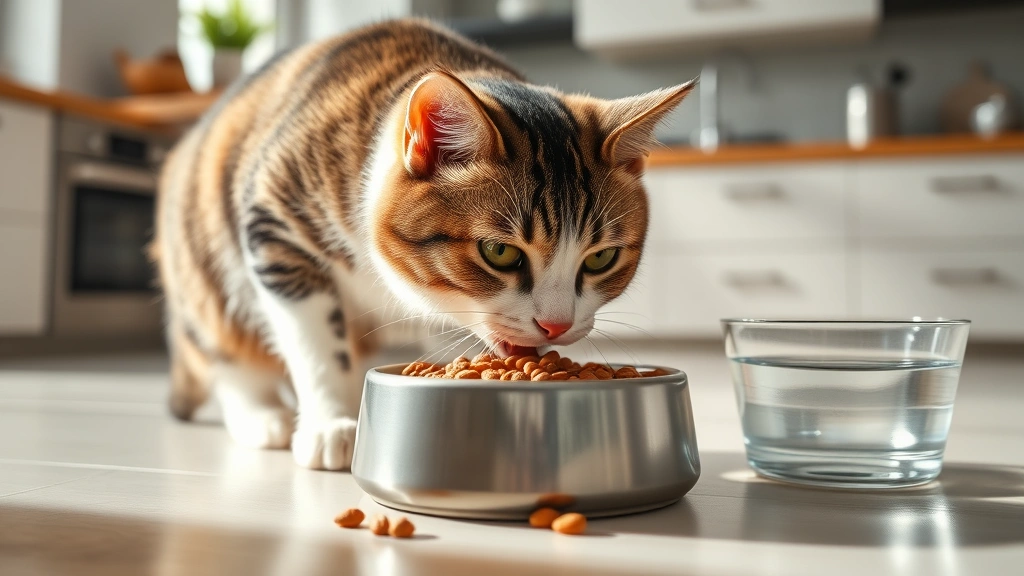
What you feed your cat can make or break your colitis management plan. The right diet addresses inflammation while providing complete nutrition.
Many cats improve dramatically when switched to a high-quality, limited-ingredient diet. Novel proteins (like rabbit, venison, or fish) that your cat hasn’t eaten before can help identify food sensitivities. Grain-free diets work well for some cats, though this isn’t universally necessary.
Your vet might recommend a prescription diet formulated for digestive health. These are carefully balanced to minimize irritation while supporting healing. Feeding smaller, more frequent meals sometimes helps compared to one or two large meals daily.
Consistency matters—sudden diet changes can actually trigger flare-ups, so transitions should happen gradually over 7-10 days.
Home Care and Management Tips
Beyond medication and diet, several at-home strategies support your cat’s recovery and prevent future flare-ups:
- Maintain a stress-free environment – Provide quiet spaces, consistent routines, and minimize household disruptions
- Ensure fresh water access – Colitis causes fluid loss, so hydration is crucial for recovery
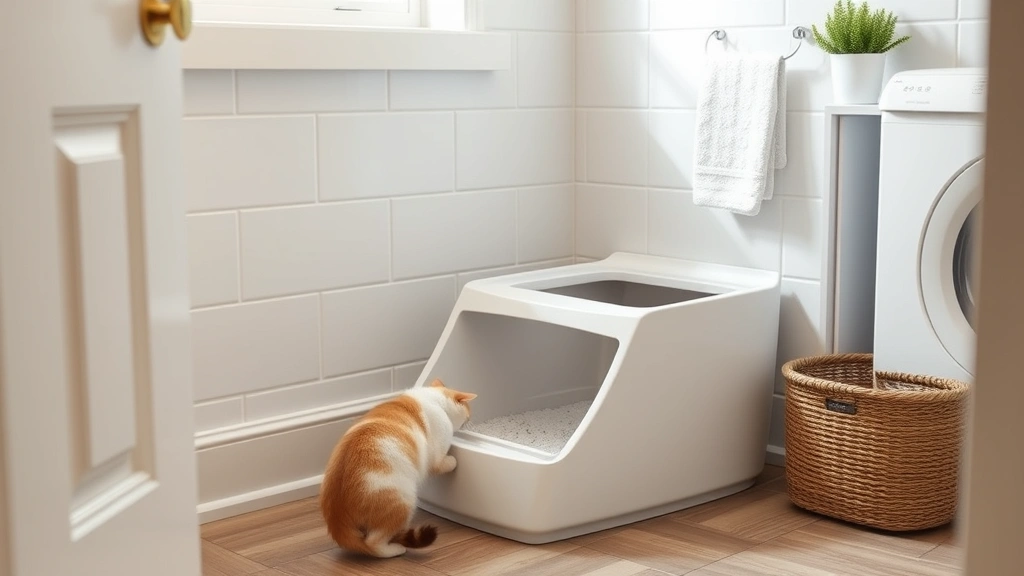
- Keep litter boxes clean and accessible – Multiple boxes in different locations reduce stress and urgency-related accidents
- Monitor stool consistency daily – Track improvements or setbacks to share with your vet
- Avoid sudden diet or treat changes – Stick with approved foods and discuss any new additions with your vet first
These simple steps create an environment where your cat’s digestive system can heal.
When to Seek Urgent Veterinary Care
While most cases of colitis are manageable, some situations require immediate attention. Seek urgent care if your cat shows signs of severe dehydration, bloody diarrhea with lethargy, inability to eat, or symptoms lasting more than a few days without improvement.
If you’re uncertain whether your situation is urgent, a quick telehealth check-in with a veterinarian can give you peace of mind—no appointment needed. The Pet Vet’s telehealth service connects you with licensed vets who can assess your cat’s symptoms and advise whether an in-person visit is necessary.
Long-Term Management and Prevention
Many cats experience recurring colitis without proper long-term management. Once you’ve identified what works for your cat, consistency becomes your best friend.
Stick with the diet your cat responds to, maintain regular vet check-ups, and keep stress levels low. Some cats benefit from ongoing probiotic supplementation or periodic fiber additions.
If your cat has food sensitivities, keeping a detailed food diary helps you recognize patterns and avoid triggers. Regular parasite prevention ensures infectious causes don’t return.
Frequently Asked Questions
How long does it take for colitis in cats to improve with treatment?
Most cats show improvement within 1-2 weeks of starting appropriate treatment, though complete resolution may take 4-6 weeks depending on the underlying cause.
Is colitis in cats contagious to other pets?
Colitis itself isn’t contagious, but if it’s caused by parasites or certain bacteria, those could potentially spread to other animals in your household.
Can colitis in cats be cured permanently?
Acute colitis triggered by a specific cause can be cured, but chronic colitis or inflammatory bowel disease may require ongoing management with diet and medication.
What’s the difference between colitis and IBS in cats?
Colitis is inflammation of the colon, while IBS (irritable bowel syndrome) is a functional disorder without visible inflammation—though they can coexist and share similar symptoms.
Should I give my cat probiotics for colitis?
Probiotics can be beneficial for many cats with colitis, but discuss specific products and strains with your veterinarian to ensure they’re appropriate for your cat’s situation.
What To Do Now
If you suspect your cat has colitis, here’s your action plan:
- Schedule a veterinary appointment – Get a professional diagnosis and rule out serious underlying conditions
- Document your cat’s symptoms – Note stool consistency, frequency, appetite changes, and any other signs to share with your vet
- Review current diet and treats – Prepare to discuss what your cat eats so your vet can recommend dietary adjustments
- Prepare for possible dietary changes – Be ready to transition to a new food if recommended, following a gradual 7-10 day transition plan
- Follow up after treatment begins – Monitor improvement and communicate any concerns with your vet within the first 1-2 weeks
Summary
Colitis in cats is uncomfortable for your pet but highly manageable with proper diagnosis and treatment. Most cases improve significantly with dietary adjustments, appropriate medications, and supportive home care. The key is identifying the underlying cause—whether it’s food sensitivity, infection, stress, or IBD—and addressing it directly rather than just treating symptoms.
Work closely with your veterinarian to develop a treatment plan tailored to your cat’s specific needs. Be patient through the recovery process, stay consistent with dietary and medication recommendations, and don’t hesitate to reach out if symptoms don’t improve or worsen. Your cat is counting on you, and with the right approach, most cats return to normal, healthy digestive function.