
If you share your home with a Devon Rex, you have probably noticed your cat burrowing under blankets, pressing against warm bodies, or shivering after a bath. Devon Rex temperature sensitivity is a real and common trait tied to this breed’s unusual coat. Understanding why it happens, what counts as normal versus worrying, and how to keep your cat comfortable can make a real difference in your cat’s day-to-day wellbeing and long-term health.
Table of Contents
- Why Devon Rex Cats Feel the Cold So Easily
- Normal Warmth-Seeking Behavior vs. a Problem
- The Role of Body Fat and Muscle in Heat Retention
- Common Situations Where Devon Rex Cats Chill Quickly
- Practical Ways to Keep Your Devon Rex Warm at Home
- Drying and Warming After Baths
- Traveling and Boarding Considerations
- When Cold Sensitivity Signals a Bigger Health Issue
- Devon Rex Skin Health and Temperature Regulation
- Kittens, Seniors, and Extra Vulnerability
- Seasonal Adjustments Throughout the Year
- Talking to Your Vet About Temperature Sensitivity
- Building a Warmth-Friendly Routine
Why Devon Rex Cats Feel the Cold So Easily
Devon Rex cats have a coat that looks and behaves very differently from most other breeds. Instead of the usual three layers of fur, they carry only a thin, fine, wavy layer of hair, and in some cats that coat is so sparse it feels almost bare in patches. This reduced coat means less natural insulation, so Devon Rex cats lose body heat faster than a typical shorthaired or longhaired cat would in the same room.
Fur serves a real physiological purpose beyond looks. It traps a layer of warm air against the skin and slows the transfer of heat away from the body. When that layer is thin or patchy, as it often is in a Devon Rex, your cat has to work harder internally to maintain a stable body temperature, and they rely much more heavily on their environment and behavior to stay warm.
This is why you will often see a Devon Rex seeking out sunbeams, heating vents, laps, and the warm spots left behind by other pets. It is not simply a quirky personality trait, it is a direct response to a body that cannot hold onto heat the way a more heavily coated cat can.
Normal Warmth-Seeking Behavior vs. a Problem
Most Devon Rex owners quickly learn that their cat is a dedicated heat-seeker, and in itself this is completely normal and expected for the breed. You might find your cat sleeping inside your shirt, draped over your shoulders, or curled against a laptop or radiator. This kind of behavior is simply the cat compensating for a thin coat and does not necessarily mean anything is wrong.
What you want to watch for is a shift from seeking warmth to showing signs of genuine discomfort or distress from being cold. There is a difference between a cat who likes to snuggle and a cat who is shivering, tucked into a tight ball with their fur fluffed, or reluctant to move from a heat source even when encouraged. Persistent shivering, cold-feeling ears and paws, lethargy, or a hunched posture after being in a cool room are signs that your cat’s temperature regulation is struggling rather than simply being a cozy preference.
- Seeking out warm laps, sunbeams, and blankets is typical Devon Rex behavior
- Occasional shivering right after a bath or in a drafty spot can be normal and brief
- Prolonged shivering, cold ears or paws, or reluctance to move suggest your cat is genuinely too cold
- Lethargy combined with coolness to the touch is worth a call to your vet
The Role of Body Fat and Muscle in Heat Retention
Beyond the coat itself, Devon Rex cats tend to have a lean, fine-boned build, and body fat plays an important role in insulation that this breed often has less of compared to a stockier cat. A thin layer of body fat acts as a buffer against heat loss, so a Devon Rex who is already lean from genetics can feel the cold even more acutely than their coat alone would suggest.
Muscle mass also generates heat through everyday activity and shivering thermogenesis, the body’s way of warming itself through rapid muscle contractions. Kittens, senior cats, and any Devon Rex recovering from illness or surgery tend to have less muscle reserve to draw on, which makes them more vulnerable to feeling cold during these life stages. This is one reason vets often pay close attention to body condition and temperature regulation together when evaluating a Devon Rex at any age.
Keeping your cat at a healthy weight, neither too thin nor overweight, supports their ability to regulate temperature more effectively. Your vet can help you assess your cat’s body condition and let you know if weight adjustments would help with overall comfort and health.
Common Situations Where Devon Rex Cats Chill Quickly
There are specific moments in daily life where a Devon Rex is especially prone to getting cold, and recognizing these situations ahead of time lets you plan around them. Bath time is one of the biggest triggers, since wet skin loses heat rapidly and a thin coat does very little to slow that process down. Even a quick rinse can leave a Devon Rex shivering if they are not dried and warmed promptly afterward.
Cold tile or hardwood floors, drafty rooms, car rides in cool weather, and overnight stays at a boarding facility or vet clinic can all challenge a Devon Rex’s ability to stay warm. Air conditioning in summer can be just as much of an issue as winter weather, since many owners do not think to account for cold sensitivity when the season is warm outside.
- Bath time and any period with wet or damp fur
- Cold floors, especially tile, stone, or uncovered hardwood
- Car travel in cool or air-conditioned environments
- Overnight boarding, vet visits, or unfamiliar rooms without their usual warm spots
- Air-conditioned rooms during summer months
Practical Ways to Keep Your Devon Rex Warm at Home
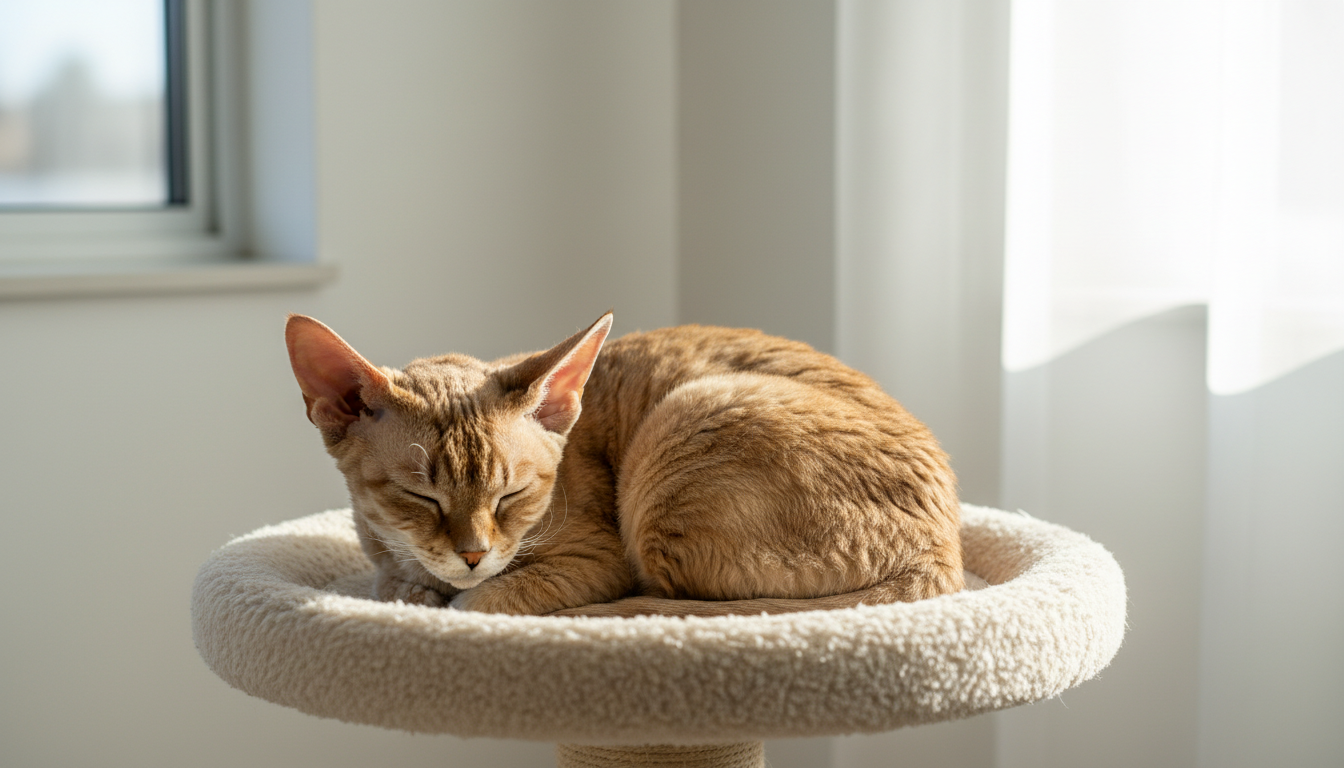
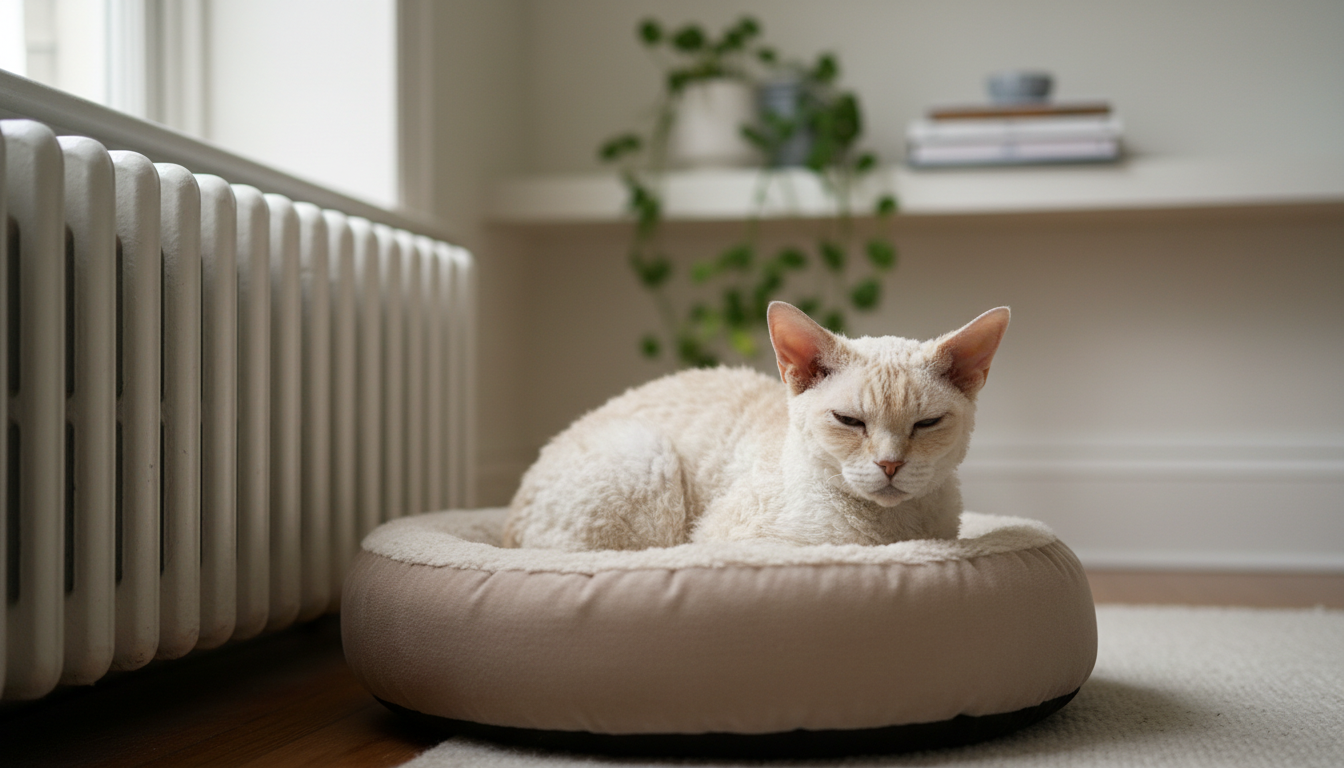
Simple, consistent changes around the house can make a real difference in how comfortable your Devon Rex feels day to day. Providing multiple warm resting spots throughout your home, such as a heated cat bed, a sunny windowsill perch, or a soft blanket near a radiator, gives your cat options no matter where they happen to be. Many owners also find that a cat tree positioned near a window with afternoon sun becomes a favorite spot almost immediately.
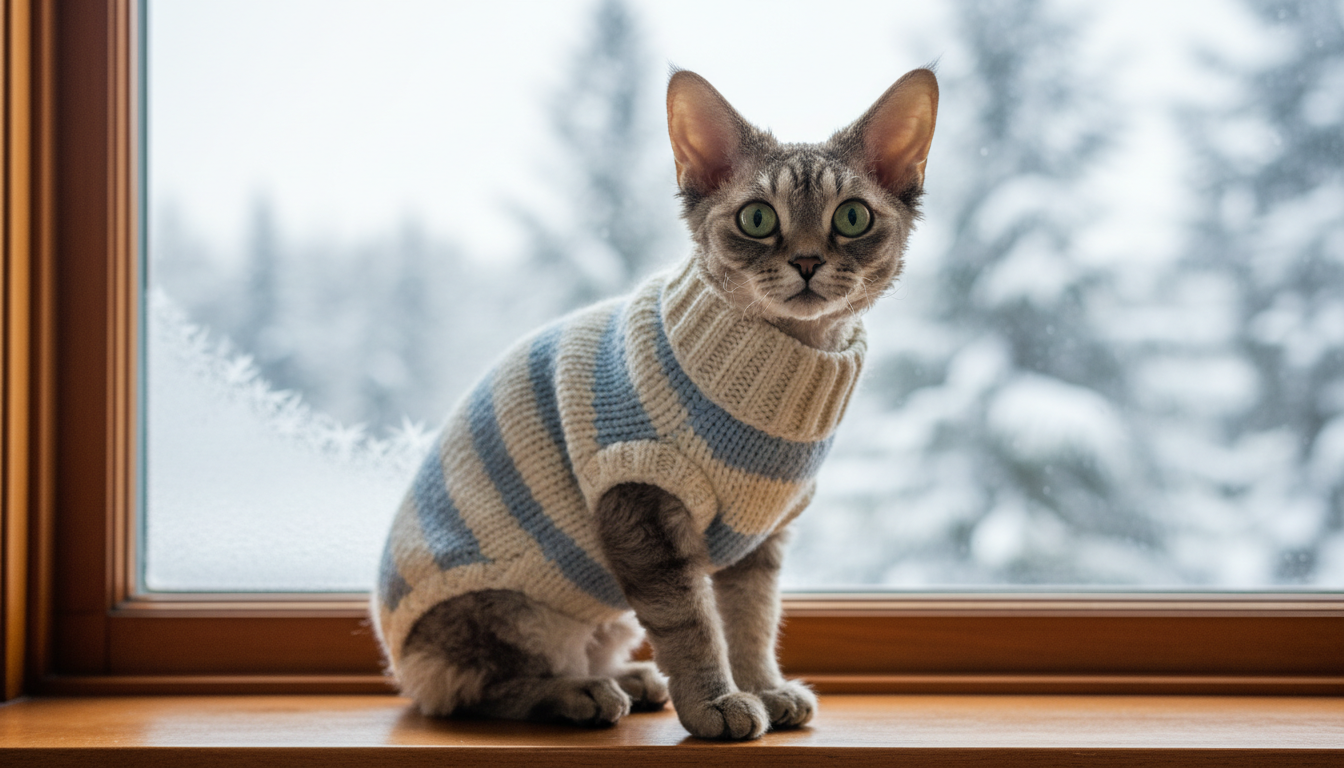
Dressing a Devon Rex in a soft cat sweater or jumper during cooler months is common practice among owners of this breed, and many cats tolerate it well once they get used to the sensation. This can be particularly helpful in homes that run cool overnight or in climates with a real winter season. Just be sure any clothing fits properly and does not restrict movement, breathing, or grooming.
- Offer a heated cat bed or a safe heating pad designed for pets
- Keep a soft blanket or two in your cat’s favorite resting spots
- Consider a breathable cat sweater in cold weather or air-conditioned rooms
- Position a bed or perch near a sunny window
- Avoid placing your cat’s bed directly on cold tile or stone floors
Drying and Warming After Baths
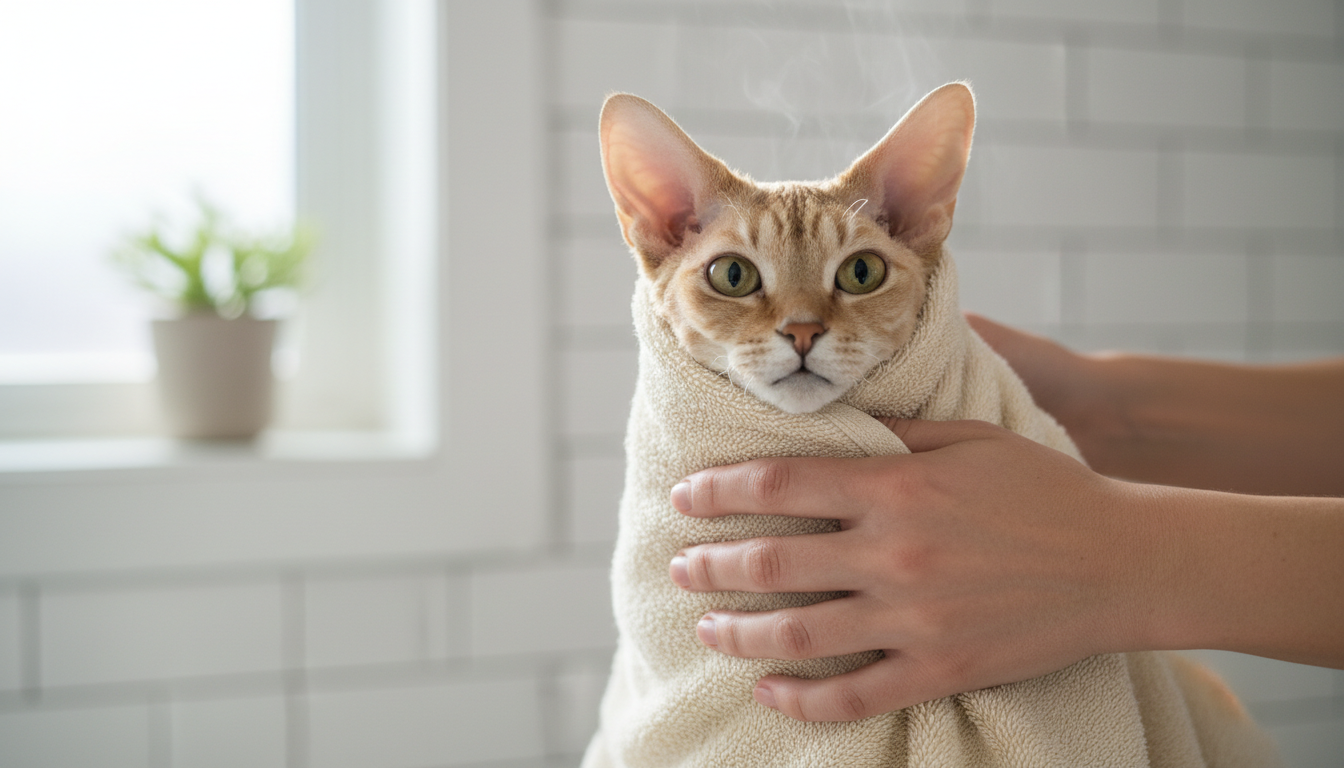
Because Devon Rex cats lose heat so quickly when wet, bath time deserves extra care and planning. Using warm water and having towels ready before you even start the bath helps minimize the time your cat spends cold and damp. A low-heat blow dryer made for pets, used at a safe distance and with constant movement, can help speed up drying, though many owners simply towel dry thoroughly and then let their cat warm up in a cozy, draft-free spot.
It helps to have a warm towel or blanket waiting right after the bath, along with a warm room free of drafts, so your cat can transition from wet to dry without a long stretch of feeling cold. Some owners keep a specific “bath day” blanket that lives in the dryer or near a heat source so it is warm and ready the moment the bath is finished.
Watch your cat closely in the hour or so after a bath. Persistent shivering that does not ease once they are dry and warm, or any sign of lethargy, is worth mentioning to your vet, since it could indicate your cat’s temperature dropped further than expected.
Traveling and Boarding Considerations
Car rides and unfamiliar environments add another layer of challenge for a breed that already struggles to retain body heat. A carrier lined with a thick blanket, and the car’s temperature kept comfortably warm rather than cool, helps prevent your Devon Rex from getting chilled during travel. Avoid placing the carrier directly in the path of air conditioning vents, even on a hot day.
If your cat needs to board at a facility or stay overnight at the vet, it is worth asking staff in advance about their ability to provide extra warmth, such as a heated bed or additional blankets. Many boarding facilities and clinics are happy to accommodate this once they understand the breed’s specific needs, and bringing a blanket or item from home that smells familiar can also help reduce stress alongside the cold sensitivity.
- Line carriers with thick, warm bedding for travel
- Avoid direct air conditioning or drafts during car rides
- Communicate your cat’s warmth needs to boarding staff or vet clinic team in advance
- Bring a familiar blanket from home for overnight stays
When Cold Sensitivity Signals a Bigger Health Issue
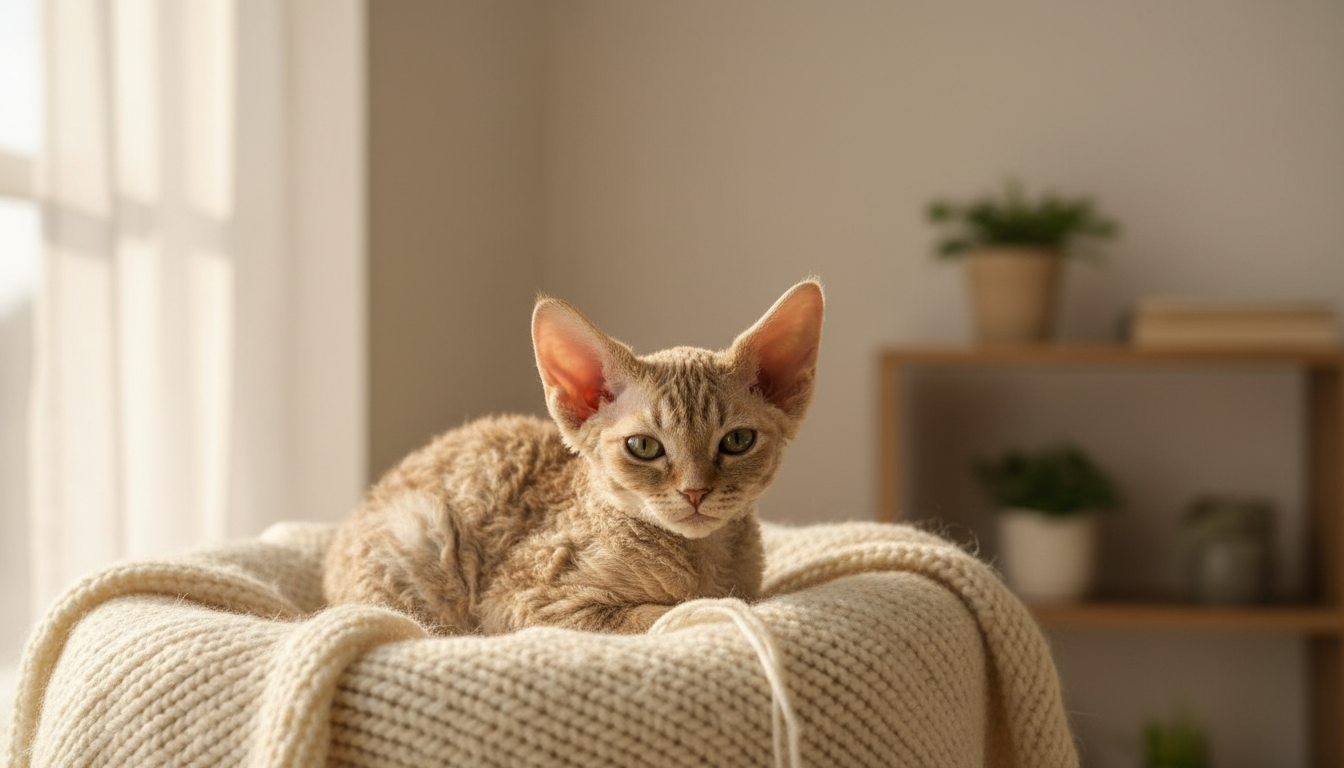
While a thin coat explains most of a Devon Rex’s cold sensitivity, it is important not to assume every instance of shivering or seeking warmth is purely coat-related. Cats that suddenly seem much colder than usual, who are shivering persistently despite being in a warm environment, or who seem weak, lethargic, or uninterested in food alongside feeling cool to the touch should be seen by a vet promptly. These signs can sometimes point to underlying illness, low blood sugar, an infection, or other medical issues rather than simple environmental chill.
Older Devon Rex cats and kittens are particularly vulnerable to a condition called hypothermia, where body temperature drops to a dangerously low level. This is a medical emergency and needs immediate veterinary attention rather than home management with blankets alone. Signs of true hypothermia include extreme lethargy, weak or slow breathing, a very cold body including the core and not just the extremities, and unresponsiveness.
If you notice any of these signs, contact your vet or an emergency animal hospital right away rather than waiting to see if your cat warms up on their own.
- Persistent shivering that does not improve with warmth
- Lethargy, weakness, or collapse alongside feeling cold
- Pale or bluish gums
- Slow, weak breathing
- Unresponsiveness or extreme difficulty rousing
Devon Rex Skin Health and Temperature Regulation
The same thin coat responsible for Devon Rex temperature sensitivity also leaves the skin more exposed to the environment in other ways, and skin health and temperature regulation are closely linked in this breed. Dry or irritated skin can make a cat even less comfortable in cold conditions, and cats with skin issues sometimes groom less effectively, which further reduces whatever natural insulation their coat provides. Keeping up with any skin care routine your vet has recommended supports your cat’s comfort on multiple fronts.
Regular grooming, even though the coat is thin, helps distribute natural oils and keeps the skin in good condition. Gentle brushing with a soft brush made for delicate coats, along with routine skin checks for dryness, flaking, or irritation, is a simple habit that benefits both comfort and temperature tolerance.
Your vet can advise on any skin care products or routines suited to your individual cat, particularly if you have noticed dryness, odor, or irritation alongside cold sensitivity.
Kittens, Seniors, and Extra Vulnerability
Life stage plays a significant role in how well a Devon Rex handles cooler temperatures. Kittens have less body fat, less muscle mass, and an immature system for regulating their own temperature, which makes them considerably more prone to getting cold than a healthy adult cat. Extra warmth, draft-free sleeping areas, and close monitoring are especially important in the first several months of life.
Senior Devon Rex cats often face a similar vulnerability as their metabolism slows and muscle mass naturally decreases with age. Arthritis and other age-related conditions can also make a cat less inclined to move around and generate their own body heat, compounding the issue. If you have an older Devon Rex, providing easily accessible warm resting spots throughout the home, including ones that do not require jumping or climbing, supports their comfort as mobility changes.
- Kittens need extra warmth, soft bedding, and draft-free sleeping areas
- Senior cats benefit from easily accessible warm spots that do not require jumping
- Watch for reduced mobility or reluctance to move in older cats, which can worsen cold sensitivity
- Discuss any age-related changes with your vet, since some conditions affect temperature regulation directly
Seasonal Adjustments Throughout the Year
Caring for a Devon Rex’s warmth needs is not a one-time setup, it is something that benefits from seasonal attention. In winter, this might mean adding extra blankets, checking that heating vents reach your cat’s favorite rooms, and considering a sweater for particularly cold spells. In summer, air conditioning can catch owners off guard, since a home that feels comfortable to you may still be cool enough to leave your Devon Rex seeking out warm spots or looking for a blanket.
Paying attention to how your cat behaves as the seasons change helps you adjust their environment proactively rather than reactively. If you notice your cat suddenly spending more time in one particular spot, pressing against heating appliances, or seeming unusually still and curled up, it is often a sign the current temperature in that room is not quite right for them.
- Adjust heating and bedding setups as seasons change
- Watch for new warmth-seeking patterns that suggest a room has become too cool
- Keep a blanket or sweater on hand for sudden cold snaps
- Reassess your cat’s comfort setup each year as they age
Talking to Your Vet About Temperature Sensitivity
Because Devon Rex temperature sensitivity is so closely tied to the breed’s unique coat, it is a good topic to bring up during routine wellness visits, especially as your cat ages or if you notice any changes in their tolerance for cold. Your vet can help you distinguish normal warmth-seeking behavior from signs that something more serious is going on, and can offer guidance tailored to your specific cat’s age, body condition, and health history.
If you are ever unsure whether your cat’s shivering or coldness is within the range of normal or something that needs attention, it is always better to reach out to your vet than to wait and see. Temperature-related concerns, particularly in very young, senior, or ill cats, can escalate quickly, and a quick phone call or visit can offer peace of mind or catch a problem early.
Your vet is also a good resource if you are considering products like heated beds, sweaters, or supplements marketed for coat and skin health, since they can confirm whether something is a good fit for your individual cat’s needs and any other health conditions they may have.
Building a Warmth-Friendly Routine
Over time, most Devon Rex owners develop an intuitive sense of their cat’s warmth needs and build simple routines around them without much extra effort. This might look like automatically grabbing a blanket before settling in to watch television together, keeping a heated bed plugged in during the colder months, or simply allowing your cat free access to your lap whenever they want it.
These small, consistent habits add up to a comfortable, confident cat who feels secure in their environment rather than constantly searching for warmth. Understanding that this need is a normal part of who your Devon Rex is, rather than a problem to eliminate, often makes it easier to build a home environment that works well for both of you.
With a little planning and ongoing attention, Devon Rex temperature sensitivity becomes a manageable and even endearing part of life with this breed, rather than a source of worry.
This article is for general education and is not a substitute for care from your own veterinarian. Learn about The Pet Vet and our editorial policy.