
If you’ve noticed your dog limping, stiffening up after rest, or struggling to climb stairs shortly after a vaccination, you’re not alone in wondering whether dog arthritis after vaccination could be the culprit. Many pet owners report joint issues in their dogs following routine immunizations, and it’s a concern that deserves thoughtful attention and professional guidance.
Table of Contents
- Understanding Post-Vaccination Joint Changes in Dogs
- Signs Your Dog May Be Experiencing Post-Vaccination Joint Issues
- Timeline: When Post-Vaccination Arthritis Symptoms Appear
- Why Some Dogs Are More Susceptible Than Others
- Distinguishing Post-Vaccination Arthritis From Other Conditions
- Relief Strategies and Management Options
- When to Seek Veterinary Care Immediately
- Vaccination Safety and Moving Forward
- Long-Term Joint Health for Your Dog
- Frequently Asked Questions
- Summary: Taking Action for Your Dog’s Joint Health
- What To Do Now
This article is for informational purposes only and is not a substitute for professional veterinary advice. Always consult a licensed veterinarian for diagnosis and treatment.
The connection between vaccinations and joint problems in dogs is a topic that generates both curiosity and concern among responsible pet owners. While vaccines are essential for protecting your dog’s health, understanding potential side effects—and knowing what to watch for—empowers you to catch problems early and keep your furry friend comfortable.
Understanding Post-Vaccination Joint Changes in Dogs
Vaccines work by stimulating your dog’s immune system to build protection against disease. Sometimes, this immune response can temporarily affect other parts of the body, including joints. The inflammation that helps create immunity might occasionally manifest as stiffness or soreness in the legs and joints.
Most dogs experience mild, short-lived reactions that resolve within days. However, some dogs may be experiencing more noticeable discomfort that warrants closer observation. The key is understanding the difference between normal post-vaccine soreness and something that needs veterinary attention.
Signs Your Dog May Be Experiencing Post-Vaccination Joint Issues
Catching early signs puts you in a great position to help your dog feel better faster. Here are the most common indicators to watch for in the days and weeks following vaccination:
- Limping or favoring one or more legs – especially noticeable when your dog first gets up in the morning or after rest
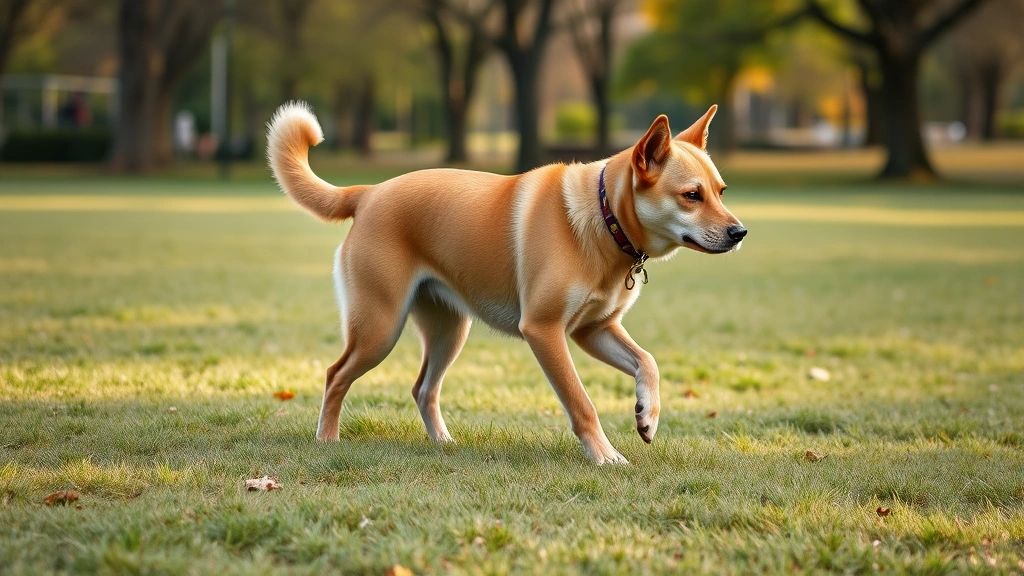
- Stiffness – your dog may move slowly, walk with a shortened stride, or seem reluctant to jump or climb stairs
- Reluctance to play or exercise – a normally active dog becomes unusually sedentary
- Swelling around joints – look for puffiness in the knees, hips, elbows, or shoulders
- Difficulty lying down or standing up – your dog may struggle with transitions or seem to move in slow motion
- Whimpering or sensitivity when touched – a sign that joints feel sore or tender
- Behavioral changes – increased irritability, reluctance to be petted, or withdrawal from family activities
Timeline: When Post-Vaccination Arthritis Symptoms Appear
Post-vaccination joint issues typically emerge within days to a few weeks after the shot. Some dogs show signs immediately after returning home, while others develop symptoms over the following 7–14 days. Understanding this timeline helps you connect the dots between the vaccination and your observations.
If symptoms appear months or years after vaccination, other causes—such as age-related arthritis, injury, or underlying joint disease—are more likely at play. That said, your veterinarian can help determine the actual cause through a thorough examination and, if needed, imaging studies.
Why Some Dogs Are More Susceptible Than Others
Not every dog develops joint issues after vaccination. Several factors influence whether your dog might be at higher risk:
- Age – Younger dogs and senior dogs may have more reactive immune responses
- Breed predisposition – Some breeds (like large-breed dogs) are genetically prone to joint problems
- Previous vaccine reactions – Dogs with a history of sensitivity may react more strongly
- Overall health status – Dogs with existing joint conditions or compromised immunity may be more affected
- Vaccination schedule – Multiple vaccines given at once can intensify immune response
- Individual immune variation – Just like in people, every dog’s immune system is unique
Distinguishing Post-Vaccination Arthritis From Other Conditions
Joint stiffness can stem from many causes beyond vaccination. Excessive licking of paws might indicate allergies, infections, or pain. Lethargy and reluctance to move could signal systemic illness, pain, or neurological issues.
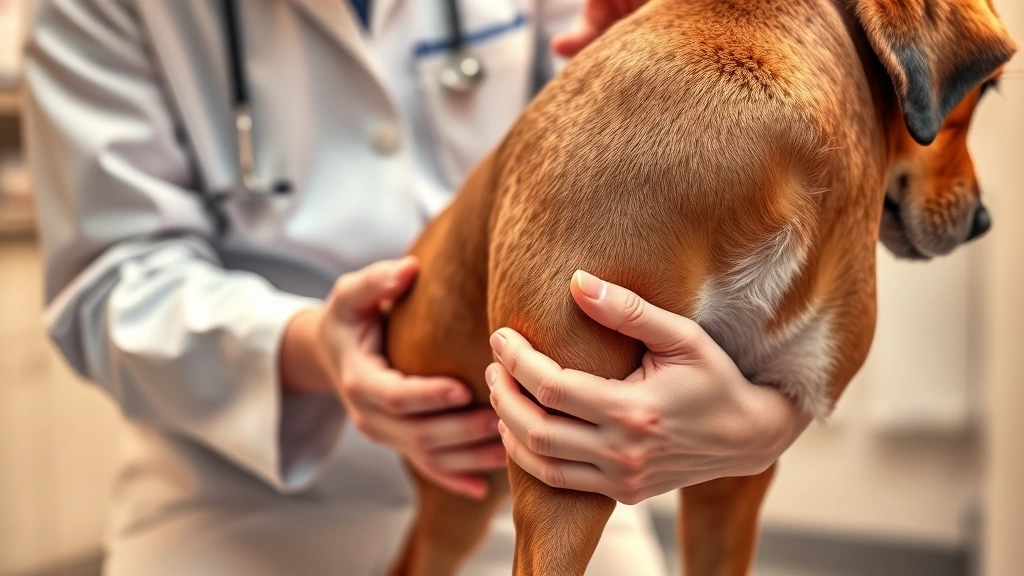
Your veterinarian can perform a physical examination, assess your dog’s gait, and—if necessary—order imaging like X-rays to rule out fractures, ligament injuries, or degenerative joint disease. This professional evaluation is crucial for accurate diagnosis and appropriate treatment planning.
Relief Strategies and Management Options
If your dog is experiencing joint discomfort after vaccination, several evidence-based approaches can help:
Rest and Activity Modification
Gentle rest is often the first step. Limit high-impact activities like jumping, running, or playing fetch for a few days. Short, slow-paced walks on soft surfaces (grass rather than pavement) can maintain gentle movement without stressing sore joints.
Comfort Measures at Home
- Orthopedic bedding – Supportive dog beds reduce pressure on joints during rest
- Temperature therapy – Warm compresses can ease stiffness; discuss with your vet before using heat or ice
- Elevated food and water bowls – Reduces strain on the neck and front limbs
- Ramps or steps – Help your dog access furniture or vehicles without jumping
- Gentle massage – Light, slow strokes can improve circulation and ease tension
Nutritional Support
Joint-supporting supplements like glucosamine, chondroitin, and omega-3 fatty acids may help reduce inflammation and support cartilage health. Always discuss supplements with your veterinarian before starting, as some interact with medications or may not be appropriate for your dog’s specific situation.
Professional Veterinary Care
Your veterinarian may recommend anti-inflammatory medications, pain management strategies, or physical therapy depending on your dog’s symptoms and underlying health. Some dogs benefit from acupuncture, laser therapy, or rehabilitation exercises designed to strengthen muscles around the joints.
When to Seek Veterinary Care Immediately
Most post-vaccination joint issues are mild and self-limiting. However, seek urgent veterinary attention if your dog experiences:
- Severe lameness or inability to bear weight on a leg
- Extreme swelling or heat in a joint
- Signs of systemic illness (fever, vomiting, loss of appetite)
- Difficulty breathing or other respiratory symptoms
- Collapse or extreme lethargy
- Symptoms that worsen rapidly or don’t improve within a week
Catching serious complications early puts your dog in the best position for recovery. If you are unsure whether your pet needs urgent care, a quick telehealth check-in can give you peace of mind — no appointment needed.
Vaccination Safety and Moving Forward
It’s important to remember that vaccines save lives. The vast majority of dogs tolerate vaccinations extremely well, and serious adverse events are rare. If your dog has experienced joint issues after a previous vaccine, your veterinarian can help you weigh the benefits and risks of future immunizations and may recommend modified vaccination schedules or protocols.
Never skip vaccinations without professional guidance. Instead, work with your vet to find an approach that protects your dog while minimizing risk. Some veterinarians recommend spacing vaccines out, avoiding unnecessary boosters, or timing vaccinations when your dog is in optimal health.
For more information on post-vaccination concerns, explore our guides on dog cancer after vaccination and dog heart disease after vaccination to understand the full spectrum of potential vaccine-related health changes.
Long-Term Joint Health for Your Dog
Whether or not your dog has experienced post-vaccination arthritis, supporting joint health throughout their life is a smart investment. Maintain a healthy weight, provide regular (but not excessive) exercise, and ensure your dog gets quality nutrition with joint-supporting ingredients.
Senior dogs especially benefit from proactive joint care. Regular veterinary check-ups allow early detection of arthritis or other degenerative conditions. The sooner you address joint problems, the more effectively you can manage them and keep your dog comfortable and active.
Frequently Asked Questions
Can vaccines cause permanent arthritis in dogs?
While post-vaccination joint inflammation is usually temporary, some dogs may develop or have pre-existing arthritis that becomes noticeable around the time of vaccination. Your veterinarian can help determine whether the vaccine triggered the issue or simply coincided with it.
How long does post-vaccination arthritis last?
Most cases resolve within days to a couple of weeks. If symptoms persist beyond three weeks or worsen, follow up with your veterinarian to explore other underlying causes.
Should I avoid future vaccinations if my dog had joint issues?
Not necessarily. Discuss your dog’s specific situation with your veterinarian. They may recommend alternative scheduling, modified protocols, or pre-treatment strategies to minimize risk while keeping your dog protected.
What’s the difference between post-vaccination soreness and serious arthritis?
Post-vaccination soreness is usually mild, improves with rest, and resolves quickly. Serious arthritis involves persistent lameness, significant swelling, or progressive worsening over time. Your vet can distinguish between the two through examination and imaging.
Are certain dog breeds more prone to post-vaccination joint issues?
Large and giant breeds, and breeds with genetic predisposition to joint disease (like German Shepherds and Labs), may be at slightly higher risk. Discuss your dog’s breed-specific concerns with your veterinarian.
Summary: Taking Action for Your Dog’s Joint Health
Post-vaccination arthritis in dogs is a real concern for many pet owners, but it’s also manageable with prompt recognition and appropriate care. By staying alert to early signs, maintaining open communication with your veterinarian, and supporting your dog’s joint health through rest, comfort measures, and targeted interventions, you can help your dog feel better and stay active.
Remember: the goal is to balance vaccine protection with your dog’s overall well-being. Your veterinarian is your best partner in this journey, offering personalized guidance based on your dog’s unique health history and needs.
What To Do Now
- Schedule a veterinary appointment – If your dog is showing signs of joint discomfort after vaccination, book a check-up to rule out other causes and get professional guidance on pain management.
- Document your observations – Note when symptoms started, which joints seem affected, and how your dog’s activity level has changed. This information helps your vet make an accurate assessment.
- Implement comfort measures at home – Start with rest, supportive bedding, and gentle movement to ease discomfort while you await professional evaluation.
- Discuss vaccination protocols with your vet – If your dog had a reaction, talk about modified scheduling, spacing vaccines, or alternative approaches for future immunizations.
- Explore joint-supporting options – Ask your veterinarian about supplements, physical therapy, or other evidence-based strategies to support long-term joint health.