
If your dog is moving slower than usual, struggling to climb stairs, or wincing when they jump, you might be wondering if a dog arthritis best diet could make a real difference. The good news? What you feed your pup plays a surprisingly powerful role in managing joint pain and keeping those joints moving smoothly.
Table of Contents
- Understanding Canine Arthritis and Nutrition’s Role
- The Best Foods for Dogs with Arthritis
- Key Nutrients Your Arthritic Dog Needs
- Weight Management: The Silent Game-Changer
- Foods to Avoid or Limit
- Creating a Balanced Arthritis Diet Plan
- Supplements That Complement Diet
- Transitioning to an Arthritis-Friendly Diet
- When to Seek Professional Guidance
- Real-World Success: What Dog Owners Report
- Summary: Your Action Plan for Arthritis Management
- Frequently Asked Questions
- What To Do Now
This article is for informational purposes only and is not a substitute for professional veterinary advice. Always consult a licensed veterinarian for diagnosis and treatment.
Arthritis is one of the most common conditions affecting dogs, especially as they age. But here’s what many pet owners don’t realize: the right nutrition can genuinely ease inflammation, support cartilage health, and improve your dog’s quality of life. Let’s explore the science-backed foods and nutrients that can help your furry friend feel better.
Understanding Canine Arthritis and Nutrition’s Role
Arthritis in dogs happens when the protective cartilage in joints breaks down over time. This leads to inflammation, stiffness, and pain—especially noticeable in the morning or after rest. While you can’t reverse arthritis completely, a thoughtful diet can slow progression and reduce discomfort.
Nutrition works by reducing inflammation at the cellular level, supporting joint structure, and maintaining a healthy weight (which takes pressure off those aching joints). When combined with other management strategies, the right diet becomes one of your most powerful tools.
Catching joint issues early and starting dietary support puts you in a great position to help your dog stay active and comfortable for years to come.
The Best Foods for Dogs with Arthritis
Before we dive into specific foods, remember that every dog is unique. What works wonderfully for one pup might need tweaking for another. That’s why working with your vet to create a personalized plan is so important.
1. Fatty Fish (Salmon, Sardines, Mackerel)
Fatty fish are nutritional superstars for arthritic dogs. They’re loaded with omega-3 fatty acids, which actively reduce joint inflammation and support cartilage health.
- Salmon is gentle on digestion and rich in EPA and DHA
- Sardines offer concentrated omega-3s and are often more affordable
- Mackerel provides similar benefits but should be given in moderation
You can add small amounts of cooked, boneless fish to your dog’s regular meals or offer it as an occasional treat. Many dogs find it irresistible, which makes it easy to incorporate into their routine.
2. Bone Broth (Low-Sodium)
Bone broth has become trendy for good reason—it contains collagen, gelatin, and amino acids that support joint structure. The slow-simmered connective tissue in bone broth may help rebuild cartilage over time.
Look for low-sodium versions or make your own by simmering bones for 12-24 hours. You can pour it over kibble or serve it as a warm snack. Many arthritic dogs show improved mobility after consistent bone broth supplementation.
3. Leafy Greens (Spinach, Kale, Parsley)
Leafy greens are packed with antioxidants and anti-inflammatory compounds. They help neutralize free radicals that contribute to joint damage and aging.
- Spinach contains lutein and zeaxanthin, powerful antioxidants
- Kale offers vitamins K and C for joint support
- Parsley freshens breath while providing anti-inflammatory benefits
Chop them finely and mix into meals. Most dogs tolerate them well, though some may need a gradual introduction to avoid digestive upset.
4. Sweet Potatoes
Sweet potatoes are nutrient-dense and contain compounds that reduce inflammation naturally. They’re also excellent for maintaining healthy weight, which takes stress off arthritic joints.
Serve them cooked and mashed, mixed into regular meals. They’re naturally sweet, so most dogs enjoy them without hesitation. The fiber content also supports digestive health.
5. Turmeric and Ginger
These golden spices have been used for centuries to combat inflammation. Curcumin in turmeric and gingerol in ginger both show promise in reducing arthritis pain and improving joint function.
Add small pinches to food—a quarter teaspoon for small dogs, up to a teaspoon for large breeds. Always check with your vet first, as turmeric can interact with certain medications and blood thinners.
6. Eggs
Eggs are complete proteins containing all essential amino acids needed to maintain muscle mass around arthritic joints. Strong muscles provide better support and stability.
Serve them cooked (scrambled or boiled) a few times weekly. The yolk contains choline, which supports brain health—a bonus for senior dogs managing chronic pain.
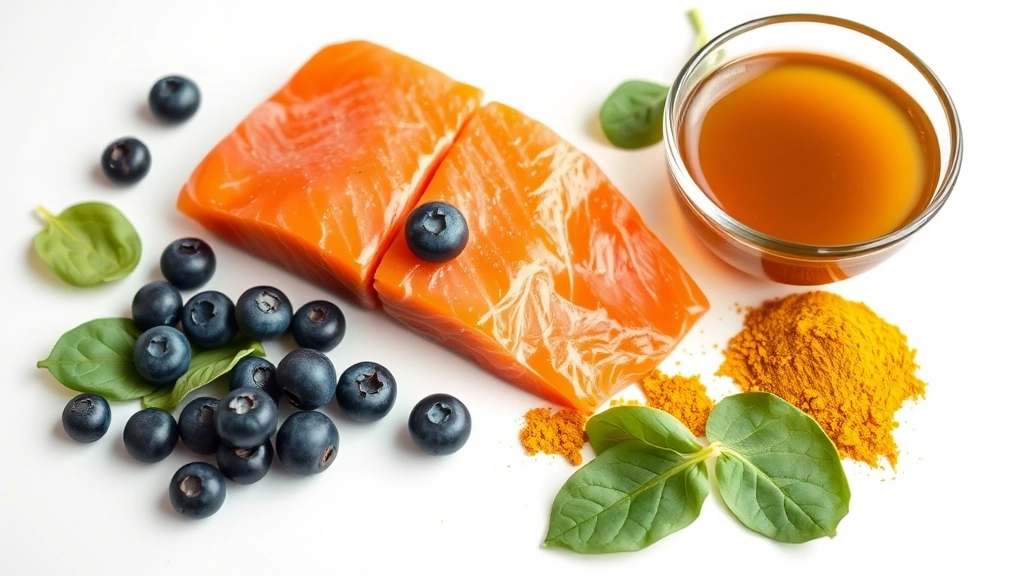
7. Blueberries and Raspberries
Berries are nature’s anti-inflammatory powerhouses. They contain anthocyanins and resveratrol, compounds that actively fight inflammation and support joint health.
Offer them fresh or frozen as treats. A small handful several times weekly provides measurable benefits. Many dogs love the texture of frozen berries on warm days.
Key Nutrients Your Arthritic Dog Needs
Beyond specific foods, certain nutrients deserve spotlight status when managing canine arthritis.
Omega-3 Fatty Acids: These reduce inflammatory markers in the bloodstream. Aim for a balanced omega-3 to omega-6 ratio in your dog’s diet.
Glucosamine and Chondroitin: These building blocks support cartilage structure and may slow degeneration. Many quality dog foods include them.
Antioxidants: Vitamins C and E protect joint cells from oxidative stress. They’re found in colorful vegetables and some meats.
Protein: High-quality protein maintains muscle mass, which stabilizes joints and improves mobility. Look for named meat sources as primary ingredients.
Weight Management: The Silent Game-Changer
Here’s a truth that often gets overlooked: maintaining a healthy weight might be the single most impactful dietary change you can make. Every extra pound puts additional stress on arthritic joints.
If your dog is overweight, work with your vet to develop a gradual weight loss plan. Even a 10% reduction in body weight can significantly improve mobility and reduce pain. This isn’t about restriction—it’s about strategic, nutritious feeding.
Measure portions carefully, limit high-calorie treats, and consider lower-calorie vegetables as fillers. Your dog’s comfort depends partly on this fundamental adjustment.
Foods to Avoid or Limit
Just as important as knowing what to feed is knowing what to avoid. Some foods actively promote inflammation or contribute to weight gain.
- High-fat treats: Contribute to weight gain and inflammation
- Processed foods: Often contain inflammatory oils and additives
- Excessive carbohydrates: Can lead to weight gain and blood sugar spikes
- Foods high in omega-6: Promote inflammation when out of balance with omega-3s
- Artificial additives: May trigger inflammatory responses in sensitive dogs
Reading ingredient labels carefully helps you make informed choices. Your vet can recommend specific brands that align with your dog’s arthritis management plan.
Creating a Balanced Arthritis Diet Plan
The best dog arthritis best diet combines high-quality commercial food with strategic whole-food additions. Here’s how to structure it:
- Start with a premium dog food formulated for joint health (ask your vet for recommendations)
- Add omega-3 sources like fish oil or fatty fish 2-3 times weekly
- Include colorful vegetables and berries as 10-15% of daily calories
- Incorporate bone broth or collagen supplements as directed by your vet
- Monitor weight closely and adjust portions as needed
Consistency matters more than perfection. Small, sustained dietary improvements compound into noticeable mobility gains over weeks and months.
Supplements That Complement Diet
While whole foods are primary, certain supplements amplify the benefits. Fish oil supplements provide concentrated omega-3s, while glucosamine and chondroitin products specifically target joint structure.
Green-lipped mussel and MSM (methylsulfonylmethane) show promise in research studies. Hyaluronic acid supports joint lubrication. Always discuss supplements with your vet before starting, as some interact with medications or may not suit your individual dog.
Think of supplements as supporting players to a strong dietary foundation, not replacements for quality food.
Transitioning to an Arthritis-Friendly Diet
Change your dog’s diet gradually over 7-10 days to avoid digestive upset. Mix increasing amounts of new foods with their current diet, slowly shifting the ratio.

Watch for signs of improved mobility—your dog might climb stairs more eagerly, play with renewed enthusiasm, or show less stiffness in the morning. These improvements often appear within 2-4 weeks of consistent dietary changes.
If your dog experiences digestive issues, slow the transition further or adjust food choices. Every dog’s digestive system responds differently to dietary shifts.
When to Seek Professional Guidance
Your veterinarian is your partner in managing your dog’s arthritis through diet. If you’re unsure whether your pet needs urgent care or want to discuss dietary options, a quick telehealth check-in can give you peace of mind—no appointment needed.
Reach out to ask a dog vet online if you notice:
- Significant changes in mobility or pain levels
- Loss of appetite or digestive issues after dietary changes
- Uncertainty about portion sizes or supplement dosages
- Questions about whether your dog’s symptoms align with arthritis
Professional guidance ensures your dietary approach complements other treatments and addresses your dog’s specific needs. Learn more about dog arthritis causes to better understand what you’re managing.
Real-World Success: What Dog Owners Report
Many pet owners notice remarkable changes when they commit to dietary management. Dogs that struggled with stairs start climbing them confidently. Pups that limped now play fetch again. Morning stiffness decreases, and overall energy improves.
These changes don’t happen overnight, but they’re real and measurable. The investment in quality nutrition pays dividends in your dog’s quality of life and your peace of mind.
One common theme: owners wish they’d started dietary management earlier. If your dog shows signs of joint issues, now is the perfect time to begin.
Summary: Your Action Plan for Arthritis Management
Managing your dog’s arthritis through diet is one of the most empowering steps you can take. A dog arthritis best diet focuses on anti-inflammatory whole foods, maintains healthy weight, and provides joint-supporting nutrients.
The seven foods we’ve covered—fatty fish, bone broth, leafy greens, sweet potatoes, turmeric and ginger, eggs, and berries—form the foundation of an arthritis-friendly nutrition plan. Combined with weight management and strategic supplementation, they genuinely improve mobility and reduce pain.
Your dog’s comfort and happiness depend partly on the choices you make at the food bowl. You’ve got this, and your pup is lucky to have someone caring enough to explore these options.
Frequently Asked Questions
How long does it take to see results from dietary changes?
Most dogs show noticeable improvements in mobility and pain levels within 2-4 weeks of consistent dietary changes. Some take 6-8 weeks, so patience is important.
Can diet alone cure my dog’s arthritis?
Diet can significantly manage symptoms and slow progression, but it cannot cure arthritis. It works best combined with exercise, weight management, and sometimes medications recommended by your vet.
Is prescription dog food better than home-prepared meals?
Quality prescription diets are formulated for arthritis management, but home-prepared meals with whole foods can be equally effective when properly balanced. Discuss options with your veterinarian.
Can I give my dog fish oil supplements daily?
Fish oil can be given daily, but dosage depends on your dog’s size and health status. Always consult your vet before starting supplements, as some interact with medications.
What if my dog won’t eat the recommended foods?
Start with small amounts mixed into foods your dog already enjoys. Some dogs need time to accept new flavors. If your dog consistently refuses arthritis-friendly foods, work with your vet to find acceptable alternatives.
What To Do Now
- Schedule a vet consultation to discuss your dog’s current diet and get personalized recommendations for their specific arthritis stage and health profile
- Choose 2-3 of the seven recommended foods from this article that match your dog’s taste preferences and start incorporating them gradually into meals
- Assess your dog’s current weight with your vet and create a weight management plan if needed, as this is often the highest-impact dietary change
- Research quality dog foods formulated for joint health and compare ingredient lists to find options that include omega-3s, glucosamine, and named meat sources
- Track your dog’s mobility improvements over the next 4-6 weeks—note changes in stair climbing, play behavior, and morning stiffness to measure your dietary plan’s effectiveness