
Discovering that your young dog has dog arthritis in young pets can feel like a shock—many pet owners assume arthritis only happens to senior dogs. But the truth is, arthritis can develop in younger dogs due to genetics, breed predisposition, injury, or developmental joint conditions. The good news? Catching it early and understanding your medication options puts you in a powerful position to keep your pup active, comfortable, and happy for years to come.
Table of Contents
- Why Young Dogs Develop Arthritis
- Common Signs of Arthritis in Young Dogs
- How Vets Diagnose Arthritis in Young Dogs
- Medication Options for Young Dogs With Arthritis
- The Role of Weight Management in Young Dogs
- Physical Therapy and Exercise Modifications
- Environmental Adjustments for Comfort
- Understanding the stages of dog arthritis
- Long-Term Outlook for Young Dogs With Arthritis
- When to Seek Additional Veterinary Support
- Frequently Asked Questions
- What To Do Now
- Summary
This article is for informational purposes only and is not a substitute for professional veterinary advice. Always consult a licensed veterinarian for diagnosis and treatment.
Why Young Dogs Develop Arthritis
You might wonder: how can a young dog have arthritis? The reality is that several factors can trigger joint problems in puppies and young adults. Large and giant breeds like German Shepherds, Golden Retrievers, and Labs are genetically predisposed to conditions like hip dysplasia, which can lead to early-onset arthritis.
Injuries from play, accidents, or sports activities can also accelerate cartilage wear. Additionally, developmental orthopedic diseases—conditions that affect growing bones and joints—may set the stage for arthritis before your dog reaches adulthood. Environmental factors like obesity, poor nutrition, and repetitive stress can speed up joint degeneration.
The encouraging part? Early intervention makes a real difference in slowing progression and maintaining your dog’s quality of life.
Common Signs of Arthritis in Young Dogs
Spotting arthritis early requires knowing what to watch for. Young dogs with arthritis often show subtle signs that pet owners might miss at first.
- Limping or favoring a leg after activity or first thing in the morning
- Reluctance to jump, climb stairs, or play as enthusiastically as before
- Stiffness that improves slightly with movement
- Swelling around the joints
- Behavioral changes like irritability or reluctance to be touched
- Difficulty rising from sleep or rest
- Reduced range of motion in affected joints
If you’re noticing any of these signs, your young dog may be experiencing joint discomfort. Catching this early puts you in a great position to help—your vet can recommend the right treatment plan before significant damage occurs.
How Vets Diagnose Arthritis in Young Dogs
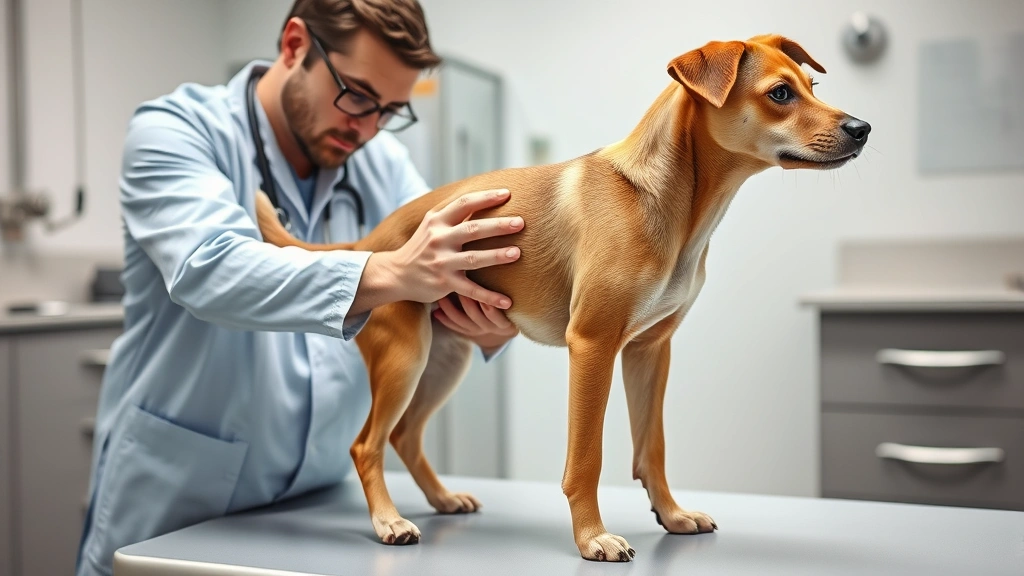
Your veterinarian will start with a physical examination, checking your dog’s gait, joint mobility, and pain response. They’ll ask detailed questions about when symptoms started and what activities trigger limping or stiffness.
X-rays are the gold standard for confirming arthritis, showing bone changes and cartilage loss. In some cases, your vet may recommend advanced imaging like ultrasound or CT scans to assess soft tissue damage. Blood tests can also rule out other conditions and check your dog’s overall health before starting treatment.
If you’re unsure whether your pet needs urgent care or a full workup, a quick telehealth check-in can give you peace of mind—no appointment needed.
Medication Options for Young Dogs With Arthritis
Managing dog arthritis in young pets typically involves a combination of medications and lifestyle adjustments. Your vet will tailor recommendations based on your dog’s age, severity of arthritis, and overall health.
NSAIDs (Nonsteroidal Anti-Inflammatory Drugs)
NSAIDs are often the first-line treatment for arthritis pain and inflammation. These medications reduce swelling and discomfort, allowing your dog to move more freely and maintain activity levels. Common options prescribed by vets include carprofen, meloxicam, and firocoxib.
Your vet will monitor your dog’s kidney and liver function with regular bloodwork, as NSAIDs can affect these organs with long-term use. It’s important to give NSAIDs exactly as prescribed and never adjust doses without veterinary guidance.
Joint Supplements and Nutraceuticals
Glucosamine, chondroitin, and omega-3 fatty acids support cartilage health and may slow arthritis progression. These supplements work best when started early and given consistently over time. Many vets recommend them alongside NSAIDs for enhanced joint support.
Fish oil supplements are particularly valuable for their anti-inflammatory properties. Green-lipped mussel and turmeric-based products are also gaining recognition in veterinary medicine for joint health support.
Injectable Therapies
Polysulfated glycosaminoglycan (PSGAG) injections and stem cell therapy represent newer treatment options for young dogs with arthritis. These therapies may help regenerate cartilage and reduce inflammation more effectively than oral medications alone.
Your veterinarian can discuss whether injectable options might benefit your specific situation and what timeline to expect for improvement.
The Role of Weight Management in Young Dogs
Extra weight puts tremendous stress on arthritic joints, accelerating degeneration. If your young dog is overweight, weight loss should be a priority in your arthritis management plan.
Work with your vet to establish a healthy weight and create a sustainable nutrition plan. Even a 5-10% reduction in body weight can significantly improve mobility and reduce pain. High-quality, protein-rich diets support muscle maintenance while promoting healthy weight loss.
Avoid high-calorie treats and table scraps. Instead, offer low-calorie vegetables like carrots or green beans as rewards during training.
Physical Therapy and Exercise Modifications
Exercise is crucial for arthritic dogs, but the type and intensity matter tremendously. High-impact activities like jumping, running on hard surfaces, and repetitive fetch can worsen joint damage in young dogs with arthritis.
Instead, focus on:
- Low-impact swimming or hydrotherapy (excellent for joint health)
- Controlled leash walks on soft surfaces
- Gentle stretching and range-of-motion exercises
- Short, frequent activity sessions rather than long exhausting play
- Puzzle toys and mental stimulation to keep your dog engaged without physical strain
Physical therapy from a certified canine rehabilitation therapist can be transformative. Therapeutic exercises strengthen muscles around affected joints, improving stability and reducing pain.
Environmental Adjustments for Comfort
Simple home modifications can make a huge difference in your young dog’s comfort level. Orthopedic beds provide cushioning and support for arthritic joints, especially important for dogs who spend hours resting.
Consider these adjustments:
- Ramps or stairs to help your dog access furniture or vehicles without jumping
- Non-slip rugs on hardwood or tile floors for better traction
- Raised food and water bowls to reduce neck and spine strain
- A warm, quiet sleeping area away from high-traffic zones
- Heated beds during cold months to ease stiffness
These changes cost little but provide meaningful relief and help your dog maintain independence.
Understanding the stages of dog arthritis
Arthritis progresses through stages, and understanding where your young dog falls helps set realistic expectations. Early-stage arthritis may show minimal symptoms and respond well to conservative treatment. As arthritis advances, you may need to adjust medications or add complementary therapies.
Regular veterinary monitoring allows your vet to catch progression early and modify the treatment plan accordingly. This proactive approach helps preserve your dog’s quality of life as they age.
Long-Term Outlook for Young Dogs With Arthritis
A diagnosis of arthritis in a young dog isn’t a death sentence for their active lifestyle. With proper management, many young dogs continue enjoying walks, play, and normal activities well into their senior years.

The key is consistency: stick to medication schedules, maintain healthy weight, provide appropriate exercise, and keep regular vet appointments. Many pet owners find that their young dog’s arthritis stabilizes with treatment, preventing further deterioration.
Your commitment to early intervention means your dog has the best chance at a long, comfortable, and joyful life.
When to Seek Additional Veterinary Support
If your young dog’s arthritis isn’t responding to current treatment, or if symptoms worsen despite medication, it’s time to revisit your vet. Sometimes adjusting medication types or doses makes a significant difference.
Additionally, if your dog develops signs of other health issues—like the heart disease that can accompany certain breeds—comprehensive care becomes even more important. Your vet can help coordinate treatment for multiple conditions.
If you’re managing your dog’s arthritis at home and want professional guidance between appointments, telehealth consultations offer convenient access to veterinary expertise.
Frequently Asked Questions
Can young dogs really get arthritis?
Yes, young dogs can develop arthritis due to genetics, breed predisposition, injuries, or developmental joint conditions. Large breeds and those with hip dysplasia are especially susceptible.
What’s the best medication for young dogs with arthritis?
The best medication depends on your individual dog’s needs. NSAIDs are commonly used first, but your vet may recommend supplements, injectable therapies, or combinations of treatments for optimal results.
Will arthritis in my young dog get worse?
Arthritis typically progresses over time, but proper management—including medication, weight control, and exercise modification—can slow progression and maintain quality of life significantly.
Is surgery ever needed for young dogs with arthritis?
Surgery may be recommended for certain conditions causing arthritis, like severe hip dysplasia. Your vet will discuss whether surgical options could benefit your dog’s specific situation.
How much will arthritis treatment cost?
Costs vary based on medications chosen, diagnostic imaging, and ongoing monitoring. Discuss pricing and payment options with your vet to find a plan that works for your budget.
What To Do Now
- Schedule a veterinary appointment to discuss your dog’s symptoms and get a professional evaluation. Bring notes about when you first noticed limping or stiffness.
- Ask your vet about medication options and create a written treatment plan that includes medication schedules, supplements, exercise guidelines, and monitoring frequency.
- Assess your home environment and make adjustments like adding ramps, orthopedic beds, and non-slip rugs to reduce joint stress.
- Evaluate your dog’s weight and discuss a nutrition plan with your vet if weight loss is needed to reduce strain on arthritic joints.
- Keep a symptom journal tracking your dog’s mobility, pain signs, and response to treatment—this information helps your vet fine-tune the management plan.
Summary
Dog arthritis in young pets is more common than many owners realize, but early detection and comprehensive management make a tremendous difference. Whether your young dog is showing early signs of stiffness or has received a recent arthritis diagnosis, you have effective options available.
From NSAIDs and supplements to physical therapy and environmental modifications, a multi-faceted approach addresses pain, slows progression, and maintains your dog’s quality of life. Work closely with your veterinarian to monitor your dog’s condition and adjust treatment as needed.
Your young dog’s arthritis doesn’t define their future—your proactive care does. With the right support, your pup can continue enjoying the activities and adventures you both love for many years ahead.