
Watching your dog move slowly or struggle to get up in the morning can break your heart—and it often signals that dog arthritis symptoms may be developing. Arthritis is one of the most common conditions affecting senior dogs, but the good news is that catching it early gives you the chance to help your pup stay comfortable and active for years to come.
Table of Contents
- Understanding Canine Arthritis: What’s Really Happening
- Sign #1: Limping or Favoring One Leg
- Sign #2: Difficulty Rising or Getting Comfortable
- Sign #3: Reduced Activity and Reluctance to Exercise
- Sign #4: Swelling or Heat Around the Joints
- Sign #5: Behavioral Changes and Irritability
- Sign #6: Stiffness, Especially in Cold or Damp Weather
- Sign #7: Licking or Chewing at Joints
- Why Early Detection Matters for Your Dog
- What To Do Now
- Frequently Asked Questions
- Summary: Taking Action on Dog Arthritis Symptoms
This article is for informational purposes only and is not a substitute for professional veterinary advice. Always consult a licensed veterinarian for diagnosis and treatment.
Understanding Canine Arthritis: What’s Really Happening
Arthritis in dogs occurs when the cartilage that cushions the joints breaks down over time. This causes inflammation, pain, and reduced mobility. Unlike a sudden injury, arthritis develops gradually—which is why many pet owners miss the early signs.
The condition affects dogs of all ages, though senior dogs and larger breeds are at higher risk. Early detection and management can significantly improve your dog’s quality of life and slow the progression of joint damage.
Sign #1: Limping or Favoring One Leg
One of the first dog arthritis symptoms pet owners notice is a noticeable limp, especially after rest or during cold weather. Your dog might favor one back leg or front leg, or shift weight away from the painful joint.
This limping may come and go, appearing worse in the morning or after exercise. Catching this early puts you in a great position to help. If you notice persistent limping lasting more than a few days, it’s worth a conversation with your vet. Many conditions can cause limping—from simple sprains to more serious issues like intervertebral disc disease—so professional evaluation is important.
Sign #2: Difficulty Rising or Getting Comfortable
Does your dog struggle to stand up after napping? Do they take several attempts to get comfortable on their bed? These are classic early arthritis indicators.
You might see your pup:
- Taking longer to rise from a lying position
- Shifting weight repeatedly before settling down
- Reluctance to jump on furniture they once loved
- Needing help getting into the car
This stiffness typically worsens after periods of inactivity, which is why morning struggles are so common. Your dog’s joints are essentially “warming up” as they move, which temporarily improves mobility.
Sign #3: Reduced Activity and Reluctance to Exercise
A dog with arthritis often becomes less enthusiastic about walks, playtime, or activities they once enjoyed. You might notice your previously energetic companion tiring more quickly or avoiding stairs and jumping.
This isn’t laziness—it’s pain avoidance. Your dog has learned that certain movements cause discomfort, so they naturally restrict their activity. The challenge is that reduced exercise can actually accelerate joint deterioration, creating a difficult cycle. Your vet can help you develop a gentle exercise plan that keeps joints mobile without causing pain.
Sign #4: Swelling or Heat Around the Joints
Run your hands along your dog’s legs and joints regularly. Swollen or warm joints are often a sign of inflammation related to arthritis. You might notice puffiness around the knees, hips, elbows, or shoulders.
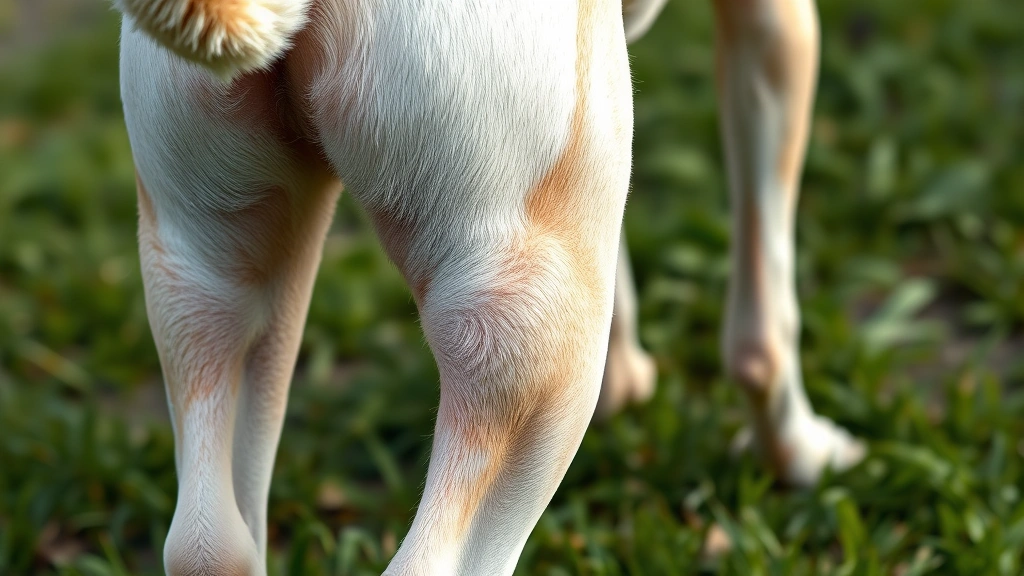
This physical sign often accompanies other symptoms but can sometimes appear on its own. If you notice joint swelling that doesn’t improve within a few days, schedule a vet visit. Your veterinarian can assess whether the swelling is arthritis-related or caused by another condition requiring different treatment.
Sign #5: Behavioral Changes and Irritability
Chronic pain changes behavior. A dog experiencing arthritis discomfort might become grumpy, snap when touched on painful joints, or show less interest in family interactions.
Your normally friendly pup might:
- Yelp or growl when certain areas are touched
- Show reluctance to be petted or handled
- Become withdrawn or anxious
- Display uncharacteristic aggression
These behavioral shifts are your dog’s way of communicating that something hurts. Understanding this helps you respond with compassion rather than frustration. Pain management often improves both physical comfort and emotional well-being.
Sign #6: Stiffness, Especially in Cold or Damp Weather
Many dog owners report that their arthritic pets seem worse on cold, rainy days. While the exact mechanism isn’t fully understood, decreased barometric pressure and temperature changes may affect joint fluid viscosity and inflammation.
You might notice your dog moving more stiffly during winter months or after being outside in cold weather. This seasonal pattern is so common that it’s considered a reliable arthritis indicator. Keeping your dog warm and dry during chilly weather can help minimize these flare-ups.
Sign #7: Licking or Chewing at Joints
Dogs often lick painful areas as a self-soothing mechanism. If your dog obsessively licks their legs, knees, or other joints, arthritis pain could be the culprit. This excessive licking can lead to secondary skin issues if not addressed.
This behavior is different from occasional grooming. You’re looking for repetitive, focused licking that seems compulsive. Catching this sign early prevents both the joint damage from progressing and the skin problems that can develop from constant licking. Your vet can help address the underlying pain, which usually stops the licking behavior naturally.
Why Early Detection Matters for Your Dog
The earlier you identify dog arthritis symptoms, the more treatment options are available to you. Early intervention can slow disease progression, reduce pain, and maintain your dog’s quality of life.
Your veterinarian might recommend a combination of approaches including weight management, appropriate exercise, environmental modifications, and other supportive care. Some dogs benefit from additional interventions that your vet can discuss with you. The goal is keeping your dog comfortable and mobile for as long as possible.
What To Do Now
If you’ve noticed any of these dog arthritis symptoms in your pup, here are your next steps:

- Schedule a veterinary examination: Your vet can perform a physical exam and may recommend X-rays to assess joint damage and confirm arthritis.
- Document your observations: Note which symptoms you’ve seen, when they occur, and how they’ve progressed. This information helps your vet tremendously.
- Consider a telehealth consultation: If you’re unsure whether your pet needs urgent care, a quick telehealth check-in with The Pet Vet can give you peace of mind—no appointment needed. You can describe symptoms and get professional guidance on next steps.
- Evaluate your home environment: Look for ways to make movement easier—ramps for furniture, orthopedic bedding, and non-slip flooring all help arthritic dogs.
- Discuss pain management options: Your vet can explore various approaches to keep your dog comfortable while maintaining quality of life.
Frequently Asked Questions
At what age do dogs typically develop arthritis?
While arthritis can affect dogs of any age, it’s most common in senior dogs (7+ years). However, larger breeds and dogs with previous joint injuries may develop symptoms earlier.
Is dog arthritis curable?
Unfortunately, arthritis cannot be cured, but it can be effectively managed. Early intervention and proper care can slow progression and keep your dog comfortable and active.
Can young dogs get arthritis?
Yes, young dogs can develop arthritis, especially large breeds predisposed to hip dysplasia or those with previous joint injuries. If your young dog shows limping or stiffness, professional evaluation is important.
How is dog arthritis diagnosed?
Your veterinarian will perform a physical examination and typically recommend X-rays to visualize joint damage and confirm arthritis diagnosis.
Can I prevent arthritis in my dog?
While you can’t guarantee prevention, maintaining healthy weight, providing appropriate exercise, avoiding excessive jumping, and addressing joint injuries promptly can reduce arthritis risk.
Summary: Taking Action on Dog Arthritis Symptoms
Dog arthritis symptoms develop gradually, which is why awareness matters so much. Limping, difficulty rising, reduced activity, joint swelling, behavioral changes, weather-related stiffness, and excessive licking are all important signals that your pup needs attention.
The encouraging news? Catching arthritis early opens doors to effective management strategies that keep your dog comfortable and happy. Your veterinarian is your best partner in this journey, helping you develop a personalized care plan.
If you’ve noticed any of these symptoms in your dog, don’t wait. Whether you schedule a traditional vet visit or start with a conversation about your dog’s symptoms, taking action now sets your pup up for the best possible outcome. Your dog depends on you to notice these signs—and you’ve already taken the first step by reading this article.
Remember, arthritis doesn’t have to mean the end of your dog’s active life. With proper management and veterinary support, many arthritic dogs continue to enjoy their favorite activities, albeit at a gentler pace. Your dog’s comfort and happiness are worth the effort.