
Learning that your dog has cancer can feel like the world has stopped. The first question most pet parents ask is: what’s the dog cancer recovery time, and what can I actually do to help? The truth is that recovery timelines vary widely depending on the cancer type, stage at diagnosis, and your dog’s overall health—but there are absolutely concrete steps you can take right now to support their healing journey.
Table of Contents
- Understanding Dog Cancer Recovery Time: What the Timeline Really Looks Like
- The Role of Early Detection in Speeding Recovery
- Nutrition: Fueling Your Dog’s Healing Process
- Managing Side Effects to Keep Recovery on Track
- The Importance of Monitoring and Adjustment
- Supporting Emotional and Physical Comfort During Recovery
- When to Expect Remission and What It Means
- Comparing Recovery Across Different Cancer Types
- The Role of Quality of Life in Recovery Success
- Lifestyle Modifications That Speed Healing
- Working With Your Veterinarian: The Partnership Approach
- Summary: Your Dog’s Recovery Timeline and Next Steps
- Frequently Asked Questions
- What To Do Now
This article is for informational purposes only and is not a substitute for professional veterinary advice. Always consult a licensed veterinarian for diagnosis and treatment.
The good news? Many dogs respond remarkably well to treatment when caught early, and with the right support system in place, you can genuinely improve their quality of life and potentially extend their time with you. Let’s explore what the research shows and what you can do starting today.
Understanding Dog Cancer Recovery Time: What the Timeline Really Looks Like
Dog cancer recovery time isn’t a one-size-fits-all answer. A dog treated for early-stage lymphoma might see remission within weeks, while a dog with advanced hemangiosarcoma might have a different trajectory altogether. The recovery period depends on multiple factors working together.
Some dogs undergoing chemotherapy see visible improvement within 2-4 weeks. Others may take 8-12 weeks to show significant progress. Surgical recovery from tumor removal typically spans 2-3 weeks for wound healing, though the broader healing process continues for months. Catching this early puts you in a great position to help.
Your veterinarian will establish a monitoring schedule—usually involving check-ups every 2-4 weeks initially—to track your dog’s response and adjust the treatment plan as needed. This ongoing assessment is crucial because every dog’s body responds differently.
The Role of Early Detection in Speeding Recovery
Early detection genuinely changes the game. Dogs diagnosed with cancer at stage 1 or 2 often have significantly shorter recovery times and better long-term outcomes compared to those diagnosed at later stages. This is why routine veterinary check-ups matter so much.
Be alert to warning signs like unusual lumps, persistent limping, changes in appetite, or unexplained weight loss. If you notice anything off, don’t wait—a quick telehealth check-in with a vet can give you peace of mind and potentially catch something early. Early intervention can reduce overall recovery time by months.
Nutrition: Fueling Your Dog’s Healing Process
What your dog eats directly impacts their ability to recover. Cancer and its treatments can deplete the body of essential nutrients, so strategic nutrition becomes part of the healing protocol. High-quality protein helps rebuild tissue and maintain muscle mass, which is critical during recovery.
Work with your veterinarian to consider:
- High-protein diets that support immune function and tissue repair
- Omega-3 fatty acids, which have anti-inflammatory properties and may support overall health
- Antioxidant-rich foods that help combat cellular stress
- Smaller, more frequent meals if your dog experiences nausea from treatment
- Adequate hydration, especially during chemotherapy
Some pet parents explore dog cancer natural remedies alongside conventional treatment. While these should never replace veterinary care, certain supplements may complement your dog’s recovery plan when approved by your vet.
Managing Side Effects to Keep Recovery on Track
Cancer treatments—particularly chemotherapy and radiation—often come with side effects that can slow recovery if not managed properly. Common side effects include nausea, loss of appetite, lethargy, and digestive upset. The key is addressing these promptly so your dog stays strong.
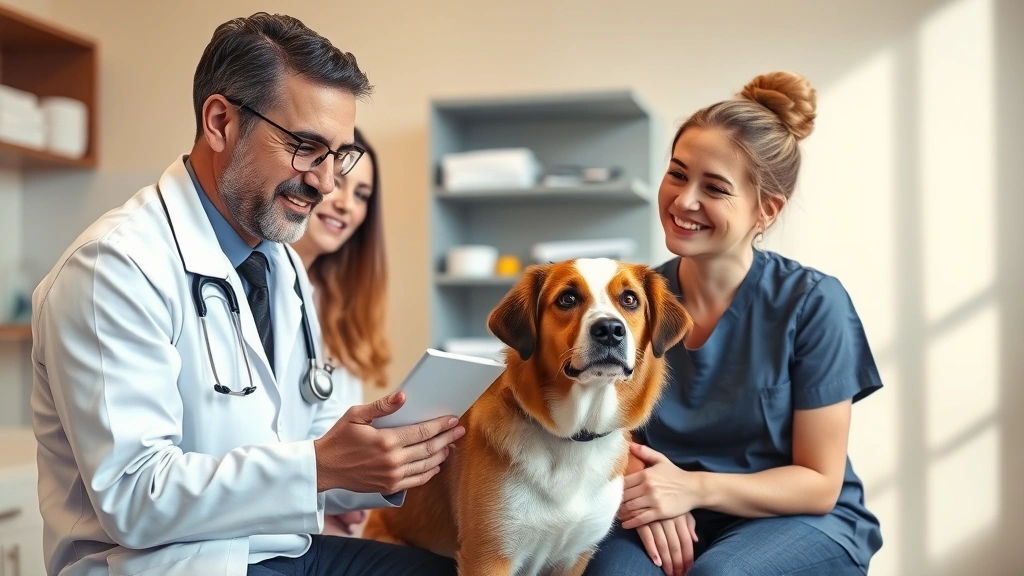
Your veterinarian may recommend:
- Anti-nausea medications to help your dog maintain appetite and nutrition
- Digestive support, especially if your dog is experiencing gastrointestinal sensitivity (similar to managing dog gastrointestinal issues)
- Pain management protocols to keep your dog comfortable and active
- Probiotics to support gut health during treatment
- Gentle exercise modifications to maintain muscle without overexertion
Managing side effects effectively can actually shorten overall recovery time because your dog stays better nourished and more active throughout treatment.
The Importance of Monitoring and Adjustment
Recovery isn’t linear. Some weeks will show improvement, others might feel stalled. This is completely normal. Regular monitoring through bloodwork, imaging, and physical exams helps your veterinarian see what’s working and what needs adjustment.
Keep detailed notes about your dog’s behavior, appetite, energy levels, and any changes you notice. This information is invaluable at each check-up and helps your vet make informed decisions about continuing, modifying, or adjusting treatment. Many dogs require treatment plan adjustments as they progress through recovery.
Supporting Emotional and Physical Comfort During Recovery
Your dog’s emotional state affects their physical recovery. Dogs pick up on our stress and worry, so maintaining calm, positive energy around them genuinely helps. Create a comfortable recovery space—a quiet area with their favorite bed, easy access to water, and minimal stress.
Gentle activities matter too. Short, slow walks (if your dog has energy) can help maintain circulation and muscle tone without causing exhaustion. Many dogs appreciate extra cuddle time and the comfort of routine. These aren’t just nice-to-haves; they’re part of supporting optimal recovery.
When to Expect Remission and What It Means
Remission is the goal—and for many dogs, it’s achievable. Remission means cancer markers are no longer detectable or tumors have significantly shrunk. The timeline to remission varies dramatically: some dogs reach it within 4-8 weeks, others take several months.
It’s important to understand that remission isn’t necessarily a cure. Your dog will likely need ongoing monitoring and possibly maintenance treatments. However, dogs in remission often enjoy excellent quality of life and extended time with their families. Many live months or even years after achieving remission.
Comparing Recovery Across Different Cancer Types
Different cancers have different recovery trajectories. Lymphoma, one of the most common canine cancers, often responds well to chemotherapy with remission rates around 80-90% in early stages. Osteosarcoma (bone cancer) recovery typically involves surgery followed by chemotherapy, with recovery spanning several months.
Hemangiosarcoma, an aggressive cancer of blood vessel cells, has a more guarded prognosis and shorter typical survival times. Mast cell tumors caught early and surgically removed may have excellent long-term outcomes. Your specific dog’s cancer type will significantly influence their recovery timeline and what treatments are recommended.
The Role of Quality of Life in Recovery Success
Here’s something crucial that often gets overlooked: your dog’s quality of life during recovery directly impacts their ability to heal. A dog that’s in pain, constantly nauseous, or too exhausted to enjoy life isn’t recovering optimally—even if tumor markers are improving.

Work with your veterinarian to balance aggressive treatment with your dog’s comfort. Sometimes this means adjusting treatment intensity, spacing out sessions differently, or incorporating comfort-focused approaches. The goal is fighting cancer while preserving the joy your dog experiences each day.
Lifestyle Modifications That Speed Healing
Beyond medical treatment, several lifestyle factors influence recovery speed:
- Stress reduction: Keep your home calm and predictable. Avoid major changes during active treatment.
- Sleep support: Ensure your dog has a comfortable, quiet place to rest. Sleep is when healing happens.
- Weight management: Work with your vet to maintain healthy weight—obesity can complicate recovery.
- Environmental safety: Minimize exposure to toxins and keep your dog’s living space clean.
- Mental stimulation: Gentle puzzle toys and calm interaction keep your dog’s mind engaged without overexertion.
Working With Your Veterinarian: The Partnership Approach
Your veterinarian is your partner in this journey. Open, honest communication about your dog’s response to treatment, your concerns, and your goals is essential. If you’re unsure whether your pet needs urgent care or want to discuss recovery progress between appointments, a quick telehealth check-in can give you peace of mind—no appointment needed.
Virtual vet appointments can be particularly helpful for monitoring questions, side effect management discussions, and follow-up conversations. Regular communication helps catch any complications early and keeps your dog’s recovery on the best possible track.
Summary: Your Dog’s Recovery Timeline and Next Steps
Dog cancer recovery time varies significantly based on cancer type, stage, treatment approach, and individual factors—but with proactive care, many dogs achieve remission and enjoy extended quality time. Early detection dramatically improves outcomes, and comprehensive support including nutrition, side effect management, and emotional care accelerates healing.
Recovery isn’t just about medical treatment; it’s about creating an environment where your dog can heal physically and emotionally. Your involvement, attention, and partnership with your veterinarian make a real difference in your dog’s recovery journey.
Frequently Asked Questions
How long does it typically take for a dog to recover from cancer treatment?
Recovery timelines range from 4-8 weeks for some cancers to several months for others. It depends on cancer type, stage, and treatment method. Your vet will give you a more specific timeline based on your dog’s diagnosis.
Can my dog’s diet really help speed up cancer recovery?
Yes—proper nutrition supports immune function, tissue repair, and overall healing. High-protein diets and foods rich in omega-3s and antioxidants can meaningfully support your dog’s recovery process.
What’s the difference between remission and cure in dog cancer?
Remission means cancer is no longer detectable or has significantly shrunk. Cure would mean cancer never returns—which is difficult to guarantee. Many dogs live long, happy lives in remission with ongoing monitoring.
Should I stop my dog’s regular activities during cancer recovery?
Modify rather than stop. Gentle, short walks and calm play help maintain muscle and circulation. Avoid strenuous activity, but keep your dog reasonably active based on their energy levels and your vet’s recommendations.
How often should my dog have check-ups during recovery?
Most dogs need check-ups every 2-4 weeks during active treatment, then gradually transition to longer intervals as they stabilize. Your veterinarian will establish the best monitoring schedule for your dog’s specific situation.
What To Do Now
- Schedule a comprehensive consultation with your veterinarian if you haven’t already. Discuss your dog’s specific diagnosis, treatment options, expected recovery timeline, and what you can do to support healing at home.
- Create a detailed nutrition and supplement plan with your vet. Ask about high-quality protein sources, omega-3 supplementation, and any foods or supplements that might support recovery alongside treatment.
- Set up a monitoring system to track your dog’s symptoms, appetite, energy levels, and any side effects. Share these notes with your veterinarian at each appointment to help guide treatment adjustments.
- Establish a comfortable recovery space in your home with a soft bed, easy water access, and minimal stress. Keep your dog’s routine as stable and calm as possible during treatment.
- Book a telehealth appointment if you have questions between regular check-ups. If you’re unsure whether something needs urgent attention, a quick virtual consultation can provide guidance and peace of mind without the stress of traveling to a clinic.
Your dog’s recovery journey is unique, but you’re not walking it alone. With informed decisions, attentive care, and strong veterinary partnership, you’re giving your dog the very best chance at healing and continued quality of life.