
Discovering that your beloved dog may have cancer is one of the scariest moments a pet owner can face, which is why knowing when to see a vet about dog cancer when to see a vet is absolutely critical. The truth is, early detection can make an enormous difference in your dog’s prognosis and quality of life. Many pet owners miss the subtle signs because they chalk them up to normal aging or temporary illness, but recognizing these warning signals and acting quickly could save your dog’s life.
Table of Contents
- Understanding Cancer in Dogs: The Basics
- Visible Lumps and Bumps: Your First Red Flag
- Unexplained Weight Loss and Loss of Appetite
- Persistent Coughing and Breathing Changes
- Difficulty Eating, Swallowing, or Bad Breath
- Lethargy and Behavioral Changes
- Abnormal Bleeding, Discharge, or Bathroom Changes
- Swelling in the Abdomen or Limbs
- Limping, Lameness, or Reluctance to Move
- When to Seek Immediate Veterinary Care
- The Role of Regular Vet Checkups in Early Detection
- What To Do Now
- How The Pet Vet Can Help
- Understanding Related Health Conditions
- Frequently Asked Questions
- Summary: Your Dog Deserves Early Detection
This article is for informational purposes only and is not a substitute for professional veterinary advice. Always consult a licensed veterinarian for diagnosis and treatment.
Understanding Cancer in Dogs: The Basics
Cancer in dogs is unfortunately common, affecting roughly one in three dogs over the age of ten. Just like in humans, canine cancer develops when cells grow abnormally and spread throughout the body. The good news? Many cancers are treatable if caught early, and your vet has powerful tools to help.
Different types of cancer affect dogs differently. Some grow slowly, while others progress rapidly. Some are visible, and others hide deep inside your dog’s body. Understanding the basics helps you stay vigilant about your dog’s health.
Visible Lumps and Bumps: Your First Red Flag
One of the easiest warning signs to spot is an unusual lump or bump on your dog’s skin or under their fur. Run your hands over your dog regularly—during petting sessions—and feel for anything that wasn’t there before. These could be fatty deposits that are completely benign, or they could be something that needs attention.

If you notice a lump that’s growing, changing shape, or feels hard and immovable, schedule a vet visit. Catching this early puts you in a great position to help. Your vet can perform a simple needle aspirate or biopsy to determine what you’re dealing with, and that information is invaluable for your dog’s care plan.
Unexplained Weight Loss and Loss of Appetite
When your dog suddenly loses interest in meals or starts dropping weight without any diet changes, it’s time to pay attention. Cancer cells consume enormous amounts of your dog’s energy, which can cause rapid weight loss even when your pup is eating normally. Sometimes, tumors in the digestive tract make it hard for your dog to absorb nutrients or feel comfortable eating.
Weight loss combined with decreased appetite is a classic warning sign that shouldn’t be ignored. If your senior dog or any dog loses more than 10% of their body weight in a few weeks, contact your vet. Catching this pattern early matters tremendously for your dog’s outcome.
Persistent Coughing and Breathing Changes
A cough that hangs around for more than a week or two could indicate lung cancer or cancer that’s spreading to the lungs. You might notice your dog coughing during play, after drinking water, or even at rest. Some dogs develop labored breathing or seem to tire more easily during walks.
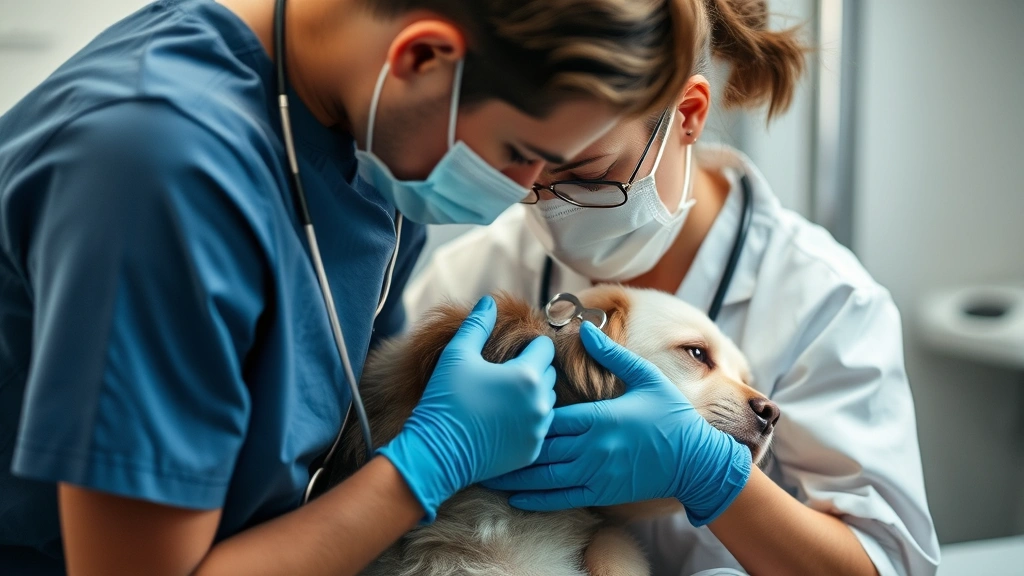
These respiratory signs can feel vague, but they’re your dog’s way of telling you something isn’t right. If your dog’s breathing pattern changes or a cough won’t go away, don’t wait it out. A quick vet visit can rule out infection or identify something more serious that needs treatment.
Difficulty Eating, Swallowing, or Bad Breath
Oral and throat cancers can make eating painful or difficult for your dog. You might notice your pup dropping food, drooling more than usual, or seeming reluctant to eat hard kibble. Bad breath that suddenly worsens—beyond typical dog breath—can also signal mouth cancer or other serious oral issues.
If your dog is having trouble with meals or you spot sores in their mouth that don’t heal, schedule a vet appointment. These signs often get overlooked because owners assume their dog is just being picky, but oral cancer progresses quickly and responds better to early intervention.
Lethargy and Behavioral Changes
Cancer drains your dog’s energy reserves. You might notice your normally playful pup sleeping more, showing less interest in walks, or seeming withdrawn. Some dogs become irritable or anxious as they experience pain or discomfort from growing tumors.

While occasional laziness is normal, a sustained shift in your dog’s energy level or personality warrants a vet check. Cancer-related lethargy often comes alongside other symptoms, so watch for patterns. If your dog seems depressed, in pain, or just “off,” trust your instincts and call your vet.
Abnormal Bleeding, Discharge, or Bathroom Changes
Blood in your dog’s urine, stool, or vomit is always a reason to see a vet immediately. Cancers affecting the urinary tract, digestive system, or blood itself can cause these signs. Similarly, unusual discharge from the nose, eyes, or genital area could indicate cancer or infection.
Changes in bathroom habits—straining, accidents in the house, or increased frequency—might point to bladder, prostate, or intestinal cancer. These aren’t always emergencies, but they’re definitely worth a prompt vet visit. The sooner your vet evaluates these symptoms, the sooner you’ll have answers and a plan.
Swelling in the Abdomen or Limbs
Abdominal swelling can indicate fluid buildup from tumors or organ involvement. If your dog’s belly looks bloated or feels hard when you gently press it, contact your vet. Swelling in the limbs or face might suggest lymphoma or other cancers affecting the lymphatic system.

These signs can develop gradually, so compare photos of your dog from a few months ago. Sometimes what feels normal to us is actually a slow but significant change. Early imaging and bloodwork can identify what’s causing the swelling.
Limping, Lameness, or Reluctance to Move
Bone cancer and other tumors can cause pain that makes your dog reluctant to walk, jump, or play. You might notice limping that doesn’t improve with rest, or your dog avoiding putting weight on one leg. Some dogs develop stiffness, especially after sleeping.
While joint issues and arthritis are common in older dogs, cancer-related limping often comes on suddenly or worsens rapidly. If your dog’s mobility changes noticeably, don’t assume it’s just aging. A vet exam can determine whether it’s a joint issue, injury, or something more serious like bone cancer.
When to Seek Immediate Veterinary Care
Some situations require urgent attention rather than a routine appointment. Seek immediate care if your dog is:

- Vomiting or unable to keep food or water down
- Bleeding heavily from any orifice
- Struggling to breathe or gasping for air
- Showing signs of severe pain (crying, aggression when touched, inability to move)
- Collapsing or losing consciousness
These emergency signs mean your dog needs professional evaluation right away. Don’t wait for a routine appointment if your pup is in acute distress. Emergency veterinary clinics are equipped to stabilize your dog and begin diagnostic testing immediately.
The Role of Regular Vet Checkups in Early Detection
Annual wellness exams are your best defense against advanced cancer. During these visits, your vet performs a thorough physical exam, checks bloodwork, and screens for abnormalities you might miss at home. For senior dogs (age seven and older), many vets recommend twice-yearly checkups to catch changes faster.
These routine visits establish a baseline for your individual dog, making it easier to spot when something changes. Your vet knows your dog’s normal weight, energy level, and body condition, so they’re excellent at catching subtle shifts that might indicate cancer or other serious illness.
What To Do Now
- Schedule a wellness exam if your dog hasn’t been to the vet in the past six months. Mention any symptoms or changes you’ve noticed, no matter how minor they seem.
- Start a health journal tracking changes in appetite, energy, bathroom habits, or physical appearance. Note dates and details so you can share accurate information with your vet.
- Perform regular body checks at least once a week, gently running your hands over your dog’s entire body to feel for new lumps or bumps.
- Document any concerning symptoms with photos or videos (especially limping, swelling, or discharge) to show your vet during the appointment.
- If unsure about urgency, use telehealth. If you’re uncertain whether your dog needs immediate care or can wait for a regular appointment, a quick telehealth check-in with a vet can give you peace of mind—no appointment needed and you can consult from home.
How The Pet Vet Can Help
When you’re worried about your dog’s health, getting professional guidance quickly matters. Talking to a vet online through The Pet Vet gives you access to licensed veterinarians who can listen to your concerns, review symptoms, and advise whether your dog needs in-person evaluation or emergency care.
A virtual vet appointment is perfect for initial consultations about warning signs, especially when you’re unsure if something truly warrants an urgent visit. Your vet can help you triage symptoms and guide your next steps—whether that’s scheduling bloodwork or imaging at your local clinic or heading to an emergency facility.
Understanding Related Health Conditions
Cancer isn’t the only serious condition that causes these warning signs. Heart disease can cause coughing, lethargy, and breathing changes. Liver disease may present with weight loss, loss of appetite, and abdominal swelling. Learning about liver disease in senior pets helps you understand how various conditions overlap in their symptoms.
This is exactly why veterinary expertise matters so much. Your vet can run the right tests to distinguish between cancer, infection, organ disease, and other conditions. Getting a proper diagnosis is the first step toward helping your dog feel better.
Frequently Asked Questions
Can I tell if my dog has cancer just by looking at them?
Not always. While visible lumps, weight loss, and behavioral changes are clues, many cancers develop internally without obvious signs. This is why regular vet checkups and bloodwork are so important—they catch things you can’t see.
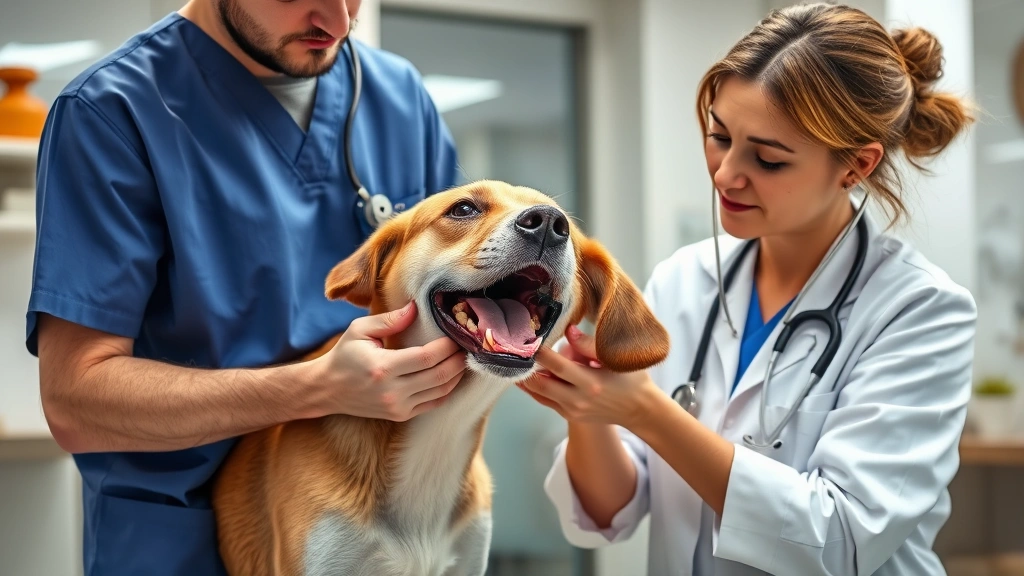
Is cancer in dogs always fatal?
No. Many canine cancers are treatable, especially when caught early. Treatment options range from surgery and chemotherapy to radiation and newer targeted therapies. Your dog’s prognosis depends on cancer type, stage, and your pup’s overall health.
How quickly does dog cancer progress?
It varies widely. Some cancers grow slowly over months or years, while others progress rapidly within weeks. This variation is another reason early detection matters—your vet can monitor growth rate and adjust treatment plans accordingly.
Should I be worried if my dog has a lump?
Not all lumps are cancer. Many are benign fatty tumors (lipomas) that don’t require treatment. However, any new lump warrants a vet evaluation to determine what it is and whether action is needed.
What’s the difference between cancer screening and waiting for symptoms?
Screening (bloodwork and imaging during wellness exams) can catch cancer before symptoms appear, often when it’s more treatable. Waiting for symptoms means cancer has likely progressed further, reducing treatment options and outcomes.
Summary: Your Dog Deserves Early Detection
Knowing when to see a vet about dog cancer when to see a vet can genuinely change your dog’s life. The warning signs—lumps, weight loss, coughing, behavioral changes, and others—are your dog’s way of telling you something needs attention. Trust your instincts, stay vigilant, and don’t hesitate to reach out to your vet with concerns.
Cancer is scary, but early detection opens doors to treatment options and better outcomes. Regular wellness exams, monthly body checks, and prompt attention to unusual symptoms put you in the best position to catch problems early. Your dog is counting on you to be their advocate, and you’re already doing that by reading and learning.
If you’ve noticed any of these warning signs or simply want peace of mind, reach out to your vet today. Whether it’s a quick telehealth consultation or a comprehensive in-person exam, getting professional eyes on your dog is always the right move.