
If you’ve noticed your dog’s breath smells like a gym locker or your pup is suddenly reluctant to eat, dog dental disease causes might be silently damaging their health right now. Many pet owners don’t realize that dental problems are one of the most common health issues affecting dogs today—and the causes often go completely unnoticed until serious damage has already occurred.
Table of Contents
- What Is Canine Dental Disease?
- The Hidden Culprits: Common Dog Dental Disease Causes
- 1. Poor Oral Hygiene and Lack of Regular Brushing
- 2. Diet Quality and Feeding Habits
- 3. Age and Genetic Predisposition
- 4. Underlying Health Conditions
- 5. Saliva Quality and Mouth pH Imbalances
- 6. Trauma, Chewing Habits, and Foreign Objects
- 7. Lack of Professional Dental Cleanings
- Warning Signs Your Dog May Have Dental Disease
- How Dental Disease Progresses: Understanding the Timeline
- Prevention Strategies: Taking Action Today
- When to Seek Professional Help
- The Connection Between Dental Health and Overall Wellness
- Summary: Key Takeaways About Dog Dental Disease Causes
- Frequently Asked Questions
- What To Do Now
This article is for informational purposes only and is not a substitute for professional veterinary advice. Always consult a licensed veterinarian for diagnosis and treatment.
The truth is, dental disease doesn’t happen overnight. It builds gradually from a combination of factors that most of us never think about. By understanding what triggers these problems, you can take meaningful steps to protect your dog’s teeth and overall health before complications arise.
What Is Canine Dental Disease?
Dental disease in dogs is a progressive condition that starts with plaque buildup on the teeth. When plaque hardens into tartar, it creates a breeding ground for harmful bacteria that damage the gums and tooth structure.
Left untreated, this infection can spread beyond the mouth, affecting the heart, kidneys, and liver. That’s why understanding the root causes is so important—catching it early puts you in a great position to help your dog avoid serious complications.
The Hidden Culprits: Common Dog Dental Disease Causes
Dental disease doesn’t develop in a vacuum. Several interconnected factors contribute to the breakdown of your dog’s oral health. Let’s explore the seven most common triggers that veterinarians see in their daily practice.
1. Poor Oral Hygiene and Lack of Regular Brushing
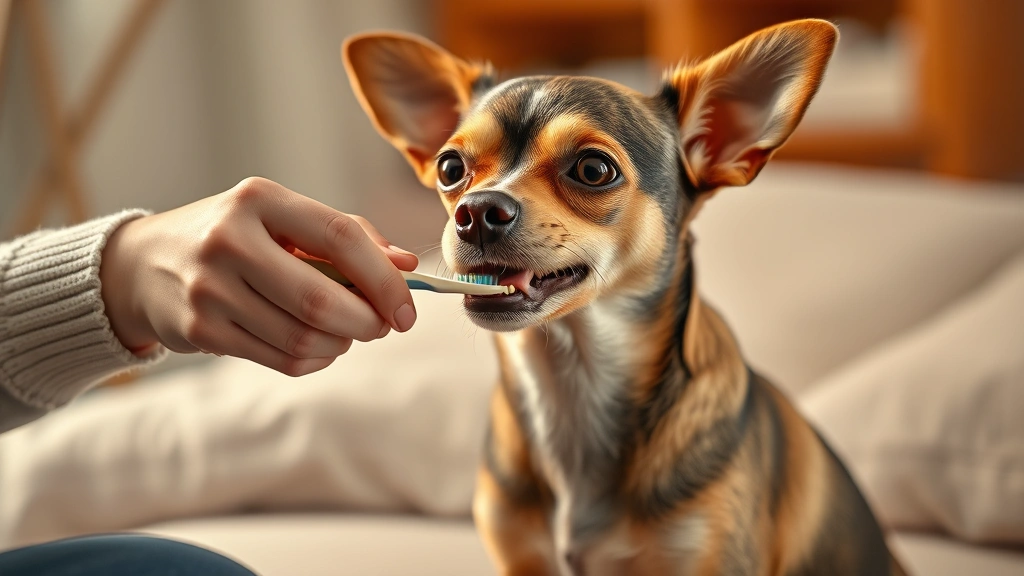
This is the number-one preventable cause of dental disease in dogs. Unlike humans who brush twice daily, most dogs never have their teeth cleaned at home. Without regular brushing, plaque accumulates rapidly on the tooth surface.
Even brushing just three times a week can make a significant difference. The mechanical action of the toothbrush physically removes plaque before it hardens into stubborn tartar. If your dog isn’t used to tooth brushing, start slowly and use dog-specific toothpaste—human toothpaste can upset their stomach.
2. Diet Quality and Feeding Habits
What your dog eats directly impacts their teeth. Soft, processed foods don’t provide the natural abrasion that helps clean teeth, while sugary or carbohydrate-heavy diets feed the bacteria that cause decay.
Dogs eating primarily wet food or table scraps are at higher risk for plaque buildup. Conversely, crunchy kibble and raw vegetables can help mechanically clean the teeth as your dog chews. Discussing your dog’s optimal diet with your veterinarian ensures they’re getting nutrition that supports dental health.
3. Age and Genetic Predisposition
Dental disease becomes increasingly common as dogs age. Senior dogs have had more time for plaque and tartar to accumulate, and their immune systems are less effective at fighting oral bacteria.
Certain breeds are genetically predisposed to dental problems. Small breeds like Chihuahuas, Yorkshire Terriers, and Dachshunds have crowded teeth that make plaque removal more difficult. If your dog’s breed is prone to dental issues, preventive care becomes even more critical.
4. Underlying Health Conditions
Systemic diseases weaken the body’s ability to fight oral infections. Diabetes, kidney disease, and autoimmune conditions all increase the risk of severe dental disease.
Dogs with compromised immune systems are especially vulnerable. If your dog has been diagnosed with any chronic health condition, dental care should be part of their overall health management plan. Regular check-ups help catch dental problems before they complicate existing health issues.
5. Saliva Quality and Mouth pH Imbalances
Saliva is your dog’s natural defense against dental disease. It neutralizes acids, fights bacteria, and helps wash away food debris. When saliva quality is poor or pH levels are imbalanced, bacteria thrive.
Some dogs naturally produce less saliva or have saliva with a higher acidity level, creating an ideal environment for dental disease to develop. This is why some dogs seem prone to dental problems despite good home care.
6. Trauma, Chewing Habits, and Foreign Objects
Aggressive chewing on hard objects—rocks, sticks, ice, or toys—can crack or fracture teeth. These damaged teeth become entry points for infection and are difficult to clean properly.
Additionally, some dogs have habits that encourage dental problems. Chewing on inappropriate objects can introduce bacteria or cause tooth damage that leads to decay. Monitoring your dog’s chewing habits and providing safe alternatives is essential prevention.
7. Lack of Professional Dental Cleanings
Home care alone isn’t enough to prevent all dental disease. Professional cleanings by a veterinarian remove tartar buildup that brushing can’t touch, especially below the gum line where serious infection hides.
Most dogs benefit from professional cleanings every 1-2 years, though some high-risk dogs may need them more frequently. During these cleanings, your vet can also identify early signs of decay, gum disease, or other oral problems before they become serious.
Warning Signs Your Dog May Have Dental Disease
Catching dental disease early makes treatment simpler and less expensive. Watch for these warning signs:
- Persistent bad breath (worse than typical “dog breath”)
- Visible tartar or discoloration on teeth
- Swollen, red, or bleeding gums
- Reluctance to eat or chewing only on one side
- Excessive drooling or pawing at the mouth
- Loose or missing teeth
- Behavioral changes like irritability or withdrawn behavior
If you notice any of these signs, your dog could be experiencing oral discomfort. Catching this early puts you in a great position to help prevent serious complications.
How Dental Disease Progresses: Understanding the Timeline
Dental disease doesn’t happen all at once. Understanding the progression helps you recognize when intervention is needed.
Stage 1 (Gingivitis): Plaque irritates the gums, causing redness and inflammation. This stage is fully reversible with professional cleaning and improved home care.
Stage 2 (Early Periodontitis): Infection spreads below the gum line, affecting the tooth’s supporting structures. Some bone loss occurs, but the tooth remains stable.
Stage 3 (Moderate Periodontitis): Significant bone loss around the tooth root. The tooth may become loose, and infection can spread to other areas.
Stage 4 (Advanced Periodontitis): Severe bone loss and infection. The tooth is typically lost, and systemic infection may affect vital organs.

Prevention Strategies: Taking Action Today
The good news? Most cases of dental disease are preventable through consistent care. Here’s what actually works:
- Brush your dog’s teeth daily or at least 3-4 times weekly using a dog-specific toothbrush and enzymatic toothpaste. Start slowly if your dog isn’t accustomed to brushing.
- Choose a dental-friendly diet that includes crunchy kibble and natural chewing opportunities. Ask your vet whether your current food supports oral health.
- Schedule professional cleanings regularly with your veterinarian. Most dogs benefit from annual or biennial cleanings, though high-risk dogs may need more frequent care.
- Provide safe chewing toys that encourage natural tooth cleaning without causing damage. Avoid hard objects like bones, antlers, or ice.
- Monitor for early warning signs and contact your vet immediately if you notice bad breath, behavioral changes, or eating difficulties.
When to Seek Professional Help
If you’re concerned about your dog’s dental health, professional guidance can ease your worries. If you are unsure whether your pet needs urgent care, a quick telehealth check-in can give you peace of mind — no appointment needed. Your vet can assess your dog’s oral health and recommend the best prevention or treatment plan.
Additionally, if your dog has stopped eating or shows signs of mouth pain, contact your veterinarian promptly. These symptoms can indicate advanced dental disease or other serious conditions requiring immediate attention.
The Connection Between Dental Health and Overall Wellness
Your dog’s teeth aren’t separate from their overall health—they’re intimately connected. Untreated dental disease allows bacteria to enter the bloodstream, potentially affecting the heart, kidneys, and liver.
This is especially concerning for dogs with existing health conditions or those at risk for complications. Maintaining good dental health is one of the most effective ways to support your dog’s longevity and quality of life.
Summary: Key Takeaways About Dog Dental Disease Causes
Understanding the causes of dog dental disease empowers you to take meaningful preventive action. The primary triggers include poor oral hygiene, diet quality, age, genetic factors, underlying health conditions, saliva imbalances, trauma, and lack of professional care.
By implementing a consistent home care routine, choosing a dental-friendly diet, and scheduling regular professional cleanings, you can significantly reduce your dog’s risk of developing serious dental problems. Remember, prevention is always easier and less costly than treatment.
Frequently Asked Questions
At what age do dogs typically develop dental disease?
Dental disease can begin at any age, but it becomes increasingly common after age 3. By age 5, many dogs show some signs of dental disease, and by age 10, the majority have significant oral health issues.
Can dental disease be reversed?
Early-stage gum disease (gingivitis) can be reversed with professional cleaning and improved home care. However, once bone loss occurs (periodontitis), the damage is permanent, though progression can be slowed with proper management.
Is anesthesia safe for dental cleanings in older dogs?
Modern anesthesia protocols are very safe, even for senior dogs. Your vet will perform pre-operative bloodwork to assess your dog’s ability to handle anesthesia safely before any procedure.
What’s the best toothpaste for dogs?
Use only dog-specific toothpaste, as human toothpaste contains fluoride and other ingredients that can be harmful if swallowed. Enzymatic toothpastes designed for dogs are most effective at reducing plaque.
How much does professional dog dental cleaning cost?
Costs vary widely based on your location and your dog’s dental condition, but professional cleanings typically range from $300 to $800. Prevention through home care is significantly more affordable than treating advanced disease.
What To Do Now
- Schedule a dental examination with your veterinarian within the next 2 weeks to assess your dog’s current oral health status.
- Purchase a dog-specific toothbrush and enzymatic toothpaste, then establish a brushing routine at least 3-4 times weekly.
- Review your dog’s current diet with your vet to ensure it supports dental health, and consider adding crunchy kibble or dental-friendly treats.
- If your dog shows any warning signs like bad breath or reluctance to eat, contact your veterinarian or use telehealth services for guidance.
- Ask your vet about a professional cleaning schedule tailored to your dog’s age, breed, and risk factors.