
If your aging dog has started avoiding their favorite chew toys, has bad breath that makes you wince, or seems reluctant to eat, you’re witnessing one of the most common yet overlooked health issues in older dogs: dog dental disease in senior pets. It’s heartbreaking to watch your faithful companion struggle, but the good news is that catching this early puts you in a great position to help.
Table of Contents
- Why Senior Dogs Are More Vulnerable to Dental Disease
- Common Signs of Dental Disease in Aging Dogs
- How Dental Disease Affects Overall Senior Dog Health
- Dental Cleaning and Professional Care for Senior Dogs
- Supportive Care and At-Home Management
- Nutritional Support for Dental Health
- Pain Management for Dental Disease
- When to Seek Urgent Veterinary Care
- Preventive Measures for Younger Dogs (Preventing Future Problems)
- Connection to Other Senior Dog Health Issues
- Frequently Asked Questions
- What To Do Now
- Summary: Taking Action Against Dental Disease in Senior Pets
This article is for informational purposes only and is not a substitute for professional veterinary advice. Always consult a licensed veterinarian for diagnosis and treatment.

Why Senior Dogs Are More Vulnerable to Dental Disease
As dogs age, their immune systems naturally weaken, making them more susceptible to bacterial infections in the mouth. Years of plaque and tartar buildup—even with occasional brushing—can accumulate into serious problems. By age 10, nearly 80% of dogs show signs of dental disease, according to veterinary research.
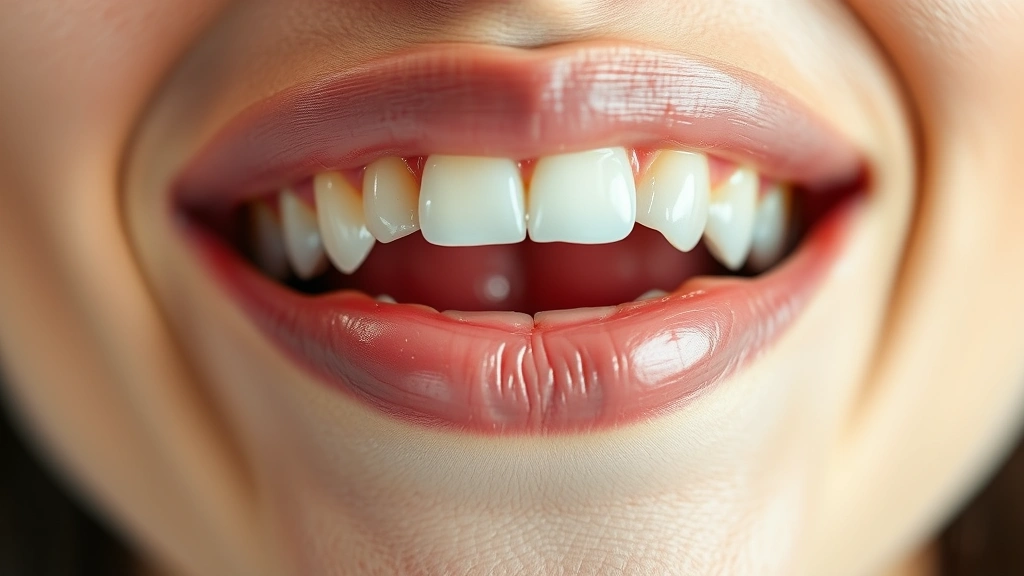
Senior dogs also have thinner gum tissue and more fragile teeth than younger pups. This means infections can take hold faster and spread more easily throughout the mouth and into the bloodstream. The combination of age-related changes and years of wear makes prevention and early detection absolutely critical.

Common Signs of Dental Disease in Aging Dogs
The early warning signs are often subtle, which is why many pet owners miss them. Watch for these red flags:

- Persistent bad breath – Not just “dog breath,” but a noticeably foul odor that suggests infection
- Difficulty eating or chewing – Your dog may drop food, eat slowly, or favor one side of their mouth
- Swollen or red gums – Visible inflammation around the tooth line
- Loose or missing teeth – Advanced disease causes tooth loss
- Drooling more than usual – Often paired with mouth pain
- Behavioral changes – Irritability or reluctance to play, which owners sometimes mistake for normal aging
- Facial swelling – A sign that infection has progressed significantly
Catching these signs early makes a tremendous difference in your senior dog’s quality of life and overall health.

How Dental Disease Affects Overall Senior Dog Health
Many pet owners don’t realize that dental disease doesn’t stay confined to the mouth. Bacteria from infected teeth and gums can enter the bloodstream and travel to vital organs, potentially affecting the heart, kidneys, and liver. For senior dogs, this systemic spread is especially dangerous because their organs are already working harder.

Dogs with untreated dental disease may experience weight loss, decreased appetite, and lethargy—symptoms that are sometimes mistaken for normal aging or other conditions. Additionally, mouth pain can trigger behavioral changes, making your senior dog seem withdrawn or grumpy. Addressing dental disease early can actually improve their overall vitality and lifespan.

If your older dog is also dealing with kidney disease or other chronic conditions, dental health becomes even more important, as infections can complicate existing health issues.

Dental Cleaning and Professional Care for Senior Dogs
A professional dental cleaning performed by a veterinarian is the gold standard for treating dog dental disease in senior pets. During this procedure, your vet will remove tartar and plaque buildup, assess each tooth for damage or decay, and extract any teeth that cannot be saved.

Many owners worry about anesthesia in older dogs. While it’s a valid concern, modern veterinary anesthesia is quite safe—your vet will run bloodwork beforehand to ensure your senior dog can handle the procedure. The risks of not treating dental disease are often greater than the risks of a professional cleaning.

Your veterinarian may recommend cleaning every 6 to 12 months depending on your dog’s individual needs and the severity of their dental disease. Regular monitoring helps prevent serious complications down the road.

Supportive Care and At-Home Management
Between professional cleanings, you can support your senior dog’s dental health with daily care. Here’s what actually works:
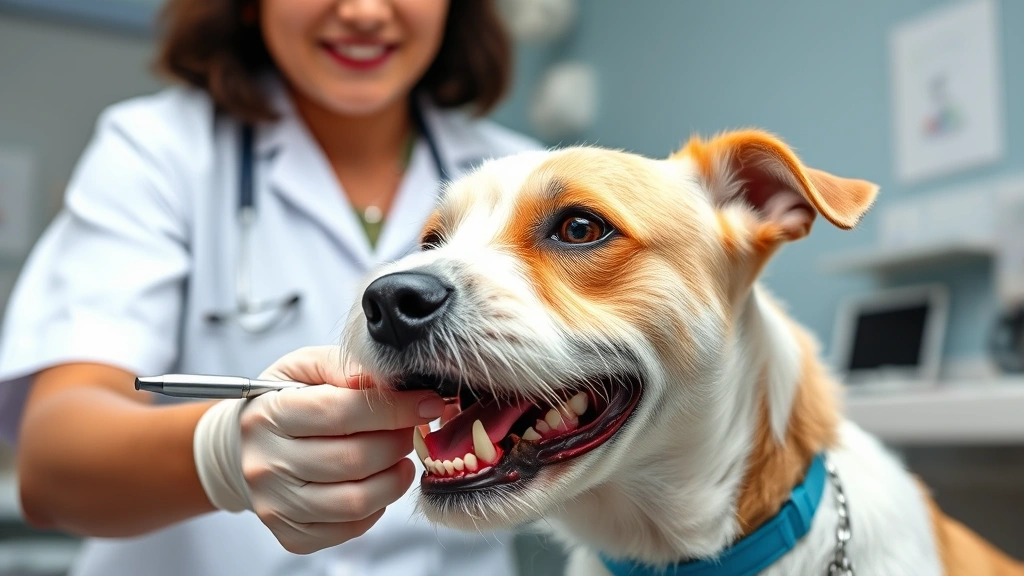
- Brush their teeth regularly – Even 3-4 times per week makes a difference. Use a dog-specific toothbrush and toothpaste (never human toothpaste).
- Offer dental-friendly treats – Some treats and toys are designed to reduce plaque buildup as your dog chews.
- Provide soft food options – If your senior dog has loose teeth or mouth pain, soften their kibble with water or broth to make eating more comfortable.
- Use water additives – Dental water additives can help reduce bacteria in the mouth and freshen breath.
- Avoid hard chews – Bones, hard rawhides, and tough chew toys can crack fragile senior teeth.
These at-home strategies won’t reverse existing dental disease, but they can slow its progression and prevent new problems from developing.

Nutritional Support for Dental Health
What your senior dog eats matters more than many people realize. A high-quality diet rich in omega-3 fatty acids supports gum health and reduces inflammation. Some prescription dental diets are specifically formulated to help manage plaque and tartar buildup.
If your dog struggles with eating due to dental pain, talk to your vet about softer food options or prescription diets designed for dogs with dental disease. Proper nutrition ensures your aging pup maintains muscle mass and overall health while dealing with mouth issues.

Senior dogs with both dental disease and gastrointestinal issues may need specially formulated meals to ensure they’re getting adequate nutrition despite their challenges.

Pain Management for Dental Disease
Dental disease causes real pain, and senior dogs deserve relief. Your veterinarian may recommend pain management options to keep your dog comfortable while you address the underlying dental problems. Effective pain control can actually improve your dog’s appetite and quality of life.
Many vets use a multimodal approach to pain management, combining different strategies for maximum comfort. The specific approach will depend on your individual dog’s health status, age, and other conditions they may have.
When to Seek Urgent Veterinary Care
While most dental disease develops gradually, some situations require urgent attention. Seek immediate veterinary care if your senior dog shows signs of severe facial swelling, difficulty breathing, sudden refusal to eat, or signs of infection spreading beyond the mouth.
If you’re unsure whether your pet needs urgent care, a quick telehealth check-in with an online veterinarian can give you peace of mind—no appointment needed. Sometimes a vet’s eyes on your dog, even virtually, can help you decide on next steps.
Preventive Measures for Younger Dogs (Preventing Future Problems)
If you have a younger dog, learning about dental disease in senior pets is a perfect opportunity to prevent these issues before they start. Establishing good dental habits early—regular brushing, professional cleanings, and proper diet—can significantly reduce your dog’s risk of serious dental problems later in life.
Many vets recommend starting dental care in puppyhood and maintaining it consistently throughout your dog’s life. This proactive approach pays dividends as your dog ages.
Connection to Other Senior Dog Health Issues
Dental disease doesn’t exist in isolation. Senior dogs with poor dental health often experience complications with other age-related conditions. For example, dogs with thyroid disorders may have compromised immune function, making them more vulnerable to dental infections.
Similarly, changes in sleep patterns and overall behavior can be influenced by chronic mouth pain. Addressing dental disease may actually improve other aspects of your senior dog’s health and wellbeing.
Frequently Asked Questions
Can dental disease in senior dogs be reversed?
Established dental disease cannot be fully reversed, but professional cleaning and good home care can slow progression and prevent complications. Early intervention is key.
Is anesthesia safe for senior dogs with dental disease?
Modern veterinary anesthesia is generally safe for senior dogs when proper bloodwork is done beforehand. Your vet will assess your individual dog’s risk.
How often should senior dogs have dental cleanings?
This varies by individual dog, but many senior dogs benefit from professional cleanings every 6-12 months. Your vet will recommend the best schedule for your pet.
What’s the best toothpaste for senior dogs?
Always use dog-specific toothpaste, as human toothpaste can be harmful. Ask your vet which brand they recommend for your senior dog’s needs.
Can diet help prevent dental disease in aging dogs?
Yes, a high-quality diet with proper nutrition supports gum health and may slow dental disease progression. Some prescription diets are specifically designed for dental support.
What To Do Now
- Schedule a dental exam – Contact your veterinarian to have your senior dog’s teeth and gums evaluated. This is the first step toward understanding the severity of any existing dental disease.
- Ask about bloodwork – If your vet recommends a professional cleaning, request pre-anesthetic bloodwork to ensure your senior dog can safely undergo the procedure.
- Start a daily dental care routine – Begin brushing your dog’s teeth at least 3-4 times per week using dog-specific toothpaste. Even small steps make a difference.
- Evaluate your dog’s diet – Discuss nutrition with your vet to ensure your senior dog is eating foods that support dental and overall health.
- Get a telehealth opinion if needed – If cost or accessibility is a barrier to in-person care, connect with a vet online for guidance on your senior dog’s specific situation.
Summary: Taking Action Against Dental Disease in Senior Pets
Dog dental disease in senior pets is incredibly common, but it doesn’t have to rob your aging companion of comfort and quality of life. By recognizing the early warning signs, seeking professional dental care when needed, and maintaining consistent at-home care, you can help your senior dog thrive during their golden years.
The most important thing is to act now. Whether your senior dog is showing obvious signs of dental problems or you’re simply being proactive, reaching out to your veterinarian is the first step. Your aging pup has given you years of loyalty—they deserve the best dental care you can provide.
Remember, catching dental disease early puts you in control. You’re not helpless, and your senior dog isn’t either. With the right approach and professional support, you can manage this condition and keep your faithful friend happy, healthy, and comfortable for years to come.